By Christina Pickard
September 21, 2026
"Kiss the hallowed ground," my Western Australia-born husband quipped as I packed my bags for a solo return to his homeland. While the sentiment was delivered with a wink, there is an undeniable, palpable reverence that defines Western Australia (W.A.). It is a landscape of prehistoric beauty, defined by soil compositions that predate most of the known world and home to a biodiversity found nowhere else on Earth.
For decades, the state was jokingly referred to as "Wait Awhile," a nod to its geographic isolation and the unhurried pace of change. With Perth, its only major metropolis, sitting a grueling 28-hour drive from the nearest city of equivalent size, W.A. has had to forge its own identity. Today, that isolation has matured into a hallmark of quality, cementing the state’s three primary wine regions—Margaret River, Great Southern, and the Swan Valley—as powerhouses of global viticulture.
The Chronology of Cultivation: From Colonial Roots to Modern Renaissance
To understand Western Australian wine is to understand the layers of history beneath the vines.
The Swan Valley: The Second-Oldest Frontier
Swan Valley, located just 15 miles northeast of Perth, is the state’s historical heartbeat. Before the 1829 arrival of English colonists, the land was, and remains, sacred to the Whadjuk Noongar people, who tell of the river carved by the giant rainbow serpent, the Waugal.
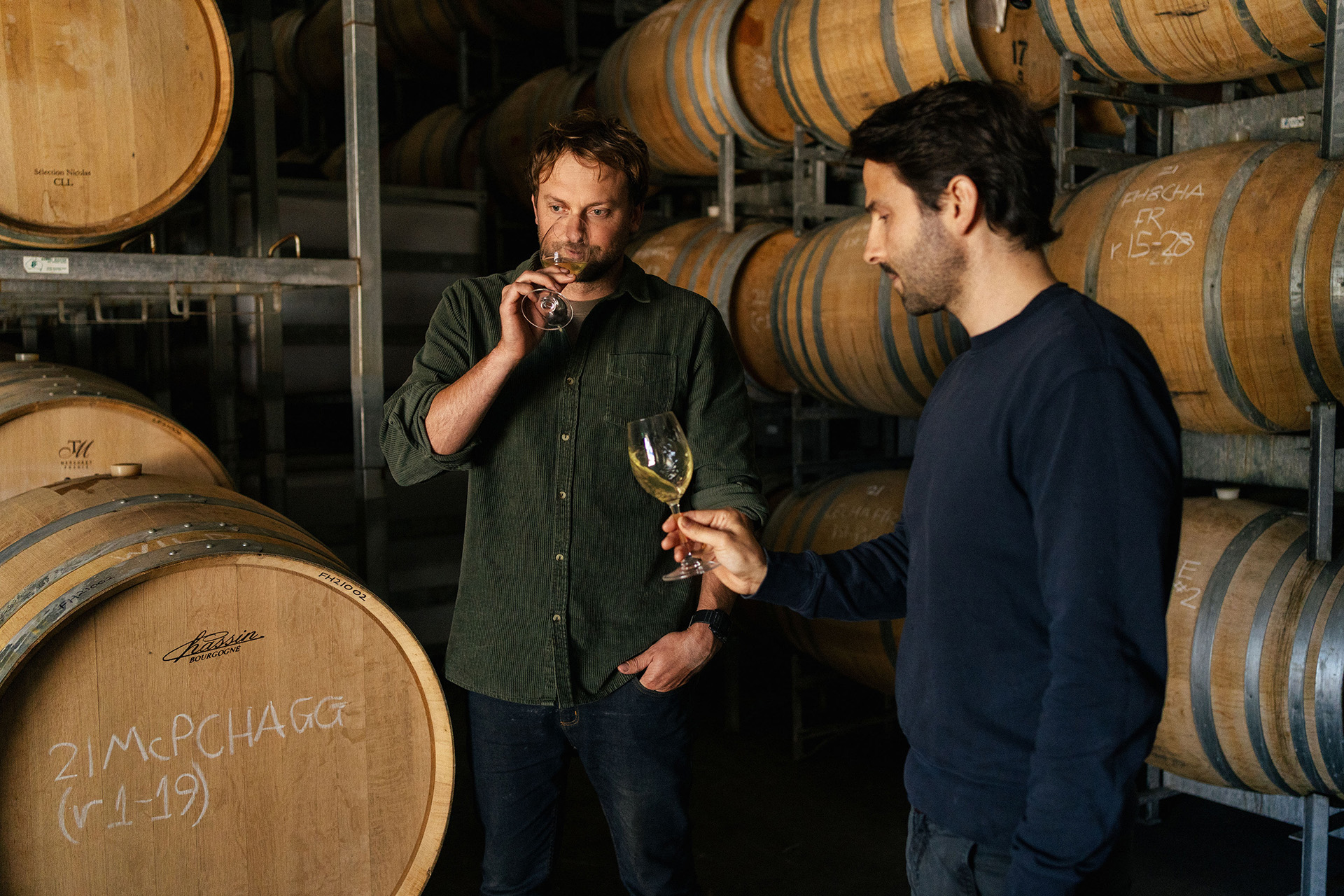
The mid-19th century brought European influence, primarily through Croatian immigrants who transformed the valley into a food and wine hub. For much of the early 21st century, the region was viewed as a dusty, nostalgic relic of fortified wines and older demographics. However, a seismic shift has occurred. A new guard of winemakers—led by producers like Vino Volta and Corymbia—is revitalizing the valley, focusing on the newfound global appetite for Chenin Blanc and minimal-intervention techniques.

Margaret River: The Star-Studded Blockbuster
If the Swan Valley is the "forgotten classic," Margaret River is the modern blockbuster. Despite producing only 2% of Australia’s total wine volume, the region consistently captures a staggering percentage of international accolades.
Viticulture here is a relatively recent endeavor, born in the late 1960s when visionary doctors Tom Cullity and Bill Pannell planted Cabernet Sauvignon. Their success paved the way for legends like Vasse Felix, Cullen Wines, and Leeuwin Estate. In the last decade, a secondary "young gun" movement—featuring estates like L.A.S. Vino and Blind Corner—has introduced alternative varieties and "gluggable," natural-leaning wines that have captured the imagination of a younger, globalized wine-drinking demographic.
Great Southern: The Untamed Frontier
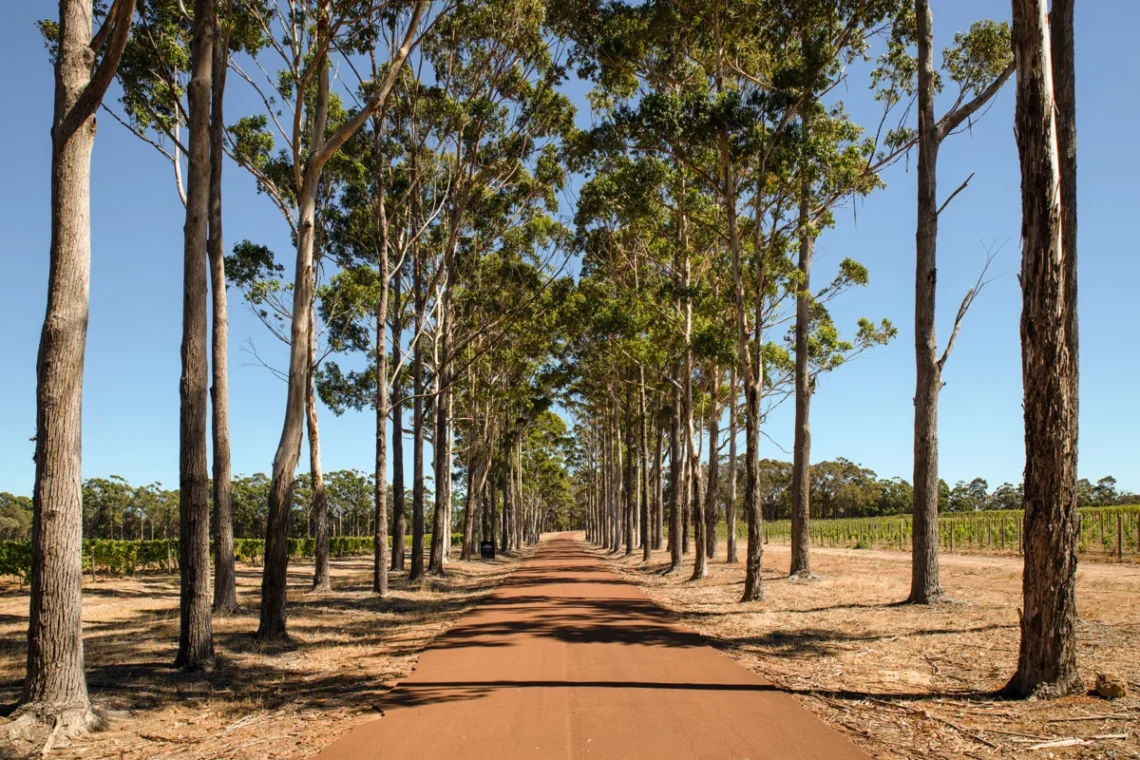
Further south lies the Great Southern, a region so vast (5,800 square miles) that it defies simple categorization. It is a land of towering karri trees and extreme geographic diversity, where artisanal producers like Duke’s and Castle Rock craft Rieslings that possess a flinty, raw purity. It is here that the intersection of ancient mountains and the Southern Ocean creates a climate that is as challenging as it is rewarding for cool-climate viticulture.

Supporting Data: Why Western Australia Stands Apart
The secret to W.A.’s success lies in its unique geological and climatic variables. Unlike many global wine regions, Western Australia has remained untouched by phylloxera, the vine-killing louse that decimated European vineyards. This allows producers to work with unique, heritage clones on their own rootstock.
- The "Gin Gin" Factor: The Margaret River region is home to the Gin Gin Chardonnay clone, widely considered one of the most expensive and lowest-yielding, yet highest-quality, Chardonnay clones in the world.
- Diurnal Swings: In regions like Frankland River, the massive temperature difference between day and night (diurnal range) ensures that grapes develop intense, concentrated flavor profiles while retaining vital acidity.
- Maritime Influence: As Virginia Willcock of Vasse Felix notes, the ocean acts as a natural air conditioner. A 30°C (86°F) day often "feels" like 25°C (77°F), extending the ripening period and allowing for the development of complex, elegant aromatics.
Official Voices: Perspectives from the Cellar Door
The industry’s current state is best summarized by those who have spent lifetimes in the soil. Arch Kosovich, senior winemaker at the historic John Kosovich Wines, sees a clear turning point: "What we’re doing here is cool again. It got forgotten about, but it’s getting airplay again."
This "airplay" is supported by institutional efforts such as The Swan Valley Old Vine Charter, established in 2024. This initiative, driven by third-generation winemakers, aims to protect the region’s historical viticultural assets against the encroaching tide of urban development.

In the Great Southern, the sentiment is one of connection to the raw elements. Liam Carmody, working with Forest Hill Vineyard, captures the essence of the terroir: "The Riesling from down here has a purity and rawness that reminds me of the Southern Ocean. I think you can taste sea spray on granite."
Cultural Integration and Indigenous Collaboration
Perhaps the most significant development in the region is the move toward true cultural partnership. At the Mandoon Estate, the site of an 1840 homestead, Dale Tilbrook—a Wardandi Bibbulmun woman—operates the Maalinup Aboriginal Gallery.
Her work goes beyond wine; she educates visitors on "bush tucker," the 6,500 edible native plants that sustained Indigenous Australians for millennia. Sip a glass of local Chenin Blanc while tasting lemon myrtle and finger-lime pulp, and you begin to understand the sensory complexity of this land. It is a blend of savory, earthy, and citrus notes that are not merely flavors, but a direct link to the continent’s deep history.

Implications: The Future of Western Australian Viticulture
The implication of these developments is clear: Western Australia is transitioning from a niche player to a global benchmark for quality and innovation.
- Sustainability as Standard: The shift toward minimal-intervention winemaking and the preservation of old-vine material suggests that the region is prioritizing long-term ecological health over short-term production quotas.
- Diverse Portfolio: By moving beyond the traditional Cabernet/Chardonnay dominance to include alternative varieties like Arneis, Dolcetto, and Pinot Meunier, the region is insulating itself against market volatility and catering to a more adventurous palate.
- The "Hallowed" Status: The success of the region is not merely economic; it is spiritual. As tourism integrates with education, the wineries are acting as stewards of the land, preserving not just the vines, but the Indigenous history that preceded them.
As I stood beneath an ancient, 300-year-old karri tree in the Great Southern, watching black cockatoos circle overhead and wallabies graze in the golden light, the "hallowed" nature of the region became undeniably clear. It is a place where the wine is a reflection of a vast, raw, and pristine wilderness.
I couldn’t help myself. I knelt beneath the camphorous scent of the eucalyptus, pressed my hand to the ancient earth, and realized that for those who drink these wines, we are not just consuming a product of the soil—we are participating in a story that is 50,000 years in the making. Western Australia is no longer "waiting." It has arrived, and it is here to stay.