Few kitchen appliances have revolutionized home cooking quite like the slow cooker. Alongside the dishwasher and the rice cooker, it fundamentally altered domestic labor, automating the intricate science of low-and-slow cooking. For generations, preparing rich, hearty meals—such as pot roasts requiring six to ten hours of attentive heat—meant either babysitting an open flame or risking an unattended oven all day long. Nearly every household has owned a version of this appliance at some point, yet few modern users realize the humble origins of the device, nor the rich cultural traditions that inspired its invention. Far from being a mere mid-century convenience gadget, the slow cooker’s genealogy is rooted in centuries-old religious custom, immigrant ingenuity, and a remarkably simple piece of engineering.
Main Facts
At its core, the slow cooker is a triumph of utilitarian design. The original iteration, patented by Irving Naxon in 1940 and commercialized as the Naxon Beanery, consisted of little more than a lidded ceramic pot encased in a metal shell, wrapped with a basic heating element. There were no digital readouts, no multi-stage programming, and not even a removable insert. The control interface was binary: you plugged it into the wall to turn it on, and unplugged it to turn it off.
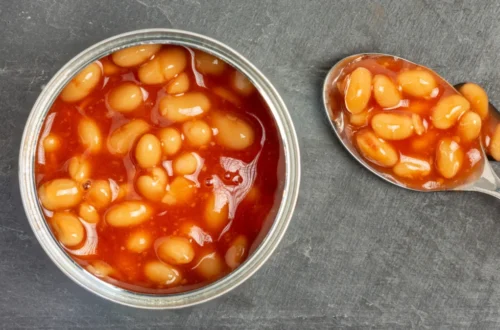
Despite its technological Spartanism, the device was remarkably effective. Originally adopted by commercial luncheonettes and neighborhood coffee shops to simmer soups, stews, and beans throughout the day, the Beanery eventually transitioned into the domestic sphere following a corporate acquisition in 1970. Rebranded by Rival Manufacturing as the Crock-Pot in 1971, the appliance became a cultural phenomenon, famously marketed to the growing demographic of working women seeking efficient ways to manage household meals. Today, contemporary slow cookers range from basic analog dials to sophisticated, multi-functional units capable of searing, pressure cooking, and air frying, yet the foundational philosophy of hands-off, set-it-and-forget-it cooking remains entirely intact.
Chronology of an Innovation
The timeline of the slow cooker spans over a century, tracing a path from European communal ovens to American mass-market manufacturing and modern smart kitchens.
- Late 19th to Early 20th Century: In Lithuania and other parts of Eastern Europe, Jewish families practice the tradition of cholent—a slow-cooked meat and bean stew. Because Jewish law prohibits kindling fire or cooking on the Sabbath (Shabbat), families prepare the dish on Friday afternoon and take the ceramic pot to the local baker’s oven. As the commercial ovens cool overnight, the residual heat slowly transforms the ingredients into a rich meal ready for Saturday afternoon.
- 1940: Irving Naxon secures a patent for the Naxon Beanery. Inspired by his mother’s childhood recollections of the village bakery in Lithuania, Naxon designs a portable electrical appliance that mimics the gentle, prolonged heat of a cooling commercial oven.
- 1940s–1960s: The Naxon Beanery finds limited commercial success, primarily utilized in small-town luncheonettes, diners, and coffee shops where food needs to be held at safe, warm temperatures over long shifts.
- 1970: Rival Manufacturing purchases Naxon’s company, including the patent for the Beanery.
- 1971: Rival re-introduces the device as the "Crock-Pot." Backed by strategic marketing targeting the socio-economic shift of women entering the workforce in droves, the appliance explodes in popularity, entering millions of American homes.
- 1980s–1990s: The appliance evolves aesthetically and functionally. Manufacturers introduce removable stoneware inserts—solving one of the original design’s biggest cleaning headaches—as well as multiple heat settings (Low, High, Warm).
- 2000s–Present: The advent of digital technology brings programmable timers, automatic shift-to-warm settings, and thermal temperature probes. Furthermore, the slow cooker merges with other countertop technologies, paving the way for multi-cookers that combine slow cooking with pressure cooking, air frying, and steam roasting.
Supporting Data & Cultural Context
While mid-century marketing heavily emphasized the slow cooker as an instrument to liberate the modern housewife from the kitchen, this narrative overlooks the profound cultural roots of the invention. Irving Naxon did not dream up the concept in a vacuum; he was directly influenced by familial oral history.
Naxon’s mother frequently recounted her upbringing in Lithuania, where community infrastructure intertwined with religious observance. Every Friday afternoon, young girls would walk to the village bakery carrying heavy ceramic crocks filled with cholent. The baker would slide the pots into the cooling brick ovens. Without consuming additional fuel or requiring anyone to tend a flame on the Sabbath, the fading ambient heat coaxed complex flavors out of inexpensive cuts of meat, root vegetables, and pulses over a period of eighteen to twenty-four hours.
When Naxon engineered his electric bean cooker, he essentially miniaturized and democratized the village bakery oven. Though Naxon never explicitly marketed the Beanery toward the Jewish community, the functional parallels are undeniable. The appliance solved the exact same domestic challenge that prompted modern appliance manufacturers to develop "Sabbath mode" settings for refrigerators and ovens. To this day, observant Jewish households rely heavily on slow cookers to comply with dietary and religious laws on Shabbat, ensuring a hot, comforting meal is available without breaking prohibitions against active cooking.
Official Responses and Industry Perspectives
Culinary historians, appliance designers, and sociologists have long studied the cultural trajectory of the slow cooker, noting how it reflects broader shifts in domestic technology and labor dynamics.
"The genius of the original slow cooker was its absolute refusal to complicate things," notes industrial design historian Dr. Elena Vance. "When Irving Naxon built the Beanery, he wasn’t trying to create a status symbol; he was solving a thermodynamic problem. He wanted a controlled, steady, low-temperature environment that could run safely unattended for hours. That purity of purpose is why the basic architecture survived virtually unchanged for decades."
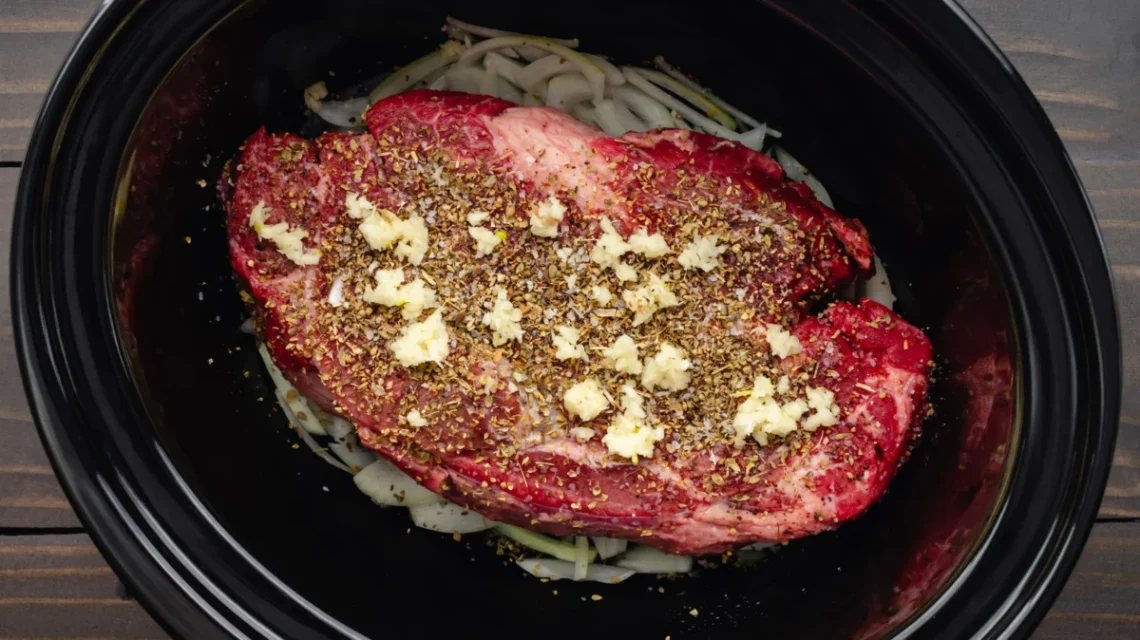
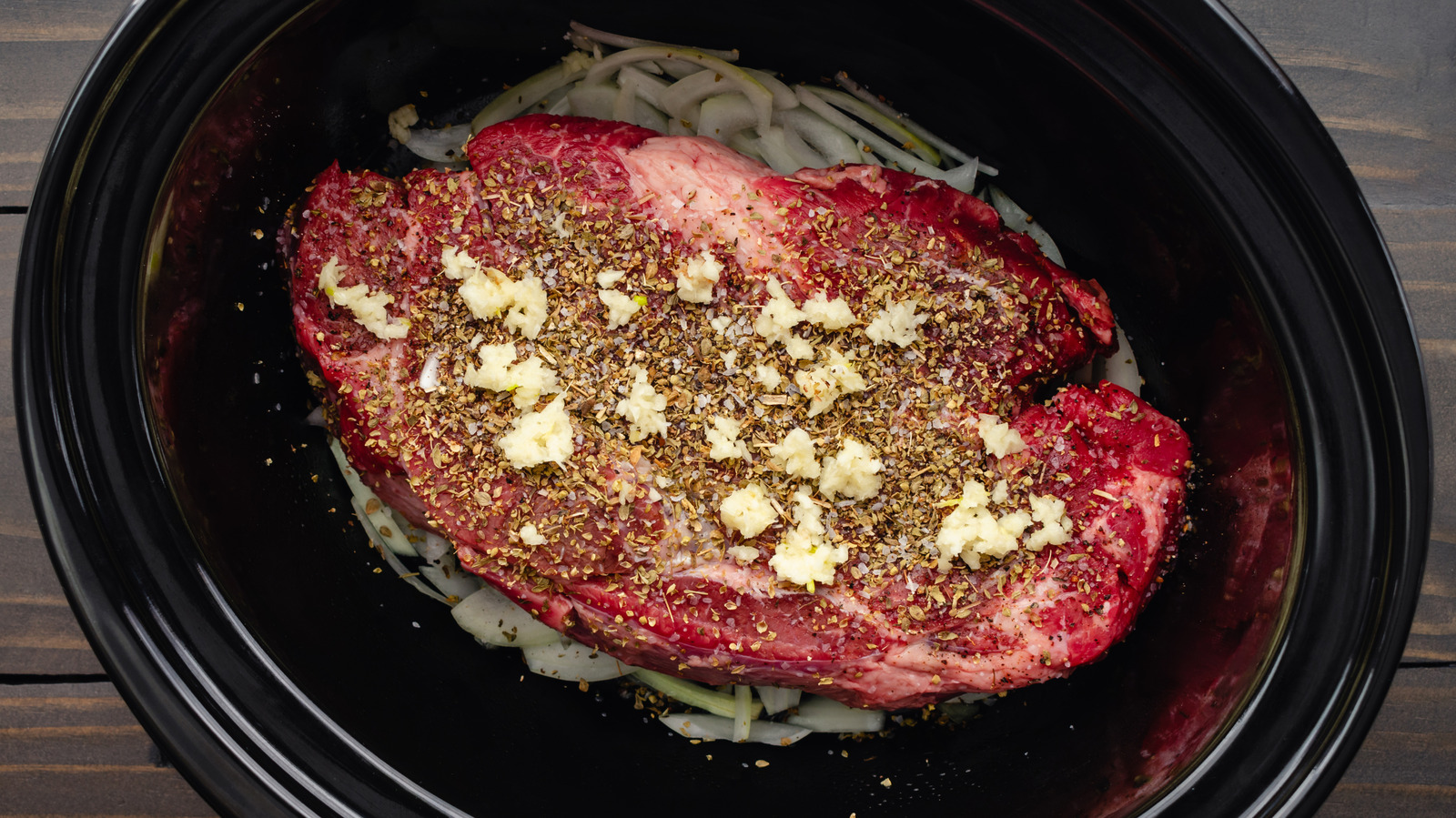
Culinary experts also point to the economic impact of the appliance. During periods of economic uncertainty, the slow cooker experienced surges in sales as consumers turned toward budget-friendly, tougher cuts of meat—such as chuck roasts, pork shoulders, and beef shanks—which actually benefit from prolonged cooking times. Food scientists emphasize that the moist-heat environment breaks down tough collagen into gelatin, rendering inexpensive ingredients succulent and tender in a way that high-heat cooking methods simply cannot replicate.
Furthermore, modern manufacturers have responded to changing consumer habits by integrating safety mechanisms and versatility. Modern slow cookers are engineered with specialized thermal fuses, auto-shutoff timers, and dishwasher-safe components, addressing the primary consumer pain points of early models—namely, safety concerns over leaving electrical appliances running while away from home and the difficulty of cleaning heavy, fixed ceramic bowls.
Implications
The legacy of the first slow cooker extends far beyond the realm of kitchen appliances; it is a testament to how cultural traditions can quietly shape modern industrial design.
By bridging the gap between ancient culinary traditions—such as the communal Sabbath stews of Eastern Europe—and the fast-paced demands of 20th-century industrial societies, the slow cooker transformed the way humanity approaches meal preparation. It democratized gourmet-level braising, making it accessible to individuals with demanding work schedules, limited culinary training, or modest budgets.
As kitchen technology continues to evolve toward smart homes, automated appliances, and multi-functional kitchen hubs, the core appeal of the slow cooker remains refreshingly grounded. Whether it is an analog Naxon Beanery from the 1940s sitting on a vintage collector’s shelf or a modern digital multi-cooker programmed via smartphone, the fundamental promise is unchanged: the alchemy of time, gentle heat, and patience working together to turn simple ingredients into something extraordinary.