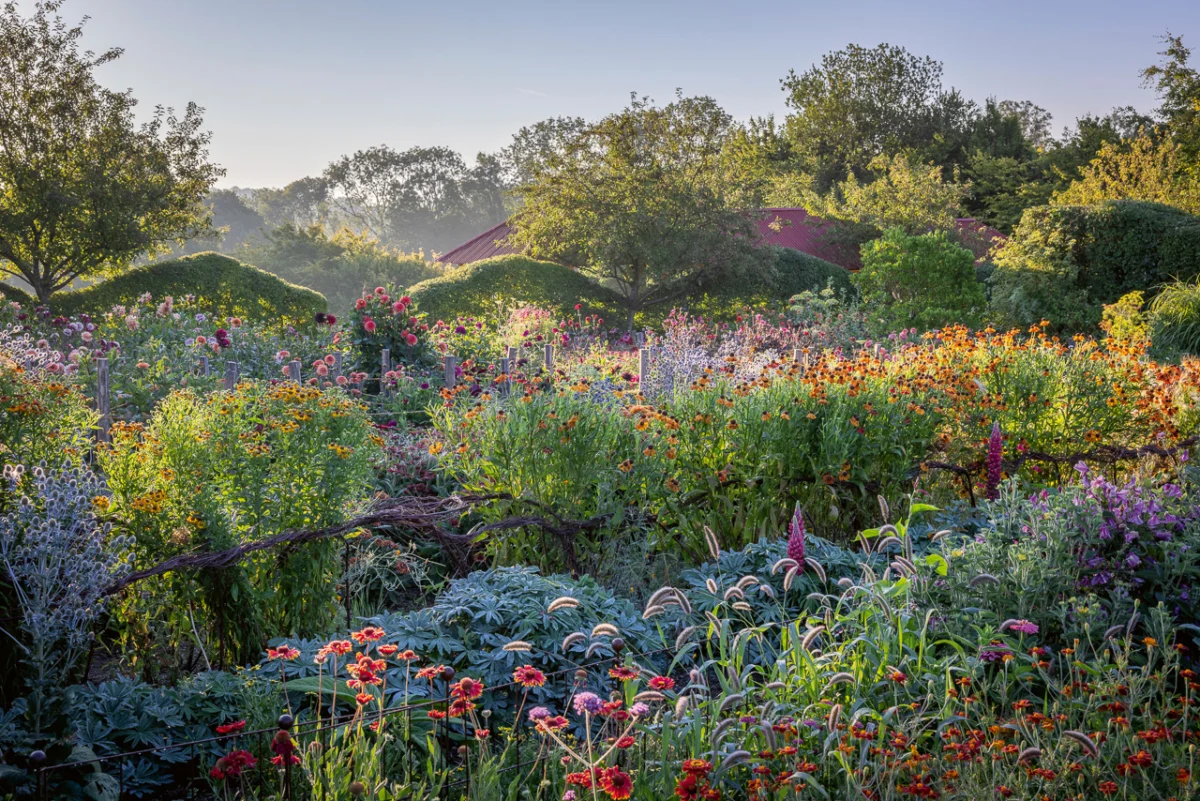
For over two decades, the name Sarah Raven has been synonymous with the resurgence of the "local flower" movement. A pioneering force in horticultural education and floral design, Raven has spent more than thirty years transforming the way gardeners approach the humble act of planting seeds. Her latest work, A Year of Cut Flowers: A Life of Growing and Arranging for All Seasons, recently released in the United States, serves not merely as a guide, but as a definitive manifesto for anyone looking to bridge the gap between their own backyard and the joy of a home-grown bouquet.
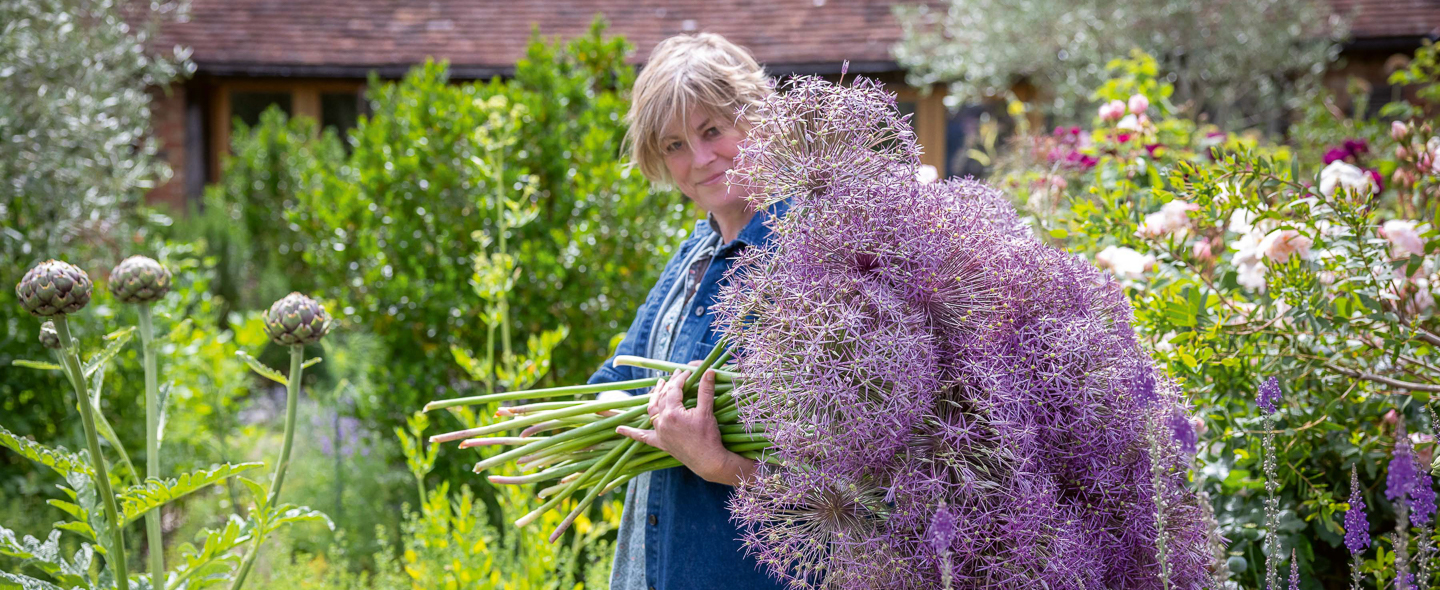
Main Facts: The Vision Behind the Harvest
A Year of Cut Flowers is the culmination of three decades of trial, error, and refined expertise. The book functions as a comprehensive, "tried-and-true" manual designed to lead readers from the initial stages of sowing seeds to the final, rewarding harvest.
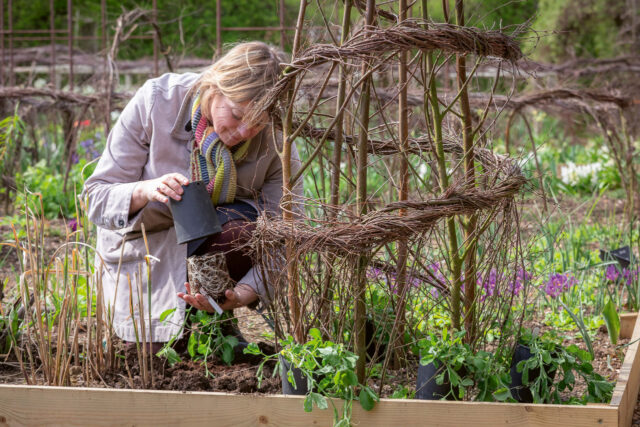
The core philosophy Raven presents is centered on accessibility. She assumes no prior expertise, making the book a welcoming entry point for beginners, while simultaneously providing deep technical dives that satisfy the curiosity of seasoned gardeners. The text covers essential topics, including:
- Strategic Selection: How to choose plants based on specific spatial constraints, budgetary needs, and environmental requirements.
- The "Cut-and-Come-Again" Method: A focus on maximizing yield through the understanding of axillary buds, allowing plants to regenerate blooms within days of being harvested.
- Seasonal Palettes: A curated exploration of color theory as it applies to floral arrangement, organized by the changing seasons.
Chronology: A Career Rooted in Growth
Sarah Raven’s journey as an author and teacher began long before the current trend of "slow flowers" took root. With fourteen published books to her credit, she has built a literary career that spans everything from container gardening and vegetable production to the nuances of cooking with home-grown ingredients.
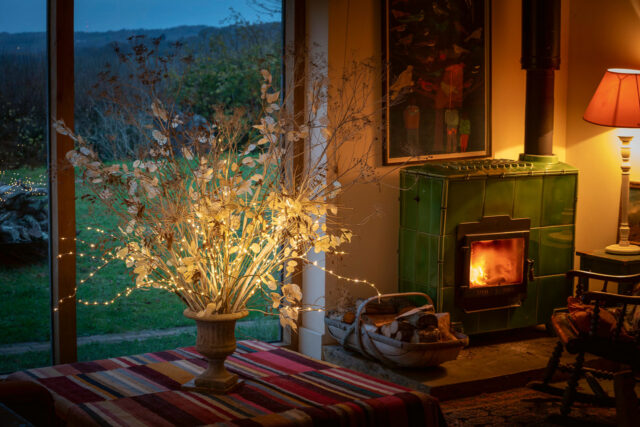
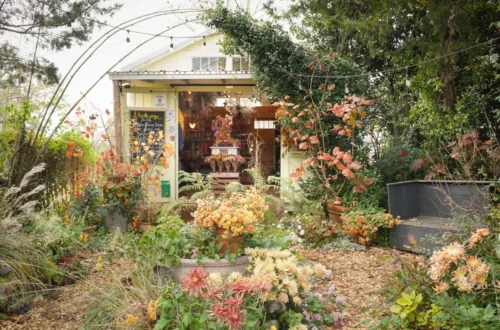
Her writing process is as disciplined as her gardening. Raven utilizes the quiet, dormant months of winter to draft her manuscripts, while the rest of the year is characterized by early morning writing sessions—typically between 5:30 a.m. and 8:00 a.m.—before she transitions to her primary work at Perch Hill. As the seasons progress, her research becomes fluid, alternating between the desk and the garden, where she collects data through photography and meticulous note-taking.
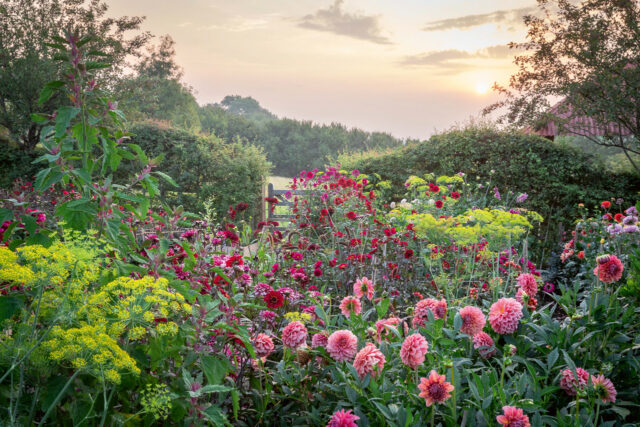
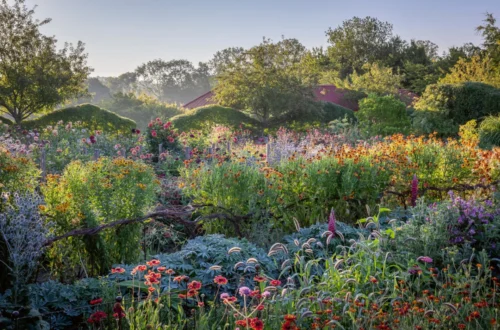
This iterative process has been supported by a thirty-year partnership with renowned photographer Jonathan Buckley. Their collaboration, which is memorialized in the pages of A Year of Cut Flowers, operates like a finely tuned machine. During the growing season, from mid-March to mid-September, the duo works on a structured, pre-planned list of shots, capturing the garden’s evolution in the golden light of early mornings and late evenings.
Supporting Data: The Science of the Garden
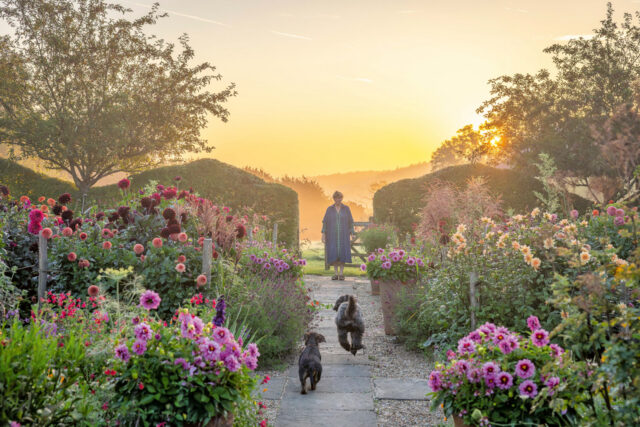
Beyond the aesthetic, Raven’s work is deeply grounded in environmental stewardship. Her approach to dahlia breeding and selection, for instance, is highly analytical. During her annual trips to the Netherlands, Raven and her team of experts evaluate varieties based on four rigorous criteria:
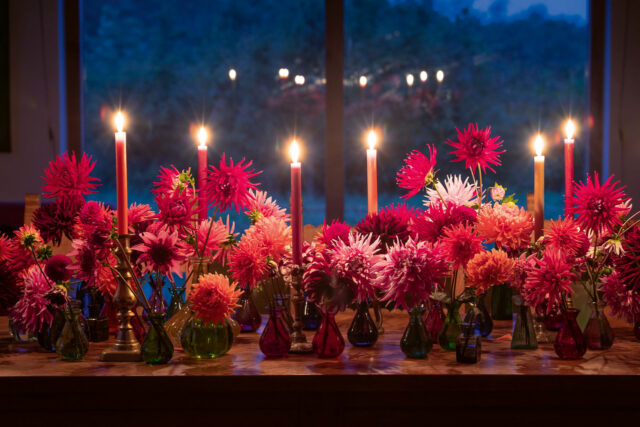
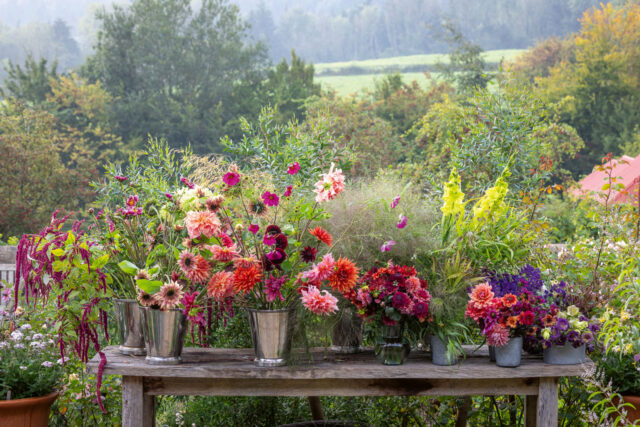
- Visual Drama: A focus on unusual colors and petal structures, with the "Labyrinth" dahlia serving as a standard for beauty.
- Vase Life: While classic dahlias often wilt within four days, Raven prioritizes varieties that can survive in a vase for seven days or longer, such as the newly introduced "Sissinghurst."
- Graceful Stature: She actively selects against "dumpy" or oversized plants, aiming for a medium height (45cm to 90cm) that offers both dignity and stability in a pot.
- Pollinator Support: A significant percentage of her selections focus on open, single, or semi-double flowers. These varieties serve as essential food sources for pollinators and, by extension, help maintain the predatory bird populations that naturally control slug and snail populations.
Official Perspectives: The Philosophy of the "Life Enhancer"
In a recent interview, Raven reflected on the intentional tone of her latest book. "It’s a kind of call-to-gardening," she noted. "Gardening has been one of the strongest strands in my life, bringing me so much contentment and fulfillment."
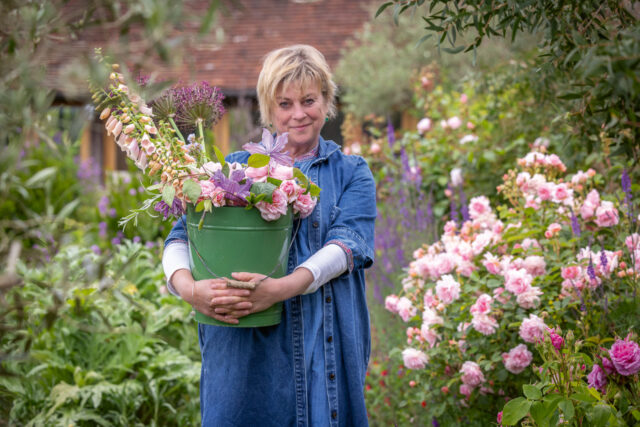
Raven emphasizes that the act of gardening is an immediate, accessible life-enhancer. By focusing on the "cut-and-come-again" philosophy, she hopes to reach those who may have previously felt intimidated by the garden gate. "Whether you go for annuals, biennials, or dahlias, it’s a way to garden for those who love the idea of an ever-filling cup," she explained.
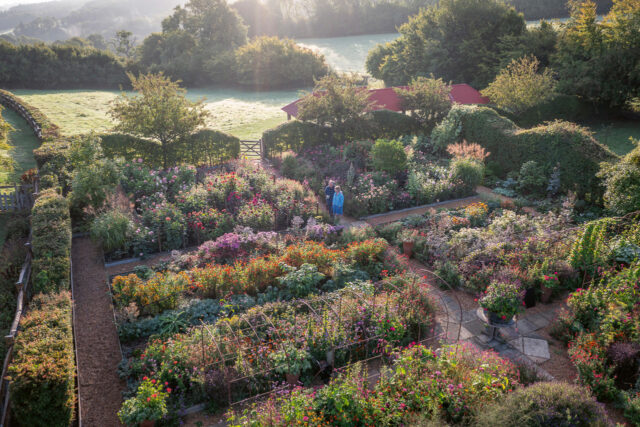
Her perspective on the professional industry is equally clear. She remains a vocal critic of the chemical-heavy practices still prevalent in traditional garden centers. She advocates for a shift toward "living, healthy ecosystems," where nature is encouraged to do the work—a reality she observes daily at Perch Hill, where the return of active bird life has drastically reduced the need for artificial pest control.
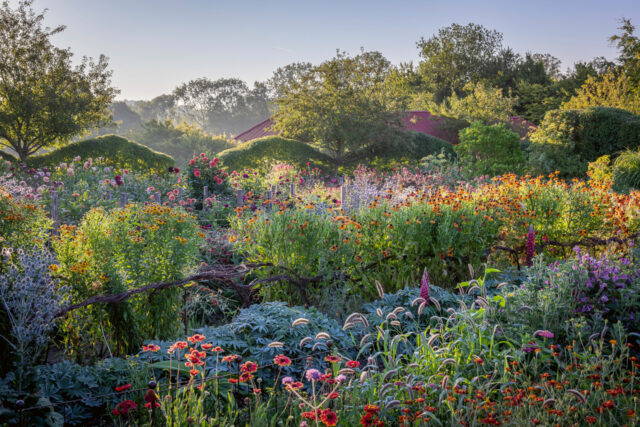
Implications: The Future of Gardening
The impact of Raven’s influence on modern gardening culture is undeniable. As she notes, her demographic has shifted over the last few years; she is seeing a younger generation of gardeners emerging, many of whom were inspired by the introspective, nature-focused shifts that occurred globally during the COVID-19 pandemic.
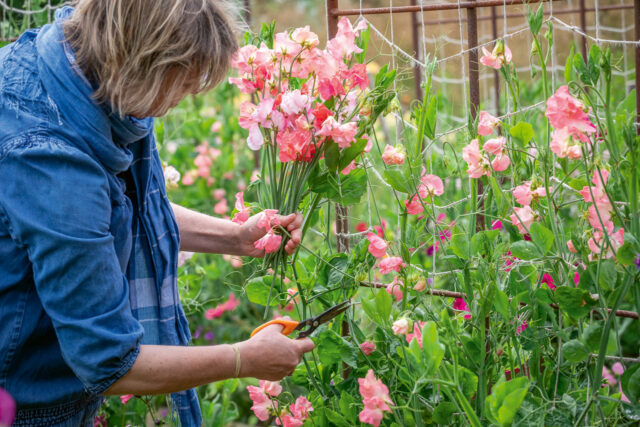
This new wave of enthusiasts is looking for more than just aesthetics—they are seeking connection, mindfulness, and sustainability. Raven believes that even the smallest urban space can accommodate this movement. "Getting everyone to grow a little of their own—whether a bunch of flowers a week or a handful of basil—is the loveliest and easiest thing which makes every life better."
As she moves into a new phase of her life and career—balancing her ongoing research and teaching with the joys of being a grandmother—Raven expresses a newfound sense of perspective. While she has no plans to retire, she is shifting her focus toward mentoring her colleagues and ensuring that the knowledge she has cultivated over three decades is passed on to the next generation of stewards.
Conclusion
A Year of Cut Flowers is not just a seasonal guide; it is a testament to the idea that gardening is an ongoing conversation with the land. For the novice with a single window ledge or the seasoned grower with a full acre, Sarah Raven’s work serves as a reminder that the act of planting is, at its heart, an act of optimism. Through her meticulous trials, her commitment to organic practices, and her infectious passion for the "ever-filling cup," Raven continues to shape a world where the act of growing one’s own flowers is both a personal pleasure and a vital contribution to the planet’s health.
As the floral industry continues to evolve, the principles championed by Raven—patience, observation, and respect for the ecosystem—remain the bedrock upon which the future of gardening is built. Her latest book ensures that this foundation remains accessible, inspiring a new generation to get their hands in the dirt and wait for the blooms to follow.