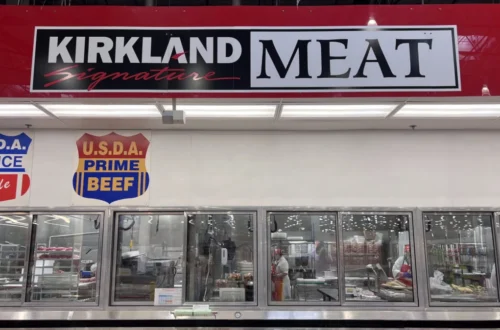
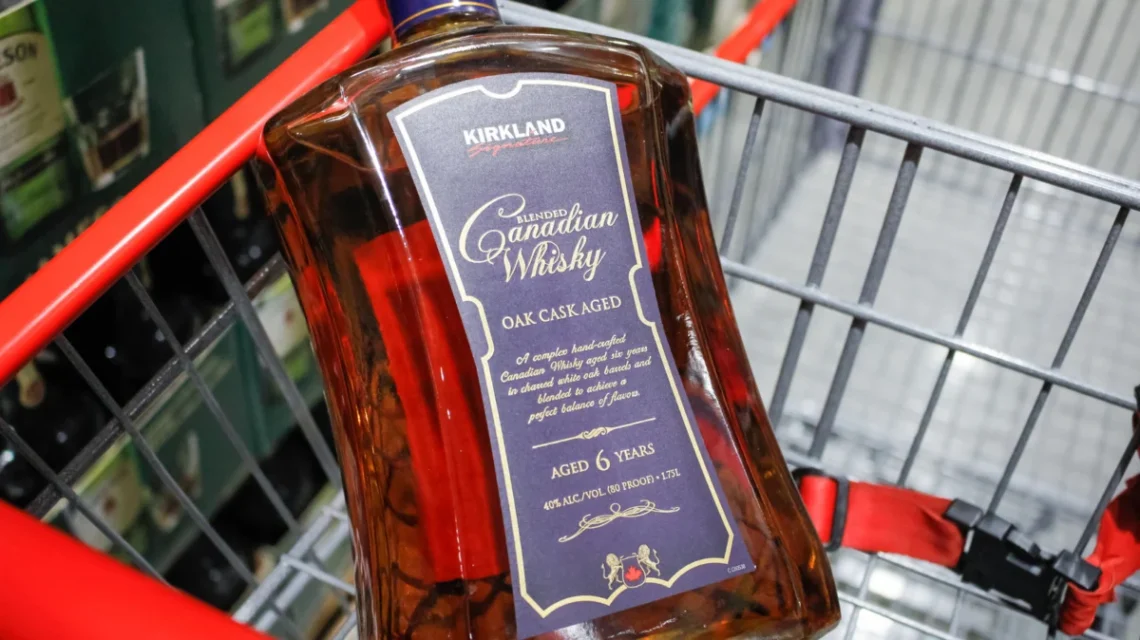
WASHINGTON — In the sprawling landscape of warehouse retail, few phenomena command the cult-like devotion of Costco’s private-label brand, Kirkland Signature. From artisanal cheeses to premium olive oils, the multinational big-box retailer has mastered the art of white-label luxury, offering products that routinely rival, and sometimes outperform, their name-brand counterparts. Among the most popular and debated entries in this stable is the Kirkland Signature Canadian Whisky—a budget-friendly staple that has quietly captured the imagination of casual drinkers and home bartenders alike.
Sold in imposing 1.75-liter bottles at a fraction of the cost of legacy brands, this oak-aged spirit has sparked endless internet sleuthing, lively dinner-party debates, and a newfound appreciation for Canada’s understated distilling traditions. But beyond the value proposition and the persistent rumors of its high-profile origins, the real story of Costco’s Canadian whisky is how it performs where it counts: in the glass.
Main Facts: Anatomy of a Warehouse Icon
The Kirkland Signature Canadian Whisky is not merely a novelty item designed to fill shopping carts during pre-holiday rushes; it is a meticulously crafted spirit that adheres to the strict legal traditions of Canadian distillation.
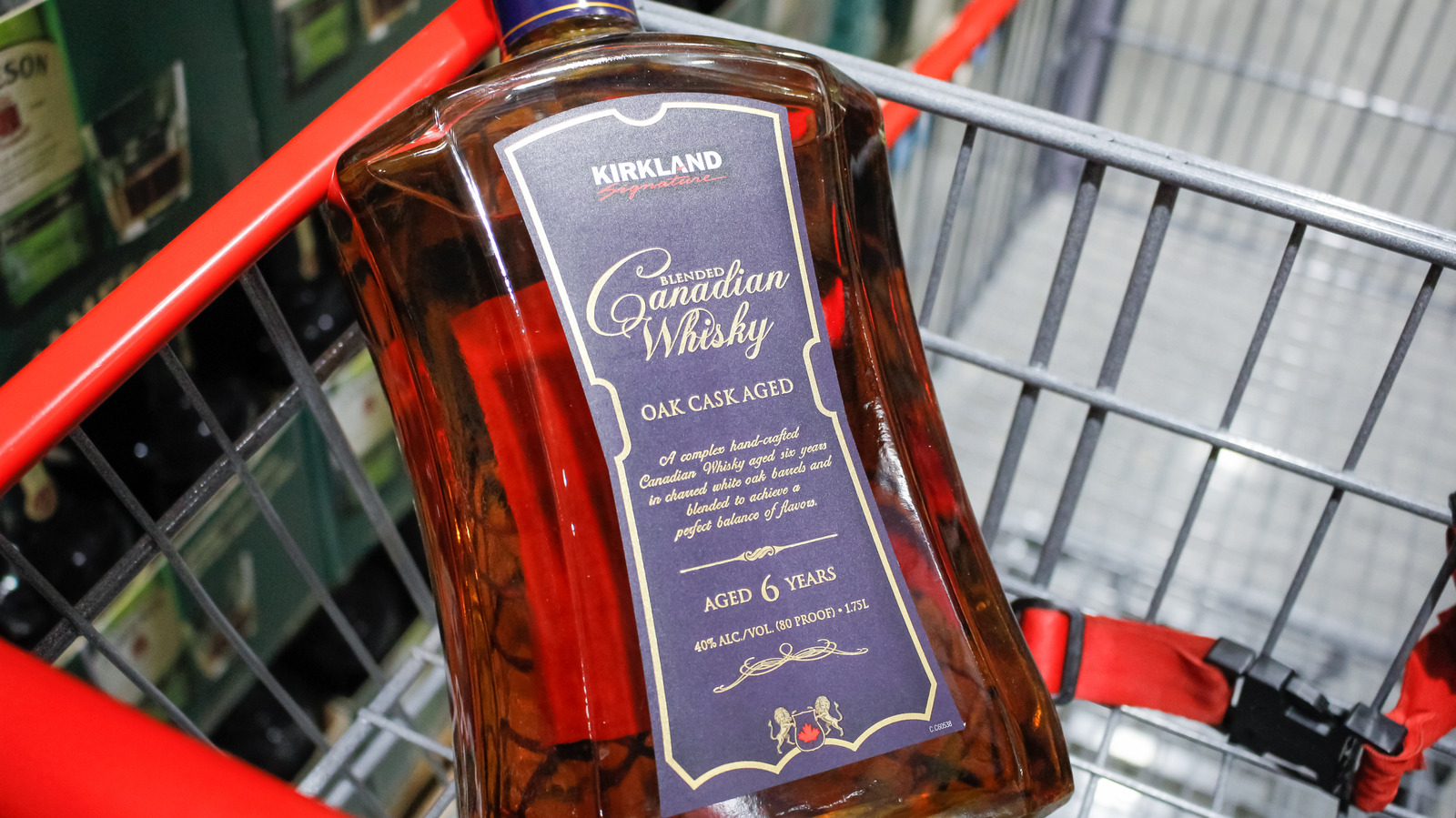
- The Specifications: Bottled at a standard 40% Alcohol By Volume (ABV) and sold exclusively in massive 1.75-liter flagons, the whisky spends six years aging in oak casks before it ever reaches warehouse shelves.
- The Flavor Profile: Characteristic of the Canadian style, the Kirkland expression offers a remarkably smooth, mildly sweet, and light flavor profile. However, it carries a slightly bolder, more pronounced kick than industry giants like Crown Royal—a subtle bite that actually works to its advantage when paired with mixers.
- The Pricing and Availability: As one of the most affordable whiskey options on the market, it represents an exceptional value, making it a low-risk, high-reward purchase for anyone looking to stock a home bar without breaking the bank.
- The Mystery: While unconfirmed by corporate representatives, industry whispers and flavor comparisons have long suggested that the liquid is sourced from some of Canada’s most prolific and celebrated distilleries.
Chronology: The Rise of Kirkland Spirits
To understand how a wholesale club brand became a player in the craft cocktail conversation, it helps to examine the evolution of private-label alcohol over the last two decades.
- Early 2000s: Costco expands its Kirkland Signature private label aggressively, shifting focus from basic household goods to gourmet foods and alcoholic beverages. Early offerings are modest, focusing primarily on basic wines and light beers.
- 2010s: As the craft cocktail renaissance takes America by storm, consumer palates become more sophisticated. Shoppers begin demanding higher quality from value brands. Costco responds by introducing aged spirits, including bourbon, scotch, tequila, and Canadian whisky, partnering with undisclosed legacy distilleries to produce high-grade liquids.
- Late 2010s to Pandemic Era: Social media platforms like TikTok, Instagram, and Reddit become hotbeds for Costco content. Food and beverage creators begin "blind tasting" Kirkland spirits against premium bottles, frequently noting that the Kirkland Canadian Whisky holds its own in mixed drinks.
- Present Day: The 1.75-liter bottle has cemented its status as a staple for home entertainers. Recognizing its versatility, mixologists and home bartenders begin developing specific recipes tailored to the whisky’s unique balance of smoothness and spicy kick, moving it far beyond the simple "whisky and cola" default.
Supporting Data: The Economics and Appeal of Private-Label Liquors
The success of Kirkland Signature Canadian Whisky is underpinned by broader shifts in consumer behavior and retail economics. According to retail market analysts, private-label brands have shed their "cheap and inferior" stigma, evolving into trusted alternatives during periods of economic tightening.
- Cost Efficiency: A standard 750ml bottle of a premium Canadian whisky can easily cost upwards of $30 to $40. In contrast, Costco’s 1.75-liter bottle—yielding more than double the volume—often retails for roughly half the per-ounce price of name-brand competitors.
- The Blending Standard: Canadian whisky laws dictate that the spirit must be mashed, distilled, and aged in Canada for a minimum of three years in wood barrels. Costco’s six-year aging process doubles this statutory minimum, giving the liquid a deeper, more mature wood influence than many competing budget brands that rely on the three-year floor.
- Mixability Metrics: Blind-taste panels conducted by various culinary publications consistently note that while high-end sipping whiskies can be lost or overpowered in complex cocktails, mid-tier spirits with a distinct flavor profile—such as the Kirkland expression’s oaky backbone and light sweetness—act as ideal "blank canvases" for high-volume entertaining.
Official Responses and Industry Reception
While Costco is notoriously tight-lipped about the exact supply chains and contract distilleries behind its Kirkland Signature alcohol line—often citing proprietary agreements and non-disclosure clauses—industry insiders have plenty to say.
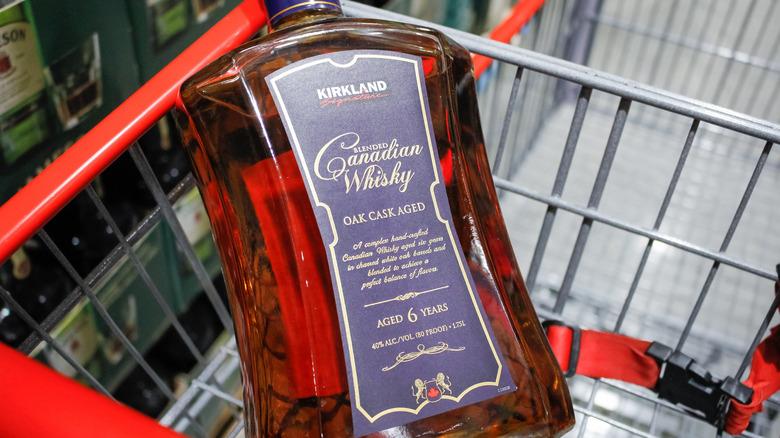
Distillation experts note that Canada’s whisky industry is dominated by a handful of massive, historic production houses capable of producing millions of liters of uniform, high-quality spirit. When a retailer of Costco’s scale places an order for a private-label Canadian whisky, only a select few facilities possess the storage capacity and aging stock to fulfill it.
"The liquid inside that bottle is undeniably professional," says Marcus Vance, a beverage director and spirits educator based in Chicago. "You can’t fake six years in an oak barrel. Whether it’s coming from Alberta, Ontario, or Quebec, it respects the traditions of Canadian blending. It’s light, it’s clean, and most importantly, it doesn’t taste like harsh grain alcohol. That’s why professionals aren’t afraid to use it as a base."
Implications: Elevating the Home Bar Without the Markup
The enduring popularity of Costco’s Canadian whisky carries broader implications for the spirits industry and the everyday consumer. It signals a democratization of mixology, proving that crafting a sophisticated, multi-dimensional cocktail does not require raiding a specialty liquor store or spending a week’s grocery budget on rare bottles.
Because the Kirkland spirit bridges the gap between smoothness and a robust spice profile, it opens up a wide array of cocktail applications that require zero professional bar equipment—no shakers, no strainers, just good ingredients and a willingness to experiment.
1. The Pre-Prohibition Manhattan
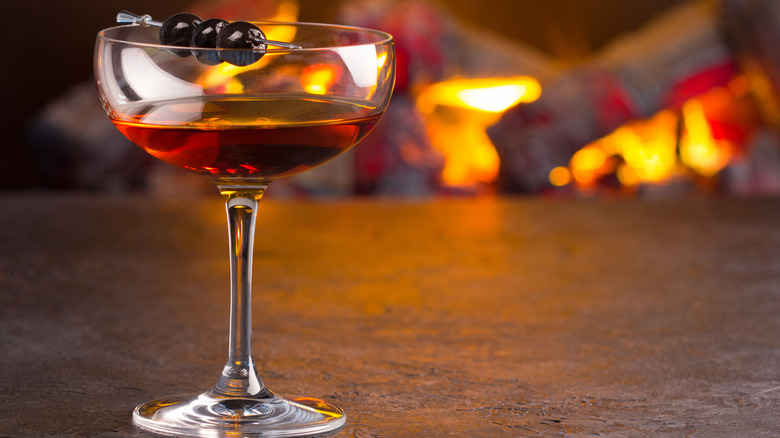
A Manhattan traditionally calls for a bold whiskey—typically a spicy rye or a robust bourbon—to cut through the rich sweetness of sweet vermouth. The Kirkland Canadian Whisky delivers a surprisingly apt structural framework for this 19th-century classic.
- The Build: Pour the whisky over ice with a quality sweet vermouth (such as Cocchi Vermouth di Torino or an experimental Spanish sherry-based vermouth), add a few dashes of Angostura bitters, stir briskly, and strain into a chilled glass. The spirit’s measured kick prevents the drink from becoming cloying, resulting in a balanced, sophisticated sipper.
2. The Boozy Root Beer Float (Adult Dessert)
Cocktail-making can occasionally lean too far into seriousness. For a playful, nostalgic twist, the herbal-caramel tasting notes of root beer form an instantaneous bond with Canadian whisky.
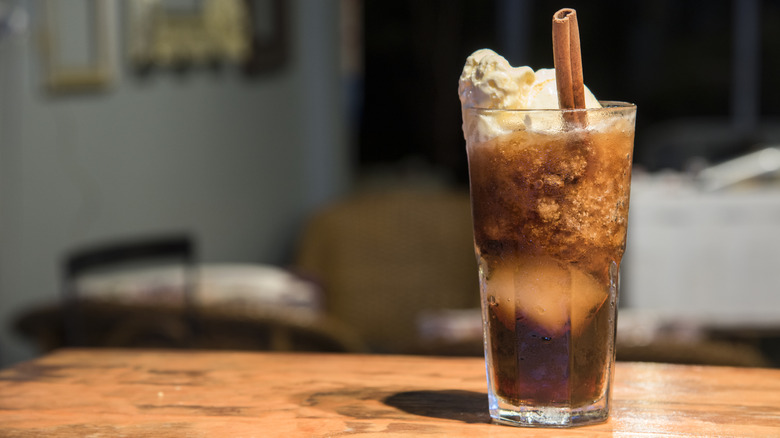
- The Build: Freeze a serving glass and a scoop of vanilla ice cream. Add a shot of the Kirkland whisky, fill the rest of the glass with root beer, and crown it with the ice cream. To elevate the drink further, a few drops of cherry or orange bitters can cut through the dairy richness, creating a decadent, adult-skewing dessert cocktail.
3. The Refined Rye and Ginger
Canada’s unofficial national highball is the rye and ginger. The mild sweetness and oak influence of the Kirkland bottle make it a prime candidate for this refreshing template.
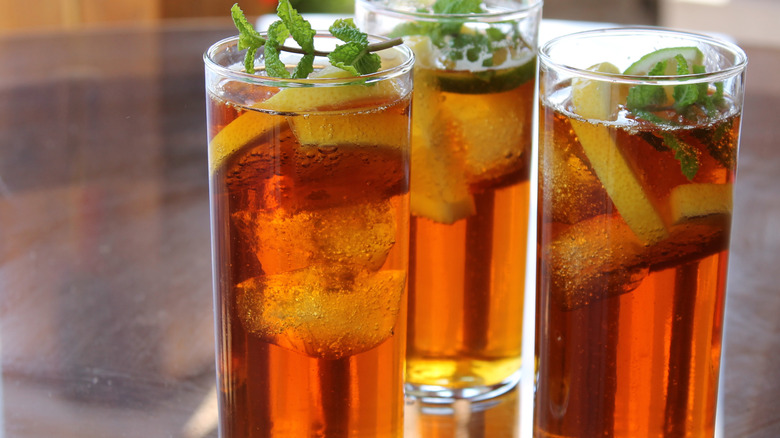
- The Build: Fill a highball glass with ice, pour in a quarter-can of quality ginger ale, and top with a generous measure of the whisky. To break the monotony, bartenders recommend adding a squeeze of fresh lime juice, a splash of tart cranberry juice for a vibrant hue, or a complex fruit liqueur like apricot or pomegranate.
4. The Old-School "Rusty Nail"
Once a favorite of mid-century icons like the Rat Pack, the rusty nail is a study in minimalism, relying on just two ingredients: whisky and Drambuie, a Scottish liqueur crafted from heather honey and spices.
- The Build: Stir the Kirkland whisky and Drambuie together over ice. While a smoky Scotch is the traditional base, the spiced profile of the Canadian whisky integrates seamlessly with the honeyed, herbal sweetness of the liqueur. It is easily batched for parties, allowing guests to adjust the ratio to their exact preferences.
5. The Comforting Hot Toddy
Given Canada’s reputation for unforgiving winters, it is only fitting that its national spirit shines in hot applications. The mixologist-approved choice for a hot toddy is a smooth, light whisky that won’t overwhelm the delicate balance of aromatics.
- The Build: Combine the whisky in a warm mug with hot water, a spoonful of honey (or rich maple syrup to honor the Canadian provenance), a cinnamon stick or clove, and a bright wheel of lemon. The resulting drink is fragrant, warming, and endlessly customizable with chai tea bags or allspice drams.
Conclusion: A Warehouse Staple That Earns Its Keep
Ultimately, Costco’s Kirkland Signature Canadian Whisky transcends the novelty of being "cheap warehouse booze." By offering a well-aged, versatile spirit that respects the historical boundaries of Canadian distillation, Costco has provided home bartenders with an invaluable tool. Whether it is anchoring a sophisticated pre-dinner Manhattan, sweetening a nostalgic root beer float, or warming the spirit in a late-night toddy, this unassuming 1.75-liter bottle proves that luxury and value are not mutually exclusive—so long as you know how to pour it.