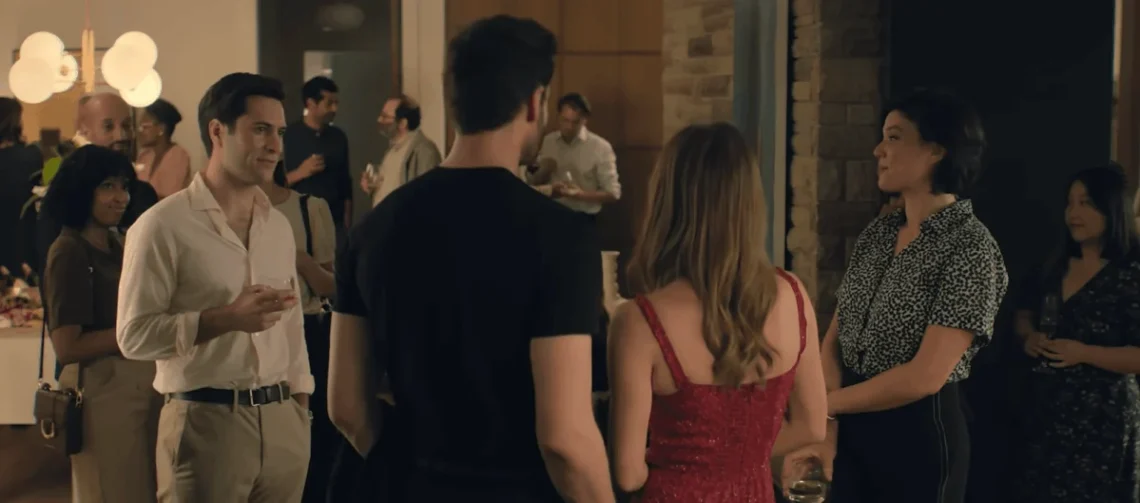
Since its release on Prime Video on September 23, the film adaptation of Ali Hazelwood’s viral sensation The Love Hypothesis has sparked an intense, polarized debate among the "BookTok" community. While the film captures the core premise—the precarious, chemistry-laden fake-dating arrangement between PhD candidate Olive Smith (played by Lili Reinhart) and the perpetually grumpy, brilliant professor Adam Carlsen (Tom Bateman)—it takes significant creative liberties that have left purists reeling and new viewers intrigued.
For those who devoured the novel, the cinematic experience feels less like a direct translation and more like a reimagining of the source material. As audiences parse through the changes, it becomes clear that the production team made deliberate choices to streamline the narrative, though these decisions fundamentally alter the character dynamics and the emotional stakes of the story.
The Core Premise: A Romantic Formula
At its heart, The Love Hypothesis remains a quintessential "enemies-to-lovers" and "fake-dating" romp. The narrative centers on Olive and Adam, two academics who enter a mutually beneficial arrangement: Olive needs to convince her friends she has moved on from a past relationship, and Adam needs to signal to the university that he is settled so he can secure his tenure.
In both mediums, the tension is palpable. However, the path the movie takes to resolve that tension—and the obstacles it places in the protagonists’ way—deviates sharply from the source text. Here is an in-depth breakdown of the major shifts in the adaptation.
1. The Erasure of Dr. Holden Rodrigues
Perhaps the most jarring change for book readers is the total omission of Dr. Holden Rodrigues. In the novel, Holden acts as a critical foil to both Adam and Tom. He serves as a bridge, providing emotional context to the academic environment and eventually entering into a relationship with Malcolm.
By removing Holden entirely, the film narrows its focus to a strictly binary conflict between Adam and Tom. While this streamlines the plot, it strips the story of a layer of academic camaraderie and secondary relationship development. Holden’s absence creates a void where the ensemble nature of the lab—a hallmark of the book’s charm—feels slightly more isolated. It shifts the weight of the story almost exclusively onto the shoulders of the two leads, leaving the surrounding cast with less narrative agency.
2. The Expanded (and Infuriating) Role of Tom Benton
If Holden was cut, Tom Benton was clearly elevated. The movie grants Tom a significantly larger presence, suggesting that the screenwriters may have folded some of Holden’s functions into Tom’s character arc.
In the novel, Tom’s involvement is relatively contained. He visits Stanford, travels to Boston with Adam, and remains a distinct, albeit antagonistic, force. The movie, however, places him in positions that heighten the conflict. Most notably, the scene where Tom confronts Olive about her research is moved from the relative privacy of Adam’s apartment to a public academic setting in front of faculty.
The shift is intended to heighten the "ick" factor, and it succeeds. The public humiliation makes the scene agonizing to watch, serving as a catalyst for the audience to root for Adam’s intervention. While it is a narrative choice designed for maximum dramatic impact, it fundamentally alters the power dynamics of the scene, turning a private academic disagreement into a public spectacle.
3. Malcolm’s Downward Spiral
Malcolm, a fan-favorite character in the book, undergoes a tragic transformation on screen. In the original text, Malcolm stays in school, maintains his academic trajectory, and finds stability through his connection with Holden.
The film chooses a much darker path. In the adaptation, Adam—acting with a cold, professional detachment—kicks Malcolm off the research team. This leads to a domino effect: Malcolm loses his funding, is cut off by his parents, and ultimately drops out of school. This change raises questions about the characterization of Adam Carlsen. In the book, Adam is a "grumpy" mentor who eventually softens; in the movie, his decision to terminate Malcolm’s career feels far more ruthless, coloring the viewer’s perception of his empathy.
4. Subverting the Fake-Dating Conclusion
Fake dating is a trope that relies heavily on the "breakup" moment to catalyze the realization of true feelings. In the novel, it is Olive who decides to end the charade. This moment of agency is crucial to her character development; she takes control of the situation to protect her own heart.
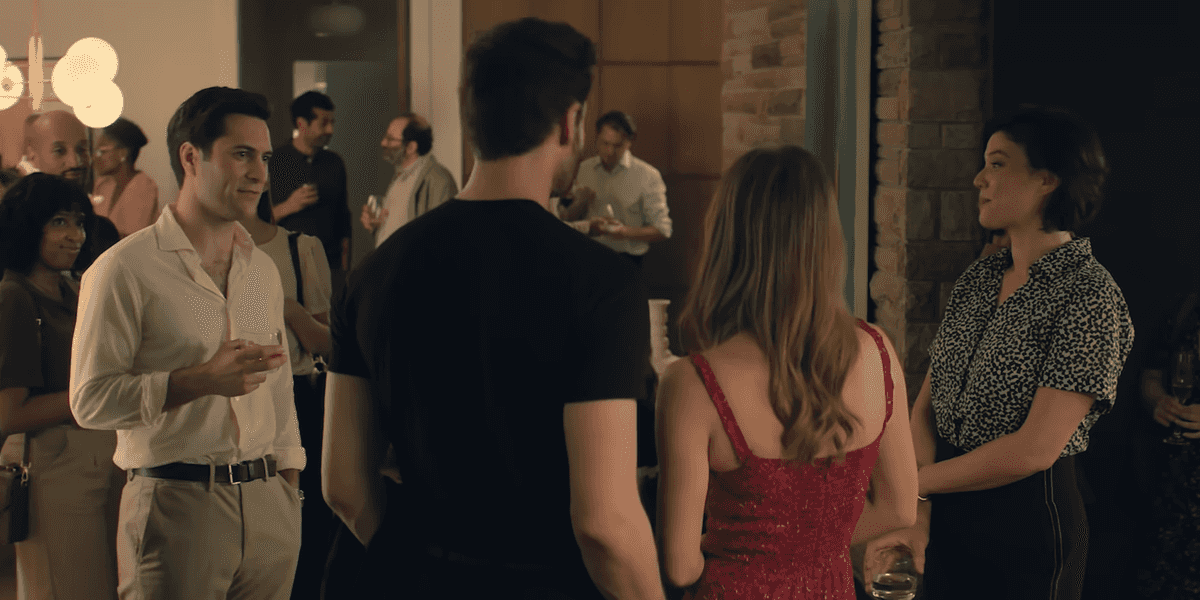
The movie flips this entirely. In the film, it is Adam who breaks things off, operating under the paternalistic—and arguably misguided—notion that he is helping Olive focus on her career. This removes a critical layer of Olive’s growth. Furthermore, the film discards a significant plot point from the book: the revelation that Adam had a long-standing crush on Olive well before their fake-dating scheme began. By removing this, the movie loses the "long-game" romance that made Adam’s devotion in the book feel so profound.
5. The Showdown: A Shift in Agency
The final confrontation between Adam and Tom is the climax of both stories, yet the mechanics are starkly different. In the book, the confrontation is a testament to Olive’s intelligence and bravery. She records Tom’s harassment, shares it with her inner circle, and directly confronts him before Adam steps in to defend her—quite literally—with his fists.
The movie opts for a more digital, passive approach. Anh (Olive’s friend) informs Adam of the harassment, and Adam confronts Tom during a lecture, which Olive witnesses via an Instagram live feed. This change is arguably the most controversial. By having Olive watch the confrontation from a screen rather than participating in the direct dismantling of her harasser, the film diminishes her role in her own justice. While the "rescue" is dramatic, many fans of the book feel it undermines the agency Olive possessed in the original text.
Implications of the Adaptation
The changes made to The Love Hypothesis reflect a broader trend in book-to-screen adaptations: the preference for heightened, externalized conflict over internal character growth. By streamlining the cast and centralizing the drama around public confrontations, the production team has successfully created a "bingeable" Prime Video experience that leans into melodrama.
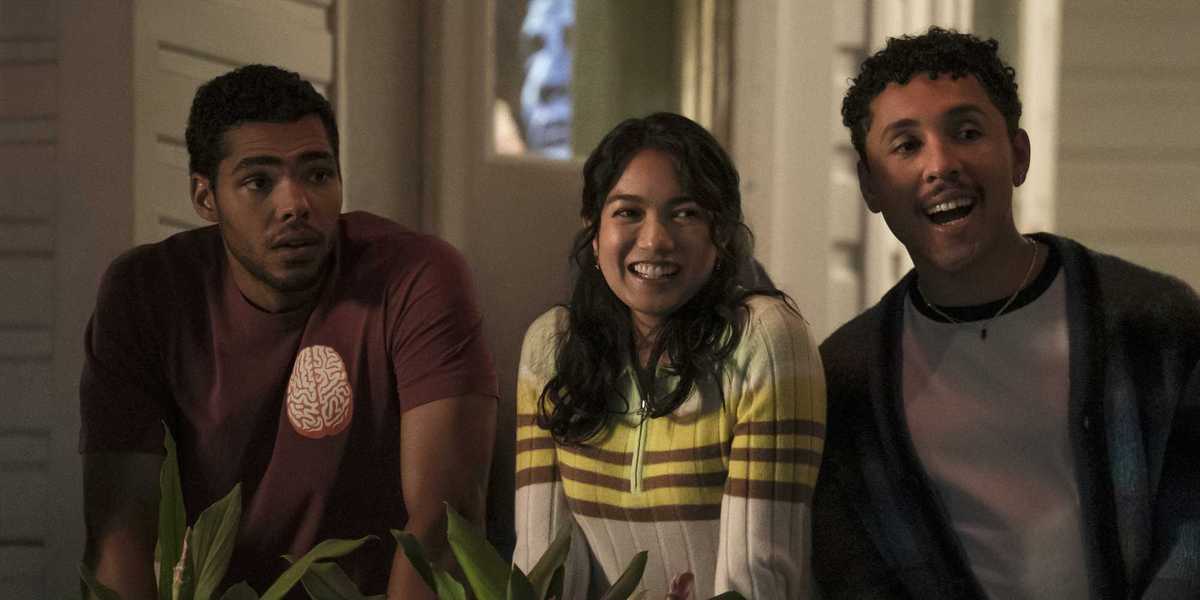
However, these choices have implications for the longevity of the IP. By stripping away the nuance of the academic world and the specific agency of the protagonist, the film risks alienating the very fanbase that made the book a bestseller. The "grumpy-sunshine" dynamic remains, but it lacks the grounded, supportive foundation provided by the supporting cast in the novel.
Official Responses and Audience Reception
To date, the production team has defended the changes as necessary concessions for the medium of film. Adapting a novel—which allows for internal monologues and slow-burn character development—into a two-hour visual experience requires cutting subplots that would otherwise bloat the runtime.
Nonetheless, the audience reaction has been a case study in modern fandom. Social media platforms are currently flooded with "Book vs. Movie" threads. While some casual viewers appreciate the tighter pacing and the increased tension, the consensus among long-time readers is that the film captures the aesthetic of the book while missing its soul.
Conclusion
Whether you view the adaptation as a necessary streamlining or a disappointing dilution, one thing is certain: The Love Hypothesis has solidified its place in the pop-culture lexicon. As we look toward the future of BookTok-inspired cinema, this adaptation serves as a reminder that the transition from page to screen is never just about plot—it is about preserving the spirit of the characters who resonated with millions of readers.
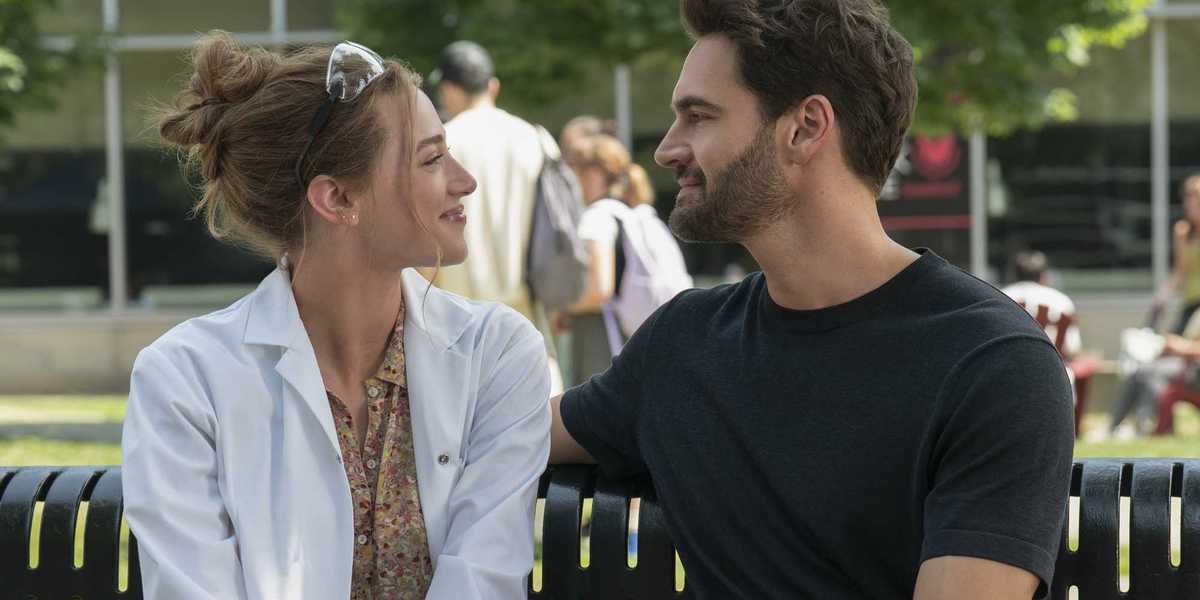
For those who haven’t yet dived into the source material, the book remains a deeper, more satisfying exploration of academic ambition and romance. For those who have, the Prime Video adaptation stands as a curious, if somewhat divisive, alternative version of a story we thought we knew by heart.