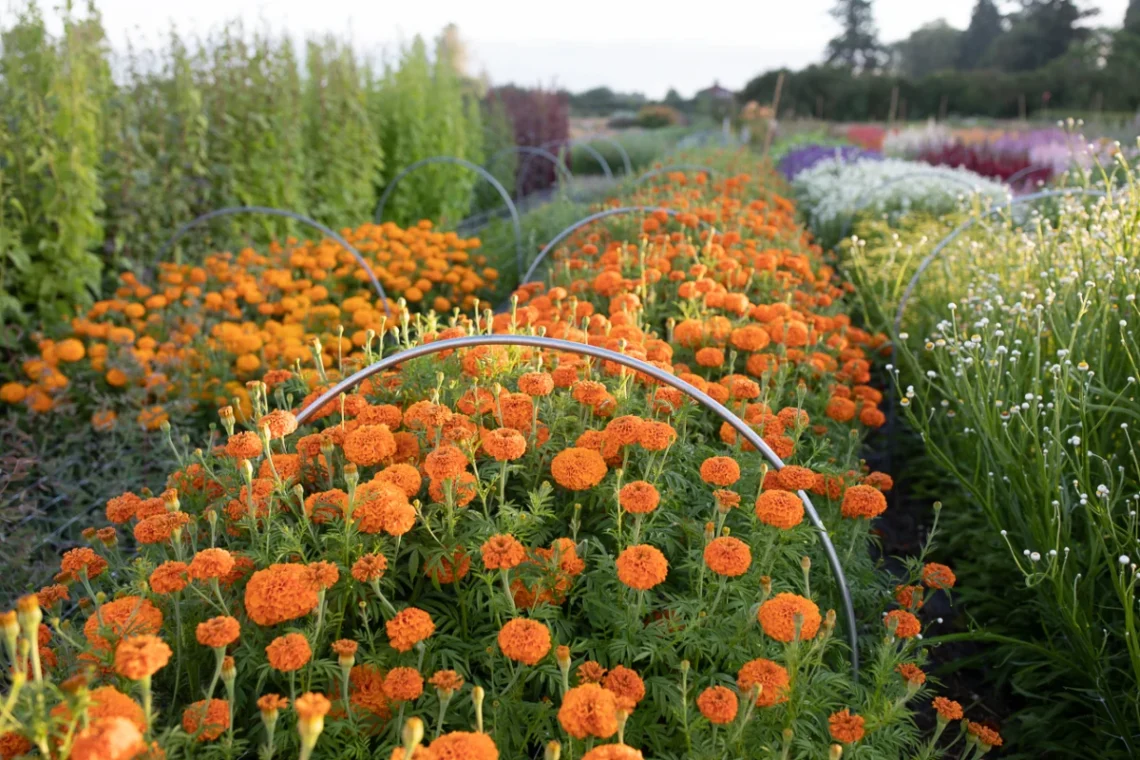
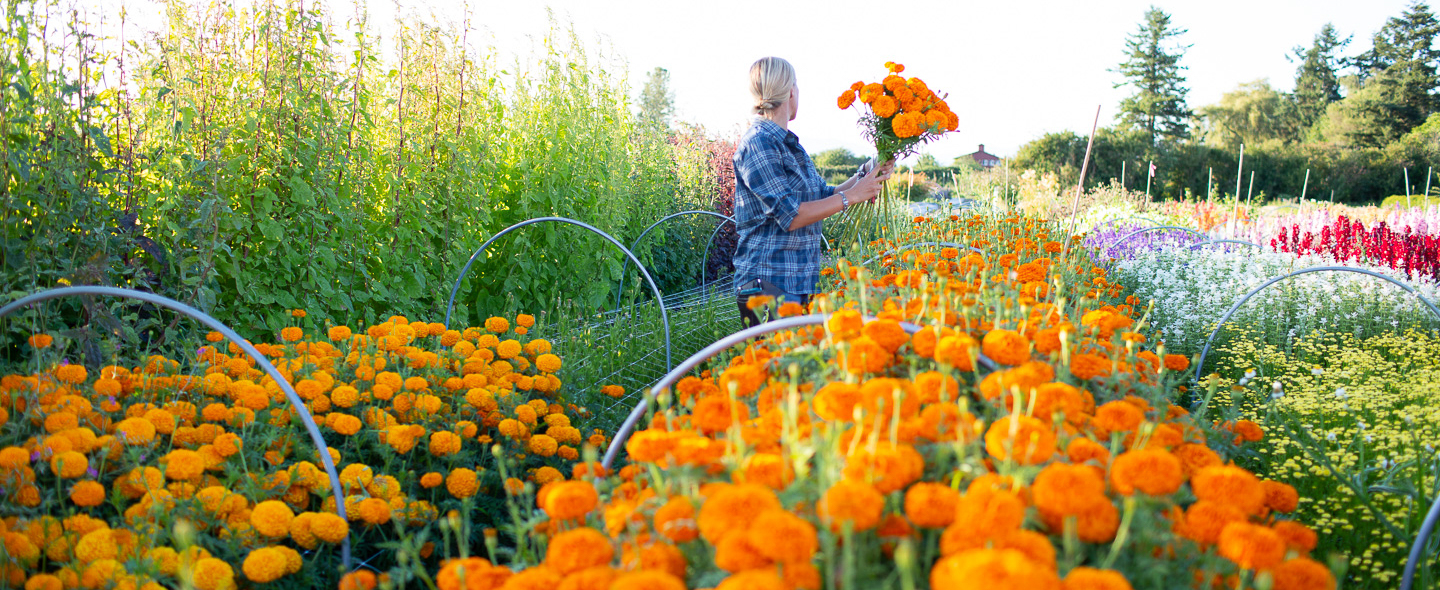
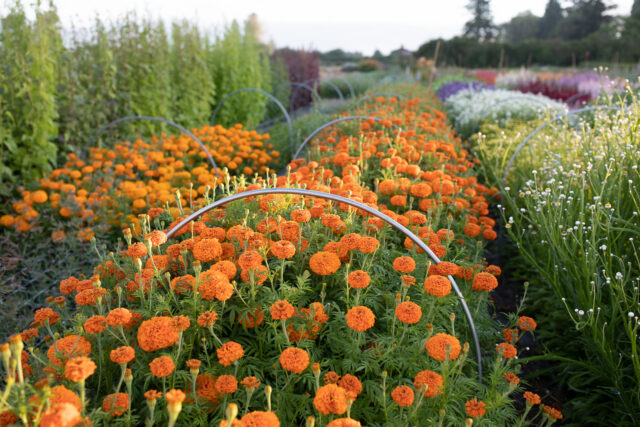
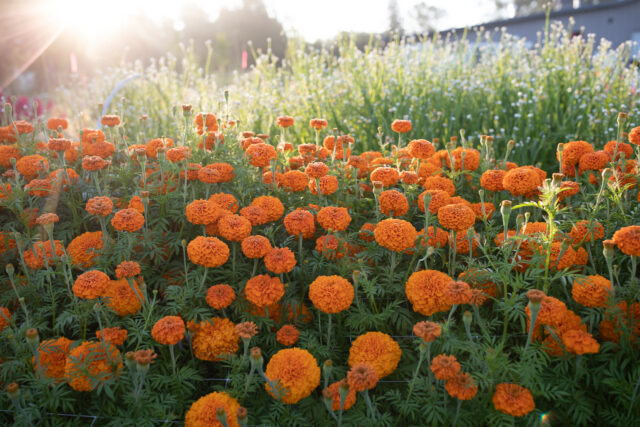
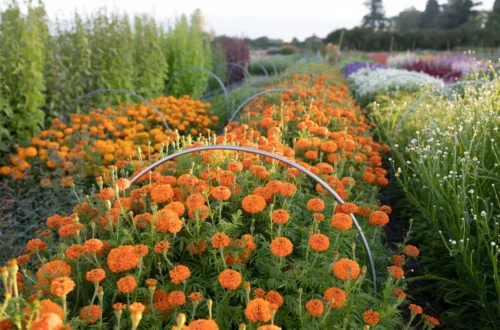
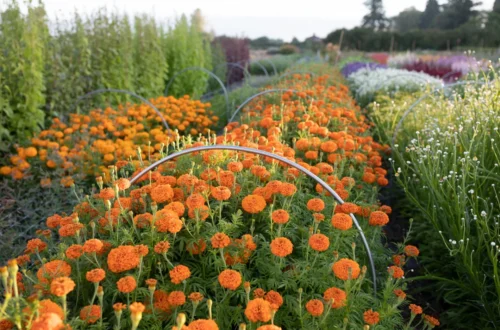
As the autumn chill begins to settle over agricultural landscapes and standard summer blooms succumb to the elements, one resilient flower steps into its prime: the marigold. Long celebrated for their hardiness, heat tolerance, and vibrant coloration, marigolds (Tagetes species) defy the seasonal transition. While other annuals fade and tatter, the marigold patch remains a beacon of saturated yellows, deep oranges, rich reds, and complex bicolors.
Horticulturalists and flower farmers increasingly recognize marigolds not merely as traditional companion plants for vegetable gardens, but as powerhouse additions to the cut-flower industry. These tender annuals are remarkably low-maintenance, thriving from midsummer straight through the first hard frost. Their botanical diversity spans a wide spectrum: plant sizes range from compact, 10-inch containers varieties to towering, shoulder-high specimens that reach over 30 inches by the end of the season. Bloom sizes are similarly varied, stretching from penny-sized blossoms to magnificent flowers as large as the palm of a hand.
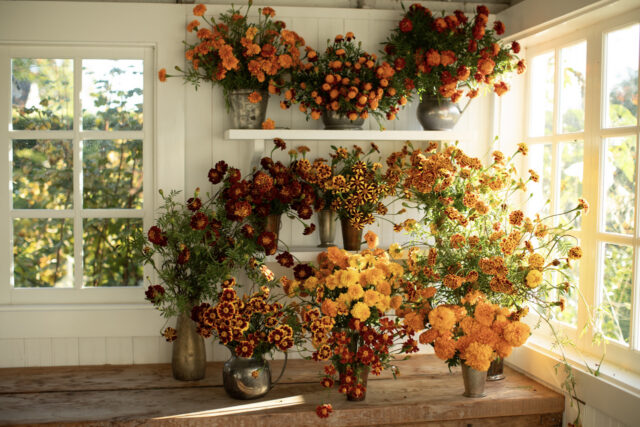
Beyond their ornamental value in garden beds, pots, and mixed bouquets—where they boast a reliable vase life of seven to ten days—marigolds possess versatile utility. Their sturdy structures make them ideal for traditional garlands and leis, their aromatic foliage functions as natural dye sources, and several varieties produce edible petals.
Chronology
Understanding the lifecycle and seasonal management of marigolds is crucial for successful cultivation, whether managing a commercial flower farm or a backyard container garden:
Late Winter to Early Spring (4 to 6 Weeks Pre-Frost): Propagation begins indoors. Seeds are started in trays 4 to 6 weeks before the anticipated final spring frost date to ensure strong early growth.
Late Spring (Post-Frost): Once all danger of frost has officially passed and soil temperatures have risen, hardened-off seedlings are transplanted directly into garden beds, borders, or large pots. Direct-seeding is also viable once the weather is consistently warm.
Midsummer: Plants establish their root systems and begin abundant flowering. Continuous deadheading and monitoring for height development take place. Taller varieties may require staking or corralling to prevent toppling under the weight of heavy blossoms.
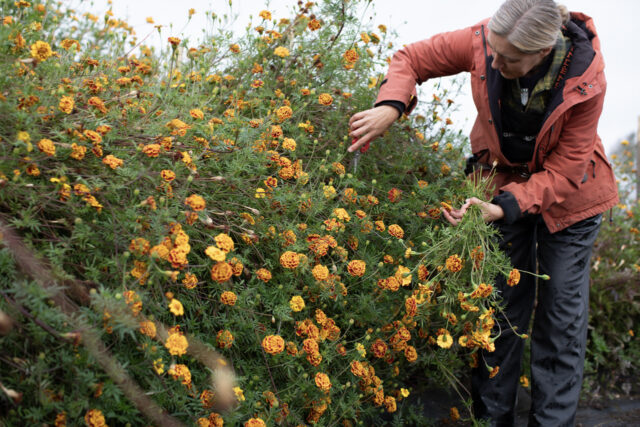
Late Summer to Early Autumn: Stems stretch significantly on many varieties, making them viable for commercial harvesting. Flowers open in succession, stair-stepping up the stems. Lower, tattered blooms are stripped away to prepare stems for professional floral design.
Autumn through First Frost: Marigolds reach peak visual performance, providing vibrant autumn color while other crops fail. Harvesting continues until the final frost terminates the plants.
Supporting Data & Horticultural Classifications
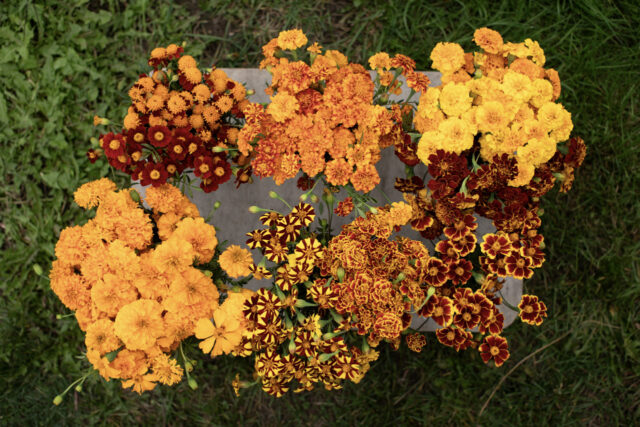
Marigolds are broadly categorized into three primary horticultural groups: African, French, and Gem/Signet marigolds. Extensive field trials have revealed distinct performance metrics across these categories:
1. African Marigolds (Tagetes erecta)
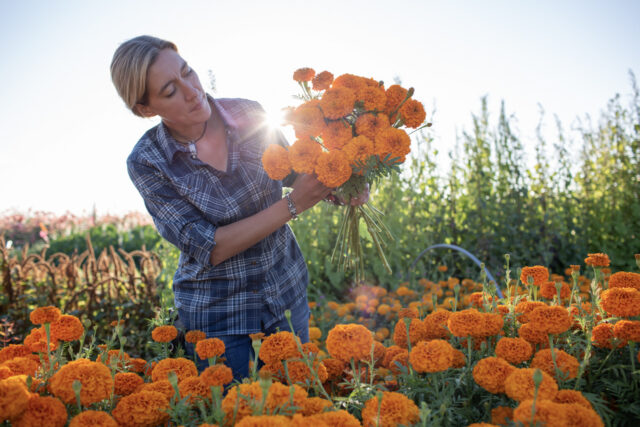
Characterized by large, exceptionally long-lasting blooms and sturdy structures, African marigolds are historically favored for heavy-duty floral applications like leis and market bouquets.
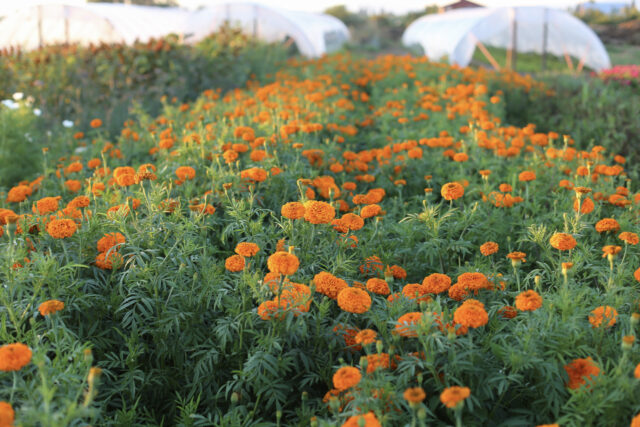
‘Giant Orange’: Produces 6 to 10 long, strong, branching stems topped with glowing saffron-colored, super-ruffled blooms featuring tight green centers and scented, lacy foliage.
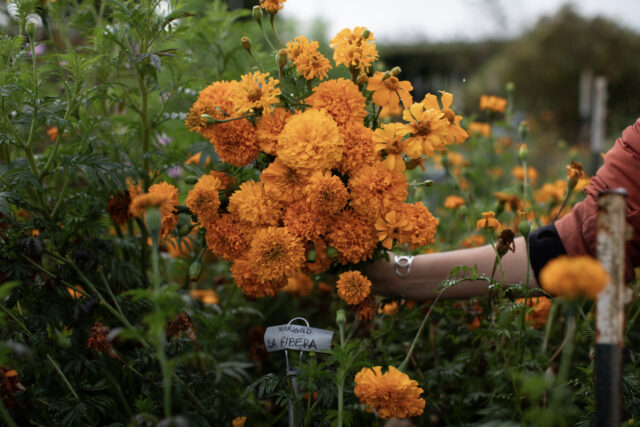
‘La Ribera’: Features massive, fuzzy tangerine flowers in various forms (double, semi-double, single, and occasionally petal-less). While too inconsistent for strict cut-flower production, its vigorous, oversized plants make it a standout ornamental garden choice.
2. French Marigolds (Tagetes patula)
French marigolds offer complex bicolor patterns and compact growth habits, making them exceptional for borders and containers, though stem lengths require careful management.
‘Dainty Marietta’: A petite variety featuring small, single, yellow flowers with dark burnt-red centers. Ideal for pots.
‘Fireball’: Showcases a striking combination of blackish-red and burnt-orange blossoms on bushy, compact plants. Grown primarily for intense color rather than cutting.
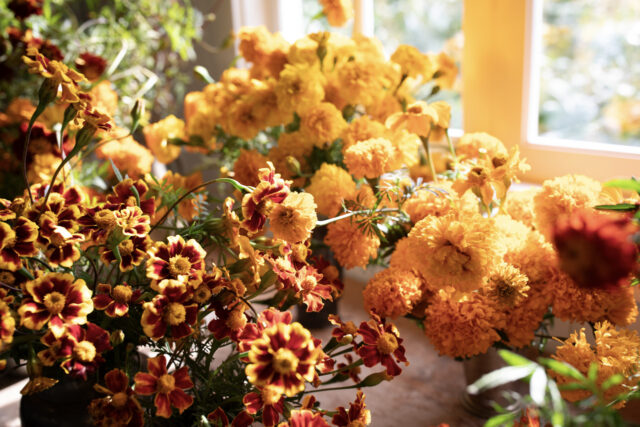
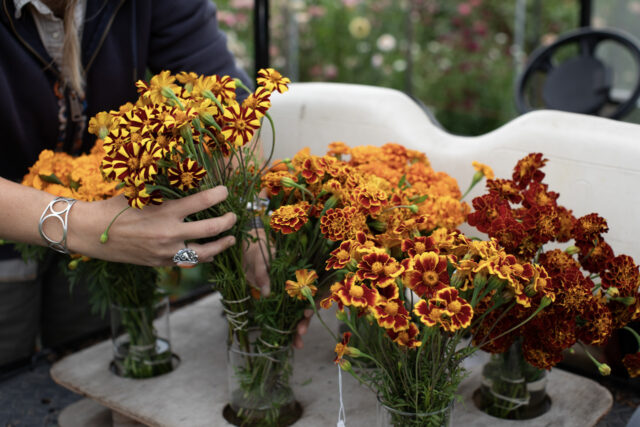
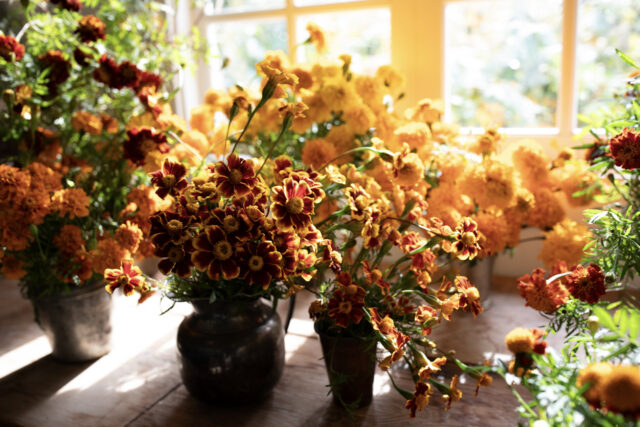
‘Harlequin’ (or ‘Court Jester’): An heirloom variety yielding medium-sized, maroon-and-gold striped single blooms on airy, branching stems that perform wonderfully in late-season arrangements.
‘Naughty Marietta’: Wildflower-like single gold flowers with burnt-red markings. Thrives in containers and yields usable stems late in the season.
‘Strawberry Blonde’: A compact bedding plant displaying stunning rust, buttercream, and peach tones. Despite various pinching and spacing trials, stems remain too short for professional cutting, but it excels in container gardening.
‘Tiger Eyes’: A novelty variety featuring golden-orange fuzzy centers surrounded by short burgundy petals, reaching approximately 2 feet by autumn.
3. Peace Seedlings Introductions
Bred by Mario and Dylana Kapuler of Oregon’s Peace Seedlings (continuing work originated by Dylana’s parents at Peace Seeds), these innovative varieties are crosses between French and African marigolds. They combine French-derived color palettes and smaller flower dimensions with the robust growth habits, height, and long stems of African types.
‘Burgundy Bliss’: Deep rusty-red double flowers outlined in glowing golden-orange on tall, heavily branching stems with strong side buds.
‘Frances’s Choice’: A standout variety featuring medium-sized, single, rusty-red blooms edged in gold on towering, densely branching, thin stems ideal for professional autumn arrangements.
‘Mushroom’s Sol’: The shortest of the Peace-bred selections, producing tangerine flowers with rich red inner stripes that elongate by season’s end.
‘Red Metamorph’: Knee-high plants bearing upward-facing single golden blooms streaked with varying saturations of red.
‘Sparkler’: Tall, heavily branching plants loaded with medium-sized golden flowers featuring central rusty-red bands.
Sunbright Mix: A bushy, tall mix featuring candy-corn-inspired colorways: sunny yellow with orange edges, and solid tangerine.
Starfire Mix: Stems reach over 30 inches, producing dozens of penny-sized blooms in red, orange, and gold bicolors.
‘Tangerine Gem’ & ‘Red Gem’: Similar to Starfire Mix but with slightly shorter stems averaging around 24 inches.
Official Perspectives & Expert Insights
Industry professionals and specialized breeders emphasize that the marigold’s agricultural value has historically been underestimated. According to veteran flower farmers and breeders, treating marigolds as mere bedding plants overlooks their sophisticated evolution through dedicated breeding programs.
"While other plants are winding down, the marigold patch is still vibrant and cheerful… Their vivid blooms make excellent natural dyes, and some are even edible," note leading agricultural observers.
Furthermore, botanical breeders like Mario and Dylana Kapuler of Peace Seedlings highlight the untapped potential of interspecific hybridization. By bridging the structural benefits of African marigolds with the chromatic brilliance of French marigolds, modern breeding has unlocked entirely new architectural forms for floral design. Designers now have access to plants that provide structural integrity, unique color bleeding, and reliable post-harvest longevity without sacrificing garden resilience.
Implications for Horticulture and Floriculture
The growing appreciation for diverse marigold cultivars carries significant implications for both home gardeners and commercial cut-flower operations:
Extended Crop Viability: For commercial growers, marigolds bridge the volatile gap between peak summer production and the onset of winter frost. Their reliable 7-to-10-day vase life ensures high market utility late in the season when floral inventory typically diminishes.
Sustainable Pest Management and Companion Planting: Beyond aesthetics, marigolds remain a cornerstone of organic agricultural practices. Their distinctive, pungent foliage contains natural compounds that deter various garden pests, making them invaluable components of integrated pest management (IPM) strategies in vegetable and flower plots alike.
Creative Floral Design Innovation: The introduction of complex bicolors, starry petals, and willow-stemmed hybrids (such as the Peace Seedlings selections) expands the palette available to floral artists. No longer restricted to stiff, formal garden borders, marigolds are stepping into high-end, hand-tied autumn arrangements, rustic centerpieces, and cultural celebrations worldwide.
As climate patterns shift and gardeners increasingly seek drought-tolerant, heat-loving flora that require minimal chemical intervention, the humble marigold stands poised for a well-deserved agricultural renaissance.