Main Facts: The Intersection of Diet, Bacteria, and Gastric Health
Stomach cancer remains one of the most formidable malignant diseases globally, heavily tied to chronic inflammation and a resilient bacterial pathogen known as Helicobacter pylori. While modern medicine relies heavily on intensive triple-drug antibiotic therapies to eradicate this persistent bacterium, a growing body of nutritional science indicates that our daily plates may hold powerful auxiliary—and sometimes preventative—weapons.
At the center of this culinary and medical crossroad is an uncomfortable truth: our dietary choices can actively fuel or suppress the mechanisms of gastric carcinogenesis. The salting, curing, and pickling of fish and meats introduce a dangerous chemical cascade. When nitrites used in preservation interact with amino acids like methionine found in animal proteins, they generate CMBA—a novel, DNA-mutating chemical compound. Furthermore, these nitrites form N-nitroso compounds, a potent class of carcinogens historically identified in cigarette smoke.
This biochemical pathway helps clarify why processed meats such as bacon, ham, hot dogs, lunch meat, and sausage are linked to elevated risks of stomach cancer. However, the hazard is not restricted to cured or processed varieties; fresh, unprocessed, and unsalted meats also share correlations with gastric risks when intersecting with internal microbial factors.
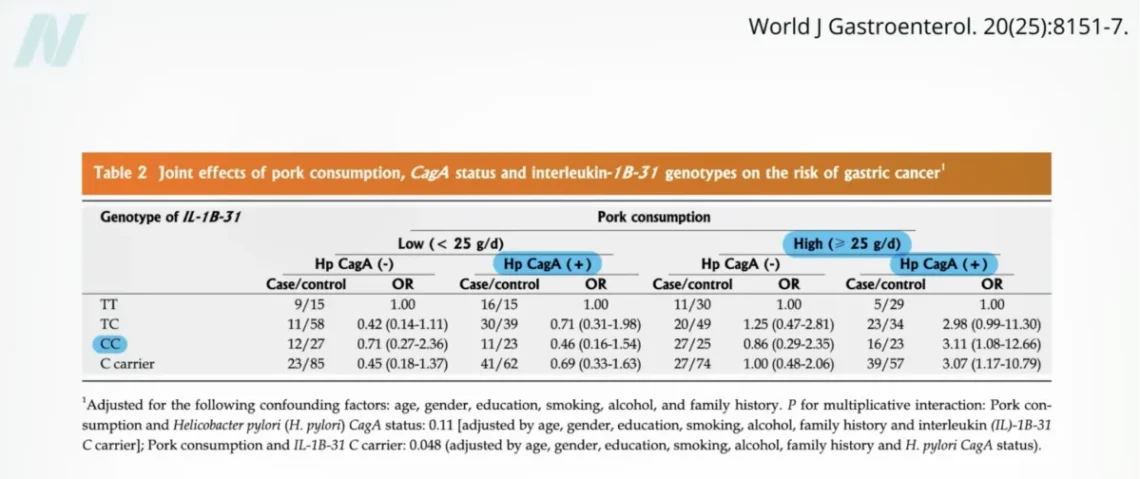
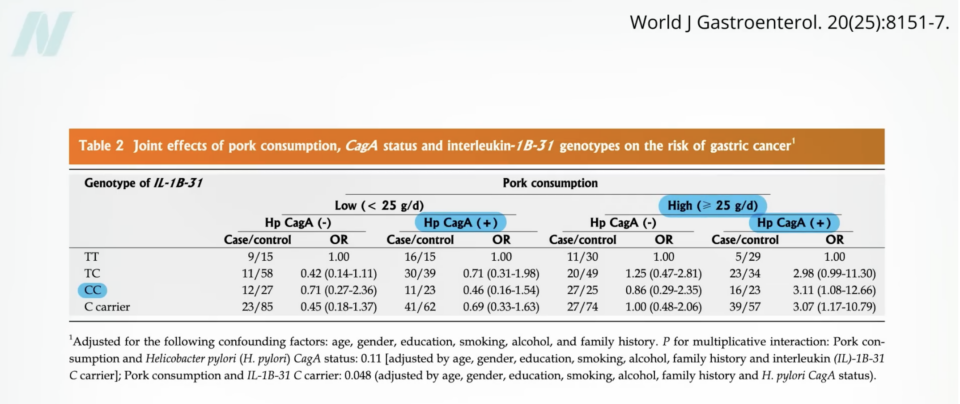
Chief among these internal factors is H. pylori, a bacterium that colonizes the human stomach lining, triggering chronic gastritis. Yet, infection alone does not tell the whole story. Research reveals a striking synergistic interaction between H. pylori-induced inflammation and specific dietary components. In studies conducted in China, researchers discovered that even genetically vulnerable individuals carrying highly pathogenic strains of H. pylori did not face an elevated stomach cancer risk unless they consumed approximately an ounce or more of pork per day. (For context, an average pork chop weighs around six ounces.)
This finding demonstrates a profound paradigm: targeted dietary choices can occasionally override genetic vulnerabilities and environmental infections. Consequently, researchers have aggressively pursued natural, food-based interventions that can suppress or eradicate H. pylori without the punishing side effects of pharmaceutical regimens.
Chronology: From Louis Pasteur to 22-Year Clinical Trials
The investigation into the antimicrobial properties of everyday foods is not a modern fad; it spans more than a century of scientific inquiry.
- Late 19th Century: Louis Pasteur is widely credited as the first researcher to formally describe the antibacterial properties found naturally within garlic and onion juices.
- 1960s: Observational studies examining Japanese migrant populations begin highlighting a compelling trend: communities with high consumption of allium vegetables (garlic and onions) exhibit a lower incidence of stomach cancer compared to those with altered diets.
- Decades Following: Dozens of epidemiological and observational studies attempt to map the protective shield of allium vegetables. However, questions regarding publication bias and reverse causation—whereby pre-existing stomach cancer symptoms cause individuals to abandon pungent, raw garlic and onions in favor of bland diets—persist in clouding clear causal links.
- Late 20th to Early 21st Century: Researchers at Johns Hopkins University and collaborating institutions pivot toward cruciferous vegetables, specifically isolating sulforaphane. Originally documented for its potent antimicrobial activity long before its detoxifying and anti-cancer mechanisms were understood, sulforaphane is tested against H. pylori.
- The 2000s and 2010s: Randomized controlled trials are initiated to move beyond petri dish observations. Most notably, a massive, multi-decade randomized, double-blind, controlled trial launches across 13 villages in China, following thousands of high-risk individuals through antibiotic interventions, antioxidant regimens, and garlic supplementation.
- 2019: The landmark 22-year update of the Chinese trial is published, assessing participants 15 years after the active trial ended. It reveals long-term mortality benefits linked to historical garlic supplementation, particularly among non-drinkers.
Supporting Data: Clinical Trials on Broccoli Sprouts and Garlic
To understand the practical application of food as medicine, one must examine the hard data derived from clinical interventions against H. pylori.
The Broccoli Sprout Intervention
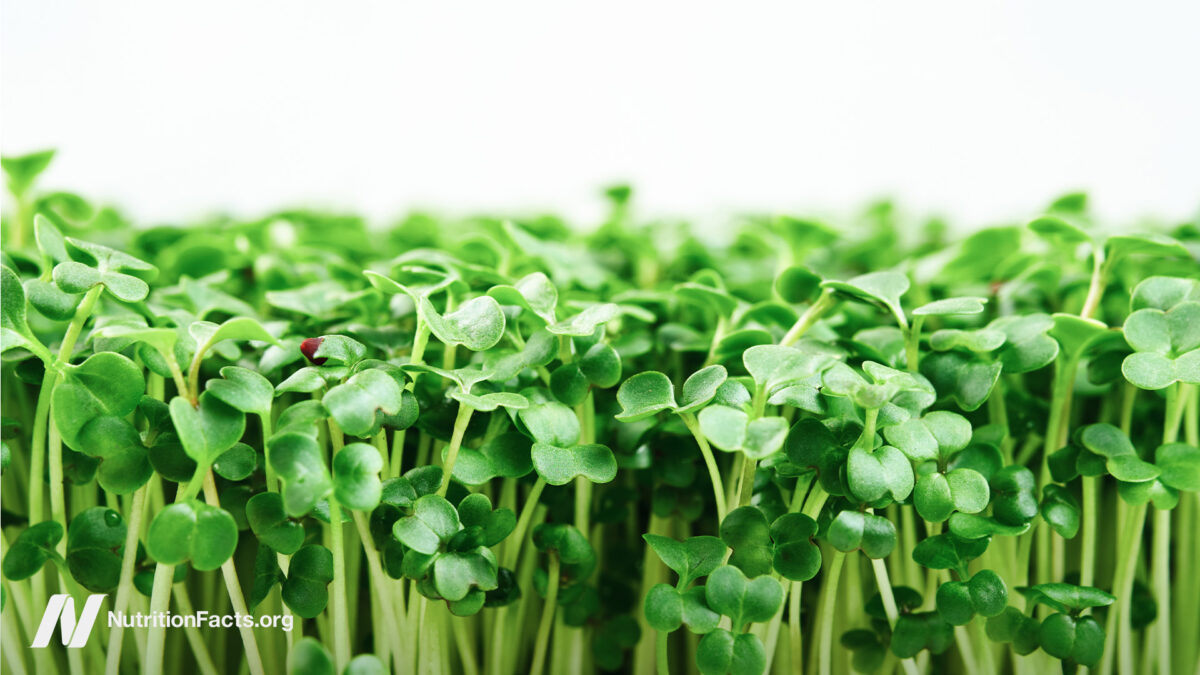
Standard triple-drug antibiotic therapy achieves approximately a 90% eradication rate for H. pylori. However, patient compliance frequently falters due to the sheer volume of pills required and severe adverse side effects. This compliance gap drove researchers to test three-day-old broccoli sprouts—a concentrated dietary source of sulforaphane.
In laboratory settings, broccoli sprout extracts successfully neutralized even antibiotic-resistant strains of H. pylori. When translated to human trials, patients consuming as little as one-third of a cup of broccoli sprouts daily for a week successfully eradicated their H. pylori infections. Furthermore, in a randomized controlled trial comparing broccoli sprouts to alfalfa sprouts, participants consuming the equivalent of two to three daily servings of broccoli via sprouts experienced significant reductions in markers denoting both H. pylori colonization and stomach lining inflammation.
While broccoli sprouts achieved an H. pylori eradication rate of 56%—lower than the 90% benchmark of heavy pharmaceutical cocktails—they present a safe, viable avenue for patients who do not meet strict clinical criteria for aggressive drug treatment. Moreover, a compilation of 22 population studies demonstrated that higher consumption of cruciferous vegetables overall is associated with a significantly lower risk of developing stomach cancer.
The Allium Family and Long-Term Trials
Garlic has similarly undergone rigorous scientific scrutiny. In petri dish assays, garlic suppresses the growth of H. pylori at concentrations easily achievable in the human stomach from consuming just a single clove, inhibiting even resistant strains.
However, translating petri dish success to human populations required robust long-term data. The intervention trial across 13 Chinese villages divided thousands of high-risk participants into cohorts receiving short courses of antibiotics, garlic supplements, or antioxidant supplements.
The data over time proved nuanced:
- Short-Term (7 Years): A brief course of antibiotics yielded a significant drop in subsequent precancerous stomach lesions. Garlic supplementation, however, showed no statistically significant benefit at the 7-year mark.
- Medium-Term (15 Years): Antibiotic therapy successfully reduced subsequent stomach cancer rates, while garlic showed only a non-significant reduction.
- Long-Term (22-Year Update, published in 2019): Participants who had taken the garlic supplements demonstrated a statistically significant reduction in their risk of dying from cancer. Interestingly, this protective mechanism appeared conditional, manifesting predominantly among non-drinkers.
Official Responses and Medical Perspectives
The medical community maintains a pragmatic, evidence-based stance regarding the integration of diet into gastric disease management.
Gastroenterologists and oncologists universally emphasize that while nutritional interventions—such as incorporating cruciferous vegetables and alliums—offer valuable risk-reduction profiles, they cannot entirely replace standard medical protocols for acute, symptomatic infections. H. pylori peptic ulcer disease and advanced gastritis carry immediate risks of perforation, hemorrhage, and malignancy that necessitate proven pharmacological interventions.
At the same time, public health organizations increasingly recognize nutritional oncology as a vital frontier. Institutions reviewing epidemiological trends acknowledge that dietary patterns heavy in processed meats and salted fish synergize negatively with microbial pathogens, prompting warnings to limit cured protein intake. Conversely, dietitians and clinical researchers point to the safety profile of foods like broccoli sprouts and garlic as exceptional adjunctive tools. Because sulforaphane and allicin operate through distinct biochemical pathways—disrupting bacterial cell walls, inducing phase II detoxification enzymes, and suppressing localized inflammation—they complement broader lifestyle and medical strategies aimed at lowering lifetime gastric cancer incidence.
Implications: What This Means for Public Health and Personal Nutrition
The intersection of microbiology, oncology, and nutrition yields several profound takeaways for everyday health:
- Diet Trumps Single Factors: The Chinese pork study illustrates that disease development is rarely a result of a single variable. Even with high genetic susceptibility and a dangerous H. pylori strain, the absence of specific dietary triggers (such as regular pork consumption above threshold amounts) can alter disease trajectories. This highlights the powerful modulatory role of daily food choices.
- A Natural Alternative for Non-Candidacy: For individuals who suffer from chronic colonization or mild inflammation but do not qualify for or tolerate harsh triple-antibiotic regimens, incorporating sulforaphane-rich foods offers an evidence-based alternative. Consuming roughly a third of a cup of broccoli sprouts daily can significantly suppress bacterial markers and reduce gastric inflammation.
- The Long Game of Prevention: The 22-year follow-up on garlic supplementation underscores that nutritional benefits may take decades to manifest fully. Preventative oncology requires viewing food not as a rapid-acting pharmaceutical drug, but as a cumulative, lifelong environmental modifier of cellular health.
- Mindfulness of Risk Factors: Minimizing exposure to DNA-mutating chemicals formed in salted, pickled, and processed meats remains a critical public health directive. Paired with an increased intake of protective cruciferous and allium vegetables, individuals can construct a formidable dietary defense against one of the world’s most persistent bacterial and oncological threats.