Introduction: The Hidden Toll of Our Daily Meals
In an era of relentless nutritional noise and conflicting headlines, making sense of what to put on our plates can feel like navigating a minefield. While public health officials have long warned about the dangers of smoking, excessive drinking, and a sedentary lifestyle, the profound impact of everyday dietary choices—particularly the consumption of meat and heavily processed foods—is frequently underestimated.
Consider a simple dietary swap: replacing a meat-heavy burrito with a bean-based alternative. To many, this might seem like a minor culinary preference. However, according to public health data and epidemiological research, that single decision could be as significant to your long-term health prospects as choosing whether or not to light up a cigarette.
By evaluating chronic lifestyle risks through innovative metrics like "microlives," researchers are shedding new light on how seemingly harmless daily habits—such as eating a burger, skipping a workout, or enjoying a serving of bacon—compound over time to shape our overall life expectancy.
Main Facts: The Global Burden of Processed and Red Meat
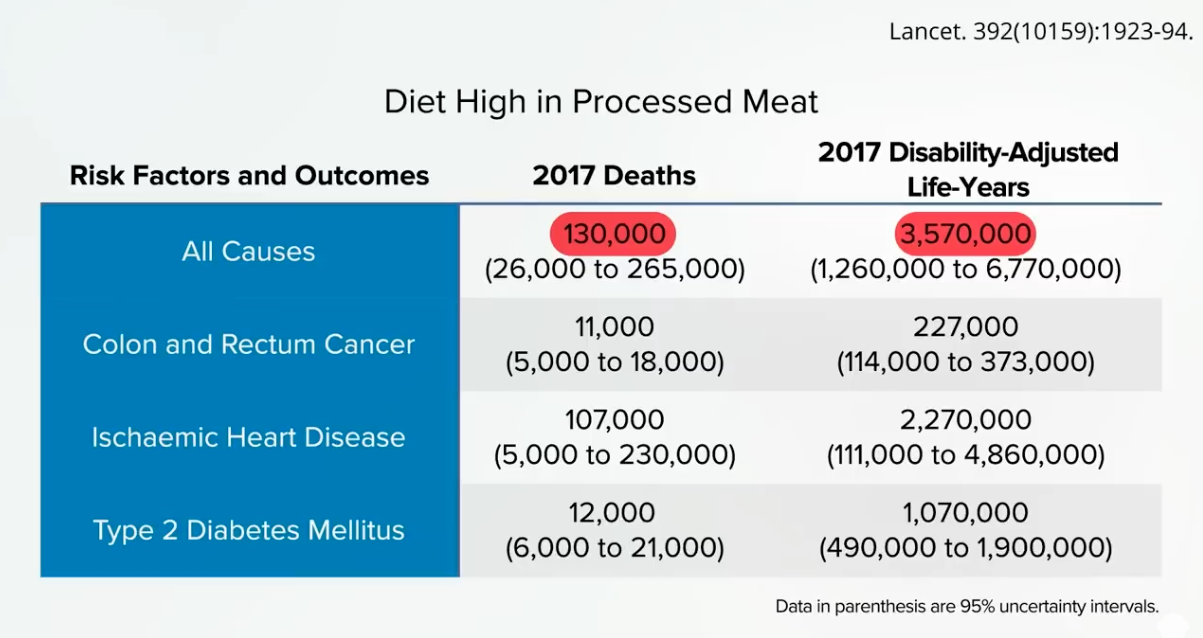
The conversation surrounding meat consumption is no longer just about personal preference or environmental sustainability; it is a critical matter of global public health. According to extensive findings from the Global Burden of Disease Study, diets high in processed meats—including bacon, ham, hot dogs, lunch meats, and sausages—may contribute to more than 100,000 preventable deaths worldwide every year.
The primary drivers of these mortality rates are cardiovascular diseases, followed closely by specific forms of cancer and type 2 diabetes. This translates into millions of healthy years of life lost globally on an annual basis.
The threshold for risk is surprisingly low. Research published by the Union of Concerned Scientists estimated that if the American population could collectively reduce processed meat consumption to just one ounce per week, thousands of cancer-related deaths could be averted every year. While population-scale data provides a macro view of the crisis, translating these findings into individual risk requires a clearer framework—one that allows people to directly compare chronic lifestyle hazards.
Chronology: The Evolution of Dietary Guidelines and Controversy
To understand how modern nutritional advice is shaped, one must look at the recent timeline of scientific debate surrounding red and processed meats.
- The Historical Consensus: For decades, institutional health bodies have pointed to robust epidemiological data linking high intakes of saturated fats, red meat, and processed meats to elevated rates of heart disease and colon cancer.
- The Annals of Internal Medicine Controversy: A major wave of debate was triggered by the publication of the NutriRECS meat papers in the Annals of Internal Medicine. A panel of researchers suggested that adults could continue consuming red and processed meat at their current levels, arguing that the evidence linking it to adverse health outcomes was weak.
- The Scientific Pushback: This panel faced immediate and fierce criticism from leading epidemiologists and nutrition scientists worldwide. Critics argued that the panel’s methodology suffered from severe flaws and misinterpretations of data. Subsequent re-analyses confirmed that a reduction in red and processed meat consumption remains solidly associated with a roughly 13% lower risk of premature death.
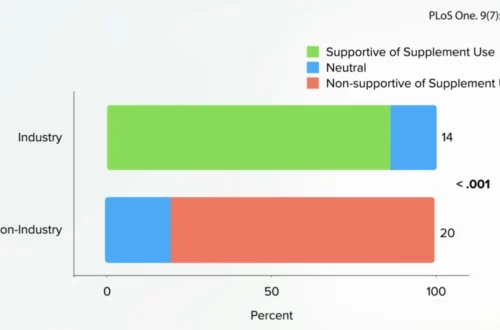
- The Broader Context: This controversy represents just one chapter in a long-standing struggle between independent public health advocates and industry-influenced panels attempting to sway official dietary recommendations.
Supporting Data: Understanding "Microlives" and Lifestyle Risks
To make abstract percentages and long-term health risks tangible, biostatisticians developed the concept of the microlife.
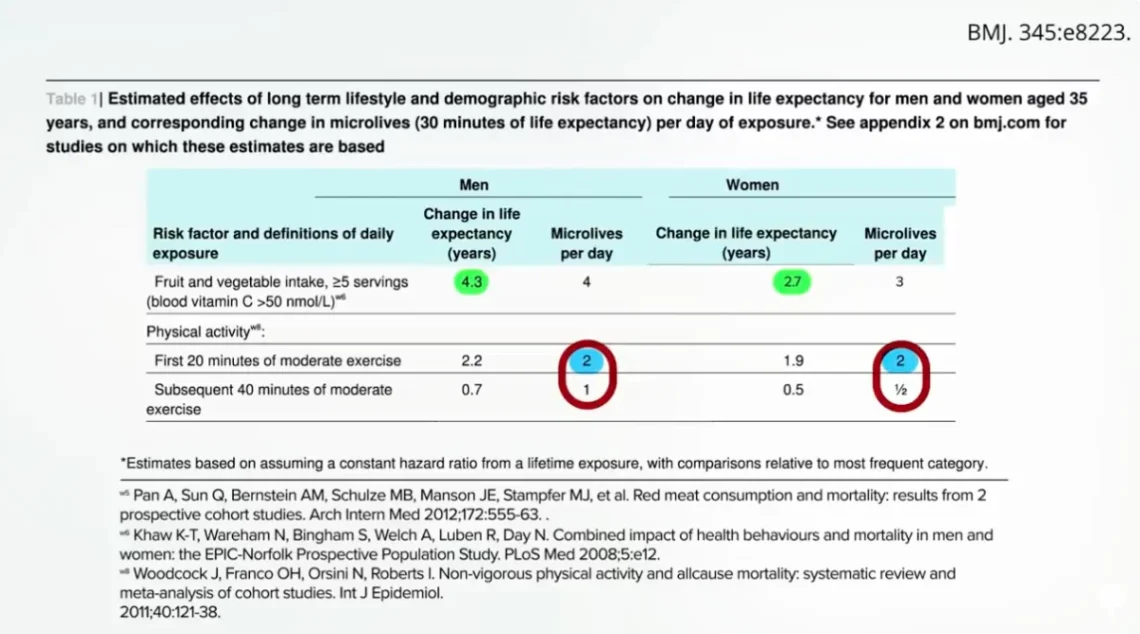
While acute risks (such as skydiving or riding a motorcycle) are traditionally measured in micromorts—defined as a one-in-a-million chance of sudden death—chronic risks require a different scale. A microlife represents 30 minutes of human life expectancy.
The math behind the concept is straightforward. For a young adult in their 20s (such as a 22-year-old man or a 26-year-old woman), average life expectancy remaining is roughly 57 years. This equates to about 20,000 days, 500,000 hours, or one million half-hours. Therefore, a single microlife is defined as the loss or gain of one of those million remaining half-hours.
How Everyday Habits Compare Using Microlives:
- The Cost of Meat: Epidemiological models indicate that consuming a single hamburger is associated with the loss of one microlife—effectively shaving 30 minutes off an individual’s expected lifespan. In comparative terms, eating a standard burger can carry a longevity cost roughly equivalent to smoking two cigarettes. Processed meats scale the risk even higher.
- The Cost of Vices: To put dietary choices into perspective, drinking a pint of strong beer or carrying roughly 11 excess pounds of body weight incurs a similar life-expectancy cost to smoking a cigarette or two a day.
- The Power of Plant Foods: Conversely, life-extending behaviors offer massive returns on investment. Consuming at least five daily servings of fruits and vegetables can add an average of three to four years to an individual’s lifespan, outperforming many standard interventions.
- The Exercise Multiplier: Exercise offers a remarkably high return. Committing just 20 minutes to physical activity yields an extra hour of life expectancy—a 3-to-1 return on investment. Exercising for an hour a day yields even greater long-term gains, counteracting the cumulative strains of modern sedentary living.
Official Responses and Expert Analyses
The public disagreement over nutritional guidelines has prompted strong responses from prominent members of the scientific community.
Following the publication of the controversial Annals of Internal Medicine recommendations, the chair of nutrition at the Harvard T.H. Chan School of Public Health and a coalition of international colleagues published a scathing critique. They asserted that the panel’s guidelines "suffer from important methodological limitations and involve misinterpretations of nutritional evidence." They emphasized that to genuinely improve human and planetary health, future dietary guidelines must continue prioritizing eating patterns low in red and processed meats, while emphasizing minimally processed plant foods like fruits, vegetables, whole grains, nuts, and legumes (beans, split peas, chickpeas, and lentils).
Dr. Dean Ornish, a pioneer in lifestyle medicine whose landmark Lifestyle Heart Trial demonstrated that comprehensive plant-based lifestyle programs could actively reverse severe coronary heart disease, also weighed in. Noting that the meat panel chose to ignore decades of robust clinical trial data, Ornish offered a sobering perspective: "I take solace in knowing that the light drives out the darkness. But, these days, the light has to be very bright indeed. Caveat emptor. Don’t be fooled. Your life may depend on it."
Implications: What This Means for Your Health and Future
The translation of epidemiological data into daily lifestyle choices carries profound implications for global healthcare systems and individual well-being. Chronic diseases—heart disease, type 2 diabetes, and various cancers—remain the leading causes of preventable death and disability worldwide. Because these conditions develop over decades, individuals often fail to connect their daily lunch or dinner choices to their long-term health outcomes.
By utilizing metrics like microlives, healthcare providers have a powerful tool to communicate risk without relying on fear-mongering or overly complex statistical jargon. The message is clear: small, consistent dietary adjustments yield massive cumulative benefits over a lifetime.
Opting for plant-forward meals, reducing or eliminating processed meats, incorporating regular physical activity, and increasing the intake of nutrient-dense whole foods are not merely aesthetic choices or passing trends. They are foundational actions that directly dictate the quality and duration of the years we have left. As the scientific consensus continues to push back against industry-backed confusion, the imperative for consumers remains clear—look past the noise, evaluate the true cost of your daily habits, and choose health over convenience.