There is perhaps no cocktail as universally synonymous with the transition from spring to summer as the spicy Margarita. While the classic Margarita—a simple, balanced trinity of tequila, lime, and orange liqueur—has anchored bar menus for decades, the modern evolution of the drink has veered sharply toward the thermometer-testing territory of capsaicin and complex aromatics.
Today, the "Spicy Marg" is more than a fleeting trend; it is a fundamental cocktail template. Bartenders across the globe are treating the spicy Margarita as a blank canvas, using heat not just to challenge the palate, but to unlock new dimensions of flavor. From the subtle, cooling vegetal notes of cucumber to the daring inclusion of savory sesame oil and earthy spirulina, the spicy Margarita has evolved into a sophisticated exploration of contrast.
The Anatomy of the Modern Spicy Margarita
To understand the current obsession with spicy tequila cocktails, one must look at the mechanics of the drink. At its core, the Margarita is a high-acid, high-alcohol vehicle. When you introduce heat—whether through infused spirits, fresh muddled peppers, or house-made syrups—you are adding a fourth pillar to the traditional three-part balance.
The heat acts as a catalyst. It heightens the perception of the agave’s vegetal sweetness while simultaneously cutting through the density of the citrus. This "thirst-quenching power" is why the cocktail has become the ultimate summer refreshment. As the mercury rises, the body craves the sensory arousal provided by spice, followed immediately by the restorative, cooling relief of a well-chilled, sour cocktail.
Chronology of the Spicy Shift
While spicy cocktails have existed in regional Mexican cantinas for generations, the "Spicy Margarita" as a global phenomenon began to gain significant traction in the early 2010s. This coincided with the rise of the "Craft Cocktail" movement, which prioritized fresh, house-made ingredients over the neon-colored, pre-mixed sour bases of the 1990s.
- Early 2010s: The "Jalapeño Margarita" becomes a staple at high-end Mexican restaurants in the U.S. Bartenders begin experimenting with house-infused tequilas, macerating fresh serranos or jalapeños in blanco tequila for 24 to 48 hours.
- Mid-2010s: The focus shifts from simply adding heat to adding depth. Bars begin to pair spice with contrasting elements. Cucumber becomes the most popular pairing, providing a crisp, cooling counter-texture to the pepper’s bite.
- Late 2010s to Present: The "Avant-Garde" phase. Bartenders begin using unconventional heat sources. We see the rise of hot honey, wasabi, and complex hot sauce syrups. The goal is no longer just "spicy," but a multi-sensory experience that balances savory, sweet, and fiery notes.
A Collection of Modern Spins
The following recipes represent the bleeding edge of the spicy Margarita movement, proving that the template is far more versatile than once thought:
The Savory Approach
- 7 Long Years: This recipe showcases how to marry the tropical fruitiness of pineapple with the sharp bite of green chile, all grounded by the unexpected, nutty richness of sesame oil. It is a lesson in culinary fusion.
- Bon Soirée: Coming from the kitchen-driven minds at Charleston’s Félix Cocktails et Cuisine, this version leans into the savory profile. It treats the Margarita like a dish, using high-quality hot sauce to build a complex, layered heat.
The Cooling Counterbalance
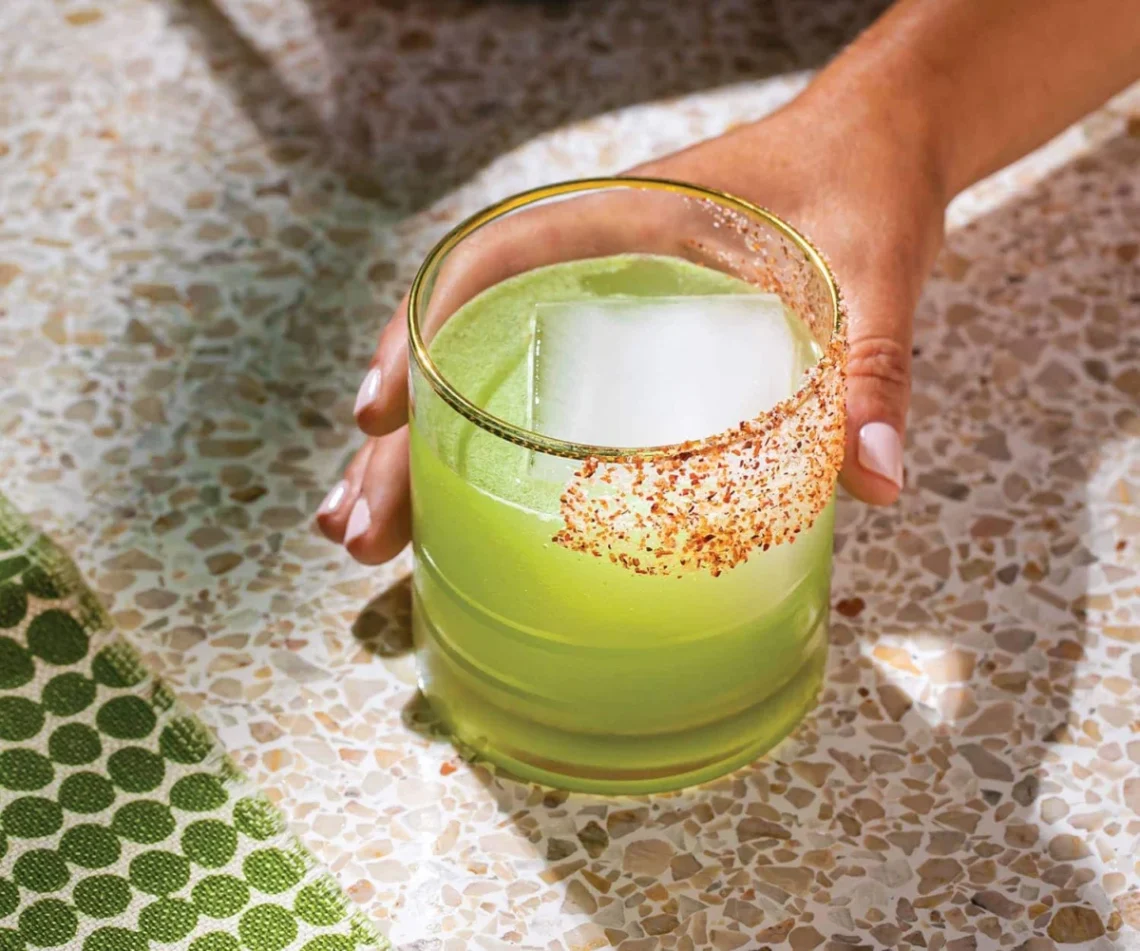
- Cucumber Jalapeño Margarita: The quintessential "refresher." The jalapeño provides the spike, while the cucumber acts as a cooling agent, mellowing the intensity and lengthening the finish of the drink.
- La Cigua: Designed specifically for high-heat environments, this cocktail follows a "heat-then-cool" arc, ensuring the drinker feels both the intensity of the pepper and the relief of the garden-fresh cucumber.
- Ojos Verdes: By utilizing mezcal as the base, this drink adds a smoky undertone that pairs beautifully with fresh jalapeño juice and cucumber. It is arguably the most "terroir-driven" of the spicy variations.
The Experimentalists
- Mixteca Spicy Margarita: Victor Lopez of New York City’s Mixteca proves that peppers are not the only way to achieve heat. By using wasabi and hot honey, he introduces a sinus-clearing, floral spice profile that feels entirely distinct from a traditional jalapeño infusion.
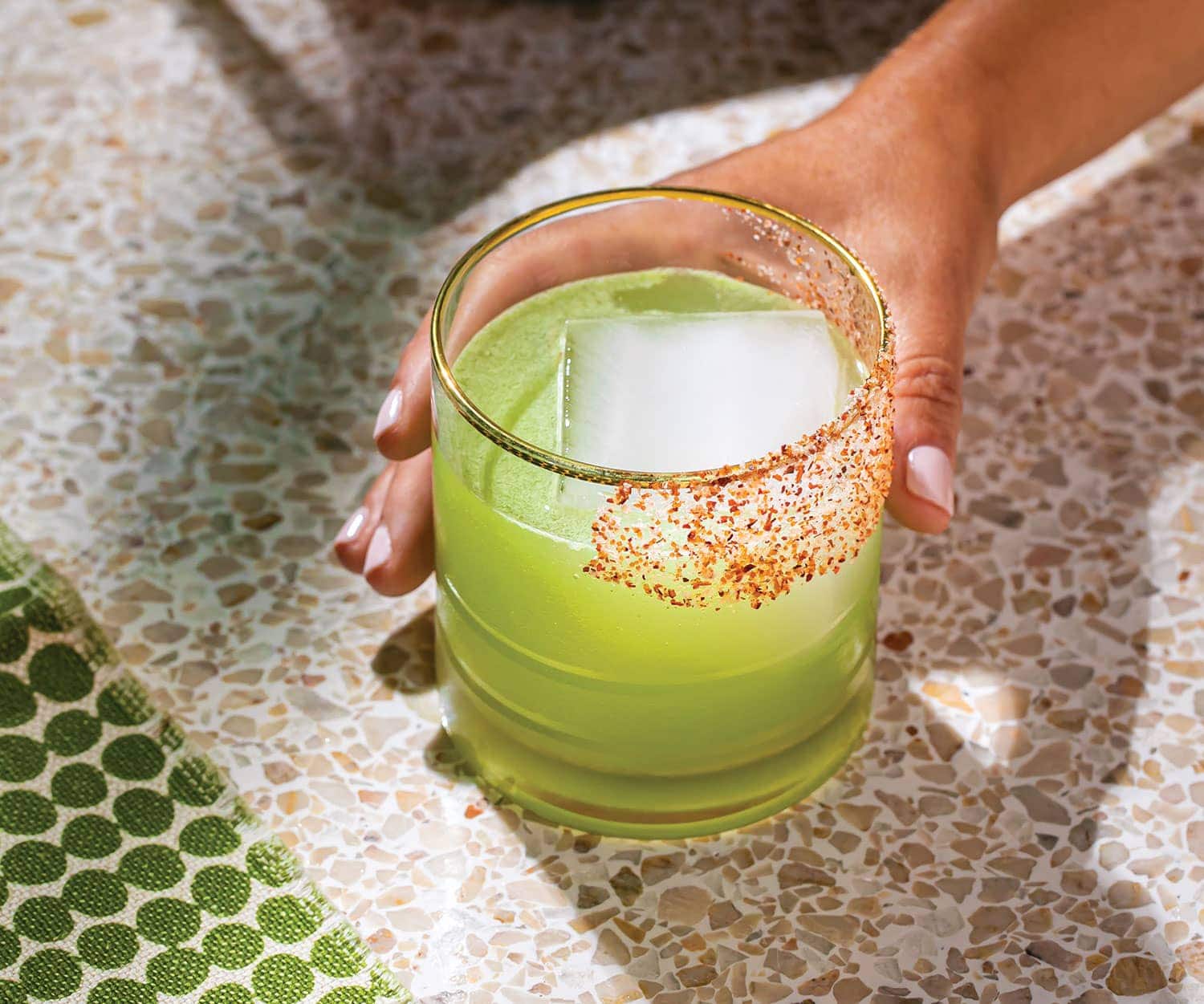
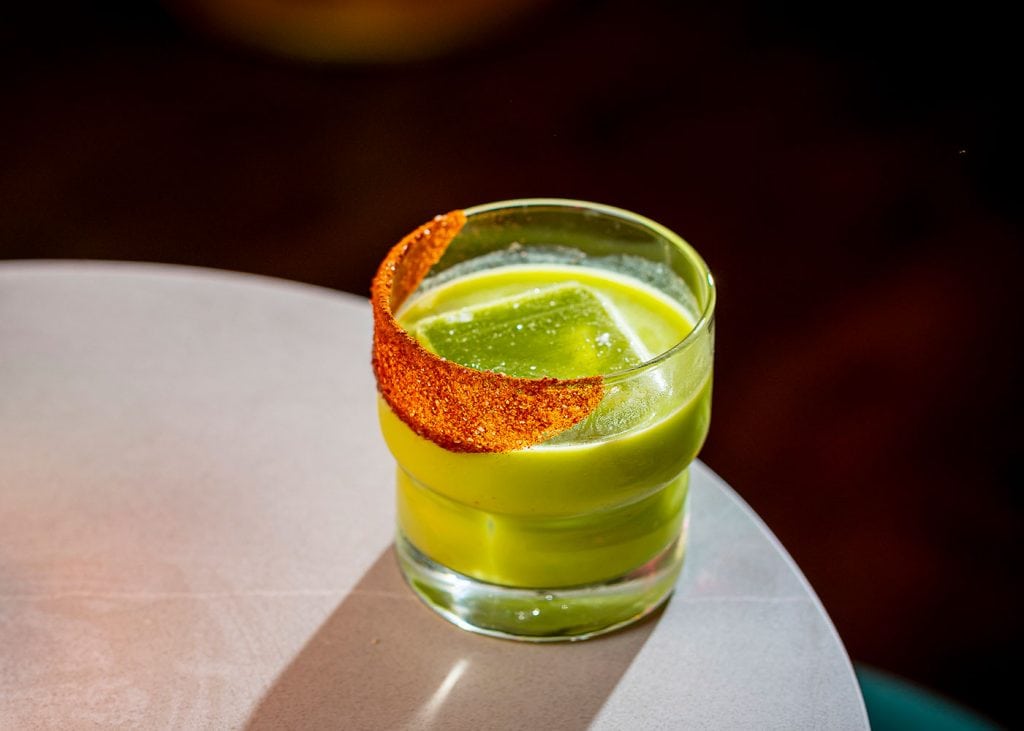
- Spicy Avocado Margarita: Perhaps the most visually and texturally distinct entry, this cocktail utilizes spirulina, agave, and citrus to create a creamy, verdant cordial. It maintains a vibrant color and a velvety mouthfeel that defies traditional expectations of a Margarita.
- Leña: This drink bridges the gap between the tropical complexity of a Jungle Bird and the sharp, bright acidity of a Margarita, offering a multi-layered experience for the more experienced drinker.
Supporting Data: Why Heat Works
From a physiological perspective, the appeal of the spicy Margarita is rooted in how our bodies process capsaicin. Capsaicinoids trigger the TRP (Transient Receptor Potential) ion channels in our mouth, which detect heat and pain. When we consume these in a cocktail, the body reacts by releasing endorphins.
When paired with the cold temperature of a cocktail and the acidity of lime, the "pain" of the spice is mitigated, leaving behind a lingering, pleasant tingling sensation. This is often referred to as "sensory contrast." The data suggests that consumers who enjoy spicy foods are significantly more likely to repeat-order a cocktail that features a heat component, as the drink provides a prolonged flavor experience compared to a standard, one-dimensional cocktail.
Official Industry Perspectives
The bartending community views the shift toward spicy Margaritas as a direct response to the "palate fatigue" of the average consumer. According to industry leaders, customers are increasingly looking for cocktails that "do more."
"When a guest orders a spicy Margarita, they are looking for an engagement with the drink," notes one lead bartender from a major urban cocktail lounge. "They want to feel the cocktail working. It’s not just about getting a drink; it’s about a momentary shift in temperature and mood."
Furthermore, the rise of "better-for-you" drinking habits has seen an uptick in the use of fresh, vegetable-based ingredients. The Spicy Avocado or Cucumber Jalapeño variations cater to a demographic that values fresh produce, high-quality agave spirits, and complex, house-made ingredients over artificial syrups.
Implications for the Future of Mixology
What does this mean for the future of the cocktail industry? The success of the spicy Margarita signals that the "bar-as-kitchen" movement is here to stay. As we move forward, we can expect to see:
- Increased Ingredient Integration: Expect more botanical and savory infusions, such as cilantro-infused salts, tajin-dusted rims, and even fermentation-based heat (e.g., kimchi-spiced margaritas).
- Sophistication of Heat: The use of "ghost pepper" or "Carolina Reaper" for the sake of shock value is waning. The current trend favors "measured heat"—spiciness that complements rather than obscures the tequila.
- Regionalism: As mezcal and sotol become more mainstream, we will likely see more regionally specific spicy cocktails that draw on the traditional chiles of the Mexican states from which these spirits originate.
The spicy Margarita is no longer a "variant"—it is a pillar of the craft. Whether you are looking for the bright, clean heat of a cucumber-jalapeño blend or the deep, savory complexity of a sesame-infused pineapple drink, the modern spicy Margarita has proven that the cocktail is only as limited as the bartender’s imagination.
As we head into another summer, the invitation is clear: put down the pre-mixed lime juice, reach for a fresh pepper, and find your own perfect point of balance. The heat, after all, is just the beginning.