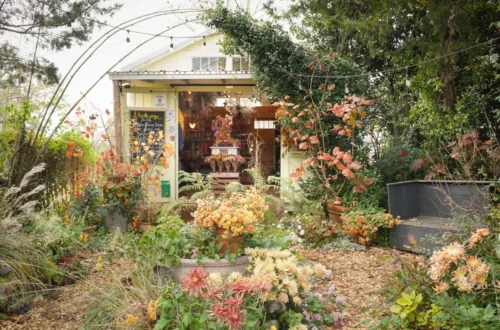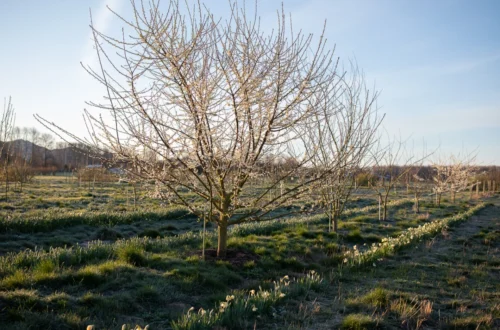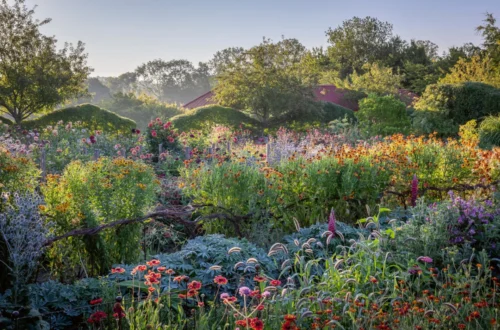
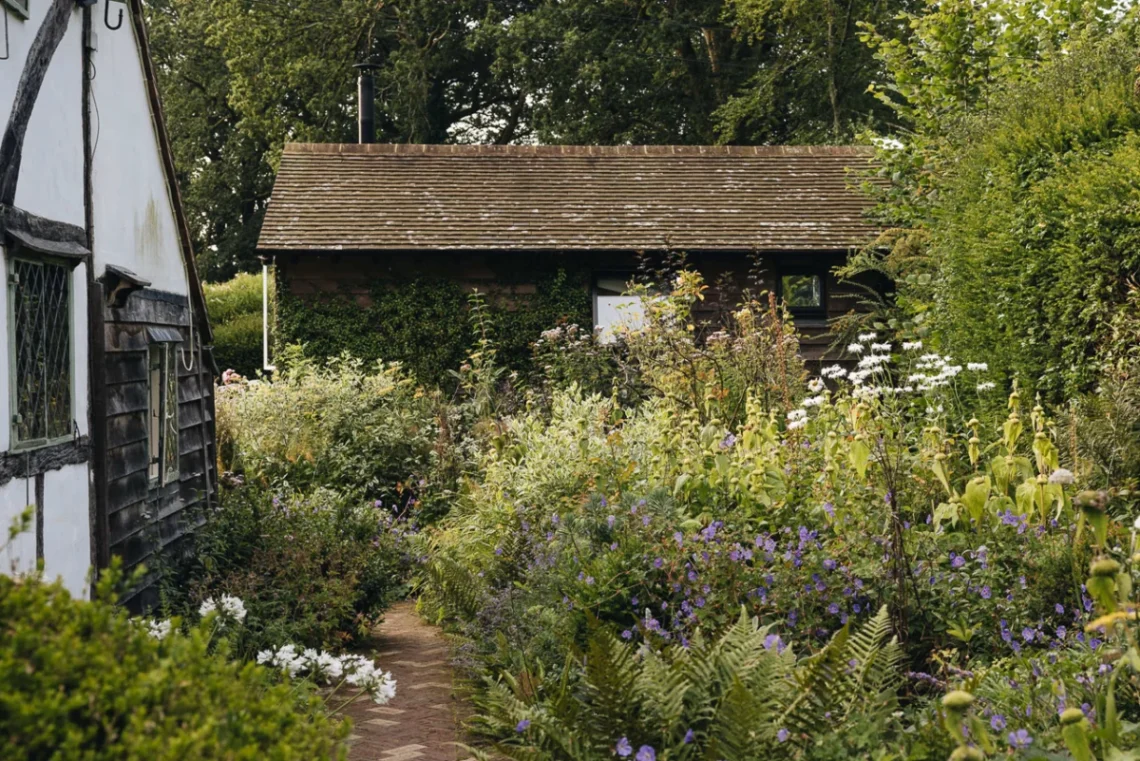
In the world of contemporary horticulture, few voices have resonated as clearly as that of Milli Proust. Based in the verdant landscape of West Sussex, England, Proust has built a reputation not just as a master floral designer and co-founder of the seed company Alma | Proust, but as a thoughtful philosopher of the soil. Her latest literary contribution, How Does Your Garden Grow?, has finally arrived in the United States, offering a refreshing departure from traditional "how-to" manuals. Rather than presenting a rigid set of rules, the book serves as a manifesto for intentional, process-based gardening.

The Genesis of a Horticultural Guide
The inspiration for How Does Your Garden Grow? did not arrive in a flash of singular brilliance, but rather through a sustained dialogue with a community of growers. As Proust’s profile grew alongside her floral farming journey, she found herself inundated with the same fundamental inquiries: How do I plan a space? How do I ensure year-round interest? How do I balance productivity with aesthetics?
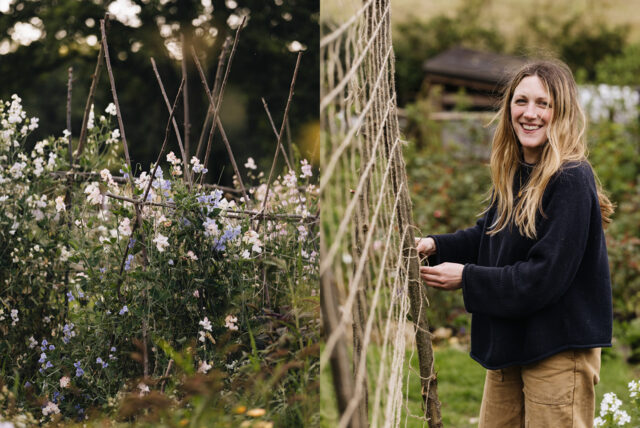
Proust notes that her audience was often more curious about the "behind-the-scenes" of her garden than the finished floral arrangements. "People were interested in soil health, the construction of my structures, and the way the garden fed into my creative practice," she explains. The definitive push to write the book came during a visit from her editor, Harriet Butt, and designer, Gemma Hayden, in the autumn of 2022. As they discussed her previous success, From Seed to Bloom, it became clear that there was a void in the market for a guide that addressed the emotional and structural realities of starting a garden from scratch.

A Chronology of Growth: From Idea to Implementation
The development of the book was a study in patience. While the title and initial concept emerged in 2021, the actual drafting process was deeply influenced by the changing nature of Proust’s own life.
- 2021: The initial concept for the book is born during the writing of From Seed to Bloom.
- Autumn 2022: A planning session with her publisher solidifies the focus on garden design, soil health, and seasonal maintenance.
- 2023: The book takes a definitive shape as Proust’s sister begins her first gardening project. This provided a "beginner’s lens," allowing Proust to identify which gardening terms and concepts required further clarification to avoid being exclusionary.
- 2024-2025: The final manuscript is polished, with a focus on practical, actionable steps for readers of all skill levels.
- March 2026: The book is released in the United States, accompanied by a series of events and a promotional campaign featuring heirloom seeds.
The Philosophy of "The Garden as Collaborator"
One of the most profound takeaways from How Does Your Garden Grow? is the shift in perspective from viewing gardening as a form of "control or ornament" to seeing it as a "collaboration."

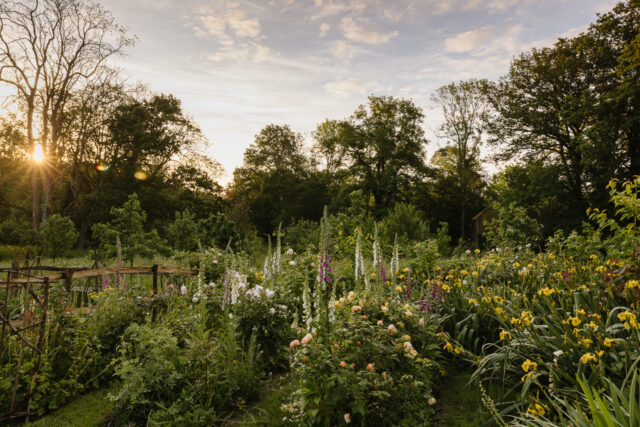
Proust argues that the modern gardener often approaches their land with a desire to force it into a static state of perfection. Her alternative is to listen to the land—to observe what thrives, what volunteers, and what desires to remain. "Relinquishing control looked like finally learning to listen to the garden," she says. This collaborative approach includes a deep commitment to biodiversity. To Proust, biodiversity is the "quiet brilliance" of nature—a delicate, interconnected web where every organism, from the smallest microbe to the most robust rose, plays a role.

Practical Steps for Biodiversity
For those looking to move away from intensive, high-maintenance gardening, Proust suggests several small, impactful changes:
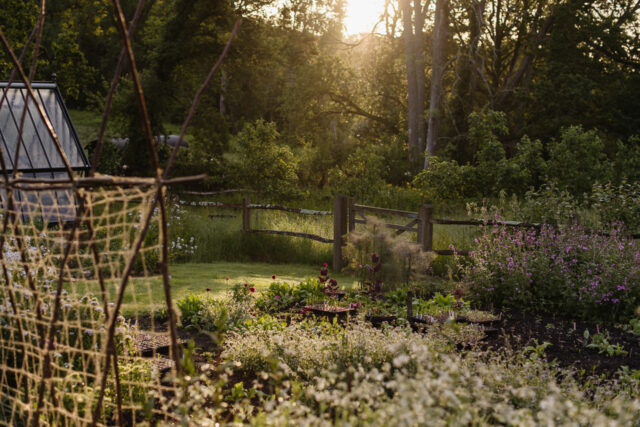
- Diversify Planting: Incorporate a variety of trees, shrubs, and hedges to provide structural habitats.
- Seasonal Awareness: Select flowers that bloom in succession to ensure food sources for pollinators throughout the year.
- The Power of Neglect: Leave seed heads standing through the winter and resist the urge to "over-tidy" the garden. This allows beneficial insects and birds to complete their life cycles in safety.
Implications for the Modern Gardener
Proust’s work carries significant implications for the future of domestic gardening. In an era where many feel "time-poor," she advocates for a radical re-evaluation of how we spend our hours in the dirt. She suggests that gardening should be a "grounding and nourishing" experience, not a source of stress or a race to finish a "to-do" list.

Her advice to "start small" is particularly relevant. By focusing on 10 minutes of intentional time rather than a weekend of grueling labor, gardeners can maintain their mental well-being while fostering a connection to the natural world. This is a message of inclusivity; it suggests that you don’t need an expansive estate or a master’s degree in horticulture to participate in the act of creation.

Looking Ahead: The Future of the Alma | Proust Studio
Proust is not one to rest on her laurels. Even as her book hits shelves, she is already deeply engaged in new projects. Having recently moved to a new property, she is applying her decade of experience to a "blank slate." This includes an ambitious experimental garden at her studio, developed in collaboration with gardener Charlie Harpur.
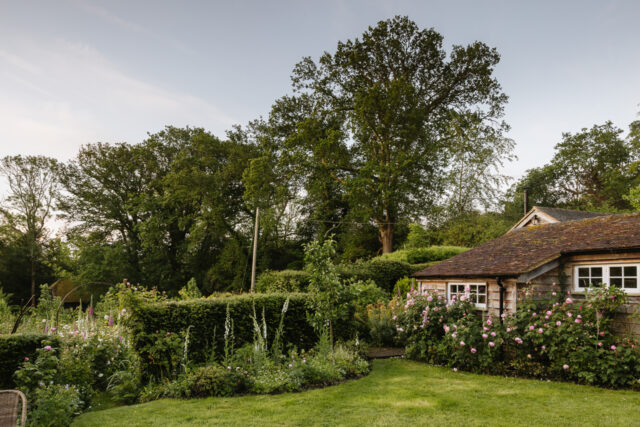
The goal for this new space is to find the "ultimate meeting point between ecology and beauty." By creating microhabitats within a small area, they hope to demonstrate that ecological health and visual splendor are not mutually exclusive. Furthermore, her ongoing obsession with sweet peas continues to grow; she is currently trialing over 150 varieties, seeking to understand the nuances of scent, stem length, and stress resistance.

Final Reflections
Milli Proust’s work is a testament to the power of continuity. Whether she is saving seeds, tending to her "Windowsill Wednesday" project, or writing a new chapter in her professional life, her focus remains on the legacy of knowledge.
"When we pass down plant knowledge, whether through books, conversations, or the simple act of giving someone a cutting or a packet of seeds, we’re keeping something alive that’s bigger than any one garden," she reflects. As her new book finds its way into the hands of aspiring gardeners across the U.S., it promises to act as that very bridge—a tool for connection, a guide for the curious, and an invitation to see the act of gardening as a vital, ongoing conversation with time itself.