
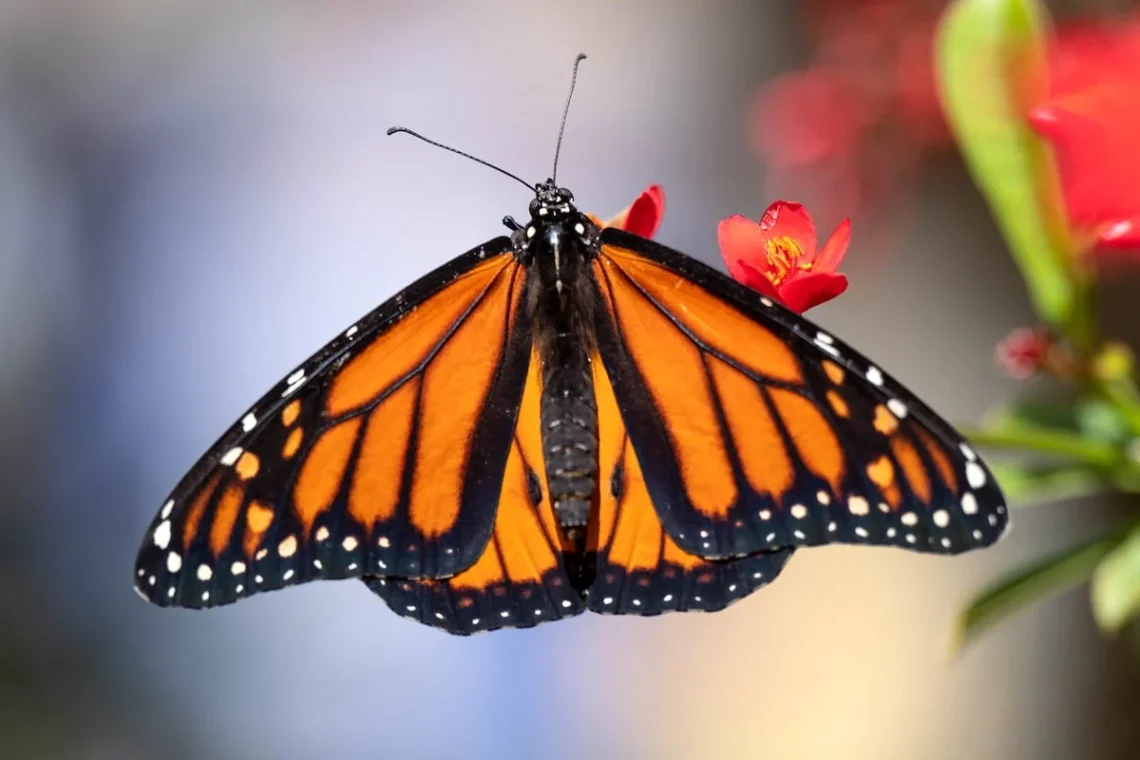
In the quiet groves of the Pacific Grove Monarch Sanctuary, a site synonymous with the ethereal beauty of the Western monarch butterfly’s winter migration, a grim discovery in January 2024 sent shockwaves through the conservation community. Hundreds of butterflies were found dead or in the throes of death, their vibrant orange-and-black wings stark against the California soil.
For months, the cause of this localized catastrophe remained a subject of intense speculation. However, a landmark peer-reviewed study recently published in the journal Environmental Toxicology and Chemistry has provided definitive, harrowing answers: the butterflies were victims of a "chemical cocktail" of neurotoxic pesticides. This revelation not only explains the 2024 mortality event but underscores a systemic, existential threat to one of North America’s most iconic insect species.
The Anatomy of a Tragedy: Main Findings
The study, led by the Xerces Society for Invertebrate Conservation, utilized advanced liquid and gas chromatography alongside mass spectrometry to analyze the remains of the deceased monarchs. The results were staggering. Researchers identified a complex mixture of 15 different insecticides, herbicides, and fungicides present within the samples.
On average, each individual butterfly contained traces of seven different chemical agents. Perhaps most alarming was the presence of three human-made pyrethroid insecticides—bifenthrin, cypermethrin, and permethrin—found at or near lethal dosage levels. Every single specimen tested contained bifenthrin and cypermethrin, while all but two contained permethrin. These substances, commonly used in both agricultural and urban settings, are designed to disrupt the nervous systems of insects, leading to paralysis and death.
"We found an average of seven different pesticides per butterfly, including multiple insecticides that are highly toxic to insects," stated Staci Cibotti, the study’s lead author and a pesticide risk prevention specialist at the Xerces Society. While local government reviews in Monterey County were unable to pinpoint the exact source of the chemical application, the high concentrations detected leave little room for doubt regarding the cause of the mass casualty event.
Chronology of the Crisis
The 2024 die-off was not an isolated anomaly, but rather a tragic chapter in a long-standing decline.
- 1980s–Present: The Western monarch population has experienced a catastrophic decline, shrinking by nearly 95% over the last four decades.
- September 2020: A strikingly similar event occurred in North Dakota, where hundreds of monarchs were killed following an aerial mosquito-control spray during their migration.
- January 2024: The Pacific Grove Monarch Sanctuary event occurs. Hundreds of dead monarchs are discovered, prompting an immediate investigation by scientists.
- July 2025: The Environmental Toxicology and Chemistry journal publishes the peer-reviewed results, confirming the link to neurotoxic pesticides.
- January 2025: Population counts reveal the depth of the crisis, with only 9,119 individual Western monarchs recorded during the overwintering season.
The recurrence of these mass-death events during the migration and overwintering phases is particularly devastating. Because these phases require monarchs to cluster in high densities, a single localized pesticide application can, in a matter of hours, decimate a significant portion of a local population.
Supporting Data: A Species on the Brink
The data surrounding the Western monarch is, by all accounts, alarming. Following the 2024 event, the Xerces Society’s annual Western Monarch Count recorded the second-lowest population numbers in history. By early 2025, the total number of overwintering Western monarchs plummeted to just 9,119 individuals.
The International Union for Conservation of Nature (IUCN) has officially listed migratory monarchs as endangered, signaling that the species is at high risk of extinction. More hauntingly, the U.S. Fish and Wildlife Service has projected a 99% probability of extinction for the Western monarch population by 2080 if current trends in habitat loss, climate change, and chemical exposure continue unabated.
The vulnerability of these butterflies is compounded by their migratory nature. As they traverse vast landscapes, they encounter a "gauntlet" of chemical threats. From agricultural fields to residential landscaping, golf courses, and municipal mosquito abatement programs, the modern landscape is saturated with the very substances that are lethal to pollinators.

Official Responses and Conservation Strategy
The scientific community is calling for an immediate shift in how society manages pesticide use. The Xerces Society, following the publication of their study, has proposed a multi-pronged strategy to safeguard the remaining population:
- Establishment of Pesticide-Free Zones: Creating buffers around known overwintering sites to prevent the drift of agricultural and urban chemicals.
- Public Policy Reform: Implementing stricter regulations on the use of pyrethroids and other high-toxicity insecticides in areas frequented by migratory pollinators.
- Enhanced Education: Raising awareness among homeowners and municipal land managers about the indirect impacts of "structural pest control" on non-target species.
- Coordinated Monitoring: Creating a robust, multi-agency system to track pesticide risks and respond to potential exposure incidents in real-time.
"Protecting monarchs from pesticides will require both public education and policy change," noted Emily May, co-author of the study and agricultural conservation lead at the Xerces Society. "We are committed to working with communities and decision-makers to ensure that overwintering sites are healthy refuges for these butterflies."
Broader Implications: The "Chemical Landscape"
The crisis in Pacific Grove serves as a cautionary tale about the pervasive nature of modern chemical use. In a clarifying statement issued in August 2025, Staci Cibotti emphasized that the threat is not limited to large-scale industrial farming.
"Pesticide exposure is a widespread threat to monarchs across their range," Cibotti explained. "These chemicals are commonly used in home gardening, turf management, and even in natural areas to manage forest pests."
The implications reach far beyond the monarch butterfly. As a sentinel species, the monarch’s decline reflects the deteriorating health of our broader ecosystem. When an insect as resilient as the monarch is unable to survive the chemical load of the American landscape, it suggests that countless other native pollinators—bees, beetles, and moths—are suffering in silence.
The challenge, according to conservationists, is to shift the paradigm from "pest management" to "pollinator stewardship." This involves recognizing that the convenience of a mosquito-free backyard or a pristine lawn comes at a biological cost that we may soon be unable to repay.
Moving Forward
As we look toward the future, the window for intervention is closing. The 99% extinction risk by 2080 is not a certainty, but a projection based on the status quo. Reversing this trajectory requires a national commitment to reducing the "chemical footprint" of human development.
The death of hundreds of monarchs in a sanctuary intended for their protection is a powerful indictment of our current environmental standards. It serves as a reminder that nature, even in protected spaces, is not immune to the decisions we make in our fields and gardens. If we are to ensure that the monarch’s migration continues for future generations, we must prioritize their safety over the short-term convenience of synthetic chemical control.
The science is now clear: the butterflies are dying, not just from the loss of habitat, but from the toxic legacy we have left in the air and soil. The question remains whether we have the political and social will to change the landscape before the final, orange-winged arrival of the Western monarch becomes a memory of the past.