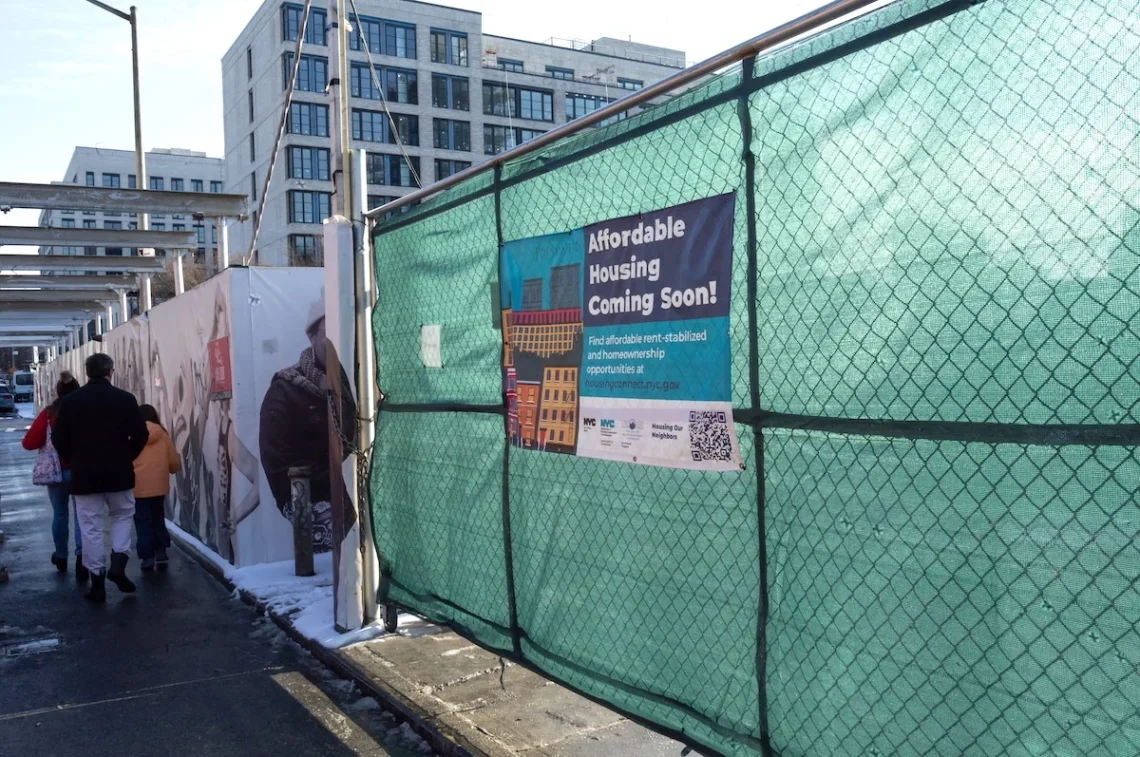
In a landmark shift for American climate policy, New York has officially become the first state in the nation to mandate that most new construction projects be built entirely electric, effectively closing the door on new fossil fuel hookups. This regulatory evolution, finalized in late July 2025, marks a decisive turning point in the state’s aggressive pursuit of its climate mandates, targeting one of the most stubborn sectors in the decarbonization puzzle: the built environment.
The Mandate: A New Era for Construction
The core of this policy is the All-Electric Buildings Act, which requires newly constructed residential, commercial, and industrial buildings to move away from natural gas and oil heating, cooking, and water heating systems. Instead, these structures will rely on modern, high-efficiency electric technologies such as heat pumps and induction stoves.
The implementation schedule is tiered to allow the construction industry time to adapt:
- Effective Date: The requirements apply to building permit applications for initial construction filed on or after December 31, 2025.
- Residential Scope: Smaller residential buildings, defined as those up to seven stories, must comply by the end of 2025.
- Commercial/Industrial Scope: Smaller commercial and industrial facilities—defined as those under 100,000 square feet—must also adhere to the mandate by the end of 2025.
- Large-Scale Projects: Larger commercial and industrial buildings exceeding 100,000 square feet are granted a longer grace period, with full compliance required by 2029.
While the mandate is sweeping, it is not without nuance. Recognizing the technical complexities of certain specialized industries, the state has included exemptions for agricultural facilities, medical centers, laboratories, crematoriums, and specific types of restaurants where electric alternatives may not yet be viable or safe.
A Chronology of the Legislative Battle
The journey to this historic mandate was neither quick nor uncontested. The trajectory of the All-Electric Buildings Act reflects the friction between environmental ambition and entrenched industry interests.
- 2023 – Legislative Passage: The New York State Assembly officially passed the All-Electric Buildings Act, signaling a bold legislative intent to align the state’s building codes with its emissions reduction goals.
- Early 2025 – The Legal Challenge: Mirroring the strategy used to overturn similar municipal bans in Berkeley, California, a coalition of building and fossil fuel industry groups challenged the New York act in federal court. They argued that state-level mandates were preempted by federal energy regulations.
- July 2025 – The Court Verdict: In a pivotal win for environmental advocates, the U.S. District Court for the Northern District of New York ruled in favor of the state, confirming that New York possessed the legal authority to move forward with its electrification mandate.
- Late July 2025 – Finalization: With the court’s green light, the State Fire Prevention and Building Code Council officially finalized the rules, cementing the transition into the state’s official building code.
Despite this victory, the battle is not entirely over. Industry groups, citing concerns over economic impact and grid capacity, have petitioned the U.S. Department of Justice to intervene and block the regulation, keeping the issue in a state of legal flux even as the implementation date nears.
The Imperative: Why Buildings Matter
The urgency behind this legislation is rooted in cold, hard data. According to the New York Department of Environmental Conservation, the building sector is responsible for approximately 31% of the state’s total greenhouse gas emissions. Without a fundamental change in how these structures are heated and powered, the state’s broader climate goals—outlined in the Climate Leadership and Community Protection Act—would remain out of reach.
The shift to electrification is not merely an environmental preference; it is a structural necessity. By moving buildings away from gas, New York is simultaneously tackling indoor air quality issues, which are often degraded by nitrogen dioxide and other pollutants emitted by gas-burning appliances.
Economic Implications: Costs and Savings
A primary point of contention throughout the legislative process was the projected cost. Opponents warned of increased construction expenses and utility burdens, but recent analysis suggests the reality may be more favorable for homeowners and developers.

According to research from the New Buildings Institute, the shift toward 100% electric construction can be surprisingly cost-effective. For single-family homes, the elimination of gas piping infrastructure can result in upfront savings ranging from $7,500 to $8,200 per unit. When combined with the high efficiency of modern electric heat pumps, residents can expect a reduction in energy consumption by approximately 17%. Over a 30-year period, these efficiencies are estimated to save the average household nearly $5,000 in utility costs.
Beyond the individual ledger, there is the macroeconomic benefit of a reduced reliance on volatile global fuel markets. By transitioning to electricity—which is increasingly generated by New York’s growing wind, solar, and hydro portfolio—the state is effectively hedging against the future price shocks of imported fossil fuels.
Official Responses and Stakeholder Perspectives
The finalization of the act has sparked a wide range of reactions, highlighting the deep divide between the environmental movement and industrial stakeholders.
Dawn Wells-Clyburn, executive director of PUSH Buffalo, framed the court’s decision as a moral victory. "The fossil fuel industry was sent a powerful message by the court in this case," she stated. "The health, well-being, affordability, and prosperity of our communities matters more than the industry’s profits and the hollowness of its fear-mongering."
Conversely, industry groups continue to emphasize the logistical challenges of retrofitting the grid and the potential for increased demand on electrical infrastructure. They maintain that the transition is being forced upon the market too quickly, potentially stifling development in a state already facing a significant housing shortage.
Alex Beauchamp, Northeast region director at Food & Water Watch, views the act as a proof-of-concept for broader systemic change. "When New Yorkers come together… we can win even in the face of opponents with an almost-limitless budget," Beauchamp said. "That is how we won this bill. It’s also how we are going to continue the fight to get fossil fuels out of all the existing buildings in the state."
Implications for the Future
New York’s policy is a bellwether for the rest of the United States. As other states monitor the efficacy of New York’s transition, the model established here—a combination of legislative mandate and code-based implementation—is likely to be replicated.
The broader implications are twofold:
- Grid Modernization: The success of this mandate will necessitate rapid and robust investment in the state’s electrical grid to handle the increased load. This creates a parallel opportunity for infrastructure job creation and technological innovation.
- Market Transformation: By mandating electric-only construction, New York is forcing the hand of manufacturers and contractors. As demand for gas-based HVAC and cooking systems drops within the state, the market will inevitably shift toward more affordable and efficient electric alternatives, lowering the barrier to entry for other jurisdictions.
As of late 2025, New York stands at the precipice of a new, electrified reality. While legal challenges persist, the institutional momentum is clear. The state has decided that the environmental and economic long-term gains of electrification outweigh the short-term friction of transitioning away from the gas-powered status quo. For the construction industry, the message is clear: the future of building in New York is powered by the plug, not the pipeline.