The Finger Lakes region of New York has long been celebrated as one of North America’s most vital cool-climate viticultural zones. At the heart of this sprawling viticultural area lies Seneca Lake, a deep, glacier-carved body of water that acts as a natural heat sink, protecting vines from the harsh, biting winters of the Northeast. As the region continues to garner international acclaim for its world-class Rieslings, Cabernet Francs, and increasingly sophisticated sparkling wines, wine enthusiasts are flocking to its shores in record numbers.
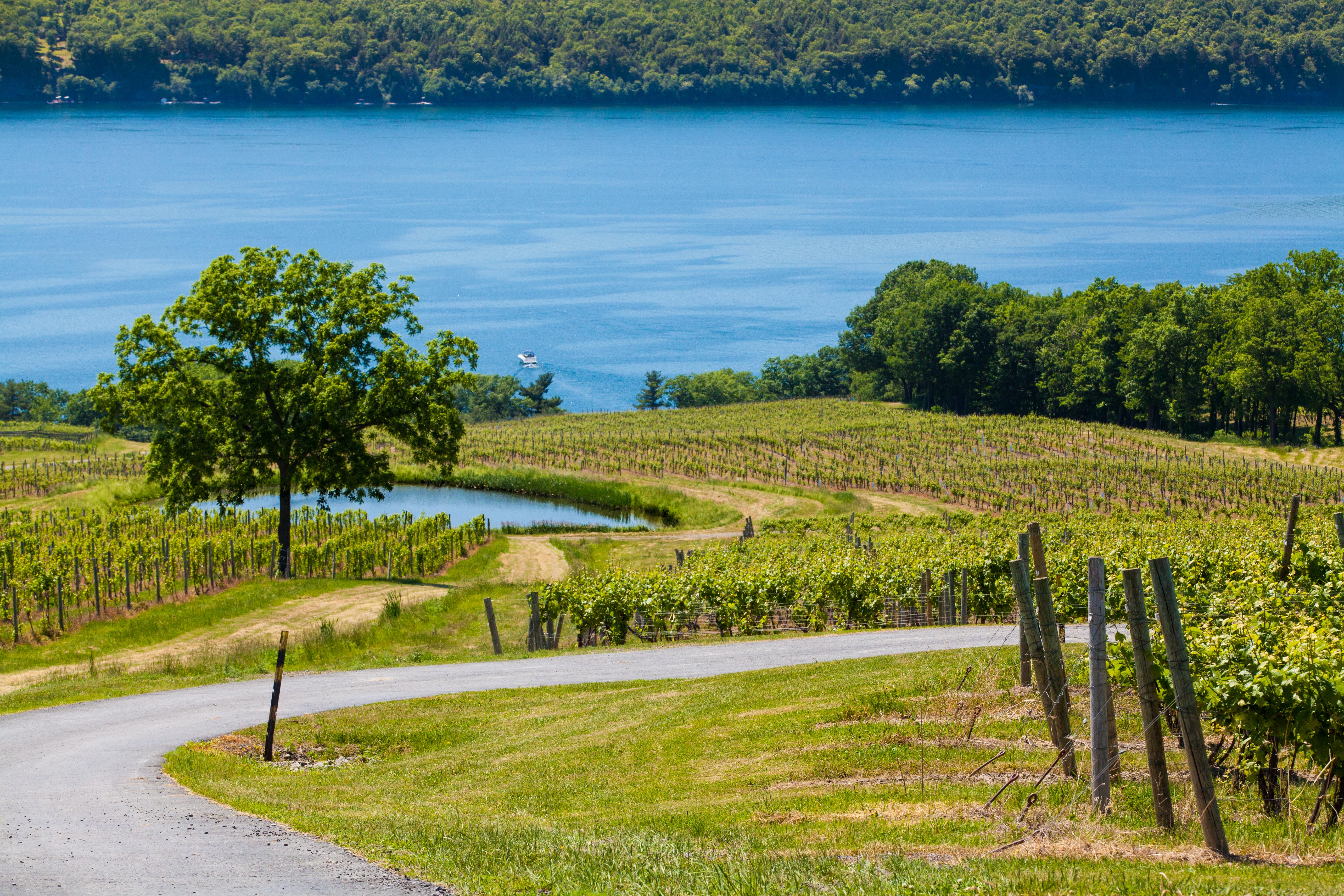
This guide explores the essential producers shaping the landscape of the Seneca Lake wine trail, detailing the history, the terroir, and the hospitality that make this region a bucket-list destination for oenophiles.

Main Facts: The Seneca Lake Terroir
Seneca Lake is the largest and deepest of the Finger Lakes. Its immense depth prevents it from freezing, which creates a unique microclimate along its slopes. The "lake effect" warms the surrounding air during the autumn months, extending the growing season and allowing grapes to achieve a level of physiological ripeness rarely found in other northern latitudes.

The soil profiles, primarily composed of glacial till, limestone, and shale, offer exceptional drainage. This geological history provides the necessary stress for vines to dig deep, mineral-rich roots, resulting in wines defined by their vibrant acidity, structural complexity, and distinct regional typicity.

A Chronology of Excellence: The Evolution of the Trail
The history of viticulture in the Finger Lakes dates back to the 1800s, but the modern renaissance began in the 1970s and 80s, when visionary winemakers began planting Vitis vinifera varieties rather than the native labrusca grapes that had previously dominated the region.

- 1970s–1980s: Pioneering families began the transition to European-style vinifera. Wineries like Wagner Vineyards and Anthony Road Wine Company were among the early adopters, proving that the climate could support complex Rieslings and Gewürztraminer.
- 1990s: The region saw a surge in boutique production. The focus shifted toward high-quality, estate-grown fruit. Estates like Lamoreaux Landing and Fox Run Vineyards established the standard for architecture and hospitality, blending the agricultural beauty of the hills with sophisticated tasting room experiences.
- 2000s–Present: The "Second Wave" of the Finger Lakes has arrived, characterized by a focus on sustainable farming, natural winemaking techniques, and the exploration of red varietals like Lemberger and Syrah. Producers such as Red Newt Cellars and Boundary Breaks have pushed the boundaries of what is possible in the cool climate, earning consistent 90+ point scores from international critics.
Featured Estates: A Curated Selection
For the traveler looking to navigate the diverse offerings of Seneca Lake, the following estates represent the pinnacle of regional craftsmanship.

The Northern Reach (Geneva & Penn Yan)
The northern tip of the lake is characterized by rolling hills and close proximity to the cultural hub of Geneva.
- Anthony Road Wine Company (Penn Yan): A cornerstone of the region, known for its balanced, approachable wines and a deep commitment to sustainable vineyard management.
- Belhurst Estate Winery (Geneva): Housed in a historic 19th-century stone castle, Belhurst offers one of the most unique architectural experiences in the country.
- Fox Run Vineyards (Penn Yan): Renowned for its focus on education and food-pairing, Fox Run offers a masterclass in how soil composition affects the final bottle.
- Three Brothers Wineries & Estates (Geneva): A multi-faceted destination, Three Brothers provides a modern, high-energy environment that encompasses wine, craft beer, and hard cider.
- Ventosa Vineyards (Geneva): Famous for its Italian-inspired architecture and stunning panoramic views of the lake, Ventosa specializes in bold, dry red wines.
The Eastern Slope (Lodi & Hector)
The eastern side of the lake, particularly around Hector and Lodi, is often cited for having the most dramatic topography and some of the highest-quality vineyard sites in the state.

- Boundary Breaks (Lodi): Widely regarded as a benchmark for Riesling, their vineyard practices are meticulous, focusing on clones that thrive in the specific microclimates of the eastern bank.
- Hazlitt 1852 Vineyards (Hector): A family-run institution that balances high-quality production with a fun, accessible atmosphere that has made it a favorite among casual tourists.
- Lamoreaux Landing Wine Cellars (Lodi): Famous for its stunning, environmentally conscious building and its consistent ability to produce world-class Chardonnay and Cabernet Franc.
- Silver Thread Winegarden (Lodi): A small, intimate producer that prioritizes "low-intervention" winemaking, allowing the terroir to speak for itself.
- Wagner Vineyards (Lodi): With one of the best views on the lake, Wagner has been a leader in the region for decades, combining a vast portfolio of wines with a bustling estate brewery.
The Western Shore (Watkins Glen & Dundee)
- Castel Grisch Winery (Watkins Glen): Offering a blend of history and innovation, this estate is a must-visit for those interested in the cultural heritage of the area.
- Fulkerson Winery (Dundee): A family-run estate that has been farming the land for generations, offering an incredibly diverse selection of wines.
- Glenora Wine Cellars (Dundee): Often cited as the first winery on the lake, Glenora paved the way for the region’s modern success and remains a destination for luxury lodging and fine dining.
- J.R. Dill Winery (Burdett): Known for its friendly, down-to-earth hospitality, this winery offers a cozy, intimate experience that highlights the craft of small-batch winemaking.
Supporting Data: Why the Finger Lakes Matter
According to recent industry reports, the Finger Lakes region contributes over $3 billion annually to the New York State economy. The growth in "agritourism" has transformed the region from a quiet agricultural outpost into a sophisticated destination that rivals the Napa and Sonoma valleys in terms of visitor satisfaction.

- Vineyard Acreage: The Finger Lakes boast over 10,000 acres of vines, with Riesling being the undisputed "king" of the region.
- Growth Metrics: Over the last decade, there has been a 30% increase in the number of estate-bottled wineries, signaling a shift toward higher-end, terroir-driven production.
- Visitor Demographics: While historically a regional destination, the Seneca Lake Wine Trail is now attracting visitors from Europe and Asia, particularly those interested in cool-climate viticulture.
Official Responses and Industry Outlook
"The beauty of the Finger Lakes is that we are not trying to be California," says a leading spokesperson from the local wine growers’ association. "We have our own identity. Our acidity, our freshness, and our ability to age wines for decades—that is what is putting us on the global map."

Industry experts note that the changing climate has actually been a boon for the region. As traditionally warmer climates struggle with extreme heat, the Finger Lakes have seen more consistent ripening years, allowing winemakers to experiment with varieties that were previously deemed "too risky" for the area, such as Syrah and Grüner Veltliner.

Implications for the Future
The future of Seneca Lake is inextricably linked to the concept of sustainability. As global wine consumers become more conscious of their footprint, the producers of the Finger Lakes are responding with organic farming initiatives, solar-powered facilities, and a renewed focus on native, drought-resistant rootstocks.
Furthermore, the expansion of local infrastructure—including high-end boutique hotels, farm-to-table restaurants, and improved transportation—suggests that the region is poised for a significant increase in international tourism. For the wine lover, this means that the "best-kept secret" of the American wine scene is rapidly becoming a global powerhouse.

Whether you are a seasoned collector searching for a vintage Riesling or a weekend visitor looking to enjoy a sunset on a deck overlooking the water, Seneca Lake offers an experience that is as deep and complex as the lake itself. The combination of historical depth, innovative winemaking, and breathtaking scenery ensures that the Finger Lakes will remain at the forefront of American viticulture for generations to come.
Quick Reference Directory of Producers
- Anthony Road Wine Company: 1020 Anthony Road, Penn Yan, NY
- Belhurst Estate Winery: 4069 West Lake Road, Geneva, NY
- Boundary Breaks: 1568 Porter Covert Road, Lodi, NY
- Cane & Vine Finger Lakes: 4156 State Route 14, Geneva, NY
- Castel Grisch Winery: 3380 County Road 28, Watkins Glen, NY
- CK Cellars: 2770 New York 14, Penn Yan, NY
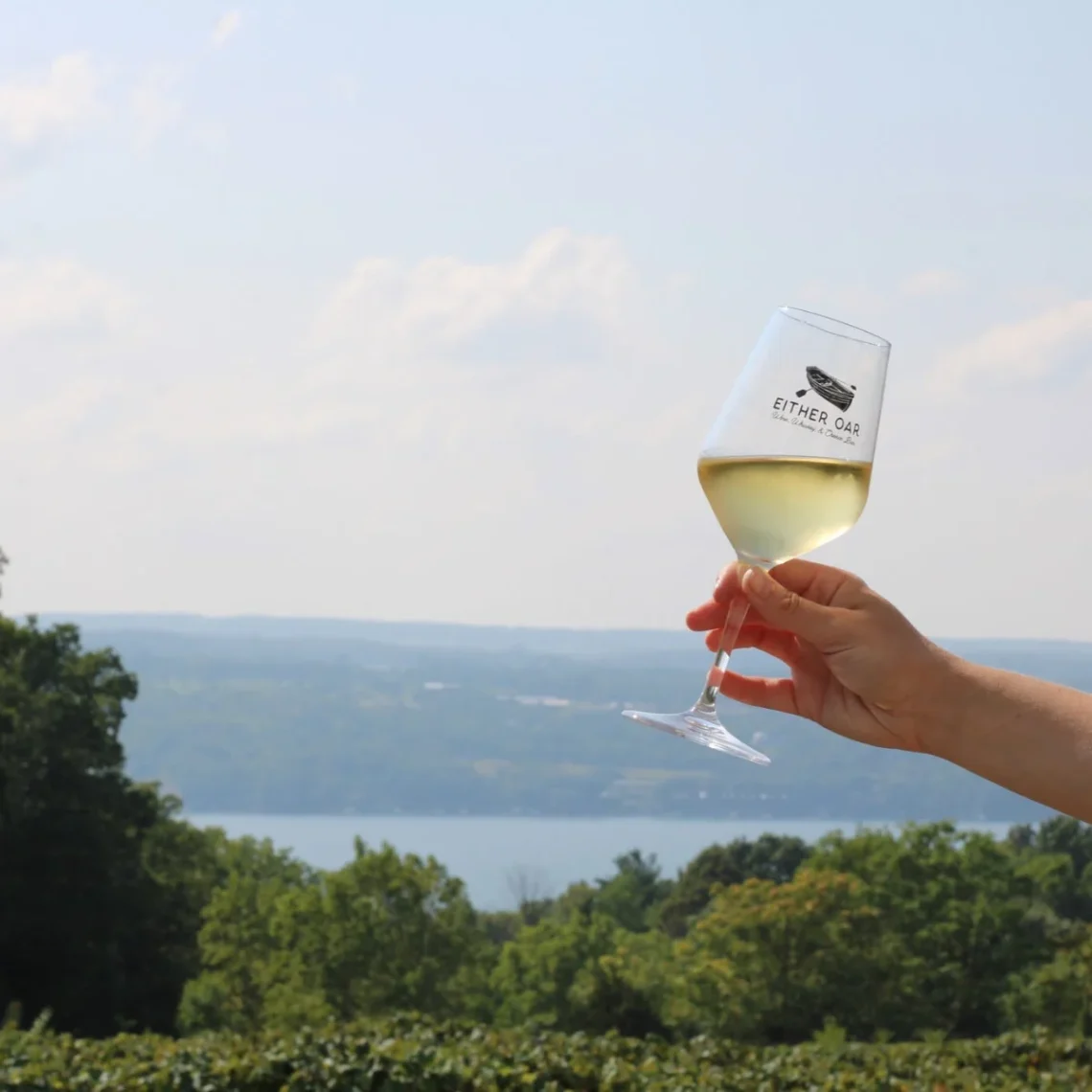
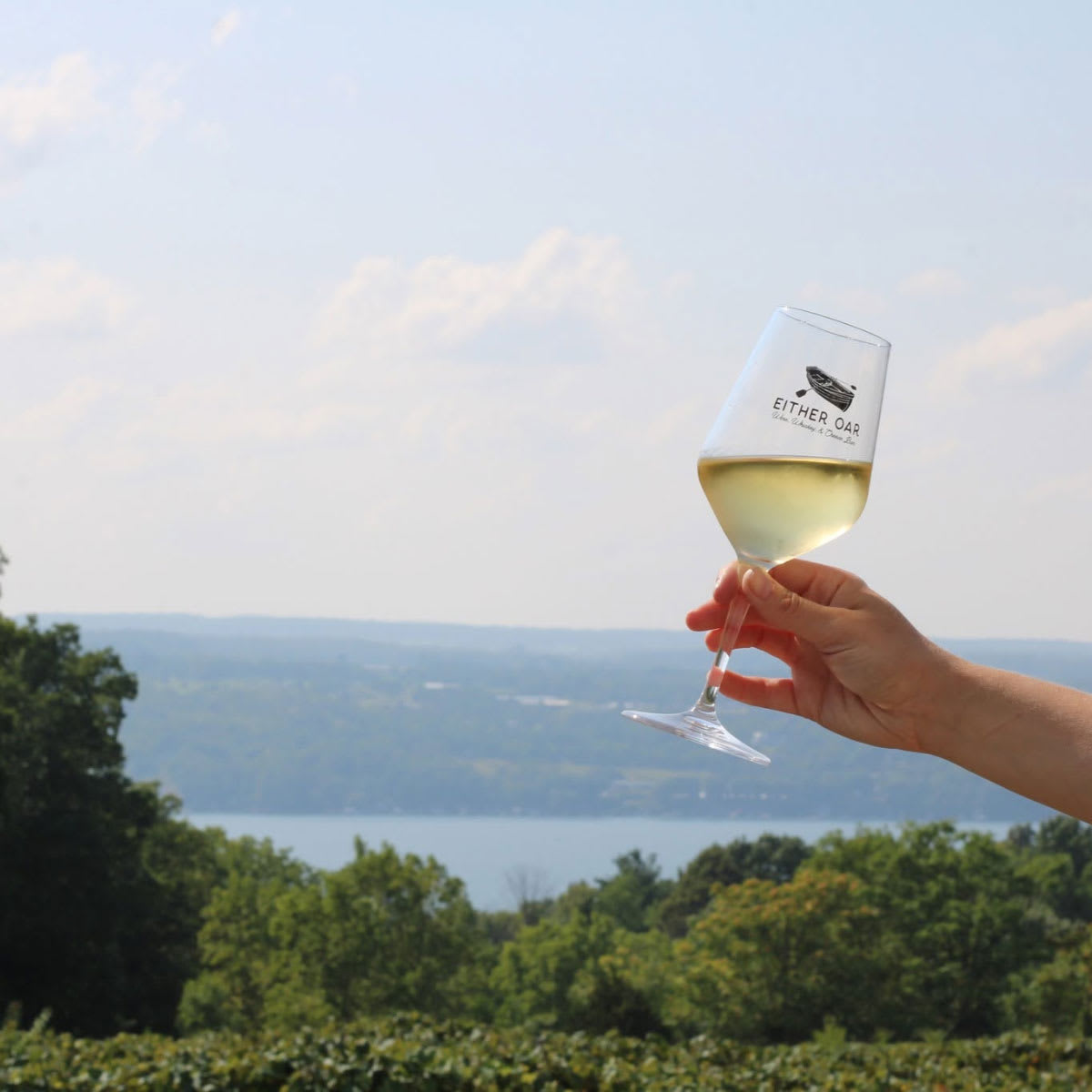
- Either Oar Wine, Whiskey and Cheese Bar: 6075 NY-414, Hector, NY
- Fox Run Vineyards: 670 New York 14, Penn Yan, NY
- Fulkerson Winery: 5576 State Route 14, Dundee, NY
- Glenora Wine Cellars: 5435 New York 14, Dundee, NY
- Hazlitt 1852 Vineyards: 5712 NY-414, Hector, NY
- Hickory Hollow Wine Cellars: 5289 Route 14, Dundee, NY
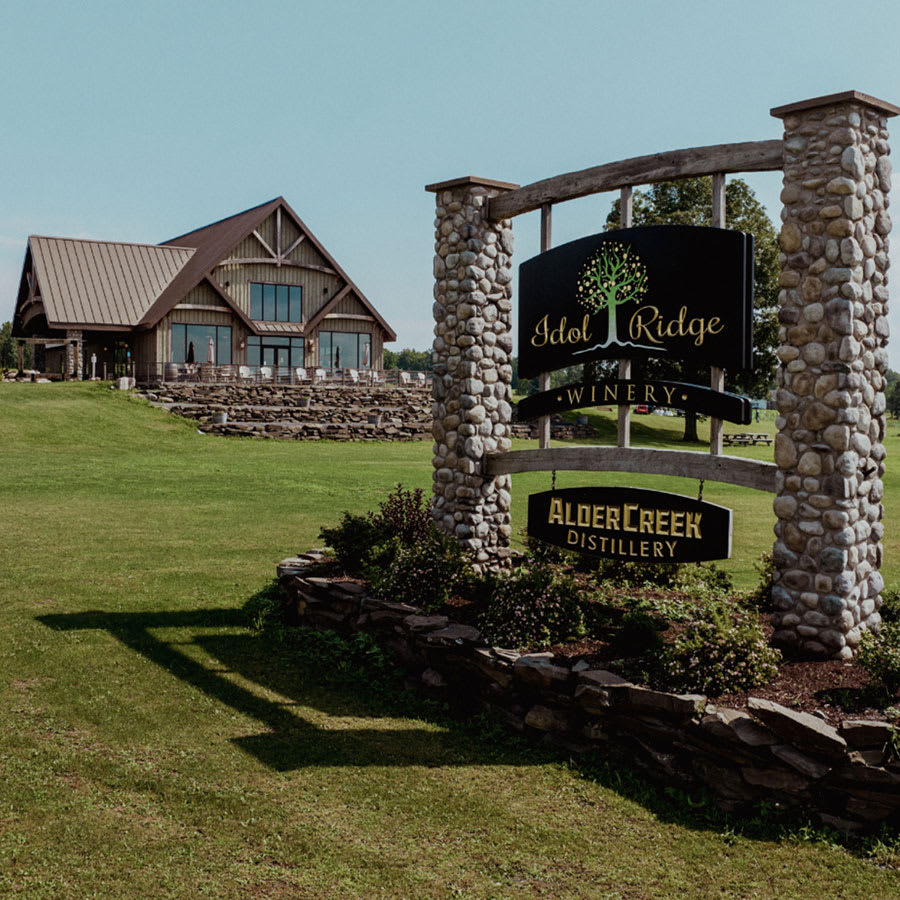
- Idol Ridge Winery: 9059 State Route 414, Lodi, NY
- J.R. Dill Winery: 4922 New York 414, Burdett, NY
- Lakewood Vineyards: 4024 New York 14, Watkins Glen, NY
- Lamoreaux Landing Wine Cellars: 9224 New York 414, Lodi, NY
- Leidenfrost Vineyards: 5677 State Route 414, Hector, NY
- Miles Wine Cellars: 168 Randall Crossing Road, Himrod, NY
- Prejean Winery: 2634 New York 14, Penn Yan, NY
- Red Newt Cellars, Inc.: 3675 Tichenor Road, Hector, NY
- Seneca Shore Wine Cellars: 929 Davy Road, Penn Yan, NY
- Silver Thread Winegarden: 9564 NY-414, Lodi, NY
- Tabora Farm & Winery: 4978 Lakemont-Himrod Road, Dundee, NY
- Three Brothers Wineries & Estates: 623 Lerch Road, Geneva, NY
- Toast Winery: 4499 State Route 14, Rock Stream, NY
- Ventosa Vineyards: 3440 New York 96A, Geneva, NY
- Wagner Vineyards: 9322 New York 414, Lodi, NY