By Paul Clarke
Published: September 24, 2026
Main Facts
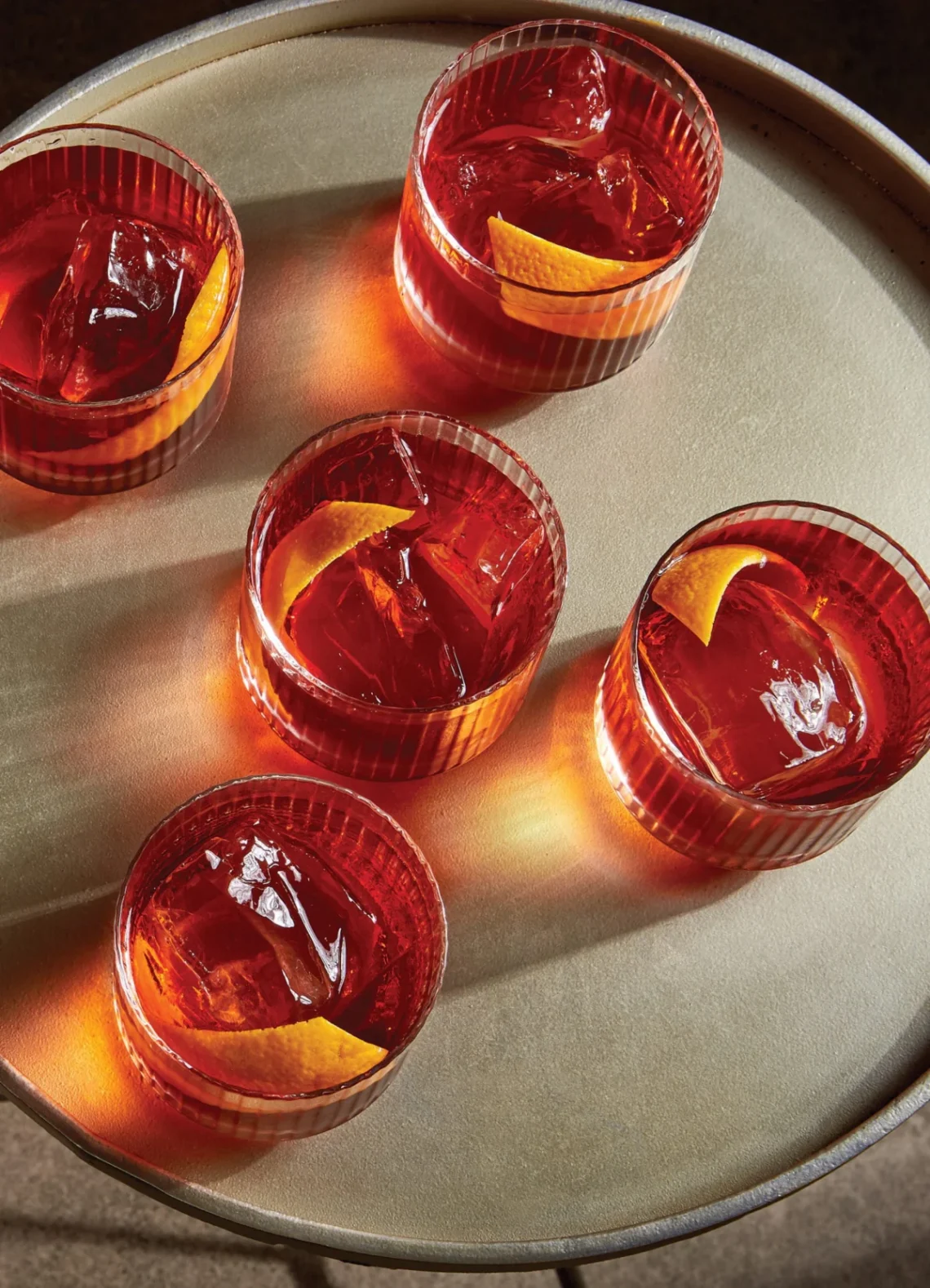
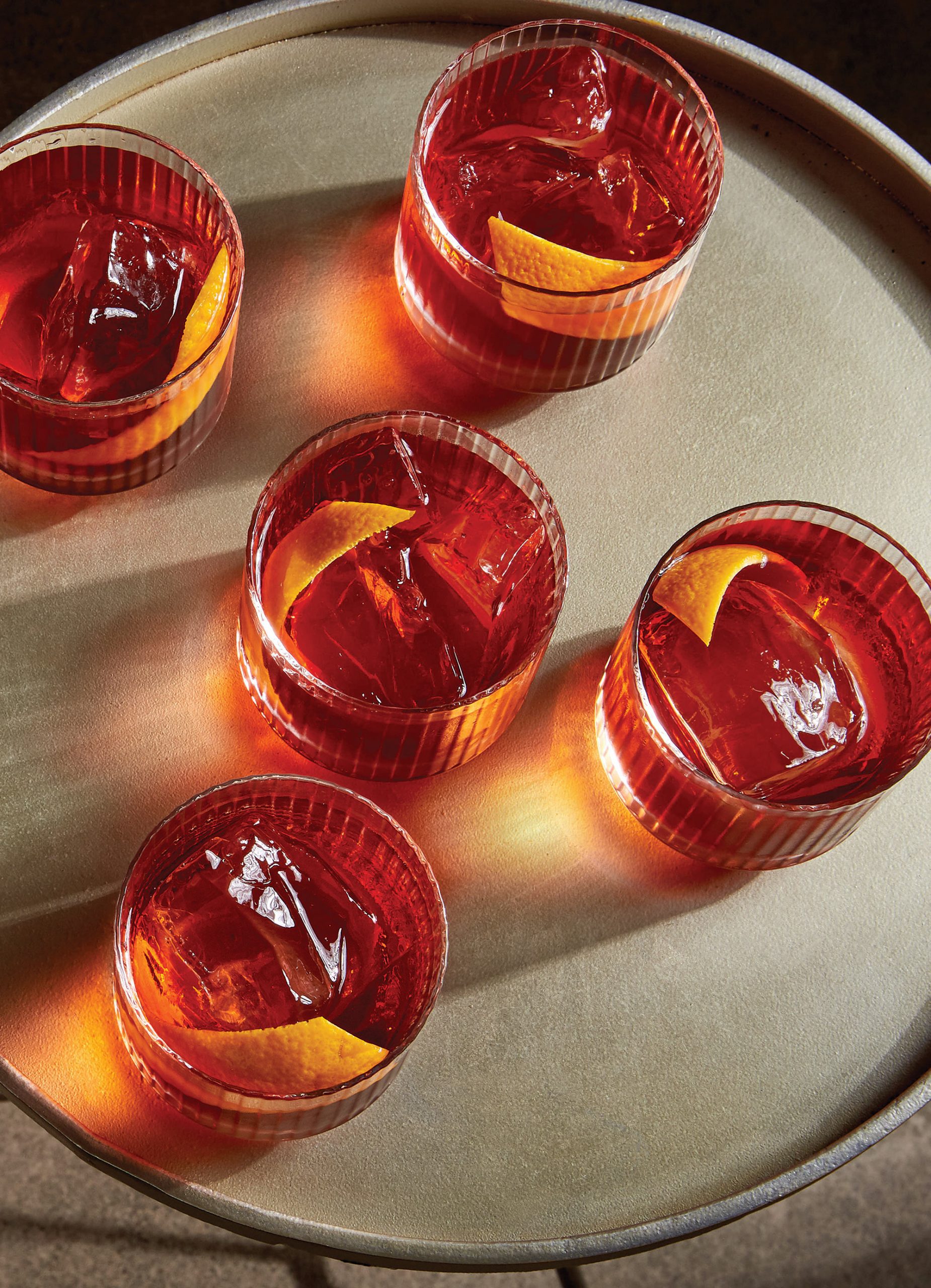
As thousands of bars across the globe mobilize for the annual celebration of Negroni Week, an estimated gazillion variations, iterations, and riffs on the classic cocktail are being poured, shaken, and stirred. Yet, amidst the myriad modern adaptations—ranging from smoky mezcal substitutions to rich, rum-heavy iterations—the cultural anchor remains unmistakably singular. This is not just a Negroni; this is THE Negroni.
Deceptively simple yet structurally profound, the classic Negroni stands shoulder-to-shoulder with the grand pillars of the cocktail canon: the Manhattan, the Martini, the Old Fashioned, and the Daiquiri. Built on a strict, balanced three-ingredient foundation of gin, Campari, and sweet vermouth, the drink requires nothing more than a barspoon, a strainer, a rocks glass, ice, and a citrus garnish.
However, the Negroni’s enduring dominance in modern mixology transcends its effortless recipe. It fundamentally altered the architecture of flavor profiles behind the bar. Before the Negroni claimed its throne, bitterness was largely relegated to a supporting or accent role—a few dashes of aromatic bitters dropped into an Old Fashioned or a bitter undertone buried within a vermouth-heavy Manhattan. The Negroni shattered this paradigm by catapulting bitterness into an equal co-star. By demanding that bitter notes share the spotlight equally with spirituous strength and sweet botanical richness, the cocktail permanently transformed how consumers and bartenders perceive, balance, and utilize bitterness in contemporary drinking culture.
Chronology
To understand the ubiquity of the Negroni during events like Negroni Week, one must look back at both its storied history and its explosive modern renaissance.
- The Early 20th Century (Origins): Folklore and historical beverage research point to Florence, Italy, around 1919, where Count Camillo Negroni reportedly asked his bartender, Fosco Scarselli at Caffè Casoni, to strengthen his favorite cocktail—the Americano—by replacing the club soda with gin. The resulting equal-parts concoction birthed a legend.
- Decades of Quiet Sophistication: For much of the mid-to-late 20th century, the Negroni remained a beloved staple of European aperitivo culture and a favorite among discerning bartenders worldwide, though it sat largely in the shadow of high-volume spirits like vodka and rum during the latter decades.
- 2013 (The Birth of Negroni Week): Co-launched by Imbibe Magazine and Slow Food, Negroni Week made its debut. What started as a modest charitable initiative with a few hundred participating venues quickly snowballed into a massive global phenomenon, uniting thousands of bars, restaurants, and cocktail enthusiasts in the name of hospitality and philanthropy.
- Present Day (2026): The cocktail has evolved into a global movement. While bartenders continually experiment with regional spirits, barrel-aging techniques, and alternative bitter agents, the foundational equal-parts recipe remains a global touchstone, celebrated annually while supporting long-standing philanthropic partners like Slow Food.
Supporting Data
The global footprint of the Negroni ecosystem is defined by staggering metrics of participation, community engagement, and culinary evolution:
- Global Participation: Thousands of bars, cafes, and hospitality venues across more than 60 countries actively participate in annual Negroni Week celebrations.
- The Golden Ratio: The standard, old-school, equal-parts template relies on:
- 1 oz. Gin (though contemporary preferences occasionally nudge this up to 1.5 oz. for a stiffer backbone)
- 1 oz. Campari
- 1 oz. Sweet Vermouth
- The Canon: The Negroni shares its structural classification with four other fundamental historical cocktail templates: the Manhattan, the Martini, the Old Fashioned, and the Daiquiri.
- Philanthropic Impact: Since its inception, Negroni Week initiatives—in close partnership with organizations such as Slow Food—have raised millions of dollars for charitable causes, funding food education, sustainable agriculture, and community-driven hospitality initiatives worldwide.
Official Responses and Industry Perspectives
The cultural weight carried by the Negroni has drawn commentary from leading voices in the global spirits and hospitality community. Bartenders, cultural historians, and culinary organizations view the drink not merely as a commercial success, but as a masterclass in liquid balance.
Industry veterans emphasize that the brilliance of the Negroni lies in its forgiving yet uncompromising nature. "It’s a drink that invites interpretation while remaining anchored to its roots," notes mixologists who participate annually in global charity drives. Whether a bartender opts for a contemporary heavy-gin pour or dials back the vermouth to let the bitter orange profile of Campari shine, the core integrity of the drink remains intact.

Furthermore, partner organizations like Slow Food have continually praised the hospitality industry’s dedication to combining craft culture with social good. Representatives highlight that the global enthusiasm surrounding the Negroni acts as a powerful vehicle for driving awareness toward sustainable food systems, ethical sourcing, and community resilience within the culinary arts.
Implications
The enduring legacy and contemporary dominance of the Negroni carry profound implications for the future of global drinking culture, bar economies, and culinary trends.
1. The Normalization of Bitterness
Perhaps the most significant long-term impact of the Negroni’s rise is the mainstream adoption of bitter flavor profiles. Historically, the Western palate heavily favored sweet, sour, or straightforward spirit-forward profiles. By making bitterness an equal partner in the glass, the Negroni paved the way for the explosive growth of amaros, vermouths, fernets, and aperatifs across global markets. Consumers are no longer intimidated by bitter notes; they actively seek them out, fundamentally shifting commercial product development for distilleries worldwide.
2. Philanthropy as a Core Tenet of Modern Hospitality
Negroni Week proved that large-scale commercial hospitality and grassroots social activism can seamlessly merge. The model established by the event has inspired numerous other cocktail-centric charitable campaigns, demonstrating that consumers are eager to support establishments that align with positive social and environmental values. This has elevated the cultural status of bartenders and bar owners from mere service providers to active community stakeholders.
3. The Balance Between Tradition and Innovation
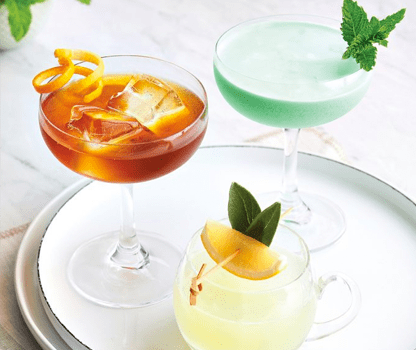
As "riffs" on the classic continue to dominate menus—such as the whiskey-based Boulevardier or the rum-forward Kingston Negroni—the industry maintains a healthy dialogue between honoring historical craftsmanship and pushing creative boundaries. The Negroni serves as an educational baseline for aspiring bartenders, proving that complexity does not require a laundry list of esoteric ingredients; rather, it blooms from the thoughtful intersection of quality, proportion, and balance.
As cocktail hour rolls around and glasses are filled with ice, a bright crimson pour, and an aromatic orange twist, the Negroni remains firmly seated at the heart of modern civilization’s drinking culture—reminding us all that sometimes, the simplest things are the most revolutionary.