By Paul Clarke
Published: September 24, 2026
Photography by John Valls
Main Facts: The Indelible Legacy of a Three-Ingredient Icon
As thousands of bars across the globe open their doors to participate in the annual global phenomenon known as Negroni Week, a literal ocean of ruby-red cocktails—alongside countless innovative riffs and contemporary variations—is poured in the name of charity and community. In the midst of these worldwide celebrations, identifying the ultimate drink of choice requires very little guesswork.
We are not talking about just a Negroni. We are talking about THE Negroni.
Few beverages in the history of mixology achieve the rare status of being simultaneously iconic and profoundly simple. The classic Negroni functions as a vital supporting pillar for the entire modern cocktail canon. Composed of a strict three-ingredient formula, it sits comfortably alongside royalty like the Manhattan, the Martini, the Old Fashioned, and the Daiquiri—the unshakeable mainstays upon which cocktail civilization was built.
Yet, despite its structural kinship with these historical giants, the Negroni introduces a fundamental, palate-shifting element that completely distinguishes it from its peers: unapologetic, starring-role bitterness.
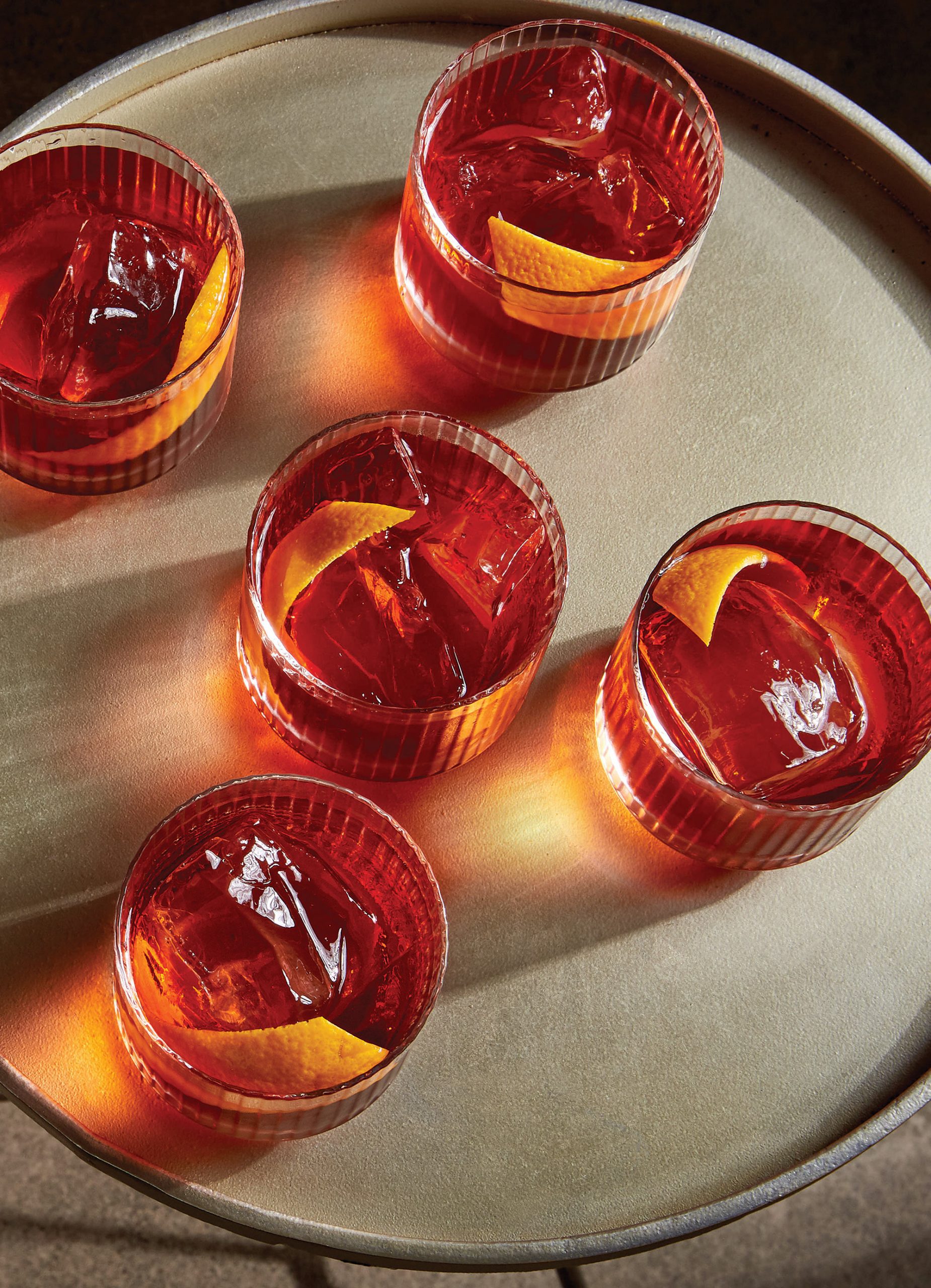
Before the birth of the Negroni, bitterness was largely relegated to a supporting or accentuating role behind the American and European bars of the late 19th and early 20th centuries. Bitters were traditionally treated as aromatic seasoning—judiciously dripped in small dashes into an Old Fashioned to season the whiskey, or riding quietly alongside sweetness in the rich, fortified-wine depths of a Manhattan’s vermouth pour.
The Negroni changed the rules of engagement entirely. By giving equal billing to a bitter liqueur, the recipe elevated bitterness from a backstage condiment to an essential, center-stage co-star. No longer whispering from the wings, the bitter component stepped squarely into the spotlight, forever altering the collective palate of the drinking public and expanding the utility and relevance of bitter flavor profiles across the global hospitality landscape.
Chronology: From Florentine Origins to a Global Movement
To truly understand why the Negroni commands such reverence during its dedicated global week, one must trace the timeline of how a simple European aperitivo evolved into an international culinary anchor.
The 1919 Genesis
While cocktail history is often muddied by competing folklore, the universally accepted origin of the Negroni points to Florence, Italy, in the year 1919. Legend states that Count Camillo Negroni, a man with a penchant for strong drink, walked into the historic Caffè Casoni (now Caffè Giacosa) and asked the bartender, Fosco Scarselli, to strengthen his favorite cocktail—the Americano (which paired Campari, sweet vermouth, and club soda) by substituting the soda water with a healthy splash of gin. Scarselli obliged, garnishing the glass with an orange slice rather than the traditional lemon peel used for the Americano. The drink was born, and the Count’s surname became immortalized.
The Mid-Century Lull and Revival
For decades, the Negroni remained a European staple—beloved by bartenders and Italophiles, but largely overshadowed in North America by vodka-based highballs and whiskey classics. It wasn’t until the craft cocktail renaissance of the early 2000s that modern mixologists began rediscovering pre-prohibition classics. Bartenders, digging through dusty recipe books, realized that the equal-parts structure of the Negroni offered a masterclass in balance: the botanical bite of gin, the bittersweet botanical punch of Campari, and the rich, herbal complexity of sweet vermouth.

The 2013 Launch of Negroni Week
A massive turning point for the beverage arrived in 2013, when Imbibe magazine launched Negroni Week in partnership with Slow Food. What began as a modest collaborative effort with roughly 100 participating venues—all raising money for charitable causes through the sale of the cocktail—exploded over the next decade. By the mid-2020s, the initiative expanded to thousands of venues worldwide, raising millions of dollars for charitable organizations while cementing the drink’s status as a cultural touchstone.
Supporting Data: The Anatomy of Equal Parts
The enduring genius of the classic Negroni lies in its mathematical and sensory symmetry. While bartenders love to tinker, the traditional blueprint remains a masterclass in minimalism.
The Classic Negroni Recipe
- 1 oz. Gin: Provides the structural backbone and botanical high notes. (Traditionalists lean toward a London Dry, though contemporary craft gins with citrus-forward or floral profiles offer exciting dimensions).
- 1 oz. Campari: The irreplaceable red heart of the drink, delivering intense bitterness, vibrant color, and complex notes of rhubarb, orange peel, and quinine.
- 1 oz. Sweet Vermouth: Rounds out the edges with botanical sweetness, baking spices, and lush, wine-based texture.
Preparation & Specifications
- Tools: Barspoon, straining gear.
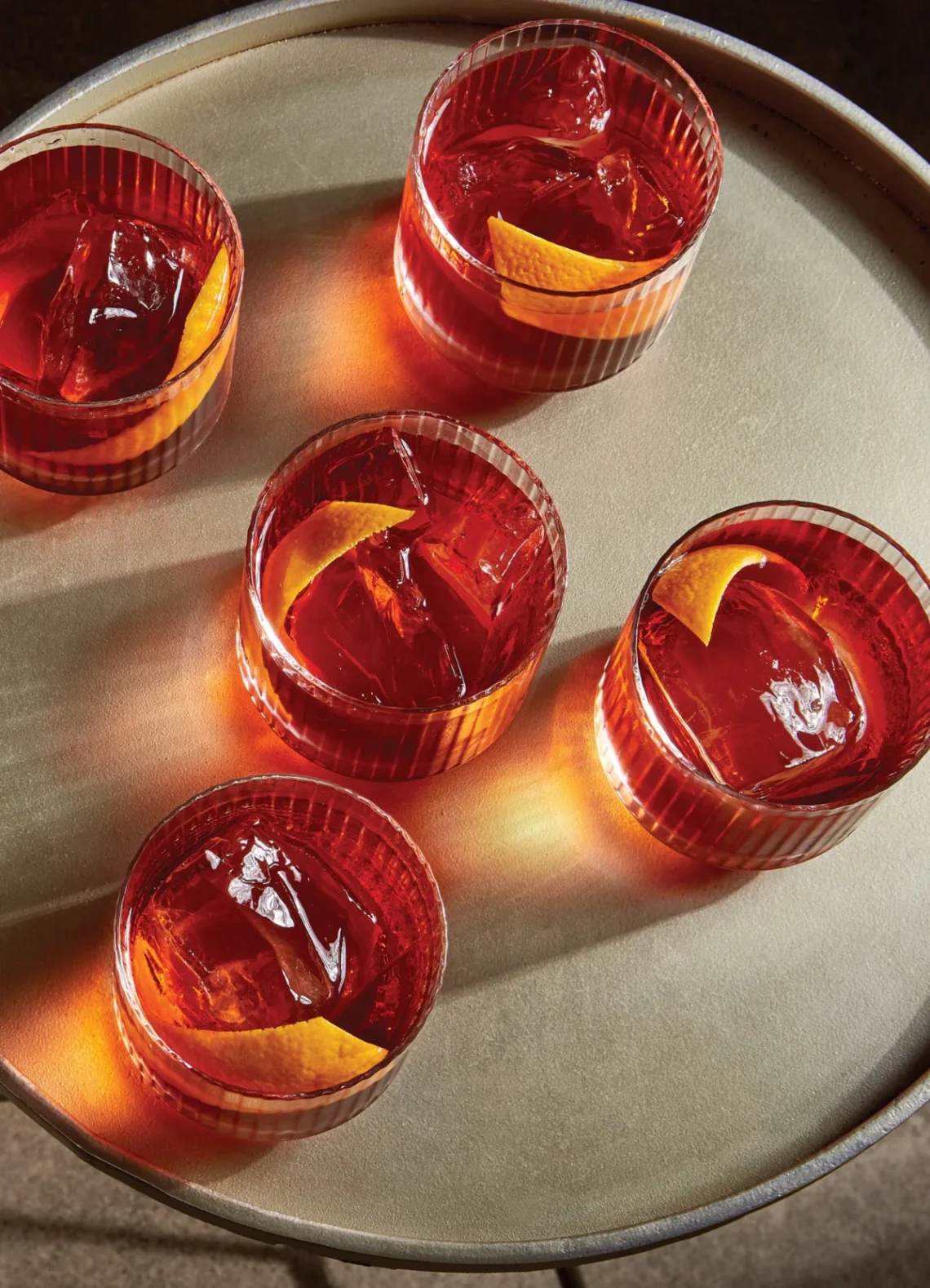
- Glassware: Rocks glass (Old Fashioned glass).
- Garnish: Fresh orange slice or a bright orange peel twist.
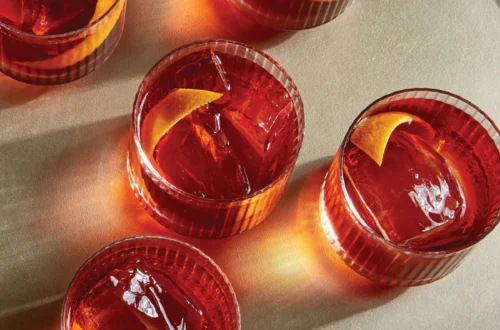
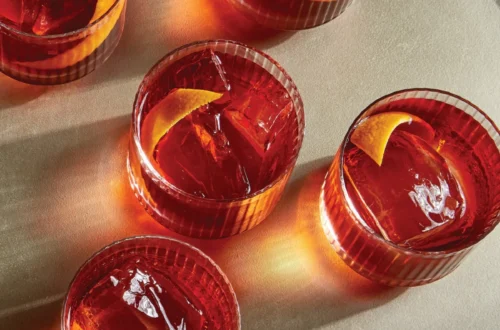
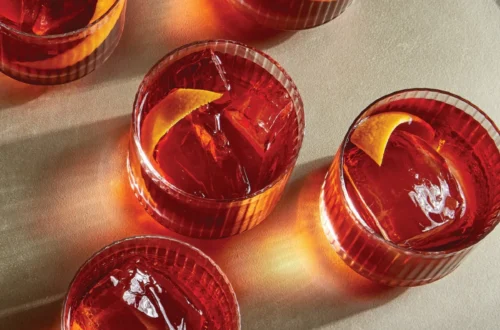
Method: Combine the gin, Campari, and sweet vermouth in a mixing glass filled with ice. Stir well to achieve proper dilution and chilling. Strain the mixture into a rocks glass filled with fresh ice—or poured over a single, crystal-clear large ice cube. Express the oils of an orange twist over the surface and drop it into the glass, or garnish neatly with an orange wheel.
Official Responses and Perspectives from Behind the Bar
The evolution of the Negroni has not meant stagnation; rather, it has inspired a golden age of creative adaptation. Bartenders and industry veterans regularly weigh in on how the drink continues to shape modern mixology.
"This is the old-school, equal-parts version," notes cocktail historian and writer Paul Clarke. "This is how I like ’em, and how I mix Negronis at home. But maybe you prefer the more contemporary take, stepping up the gin to 1 ½ oz.? Or maybe tweaking the proportions of vermouth and/or Campari to your taste? In that case, as the saying goes, you do you."
This philosophy of flexible adherence has given rise to a rich ecosystem of Negroni relatives. The Boulevardier—which swaps gin for bold, assertive bourbon or rye whiskey—creates a warmer, woodier profile suited for cooler evenings. Meanwhile, the Kingston Negroni, created by bartender Heath Judicial, replaces gin with funky, high-ester Jamaican rum, tropicalizing the Italian classic and proving that the foundational ratio can anchor entirely different spirit families.
Yet, despite the appeal of these modern riffs, there remains a magnetic pull toward the original. "I’m always happy to have a Boulevardier or a Kingston Negroni in front of me," Clarke reflects. "But today, I’m celebrating cocktail hour in the company of the drink at the heart of it all."
Implications: The Cultural and Economic Impact of a Bitter Revolution
The rise, fall, and meteoric resurgence of the Negroni carry profound implications for the global beverage and hospitality industries.
- The Mainstreaming of Bitters: By proving that consumers will actively seek out and pay for bitterness, the Negroni paved the way for the broader amaro boom. Today, previously niche Italian digestifs, high-end vermouths, and craft bitters occupy prime real estate on back bars worldwide, entirely reshaping consumer palates away from overly sweet, syrup-heavy concoctions.
- Philanthropy Through Hospitality: Negroni Week demonstrated that the global bar community can unite on an unprecedented scale for social good. By partnering with organizations like Slow Food—an international movement dedicated to preventing the disappearance of local food cultures and traditions, championing food biodiversity, and making good, clean, and fair food accessible to all—the cocktail industry has leveraged its cultural capital to drive meaningful environmental and agricultural advocacy.
- The Power of Simplicity in an Age of Maximalism: In an era where craft cocktail menus often read like chemistry textbooks featuring hyper-clarified foams, smoke infusions, and house-made shrubs, the enduring dominance of the three-ingredient Negroni serves as a humbling reminder. It proves that ultimate quality relies not on complexity, but on the precise, harmonious balance of exceptional core ingredients.
As Negroni Week continues to grow year after year, the crimson cocktail stands tall—not merely as a trend, but as an eternal monument to the beauty of a well-balanced bitter drink.