Main Facts
In late 2019, a series of papers published in the Annals of Internal Medicine sent shockwaves through the nutritional science community and public health sectors. Authored by an international panel operating under the moniker NutriRECS, these studies reached a conclusion that directly contradicted decades of established public health consensus: they suggested that individuals should continue consuming unprocessed red meat and processed meats at their current levels.
This recommendation came despite the fact that the panel’s own meta-analyses and data reviews identified clear statistical associations between high meat intake and increased risks of severe chronic illnesses. According to their own findings, moderate reductions in red and processed meat consumption could yield substantial health benefits—including lowering total mortality by 13%, heart disease mortality by 14%, cancer mortality by 11%, and the risk of developing type 2 diabetes by 24%.
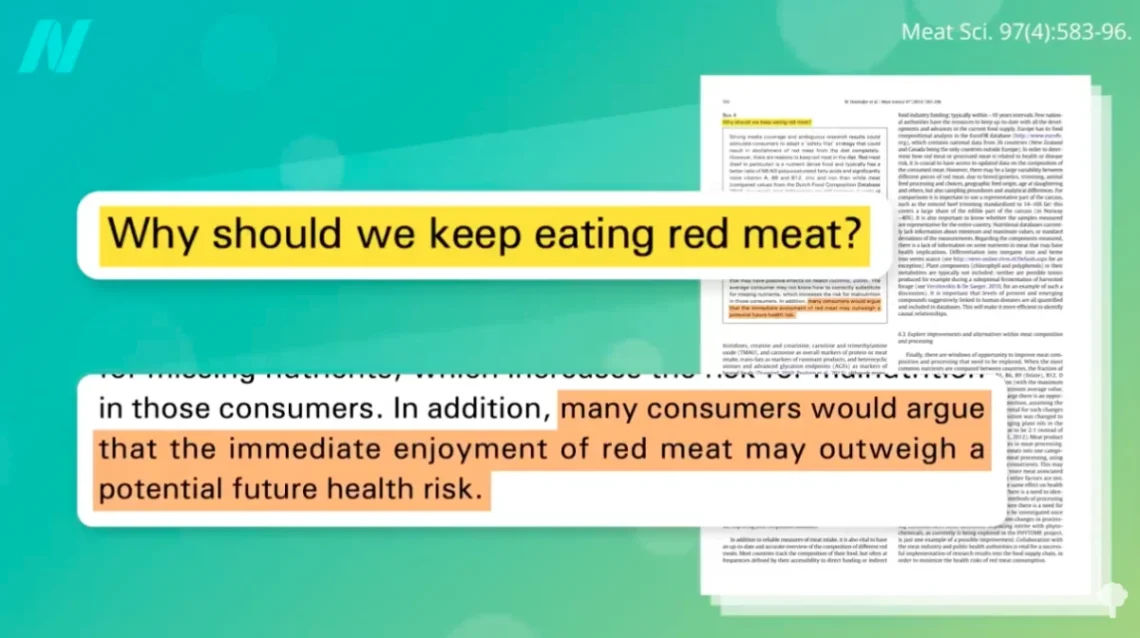
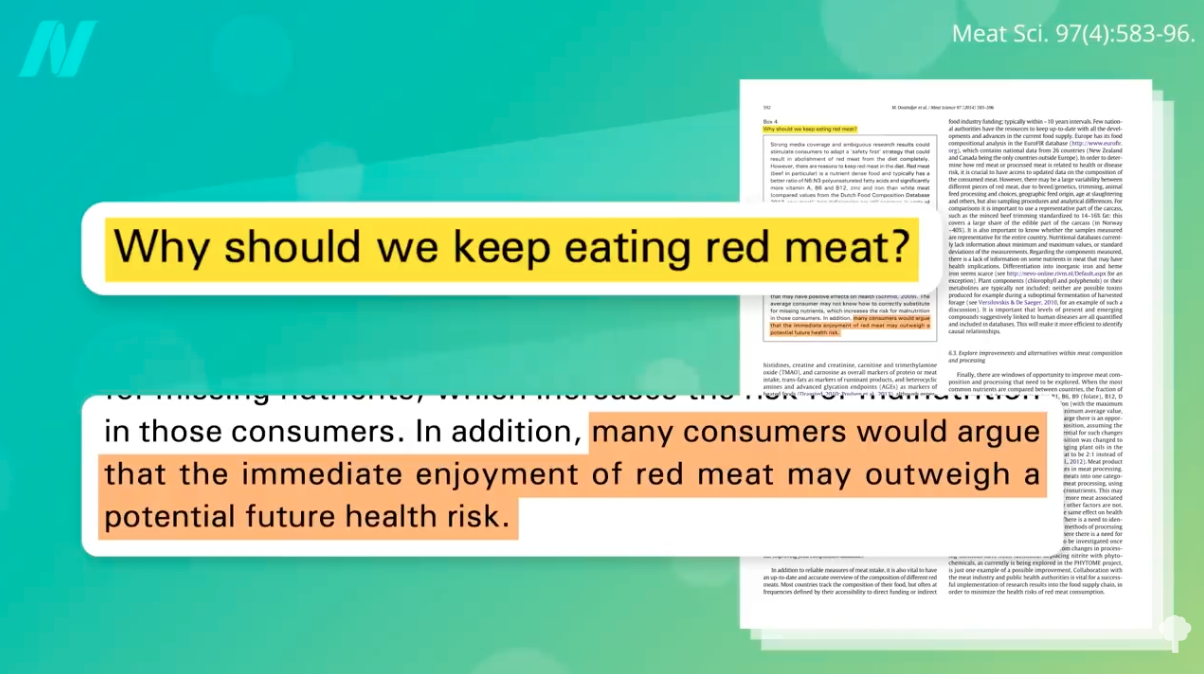
Yet, rather than translating these findings into traditional public health warnings, the panel concluded that the health risks were "low" in absolute terms and that the pleasure of eating meat outweighed the statistical dangers. Consequently, the guidelines effectively prioritized consumer taste preferences and dietary habits over rigorous epidemiological findings linking meat consumption to cancer, cardiovascular disease, and premature death. This sparked a fierce backlash among independent researchers, epidemiologists, and institutional public health advocates, who labeled the recommendations unscientific, misleading, and heavily compromised by industry ties.
Chronology
To understand how these controversial guidelines came to be, it is necessary to trace the timeline of events leading up to and immediately following their publication:
- Pre-2019 Consensus: Decades of epidemiological research, cohort studies, and meta-analyses accumulate, leading major global health organizations—including the World Health Organization (WHO) and the American Heart Association—to advise limiting red and processed meat intake to reduce the risk of colorectal cancer, cardiovascular disease, and type 2 diabetes.
- September 2019: The NutriRECS consortium publishes a series of systematic reviews and a new set of dietary guidelines in the Annals of Internal Medicine. The papers suggest that adults do not need to alter their red or processed meat consumption, sparking immediate global media attention.
- Late September to October 2019: Public health experts and academic institutions react with alarm. Prominent nutrition scientists and physicians issue public rebukes, pointing out the stark contradiction between the papers’ own data—which showed clear health risks—and their final recommendations.
- October 4, 2019: Investigative reports reveal that lead researchers on the panel had previously omitted or underreported past ties to food industry funding, further fueling ethical concerns regarding the independence of the guidelines.
- Late 2019 and Beyond: Petitions are filed with regulatory bodies like the Federal Trade Commission (FTC) challenging the scientific integrity of the publications and the associated press releases. The controversy becomes a major case study in how industry influence and methodological shifts can distort public health communications.
Supporting Data
The core controversy of the 2019 papers centers on methodology and the interpretation of risk. The NutriRECS panel based their recommendations on the GRADE (Grading of Recommendations Assessment, Development, and Evaluation) criteria—a framework originally designed to evaluate pharmaceutical trials, such as randomized, double-blind, placebo-controlled tests for drugs.
The Methodology Debate
Critics argued that applying pharmaceutical-grade criteria to nutritional and lifestyle epidemiology is fundamentally flawed. In nutrition science, conducting lifelong, blinded, randomized controlled trials on human subjects is practically and ethically impossible. People cannot be forced to adhere to strict, randomized diets for decades while isolated from confounding variables. Consequently, applying strict GRADE standards to dietary research inevitably downgrades the certainty of evidence for nearly all nutritional, lifestyle, and environmental factors—including physical inactivity, sleep deprivation, air pollution, and sugar-sweetened beverage consumption.
Dr. David Katz, founder of Yale’s Prevention Research Center, noted that if the exact same methodology were applied uniformly, strict criteria would force public health agencies to declare that there is insufficient evidence to recommend quitting smoking, exercising, or avoiding passive smoke.
The Contradiction in Findings
Even after discounting the vast majority of available observational evidence using these strict criteria, the panel’s own systematic reviews still found statistically significant correlations:
- A diet lower in red and processed meat is associated with a decreased risk of premature death.
- Cardiometabolic disease and mortality rates drop when meat intake is reduced.
- Incidence rates and mortality associated with cancers, particularly colorectal cancer, decrease alongside reduced meat consumption.
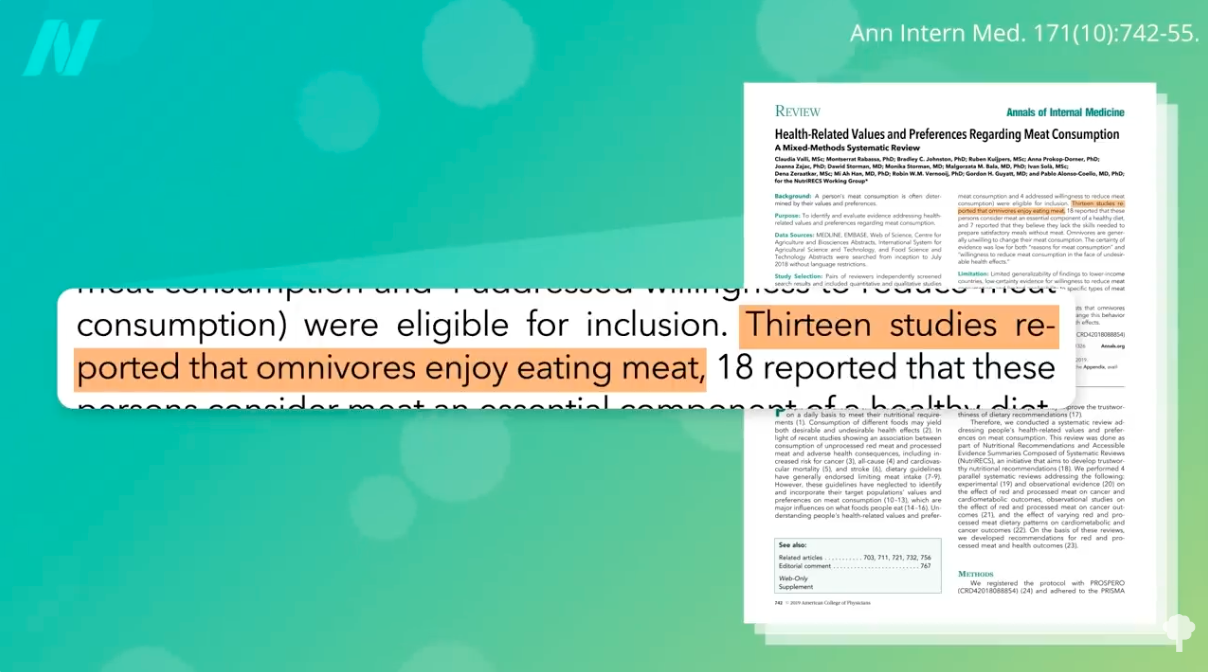
Despite these admissions, the panel calculated that the absolute risk reduction for an individual was small enough to be deemed "acceptable." In short, they argued that the statistical risk of contracting a life-threatening illness was outweighed by the psychological and sensory satisfaction omnivores derive from eating meat—a concept researchers termed the "taste cost."
Official Responses
The publication of the guidelines triggered an unprecedented wave of pushback from institutional leaders, independent epidemiologists, and medical societies worldwide.
Academic and Institutional Condemnation
Leading nutritional scientists from institutions such as Harvard T.H. Chan School of Public Health immediately published critiques dismantling the methodology and conclusions of the NutriRECS papers. They pointed out that the findings were internally inconsistent, functioning essentially as an endorsement of meat consumption masquerading as evidence-based medicine.
Dr. David Katz famously characterized the guidelines as "anti-science," noting:
"Guidelines opposing the very data on which they purport to be based are not science; they are anti-science."
Critics also drew direct analogies to absurd public health scenarios, suggesting that using the panel’s logic, one could argue against wearing motorcycle helmets or quitting smoking because some individuals simply prefer the sensation of riding bareheaded or enjoy the immediate gratification of nicotine.
Conflict of Interest Scrutiny
Compounding the scientific criticism were profound concerns regarding financial conflicts of interest. Investigative journalism revealed that members of the NutriRECS panel had received funding or institutional support linked to organizations with historical financial backing from the meat and food processing industries. Although some panel members defended their independence, the revelations damaged the credibility of the papers and led to formal petitions calling for retractions or corrections regarding disclosures of industry ties.
Implications
The fallout from the 2019 meat controversy extends far beyond a single academic journal; it carries deep implications for how nutritional science is conducted, communicated, and translated into public policy.
1. Erosion of Public Trust in Nutritional Science
When high-profile journals publish contradictory guidelines backed by questionable methodologies, the general public is left confused. Constant shifts in dietary messaging—summarized colloquially by headlines telling consumers to "forget about cancer, just eat your burger"—erode public confidence in scientific institutions. This confusion benefits commercial interests that profit from dietary ambiguity, making it harder for everyday consumers to make informed health choices.
2. The Danger of "Preference-Based" Guidelines
NutriRECS pioneered an explicit shift toward incorporating patient preferences and lifestyle attachments directly into clinical guidelines. While understanding consumer behavior is valuable for public health outreach, allowing personal preference to override empirical health data sets a dangerous precedent. If guidelines are tailored to what people want to hear rather than what the evidence shows, public health policy ceases to be a tool for disease prevention and instead becomes an echo chamber for existing dietary habits.
3. Re-evaluating Industry Influence on Research
The episode serves as a watershed moment for transparency in nutritional research. It underscores the urgent need for stricter journal disclosure policies, independent funding streams, and rigorous peer-review processes that can withstand commercial pressures. As chronic lifestyle diseases remain a leading cause of global morbidity and mortality, maintaining the integrity of dietary guidelines is essential to safeguarding public health on a global scale.