Main Facts: The Modern Mineral Imbalance
In the landscape of modern nutritional science, few dietary culprits loom as large as sodium. High dietary sodium intake is recognized globally as a leading risk factor for premature death, claiming millions of lives annually. Its primary mechanism of destruction is silent and insidious: hypertension, or high blood pressure. Frequently dubbed the "silent and invisible killer" because it rarely presents overt symptoms, hypertension remains one of the most powerful independent predictors of stroke, heart attack, and progressive kidney damage.
However, the problem with our modern diet is not merely that we consume too much sodium; it is that we have completely inverted an evolutionary nutritional pattern. Humans evolved eating a diet rich in potassium and remarkably low in sodium—a pattern anchored in the consumption of traditional plant-based foods such as fresh fruits, leafy greens, roots, and tubers. Today, that physiological blueprint has been flipped on its head.
Modern diets are dominated by ultra-processed, sodium-laden convenience foods that have been aggressively stripped of potassium. Consequently, potassium has been designated a "nutrient of public health concern" by health agencies, with an astonishing 98% of the U.S. population failing to reach the recommended minimum daily intake.
While physicians frequently warn patients about sodium, far fewer advise them to increase their potassium intake to help control blood pressure. Yet, robust meta-analyses have consistently confirmed that high potassium intake directly reduces the risk of stroke. Intriguingly, this reduction in stroke risk occurs independently of blood pressure lowering effects. Potassium offers distinct vascular protections, including the suppression of blood clot formation, the reduction of arterial stiffening, and the mitigation of free radical generation.
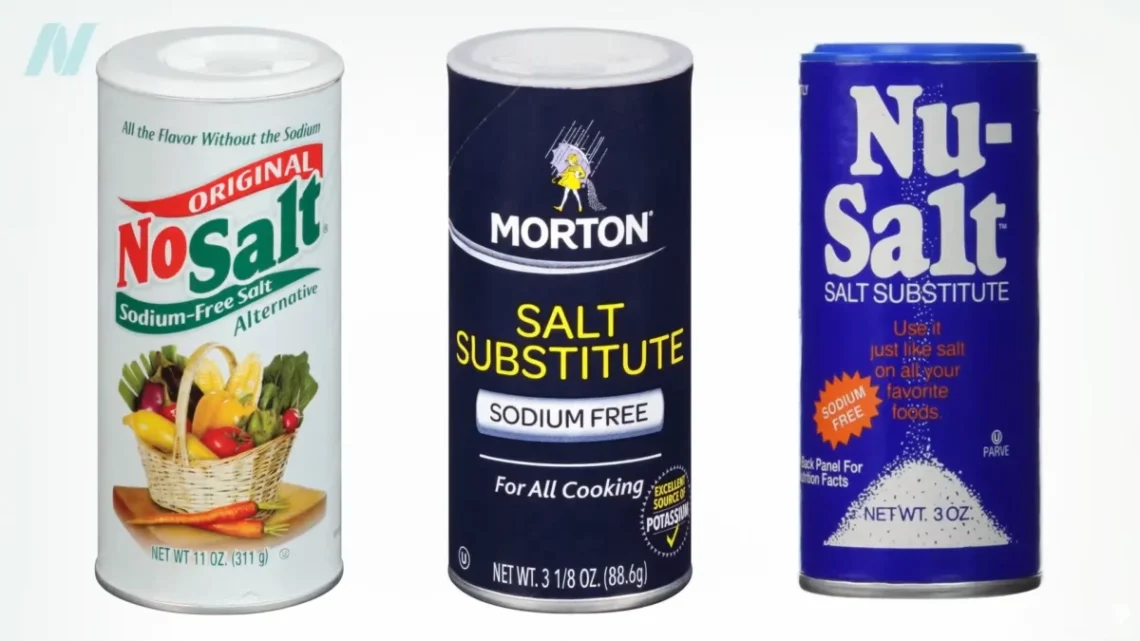
Statistically, the dietary divide is stark: higher sodium intake is associated with a 20% increased risk of premature death, whereas higher potassium intake is linked to a 20% reduced risk of early mortality. To bridge this gap, researchers and clinicians are increasingly turning their attention to a deceptively simple intervention: replacing standard table salt (sodium chloride) with potassium chloride-based salt substitutes.
Chronology: From Evolutionary Diets to Modern Clinical Trials
To understand how we arrived at the current exploration of potassium chloride, it is helpful to trace the historical timeline of our dietary habits and the accumulation of scientific evidence surrounding salt substitutes.
- Prehistoric Era: Human physiology evolved on a plant-heavy, paleolithic diet characterized by high potassium and low sodium concentrations.
- The Industrial Era: The rise of food processing radically shifted industrial food manufacturing toward sodium chloride as a cheap preservative and flavor enhancer, systematically purging potassium from the human food supply.
- Late 20th Century: Epidemiological studies began linking high sodium consumption to surging rates of hypertension and cardiovascular disease, prompting the medical community to issue public health warnings focused strictly on salt reduction.
- Early 2000s: Researchers began investigating the dual approach of not only reducing sodium but actively boosting potassium. Early trials demonstrated that supplemental potassium could lower blood pressure and protect against vascular damage.
- The Veterans’ Retirement Home Study: In a landmark trial spanning roughly two and a half years, kitchens in five veterans’ retirement homes were randomized to use either regular salt or a 50/50 blend of potassium chloride. The results were striking: the half-potassium group cut their risk of cardiovascular death by approximately 40% and gained up to a year in life expectancy.
- Recent Decades: Clinical backing expanded to include approximately 10 major studies comprising 11 randomized controlled trials, culminating in massive, multi-year international trials (such as a 600-village, 20,000-person study in China) examining the macro-level impacts of salt substitution on stroke, cardiovascular events, and all-cause mortality.
Supporting Data: What the Clinical Trials Reveal
Skeptics might argue that low sodium and high potassium are simply markers for an overall healthy lifestyle—indicators that an individual eats plenty of beans and greens while avoiding processed junk. However, rigorous randomized controlled trials have repeatedly proven a direct, cause-and-effect relationship.
Randomized trials consistently demonstrate that reducing sodium intake leads to measurable drops in blood pressure, just as trials administering supplemental potassium show similar blood pressure reductions. This has led researchers to investigate potassium chloride—a naturally occurring mineral salt obtained through processes similar to regular sodium salt—as an ideal zero-sodium substitute.
The empirical data supporting salt substitutes is exceptionally strong:
- Hypertension Prevention: Across 10 studies encompassing 11 randomized controlled trials, swapping regular salt for potassium chloride blends has consistently driven significant blood pressure reductions in hypertensive individuals.
- The Quarter-Salt Trial: In a study where household salt was replaced with a blend containing just 25% potassium chloride, researchers found that most participants either could not tell the difference or actively preferred the mixed salt. Crucially, the use of even this modest quarter-substitute was associated with cutting the risk of developing hypertension in half.
- Life Expectancy Impacts: In the aforementioned veterans’ retirement home study, switching to a 50/50 potassium chloride blend reduced cardiovascular mortality by 40%. The life-expectancy difference observed in 70-year-olds was described as "equivalent to that which would have naturally occurred in 14 years," effectively rolling back participants’ cardiovascular age by over a decade.
- Massive Population Trials: A recent large-scale randomized controlled trial conducted across 600 villages in China, following more than 20,000 participants over five years, evaluated a salt substitute composed of 75% sodium chloride and 25% potassium chloride. The findings confirmed that the substitute reduced not only strokes and overall cardiovascular events, but also the risk of death from all causes combined.
Official Responses and Cultural Context: The Global Landscape
Despite the compelling data, the adoption of potassium chloride salt substitutes varies widely across the globe, driven largely by how different food cultures consume sodium.
China serves as an ideal case study for large-scale interventions. Up to 75% of the Chinese population’s sodium intake originates from salt added manually in the home kitchen or dining room. This centralized point of use makes community-wide salt substitution trials highly feasible and effective, as demonstrated by the massive multi-village trials.
Conversely, in Western nations like the United States, the vast majority of dietary sodium does not come from the salt shaker on the dining table. Instead, it is prepackaged into meat, bread, canned goods, and ultra-processed convenience foods by manufacturers before it ever reaches the consumer. Public health advocates argue that food corporations could easily switch to potassium-blended salts in industrial production. Yet, widespread commercial adoption has been sluggish.
Medical literature has increasingly championed the concept. A notable Mayo Clinic review optimistically titled, "Achieving the Benefits of a High-Potassium, Paleolithic Diet, Without the Toxicity," highlights the therapeutic promise of mimicking our ancestral mineral balance safely. Commentary pieces frequently ask, "Is Salt Substitution Ready for Prime Time?" pointing to an overwhelming consensus on cardiovascular benefits while acknowledging that public health messaging has been slow to pivot toward aggressive potassium promotion.
Implications: Navigating the Future of Public Health
The accumulation of clinical evidence places potassium chloride salt substitutes at a fascinating crossroads in nutritional medicine. The implications of universally adopting a potassium-rich, sodium-reduced paradigm are profound:
- Cardiovascular Disease Mitigation: If scaled globally, substituting even a fraction of dietary sodium chloride with potassium chloride could prevent millions of strokes, heart attacks, and premature deaths annually.
- A Palatable Public Health Intervention: Unlike strict dietary restrictions that require consumers to eat bland, unflavored food, salt substitutes offer a behavioral win-win. Because human taste buds readily accept lower-sodium or blended mineral salts—especially at ratios like 75/25—compliance is remarkably high without sacrificing culinary satisfaction.
- The Food Industry Imperative: For Western populations, meaningful sodium reduction relies heavily on institutional and corporate accountability. Food manufacturers must face increased pressure to reformulate processed products using potassium-enriched salt alternatives.
- The Safety Conversation: While the benefits are robust, public health regulators must carefully balance advocacy with safety. As researchers begin to address potential clinical contraindications—such as the risks associated with certain vulnerable patient populations—the medical community must navigate the fine line between widespread dietary enhancement and clinical safety.
Ultimately, bridging the modern nutritional gap by reintroducing potassium into our daily salt intake represents one of the most promising, cost-effective therapeutic frontiers in modern preventative medicine.