By Global Health & Wellness Desk
In an era dominated by high-tech sleep trackers, pharmaceutical sleep aids, and endless advice on sleep hygiene, the medical community is casting its net wider—and greener—in search of natural remedies for insomnia. While modern society often treats rest as a luxury rather than a physiological necessity, the physical toll of sleep deprivation is undeniable. From impaired vascular function to altered gene expression, chronic sleeplessness mimics the cardiovascular risks associated with smoking and diabetes.
Amid this backdrop of mounting health concerns, researchers have turned their attention to an unexpected candidate: Lactuca sativa, common garden lettuce. Far from being merely a crunchy garnish for summer salads, historical texts and modern clinical trials suggest that lettuce—specifically, its seeds—possesses potent sedative properties capable of rivaling pharmaceutical interventions without the accompanying risk profile.
Main Facts: The Power of Lactucin and Modern Trials
At the heart of lettuce’s sleep-inducing reputation is lactucin, a bitter-tasting hypnotic compound found within the plant. While humans have utilized lettuce extracts for their calming effects since the days of the Roman Empire, rigorous scientific validation has taken centuries to catch up with tradition.
Recent clinical investigations have moved past anecdotal evidence, testing concentrated lettuce derivatives and whole seeds on human subjects. Most notably, a landmark double-blind, randomized, placebo-controlled trial investigated the efficacy of lettuce seeds on pregnancy-related insomnia—a notoriously difficult condition to treat due to the risks conventional sedatives pose to fetal development.
One hundred pregnant women suffering from sleep disturbances were administered capsules containing either a quarter-teaspoon of ground lettuce seeds or a placebo over a two-week period. The results were striking: participants consuming the ground lettuce seeds demonstrated statistically significant improvements in standardized sleep quality index scores compared to the control group, with zero reported adverse side effects.
Chronology: From Ancient Roman Sedatives to Modern Double-Blind Trials
The journey of lettuce from a casual dietary green to a clinical sleep aid spans millennia. Understanding this evolutionary timeline sheds light on how traditional remedies intersect with contemporary evidence-based medicine:
- Ancient Roman Era: Historical records indicate that physicians and citizens during the Roman Empire utilized wild lettuce extracts as a natural sedative and sleep aid.
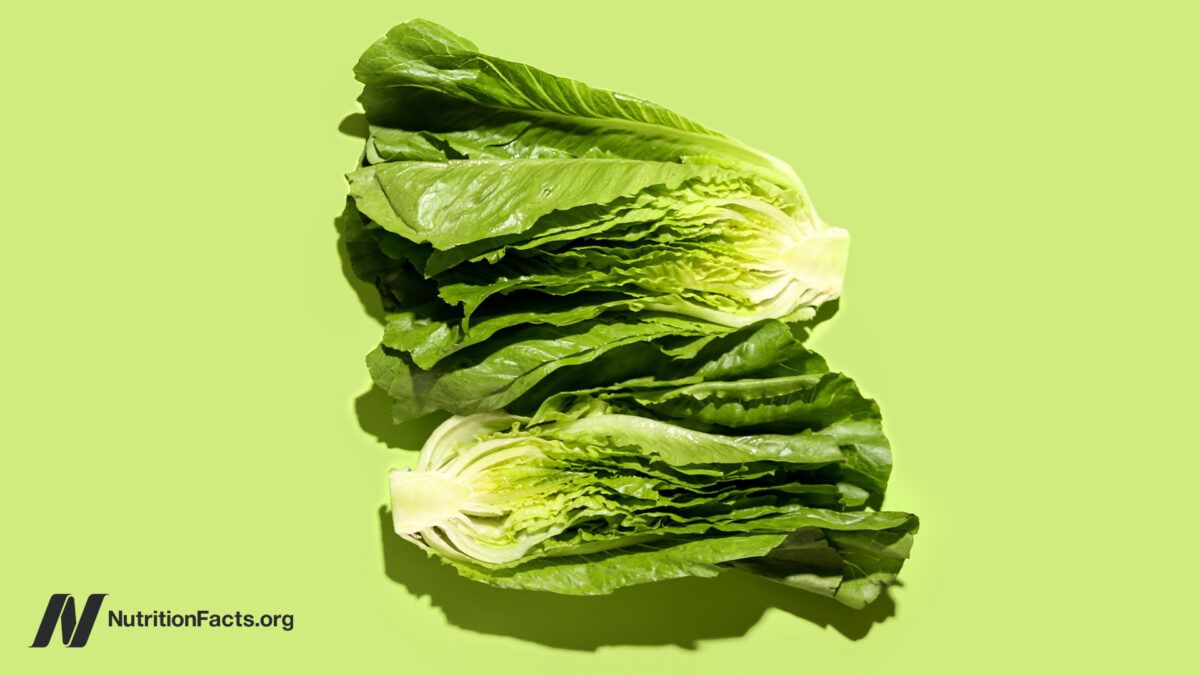
- Late 20th Century: Preclinical studies begin isolating lactucin and related sesquiterpene lactones, confirming their hypnotic and sedative effects in animal models, particularly rodents and toads, with romaine lettuce exhibiting exceptionally high lactucin concentrations.
- The 2010s (Pilot Studies): Researchers evaluate lettuce seed oil on geriatric populations suffering from chronic insomnia. Approximately 70% of participants receiving lettuce seed oil reported that their sleep "very much or much improved" within a week, compared to just 20% in the placebo group. However, these early trials were limited by single-blind designs, leaving room for potential researcher bias.
- Recent Years: To overcome methodological limitations, researchers design and execute strict double-blind, placebo-controlled trials utilizing whole food matrices—specifically, encapsulated ground lettuce seeds—eliminating bias and paving the way for mainstream clinical acceptance.
Supporting Data: The High Cost of Sleeplessness and the Safety of Lettuce
To appreciate the significance of a natural dietary remedy for insomnia, one must first understand the severe physiological consequences of sleep deprivation.
The Toll of Insomnia
Public health data reveals that a staggering percentage of adults—such as 28% of the United States population—routinely fail to get the recommended minimum of seven hours of sleep per night. The health implications are profound:
- Gene Expression: Forcing individuals to restrict their sleep to just six hours a night for a single week alters the activity of more than 700 genes.
- Endothelial Dysfunction: Restricting sleep from seven hours to five hours nightly for a week results in significant impairment in arterial dilation and blood vessel function. The magnitude of this vascular impairment mirrors that observed in chronic smokers, diabetes patients, and those with coronary artery disease.
- Mortality Risk: Individuals sleeping fewer than seven hours nightly face a 12% to 35% increased risk of premature death compared to their well-rested peers.
High Vulnerability During Pregnancy
Sleep disturbances plague nearly 80% of women during pregnancy. Yet, conventional pharmacological interventions carry severe fetal and maternal risks:
- Ambien (Zolpidem): Frequently prescribed for pregnancy-related insomnia, Ambien use is linked to adverse outcomes including low birth weight, premature delivery, and an increased rate of cesarean sections.
- Valium (Diazepam): Exposure during pregnancy has been directly tied to congenital birth defects, including limb deficiencies.
In stark contrast, clinical data on lettuce seed supplementation shows no adverse side effects, offering a safe, non-pharmacological alternative for vulnerable populations.
Official Responses and Perspectives: The Funding Dilemma
The medical and scientific communities have long grappled with a systemic research bias regarding natural remedies. While major pharmaceutical companies possess multi-billion-dollar budgets to fund extensive clinical trials for synthetic sleep medications, nutritional interventions face a distinct economic disadvantage.
In discussions surrounding early single-blind trials on lettuce seed oil, researchers candidly pointed out the financial barriers of studying everyday foods. "Big pharma has billions to spend on research; no one wants to fund studies on lettuce," investigators noted, highlighting why decades passed before a definitive, double-blind, placebo-controlled trial on whole lettuce seeds was successfully funded and executed.
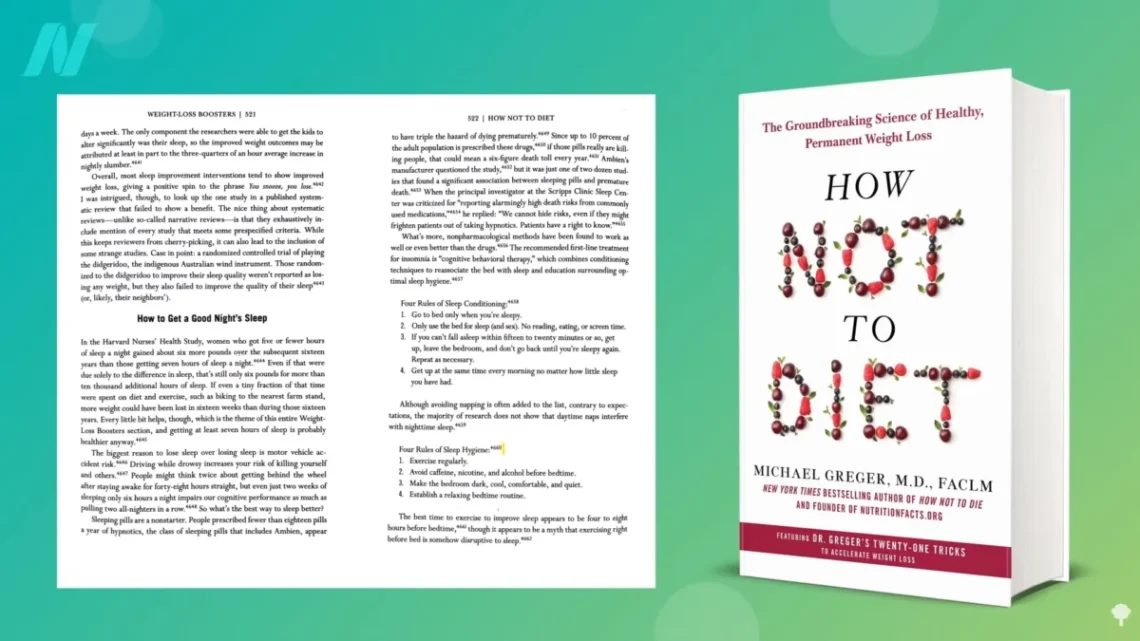
Independent health advocates, sleep specialists, and integrative medicine practitioners have responded positively to the new data. Experts emphasize that while foundational habits—such as adhering to the Four Rules of Sleep Conditioning and the Four Rules of Sleep Hygiene outlined in comprehensive lifestyle medicine guides—remain paramount, natural dietary adjuncts like lettuce seeds offer a desperately needed bridge for patients who fail to find relief through behavioral changes alone.
Implications: Integrating Whole-Food Remedies into Clinical Practice
The validation of lettuce seeds as an effective, safe sleep aid carries wide-ranging implications for clinical practice, nutritional psychiatry, and public health.
- A Paradigm Shift in Insomnia Treatment: As patients increasingly seek out "clean medicine" and lower their reliance on habit-forming or side-effect-heavy sedatives, whole-food derivatives provide a viable first-line defense for mild-to-moderate insomnia.
- Specialized Populations: The proven safety of lettuce seeds in pregnant and geriatric populations opens new therapeutic avenues for demographics that are traditionally underserved due to contraindications with pharmaceutical sleep aids.
- Future Nutritional Research: The successful translation of animal models and single-blind extracts into rigorous, double-blind human trials sets a methodological benchmark for studying other traditional botanical remedies. It proves that whole foods, when appropriately processed into standardized capsules (such as ground lettuce seeds in placebos), can withstand the gold standards of scientific scrutiny.
Looking Forward
While a quarter-teaspoon of ground lettuce seeds or a bowl of high-lactucin romaine lettuce will not instantly cure chronic clinical insomnia rooted in severe apnea or trauma, the science is clear: nature has provided biochemical tools that rival synthetic compounds. As researchers continue to explore the intersection of diet and sleep, the humble lettuce plant stands redeemed—transforming from a simple salad staple into a respected instrument of restorative health.