When an indulgent or heavy meal is consumed—laden with saturated fats, refined sugars, and heavy dairy—a lingering question often follows: Is there anything that can be eaten alongside it to mitigate the physiological fallout? While the medical and nutritional consensus remains clear that prevention and long-term dietary patterns matter most, emerging scientific research is offering fascinating insights into how specific whole plant foods interact with our cardiovascular system in real-time.
Main Facts: The Vascular Toll of Unhealthy Diets and the Power of Plants
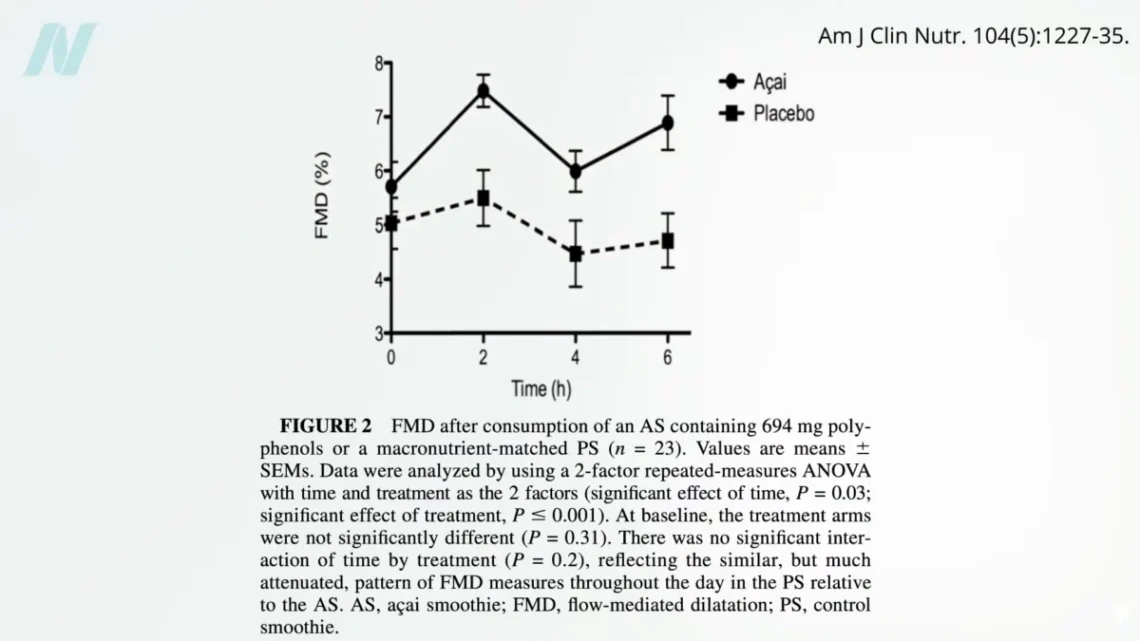
To understand how specific foods can protect or harm our circulation, researchers frequently look at flow-mediated dilation (FMD). This measures the healthy ability of arteries to dilate and permit increased blood flow when necessary. Higher FMD percentages equate to healthier, more responsive blood vessels, whereas impaired FMD serves as a precursor to atherosclerosis, stiffening arteries, and cardiovascular disease.
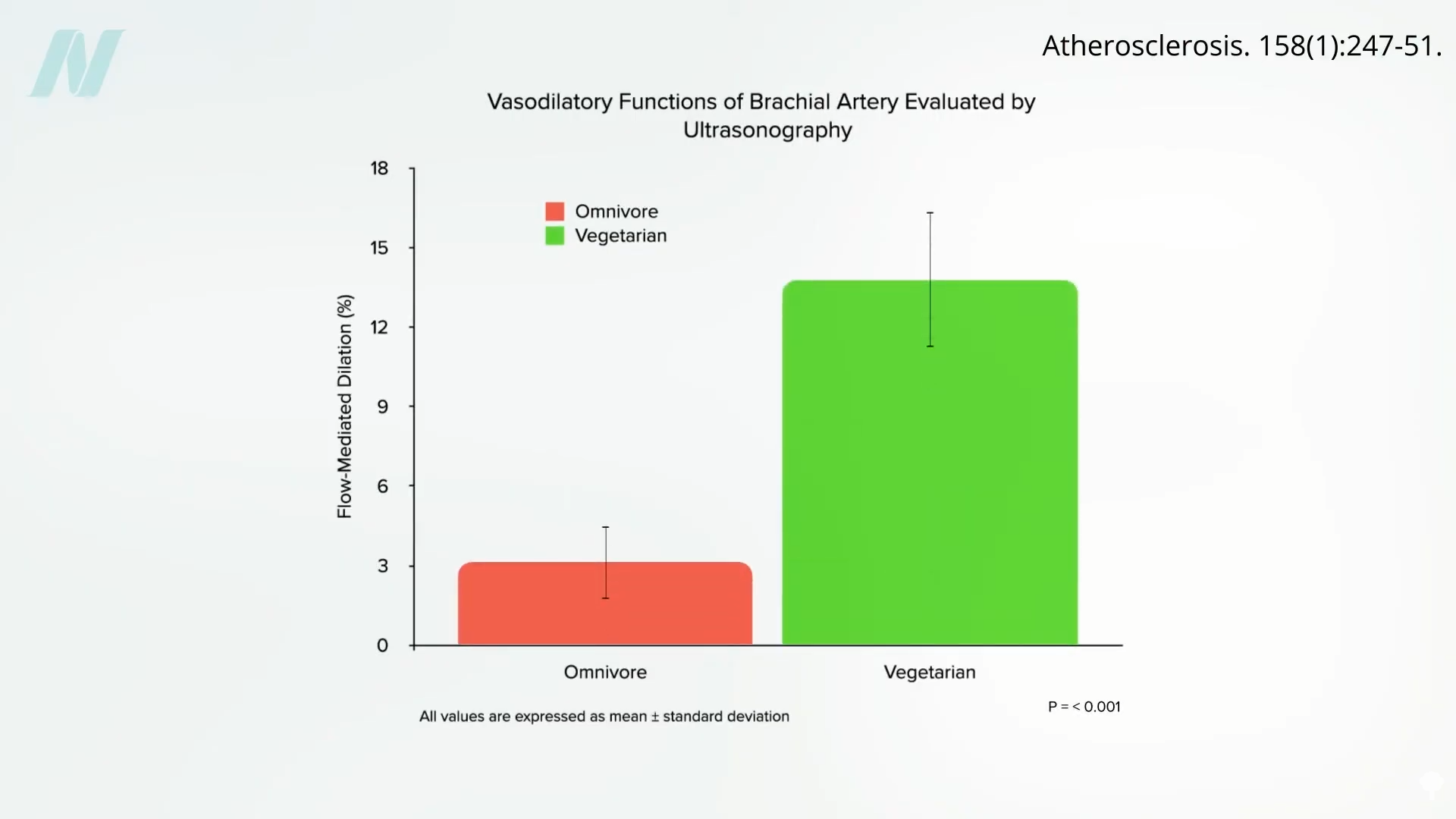
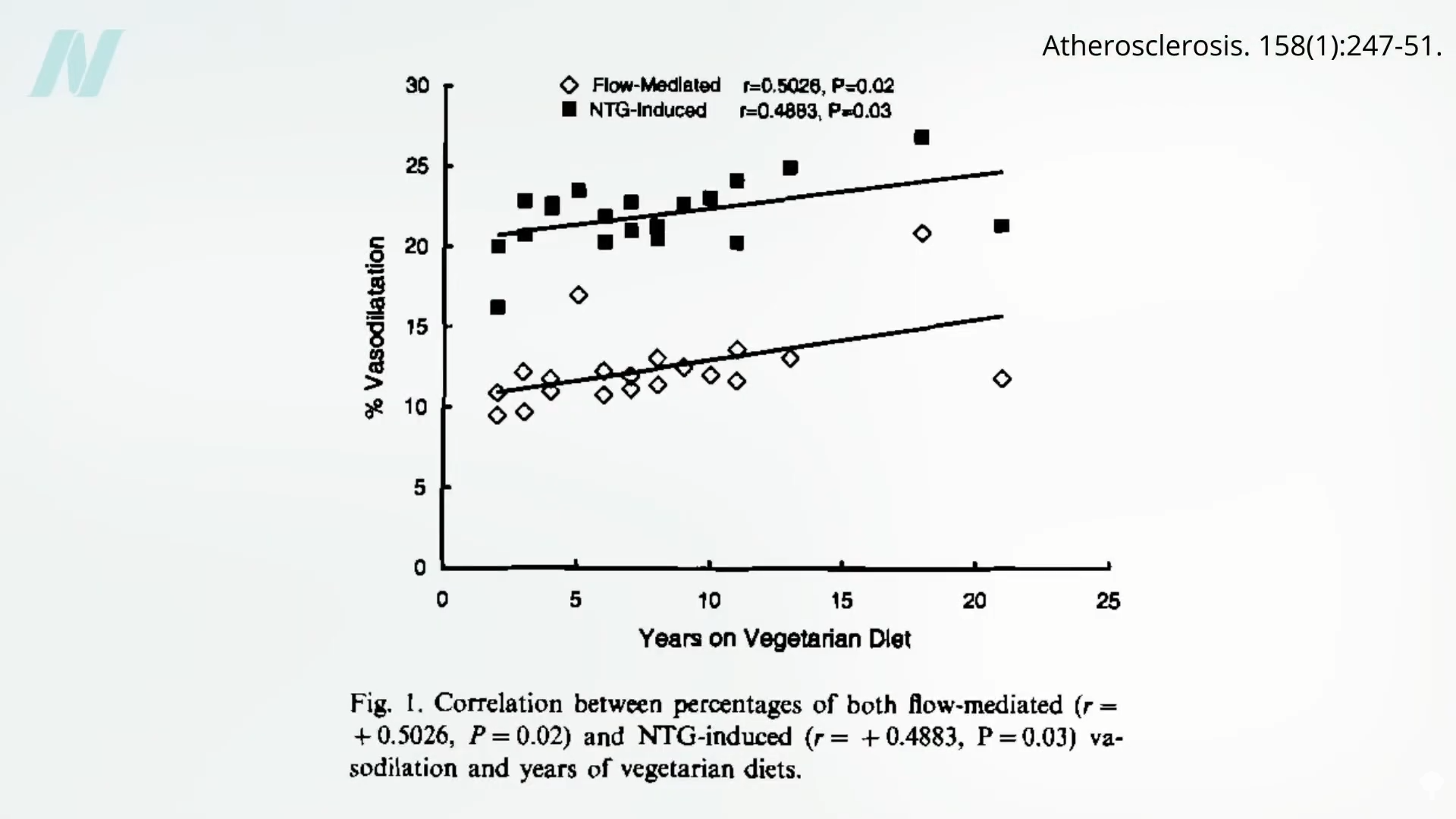
Comparative studies between vegetarians and meat-eaters consistently reveal stark contrasts in vascular health. Even when controlling for age, smoking status, body weight, blood pressure, and baseline cholesterol levels, long-term omnivores often show significantly compromised arterial function compared to their vegetarian peers. In fact, research demonstrates that the longer an individual maintains a meat-free diet, the better their arterial function becomes. Rather than experiencing natural age-related vascular decline, their arteries show progressive improvements over time.
This suggests that plant-based diets possess independent, direct protective mechanisms for the vascular endothelium. However, the protective effect is not just about the absence of animal products; it involves the active presence of whole, nutrient-dense plant foods rich in antioxidants and bioactive compounds, such as polyphenols.
Chronology: From Fast Food Impairment to Berry Interventions
The timeline of how food impacts vascular health ranges from immediate acute impairment to sustained, long-term defense.
- The Immediate Impact (Hours 0–4): Decades of postprandial (post-meal) studies show that heavy, high-fat, or heavily processed meals—such as sausage and egg breakfast sandwiches, cheese blintzes, or ham and cheese croissants—trigger acute arterial dysfunction. Within hours of consumption, the body’s ability to dilate blood vessels drops precipitously due to endothelial inflammation and oxidative stress.
- The Short-Term Defense (Hours 2–24): Conversely, clinical trials evaluating specific antioxidant-rich foods show that acute consumption of certain berries, juices, or whole plant matrices can stimulate immediate improvements in FMD. For instance, studies tracking participants after consuming wild blueberries, raspberries, or açai demonstrate a measurable rebound or maintenance of arterial function that can last up to 24 hours.
- The Long-Term Accumulation (Years): Over years and decades, consistent adherence to diets rich in vegetables, fruits, nuts, and whole grains correlates with superior vascular elasticity, lower rates of cardiovascular events, and drastically reduced rates of heart disease.
Supporting Data: What Science Reveals About Specific Foods
Researchers have put various combinations of "junk" meals and protective plant foods to the test in randomized, controlled crossover trials. The results challenge simple assumptions about pairing unhealthy foods with "healthy" add-ons.
1. The Power of Nuts: Walnuts vs. Almonds
Systematic reviews of randomized controlled trials indicate that regular nut consumption improves arterial function over time. When tested for their ability to counteract acute vascular stressors (like a salami sandwich), walnuts successfully mitigated artery-crippling effects, whereas almonds did not. Just as certain fruits outperform others, specific nuts possess unique profiles that make them exceptionally potent for cardiovascular health.
2. Berries as Vascular Protectors
Berries are among the most heavily studied fruits regarding endothelial function:
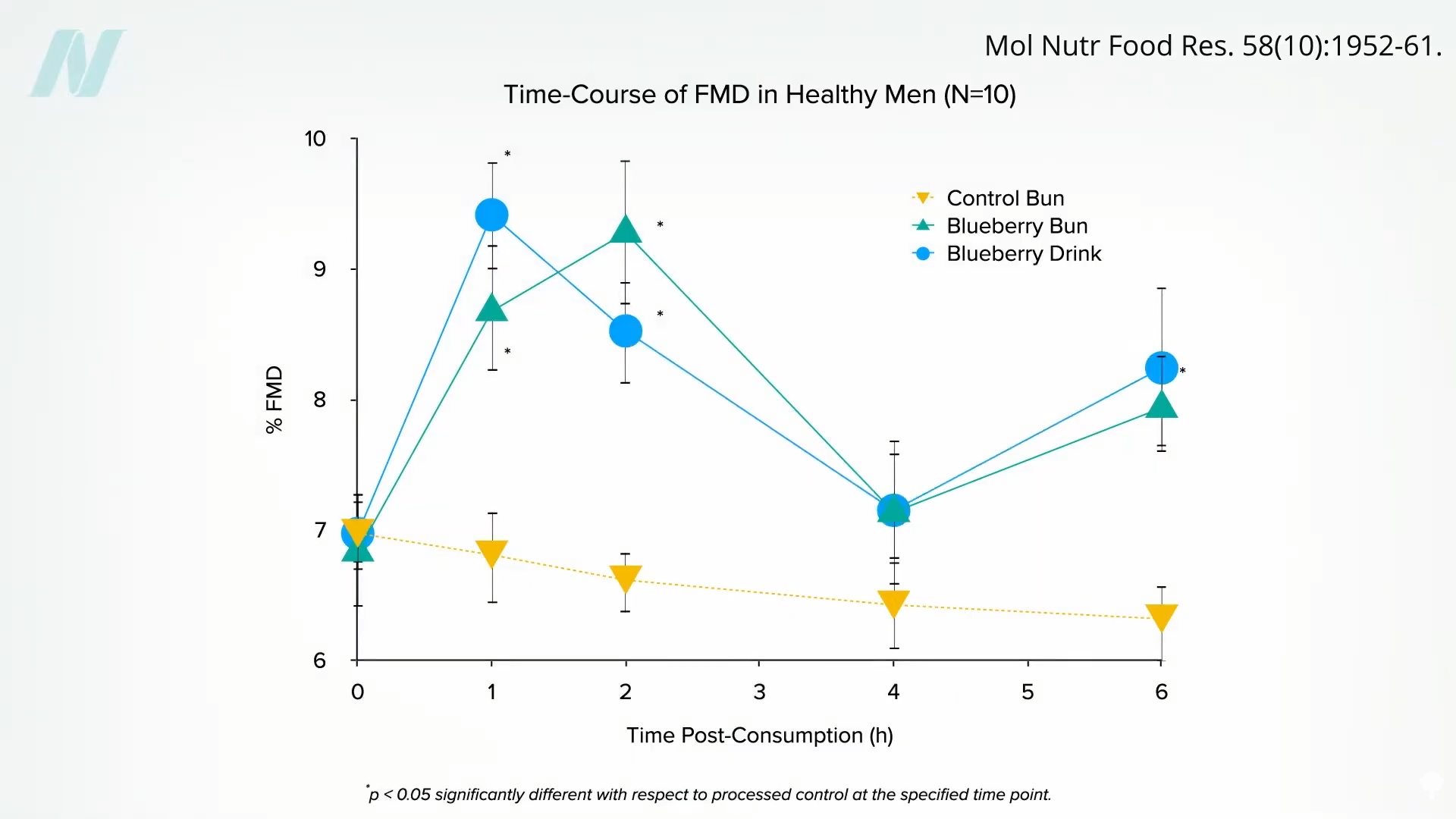
- Wild Blueberries: In trials involving high-sugar, high-fat pastries, the addition of the equivalent of one cup of wild blueberries completely reversed the typical drop in post-meal artery function, yielding a significant boost.
- Strawberries: While packed with nutrients, a comparable dose of strawberries failed to rescue artery function when paired with an exceptionally heavy, multi-component meal featuring cheese blintzes, whipped cream, and bacon, illustrating that extreme physiological loads can overwhelm certain interventions.
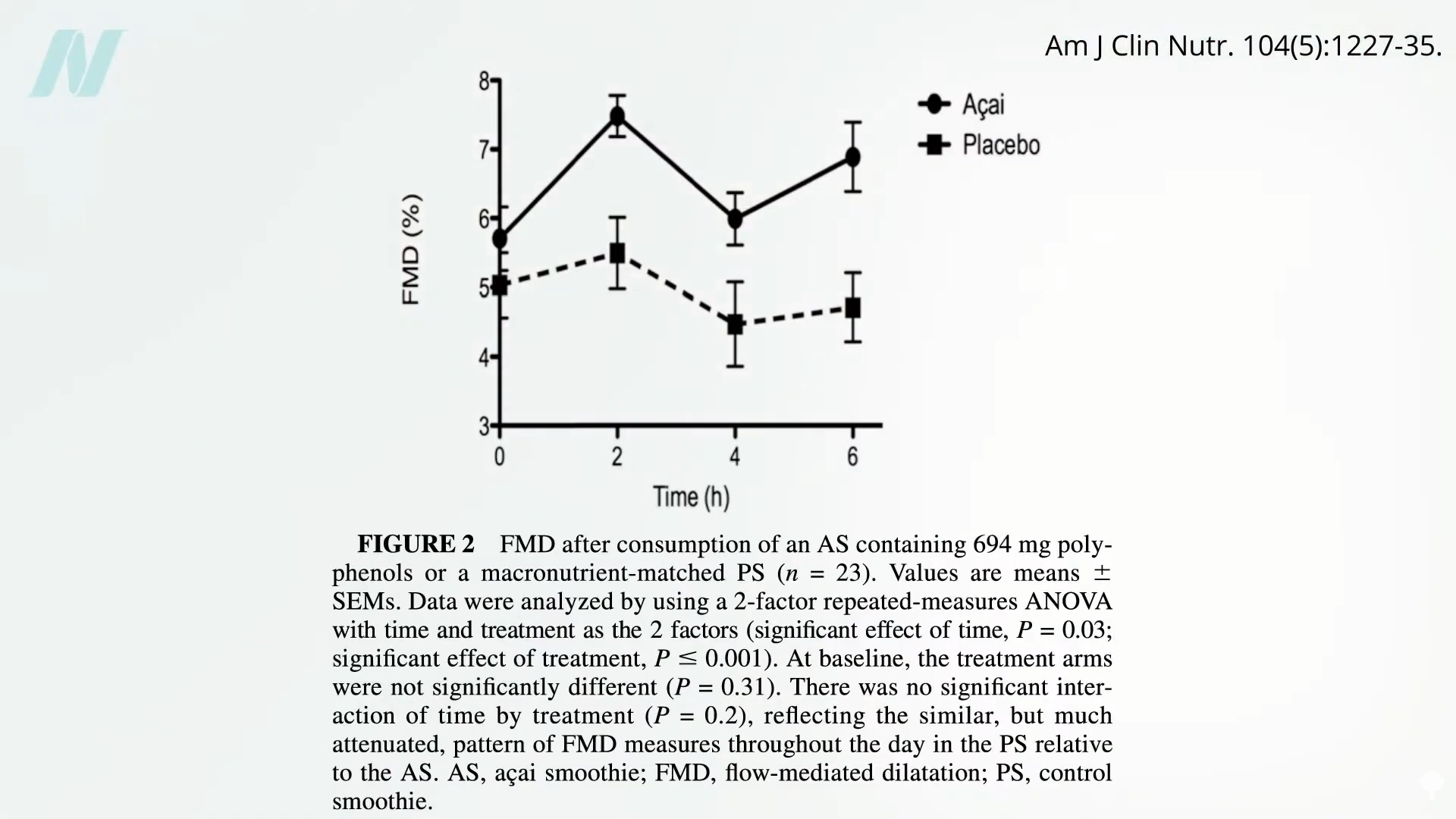
- Açai Berries: In controlled trials, frozen açai smoothie packs significantly rehabilitated arterial function compared to a flavor- and color-matched placebo smoothie containing the same fruit (banana) base.
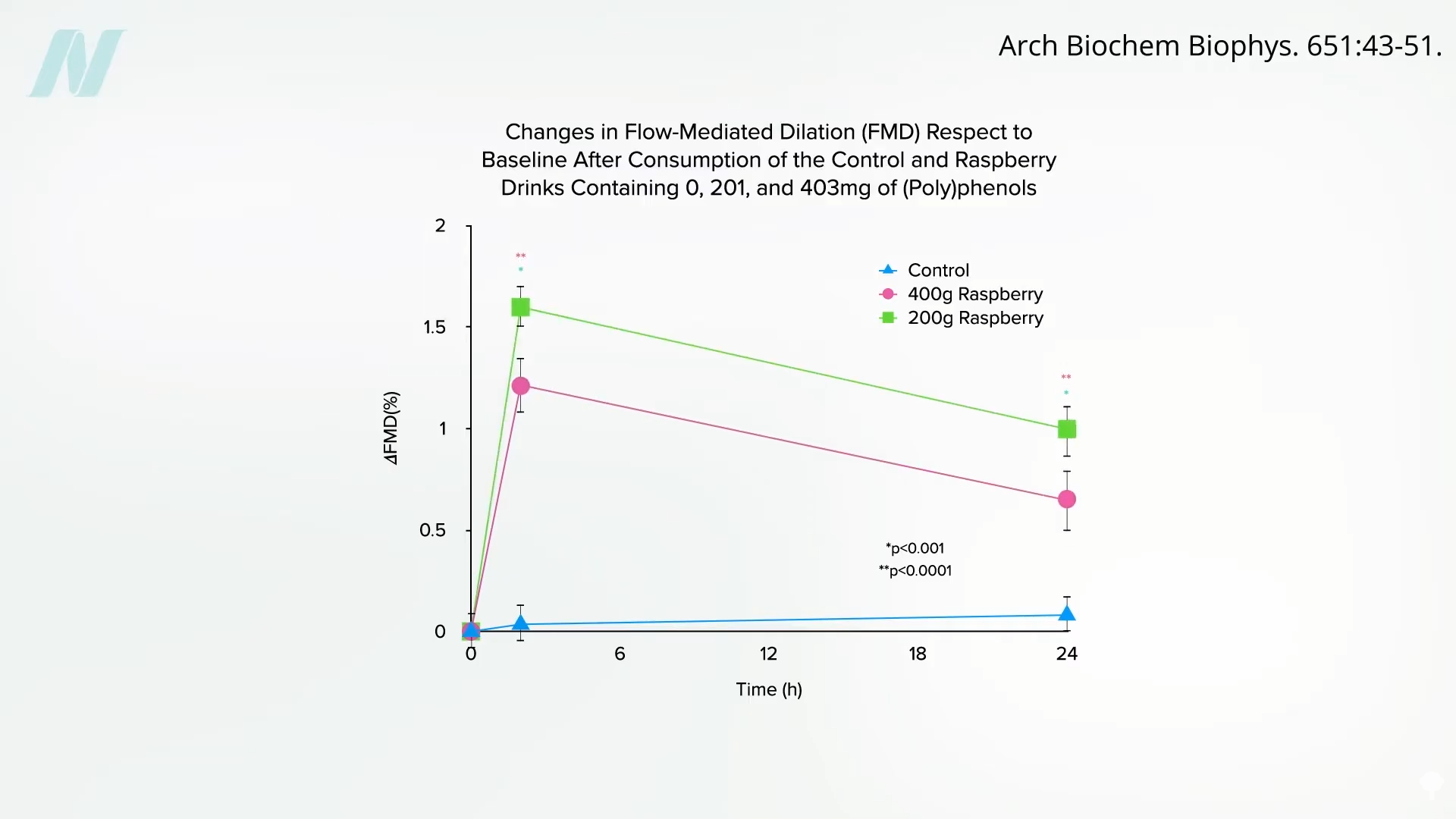
- Red Raspberries: A double-blind, randomized crossover trial tested red raspberry smoothies against a placebo drink matching color and taste. Both a three-quarter cup and a one-and-a-half cup dose of raspberries successfully preserved and improved artery function for up to 24 hours. Notably, the benefits plateaued after about one cup, confirming that "dietarily achievable amounts" are sufficient.
- The Population Impact: While a daily berry smoothie might only improve a single FMD reading by about 1%, population-level data suggests that each 1% increase in FMD correlates with a roughly 12% reduction in the risk of major cardiovascular events, such as heart attacks and strokes.
3. Juices and Mixed Meals: A Mixed Verdict
Cranberry juice testing across various concentrations (ranging from 25% to ultraconcentrated) showed consistent improvements in arterial function within hours of consumption. However, when researchers attempted to neutralize a high-fat meal with a mixed berry juice cocktail (grapes, blueberries, strawberries, lingonberries, and black aronia berries), no significant protective change was observed against the heavy fat load.
Furthermore, traditional breakfast beverages do not always offer a safety net. Studies giving participants a high-fat meal of ham and cheese croissants alongside water, green tea, red wine, or orange juice found that none of these beverages prevented the acute drop in arterial health.
In fact, pairing orange juice with a high-fat breakfast (such as bacon and cheese muffins) actually prolonged the period of elevated fat levels in the blood. Researchers attribute this to the body preferentially burning the rapidly absorbed free sugars found in liquid juice—sugars unencumbered by the cellular walls present in whole fruit—thereby delaying fat clearance from the bloodstream.
Official Responses and Medical Perspectives
Cardiologists and nutritional epidemiologists emphasize that while foods rich in polyphenols and antioxidants offer remarkable protective properties, they should not be viewed as medical "get-out-of-jail-free" cards for poor dietary habits.
- The Primary Prevention Stance: Major health organizations, including the American Heart Association (AHA), stress that mitigating heart disease risk relies fundamentally on dietary patterns characterized by high intakes of vegetables, fruits, whole grains, and healthy plant fats, while minimizing processed meats, trans fats, and added sugars.
- The Mechanics of Endothelial Health: Clinical researchers note that antioxidants in berries work by reducing oxidative stress and increasing the bioavailability of nitric oxide—a crucial molecule signaling blood vessels to relax and expand. When high-fat meals introduce an influx of inflammatory compounds, high concentrations of circulating polyphenols can temporarily neutralize this oxidative damage, provided the systemic load is not overly excessive.
Implications: Practical Takeaways for Everyday Health
The intersection of these findings yields crucial takeaways for everyday dietary choices:
- Damage Control Has Limits: You cannot completely "out-eat" a severely inflammatory, high-fat, and highly processed meal simply by adding a healthy beverage or a handful of berries. The physiological stress imposed by heavy fast food or greasy pastries often overwhelms acute interventions.
- Focus on Whole, Unprocessed Additions: Incorporating antioxidant-dense whole foods like wild blueberries, raspberries, walnuts, and greens into a daily routine builds foundational vascular resilience.
- Beware of Liquid Sugars with Heavy Meals: Drinking fruit juices alongside fatty, processed meals may complicate lipid metabolism by forcing the body to process free sugars first, leaving circulating fats elevated for longer periods. Whole fruits remain vastly superior to juices.
- Long-Term Consistency Wins: The most profound vascular benefits are reaped over time. Shifting away from animal-heavy diets toward plant-forward patterns yields cumulative, compounding improvements in arterial elasticity, safeguarding long-term cardiovascular health.