Introduction: The Silent Epidemic of the Aging Prostate
As men transition through their fifth and sixth decades of life, a quiet yet profoundly disruptive medical condition frequently emerges. Benign Prostatic Hypertrophy (BPH)—commonly referred to as an enlarged prostate—affects more than 50 percent of men in their 50s and leaps to an estimated 70 percent or higher among those over the age of 60. For millions of aging men, the physical toll translates into relentless, exhausting lower urinary tract symptoms. These manifestations include urinary urgency, weak streams, and, perhaps most disruptive of all, nocturia—the frustrating necessity of waking up multiple times throughout the night just to use the restroom.
While standard pharmacological interventions exist, they are far from a panacea. Conventional medical treatments can carry heavy burdens, including undesirable side effects such as sexual dysfunction, heightened risks of high-grade prostate cancer, and depressive symptoms. Consequently, patient compliance rates remain notoriously low. When medications inevitably fail or become intolerable, physicians often escalate care to invasive surgical procedures, such as transurethral resection of the prostate (TURP). For a condition that impacts such a vast demographic, medical science—and patients alike—are left searching for a better, more sustainable way forward.
Main Facts: Unpacking Dietary Interventions and the BPH Landscape
The search for natural, non-invasive solutions has turned researchers’ eyes toward dietary modifications and time-tested whole foods. Population studies consistently suggest that a dietary pattern low in animal protein and rich in fruits and vegetables offers a degree of protective insulation against BPH. However, nuance is required: the detrimental effects of animal protein are not uniformly distributed. Epidemiological data points to eggs, poultry, and refined grains as the principal dietary offenders, while red meat and dairy display less clear associations within these specific models.
Moving beyond broad epidemiological observations, specific foods and natural compounds have been subjected to rigorous clinical testing. For decades, the herbal supplement saw palmetto dominated the alternative health market for prostate health, supported by more than 30 randomized controlled trials. Despite its widespread popularity and commercial success, rigorous scientific scrutiny ultimately proved it to be largely ineffective.
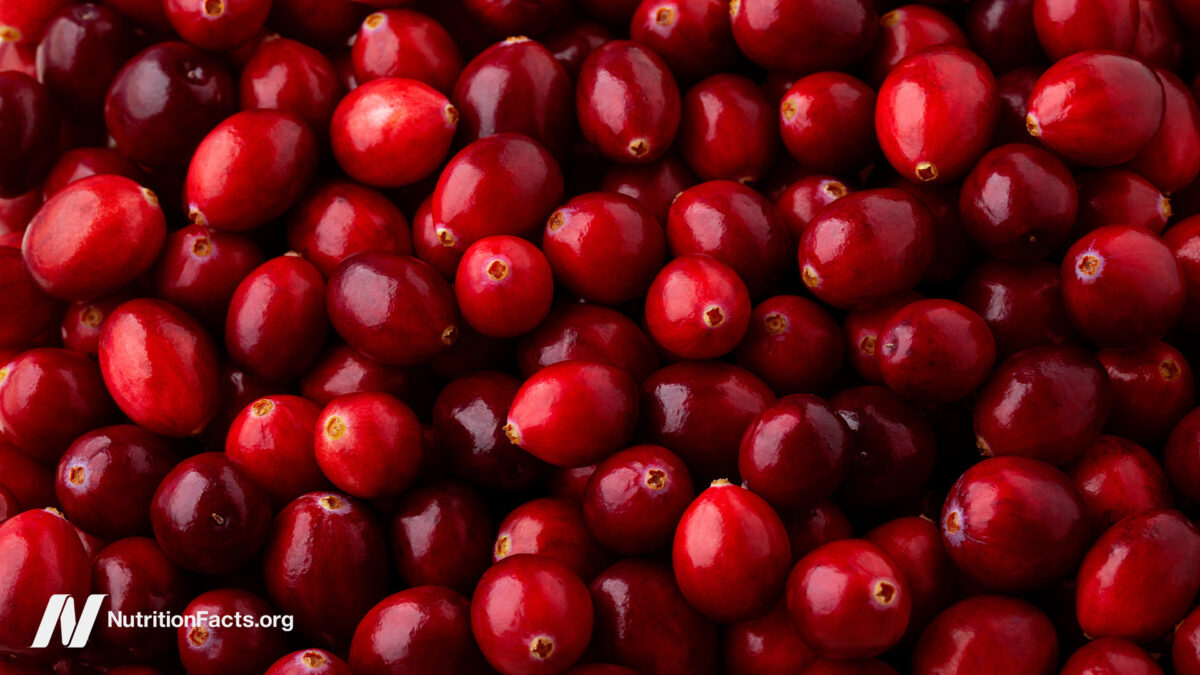
With herbal remedies like saw palmetto falling short, researchers pivoted to other traditional remedies—specifically, whole-food interventions like cranberries and pumpkin seeds. Rather than relying on sugary, oil-coated dried snack options often marketed as "craisins," clinical trials focused on pure, whole-cranberry powder. The results demonstrated that even small, consistent daily quantities of whole cranberry could significantly improve BPH symptom scores, enhance overall quality of life, and optimize key urinary parameters without the harrowing side effects associated with pharmaceutical interventions.
Similarly, pumpkin seeds—long utilized across generations in folk medicine for urological and prostate disorders—have stepped into the modern clinical spotlight. In laboratory settings, pumpkin seed preparations have demonstrated a remarkable ability to halve the proliferative growth of BPH prostate cells. When evaluated in human clinical trials, whole pumpkin seeds outperformed commercial extracts, offering meaningful relief to patients grappling with mild-to-moderate lower urinary tract symptoms.
Chronology: A Historical Evolution from Folk Remedies to Clinical Trials
To understand how cranberries and pumpkin seeds arrived at the forefront of modern urological research, it is helpful to trace their historical and scientific trajectory.
- Pre-Modern Era: Indigenous populations, including Native Americans, historically utilized cranberries as an indigenous therapeutic for various urinary and bladder ailments. Concurrently, various global folk traditions incorporated pumpkin seeds and their oils into traditional pharmacopeias for male vitality and urological comfort.
- Late 20th Century (The Pharmaceutical Era): Synthetic and prescription medications (such as alpha-blockers like Prazosin and Terazosin) dominated clinical management for BPH, alongside the rise of over-the-counter herbal supplements like saw palmetto. Animal and in vitro studies began testing botanical extracts—such as injecting pumpkin seed extracts into laboratory models—laying the groundwork for human clinical trials.
- Early 2000s: Researchers began subjecting whole-food powders and targeted extracts to rigorous, randomized controlled trials. Studies evaluating pure cranberry powder administered to human subjects established measurable improvements in urinary flow rates and symptom indices.
- 2010s and Beyond: Landmark human clinical trials directly challenged the dominance of expensive commercial supplements. A major multi-arm study comparing a supplement extract, a placebo, and whole pumpkin seeds revealed that the whole-food intervention outperformed the isolated extract and placebo alike. This shifted the paradigm toward whole-food integration and prompted official regulatory bodies to re-evaluate botanical interventions for mild urological symptoms.
Supporting Data: Examining the Clinical Evidence
The scientific rigor behind dietary treatments for BPH relies heavily on measurable data points, randomized controlled trials, and biochemical assays.
The Cranberry Trials
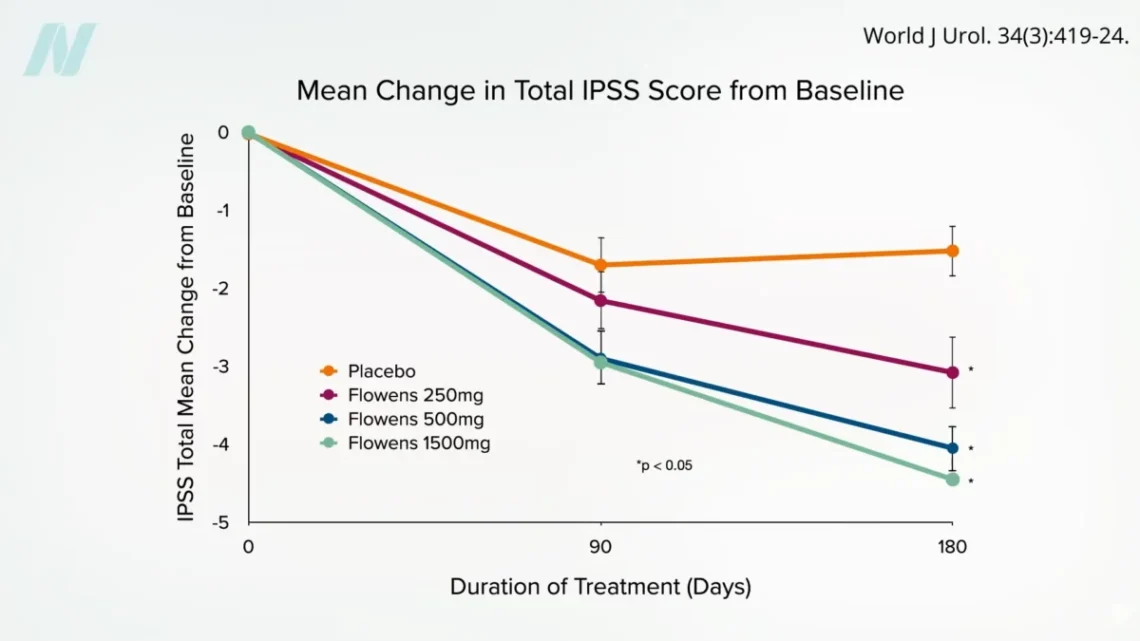
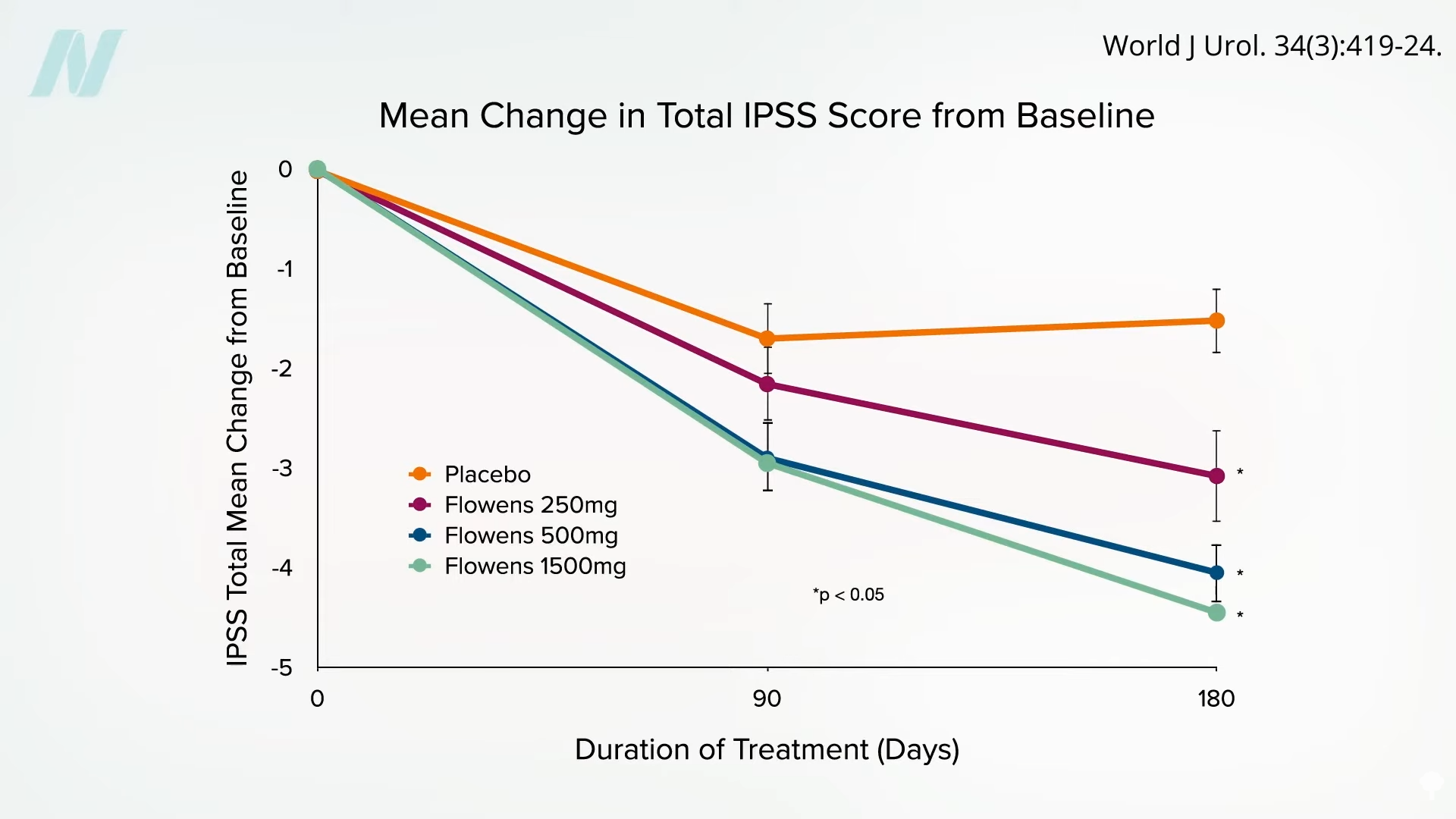
In clinical investigations evaluating powdered whole cranberries, study participants consuming roughly a teaspoon per day (approximately 3 grams) experienced notable improvements in their International Prostate Symptom Score (IPSS). Intriguingly, subsequent analysis revealed that even scaled-down fractions of a teaspoon—such as a third or a sixth of a teaspoon—retained measurable efficacy. While the foundational study utilizing the daily teaspoon was financially supported by a supplement manufacturer using standardized cranberry powder, the underlying active agent remains nothing more than straight, unadulterated cranberry powder. Consumers can thus bypass costly branded supplements by incorporating bulk powders into smoothies or everyday foods. By contrast, other fruit-based interventions, such as purple grape juice, have been tested and shown to yield no urological benefit whatsoever.
The Pumpkin Seed Trials
Laboratory assays investigating the cellular mechanisms of pumpkin seeds revealed that concentrated preparations could cut the growth rate of human BPH prostate cells in half in vitro. Translating these findings to human cohorts, researchers conducted a pivotal randomized trial involving more than one thousand men. Participants were divided to receive either a specialized pumpkin seed supplement extract, a placebo, or approximately one tablespoon (around 7.5 grams) of plain, whole pumpkin seeds daily.
The financial backers of the study—a supplement company—saw their proprietary extract fall short, performing no better than the inactive placebo. However, the group consuming plain, whole pumpkin seeds demonstrated statistically significant improvements in symptom relief. Subsequent biochemical evaluations confirmed that even oil-free pumpkin seed extracts retain therapeutic properties, proving that the healing potential is deeply rooted in the whole seed matrix rather than an isolated commercial oil or extract.
Official Responses: Regulatory Perspectives and Clinical Guidelines
As the empirical data surrounding whole foods like cranberries and pumpkin seeds mounts, institutional and regulatory bodies have begun to formalize their stances on integrative urology.
The European Medicines Agency (EMA), serving as the European equivalent of the United States Food and Drug Administration (FDA), has issued comprehensive assessment reports regarding Cucurbita pepo L. (pumpkin seed). Following exhaustive evaluations of pharmacological, toxicological, and clinical data, the EMA concluded that pumpkin seed preparations can be legitimately recommended to relieve lower urinary tract symptoms associated with benign prostatic hypertrophy.
However, official medical guidelines maintain a strict prerequisite: these natural therapies should only be pursued after more serious pathologies—such as prostate cancer, acute urinary retention, or severe infections—have been formally ruled out through a comprehensive evaluation by a qualified medical doctor. This clinical caveat underscores the necessity of professional diagnosis, ensuring that aging men do not mask aggressive malignancies with dietary supplements.
Implications: What This Means for Patients and the Future of Urology
The integration of whole-food therapies like cranberries and pumpkin seeds into the conversation surrounding benign prostatic hypertrophy signals a broader, much-needed shift in preventive and therapeutic medicine.
1. Patient Empowerment and Quality of Life
For the millions of men navigating the inconveniences and indignities of nocturia and urinary hesitancy, the availability of low-cost, side-effect-free dietary interventions offers renewed hope. Incorporating a daily teaspoon of cranberry powder or a tablespoon of pumpkin seeds into a balanced diet requires minimal lifestyle disruption while potentially staving off the need for harsher pharmaceuticals or surgical interventions.
2. A Challenge to the Supplement Industry
The clinical findings regarding both cranberry powders and pumpkin seeds offer a cautionary tale against the over-commercialization of isolated botanical compounds. In both instances, expensive proprietary supplement extracts failed to outperform simple placebos or whole-food alternatives. This reinforces a core tenet of nutritional science: nature’s complex food matrix often outperforms isolated, highly processed extracts.
3. Future Directions in Clinical Research
The validation of dietary strategies for BPH opens new avenues for integrative urology. As healthcare systems grapple with rising costs and patient dissatisfaction with polypharmacy, future clinical guidelines may increasingly incorporate nutritional counseling as a first-line defense for mild-to-moderate urological complaints. By bridging the gap between historical folk wisdom and modern randomized controlled trials, medical science is slowly uncovering sustainable, patient-centric pathways to long-term health and vitality.