Main Facts
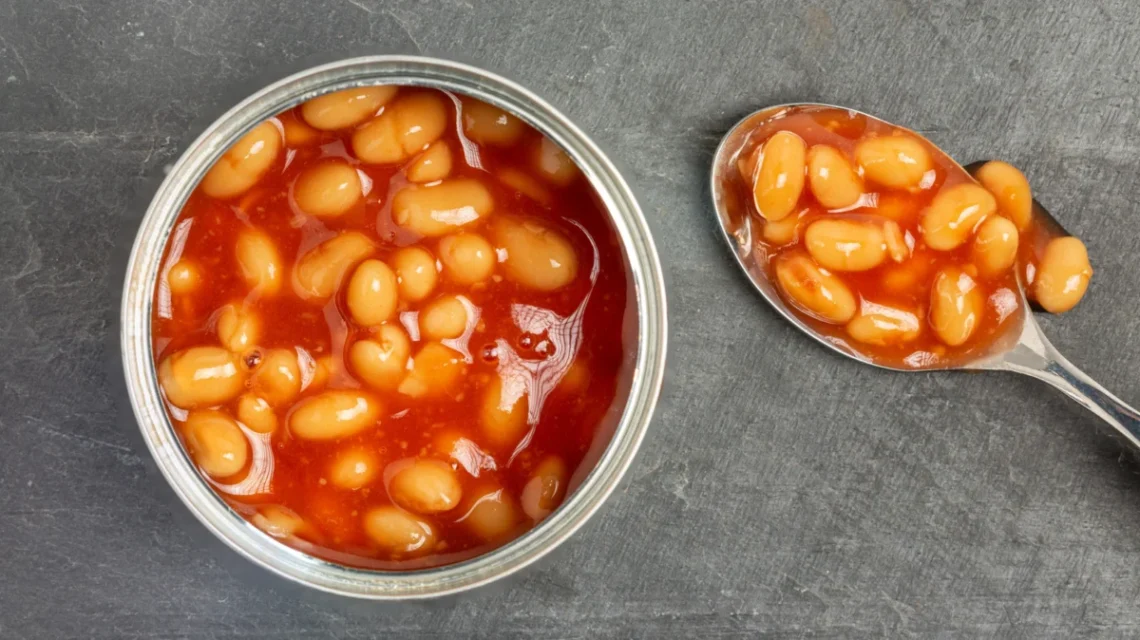
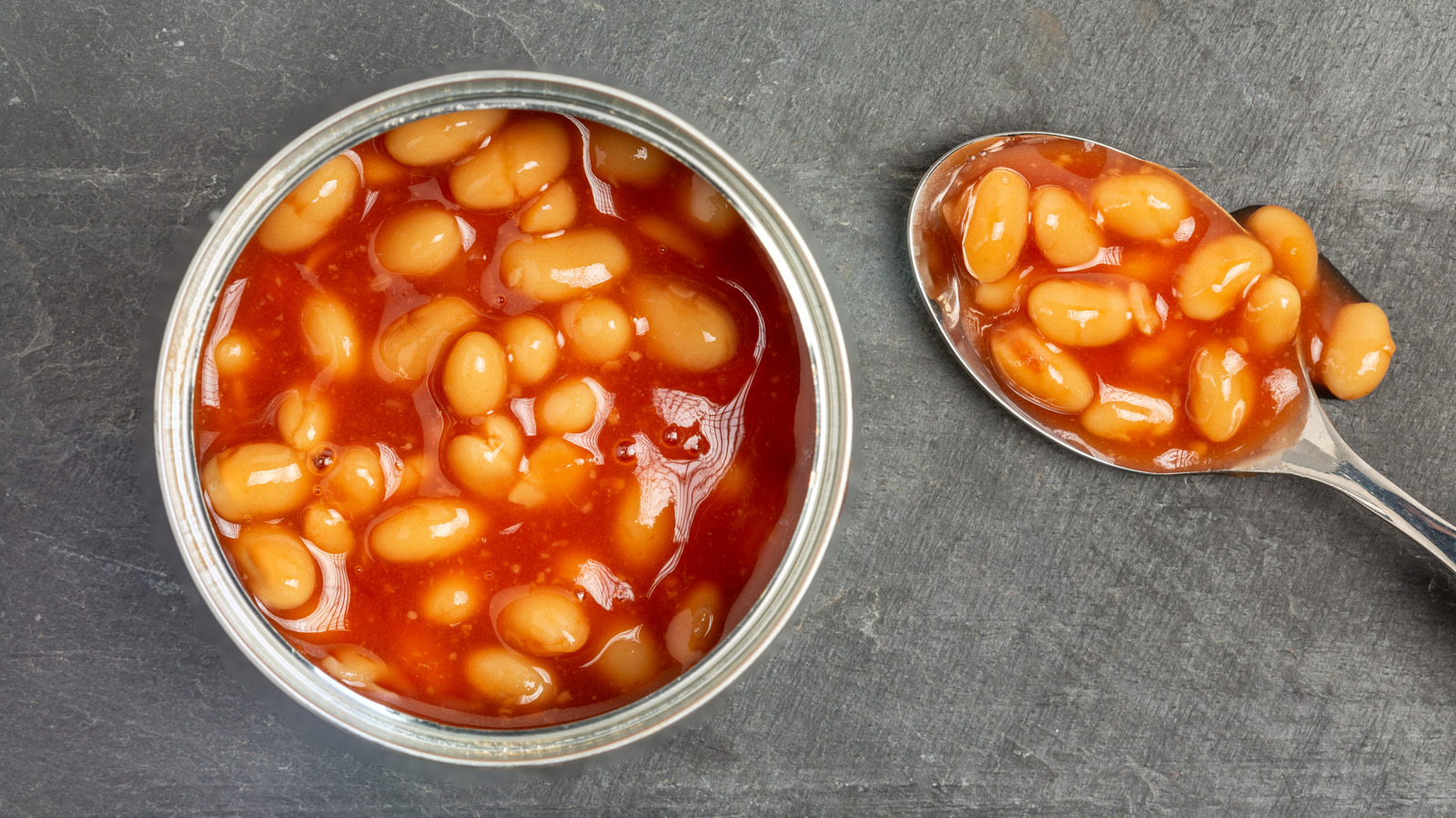
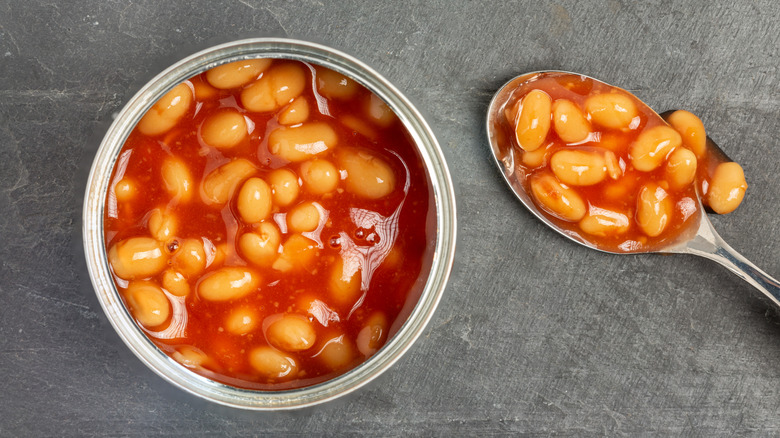
When it comes to quick, reliable pantry staples, few foods hold a candle to the humble can of baked beans. Long celebrated as the quintessential side dish for barbecues, weeknight dinners, and camping trips, canned baked beans are a versatile canvas. They are engineered to soak up whatever flavors, sauces, and mix-ins a cook cares to introduce. While traditional enhancements—such as caramelized onions, a splash of molasses, or a meaty ham hock—are time-tested favorites, a surprising and transformative ingredient is quietly taking center stage in home kitchens: fresh fruit.
Specifically, crisp, tart apples are emerging as the ultimate culinary secret weapon for elevating canned baked beans. Far from an eccentric or mismatched pairing, adding fresh apples introduces a dynamic layer of natural fruitiness and essential acidity that cuts through the rich, heavy starchiness of the legumes.
Among the myriad varieties available, the Granny Smith apple stands out as the undisputed champion for this application. Its vibrant green skin and firm flesh offer a distinct tartness and a sturdy structure that prevents the fruit from turning to mush during the simmering process. By incorporating just one chopped apple per can of beans, home cooks can completely overhaul the flavor profile and texture of a budget-friendly convenience food, turning a flat, uniform side dish into a nuanced, multi-dimensional culinary experience.
Chronology
The marriage of apples and beans is not entirely a modern kitchen hack born of social media food trends; rather, it has deep roots in the evolution of American comfort food and regional culinary traditions.
The Foundation of Regional Bean Cookery
Long before the convenience of the tin can dominated grocery store aisles, early American colonists and settlers prepared baked beans from scratch. Drawing inspiration from Indigenous culinary techniques—which often involved sweetening beans with maple syrup or bear fat—early New England recipes evolved into what we now know as Boston baked beans. These traditional recipes heavily relied on slow-cooking beans in earthenware pots with salt pork, molasses, and mustard.
As regional variations spread across the American landscape, home cooks began experimenting with whatever local produce was on hand. In apple-rich regions of the Northeast, Midwest, and Pacific Northwest, orchards yielded an abundance of fruit that naturally found its way into savory dishes, stews, and bean pots. Apples provided a natural source of pectin, sugar, and acid, serving the dual purpose of tenderizing and flavoring long-simmering dishes.
The Rise of the Canned Convenience Era
The 20th century revolutionized food culture with the mass production of canned goods. Brands like Heinz and Van Camp’s popularized pre-cooked, sweetened baked beans, making a once-laborious dish accessible in minutes. While these canned versions offered unmatched convenience, they also standardized the flavor profile, often leaning heavily toward overly sweet, one-note sauces dominated by high-fructose corn syrup, tomato paste, and artificial smoke flavoring.
For decades, home cooks sought simple ways to doctor up canned beans to mimic the complexity of slow-cooked homemade varieties. Common modifications included adding mustard, brown sugar, or strips of bacon. However, the systematic reintroduction of fresh, whole produce—such as fresh onions, bell peppers, and tart apples—into canned bean preparations has recently experienced a resurgence among culinary enthusiasts looking to bridge the gap between convenience and gourmet home cooking.
Supporting Data and Culinary Mechanics
Understanding why apples work so brilliantly in canned baked beans requires a look at food science, flavor pairing, and structural integrity.
The Science of Acidity and Sweetness
Canned baked beans are notoriously heavy. The combination of dense white navy or pinto beans, thick sugary sauces, and added sodium can easily overwhelm the palate, leading to palate fatigue after just a few bites. This is where the culinary principle of balancing flavors comes into play.
Apples introduce two critical components:
- Malic Acid: The primary organic acid found in apples, malic acid provides a sharp, clean tartness. This acidity acts as a foil to the dense, starchy nature of the beans and the heavy sweetness of commercial sauces, brightening the entire dish.
- Natural Sugars and Pectin: As apples cook, their natural sugars caramelize when exposed to heat, deepening the flavor profile. Simultaneously, the natural pectin in the apple flesh helps thicken the surrounding liquid naturally, creating a glossy, cohesive sauce rather than a watery or separated mess.
Why Granny Smith is the Superior Choice
Not all apples are created equal when introduced to a simmering pot of beans. Softer, sweeter varieties like Red Delicious or Gala lack the structural integrity and acidity required for savory cooking. When subjected to heat, these varieties quickly break down, dissolving into a grainy, indistinct puree that adds little texture.
Conversely, the Granny Smith apple offers:
- High Firmness: The dense cell walls of a Granny Smith hold up exceptionally well to prolonged exposure to heat, retaining a pleasant, slight bite that contrasts satisfyingly with the soft texture of cooked beans.
- Complex Tartness: Its low sugar-to-acid ratio ensures that the fruit does not make the beans cloyingly sweet, maintaining a savory-forward profile that pairs exceptionally well with traditional barbecue and comfort food seasonings.
Step-by-Step Preparation and Enhancements
Integrating apples into your next batch of canned baked beans requires minimal effort and equipment. Culinary experts recommend a straightforward approach to ensure maximum flavor integration.
The Basic Method
- Preparation: Take one fresh Granny Smith apple, core it, and chop it into uniform approximately ¼-inch cubes. Leaving the skin on is encouraged, as it adds a pleasant splash of color and extra fiber.
- Sweating the Fruit: In a stovetop pot or a slow cooker, briefly "sweat" the chopped apples in a small amount of butter, oil, or rendered bacon fat for a few minutes until they begin to soften slightly and release their aromatics.
- Combining: Pour in one standard can of your favorite baked beans. Stir thoroughly to distribute the fruit and any remaining pan drippings.
- Simmering: Allow the mixture to simmer on low heat for 15 to 20 minutes (or longer in a slow cooker). This gives the beans enough time to absorb the apple’s juices while allowing the apple pieces to meld harmoniously with the sauce.
Rounding Out the Dish with Additional Aromatics
While apples alone will dramatically improve canned beans, you can elevate the dish even further by building a comprehensive flavor profile inspired by traditional Boston baked beans and modern barbecue techniques.
- Sweetness and Depth: Introduce the complex, molasses-like notes of dark brown sugar. This not only enhances the sweetness but reacts with the apple pectin to thicken the sauce into a rich glaze.
- Umami and Savory Elements: A dash of Worcestershire sauce and a tablespoon of ketchup provide a classic, savory backbone that counterbalances the fruit. For meat lovers, crisp, crumbled strips of bacon or pieces of rendered salt pork add a smoky, salty dimension that marries flawlessly with apple flavor.
- Spice and Warmth: For adventurous palates, a pinch of ground cinnamon, dry mustard powder, or even a deliberate splash of bourbon can transform the dish from a simple weeknight side into a sophisticated, complex centerpiece.
Implications
The trend of upgrading pantry staples like canned baked beans with fresh, high-quality ingredients reflects a broader shift in modern home cooking. As grocery prices fluctuate and consumers look for ways to maximize value without sacrificing flavor, "doctoring up" convenience foods has transitioned from a budget necessity into an intentional culinary art form.
Reducing Food Waste and Promoting Fresh Produce
By incorporating fresh fruit into long-shelf-life canned goods, home cooks are finding practical ways to utilize surplus produce sitting in their refrigerators. An apple past its prime crunch point for raw snacking is often still firm enough to be diced and sweated into a pot of beans, contributing to household food waste reduction. Furthermore, encouraging the use of fresh produce alongside processed foods aligns with contemporary nutritional movements that seek to bridge the gap between convenience and wholesome eating.
Redefining Convenience Culture
Ultimately, the apple-and-baked-bean hack challenges the notion that convenience foods must be consumed as-is out of the can. It empowers home cooks of all skill levels to experiment, take creative risks in the kitchen, and transform inexpensive pantry items into gourmet-level dishes. Whether served alongside backyard grilled meats, holiday ham, or enjoyed as a comforting standalone meal, this simple culinary trick proves that a single fresh apple can unlock the hidden potential of everyday ingredients.