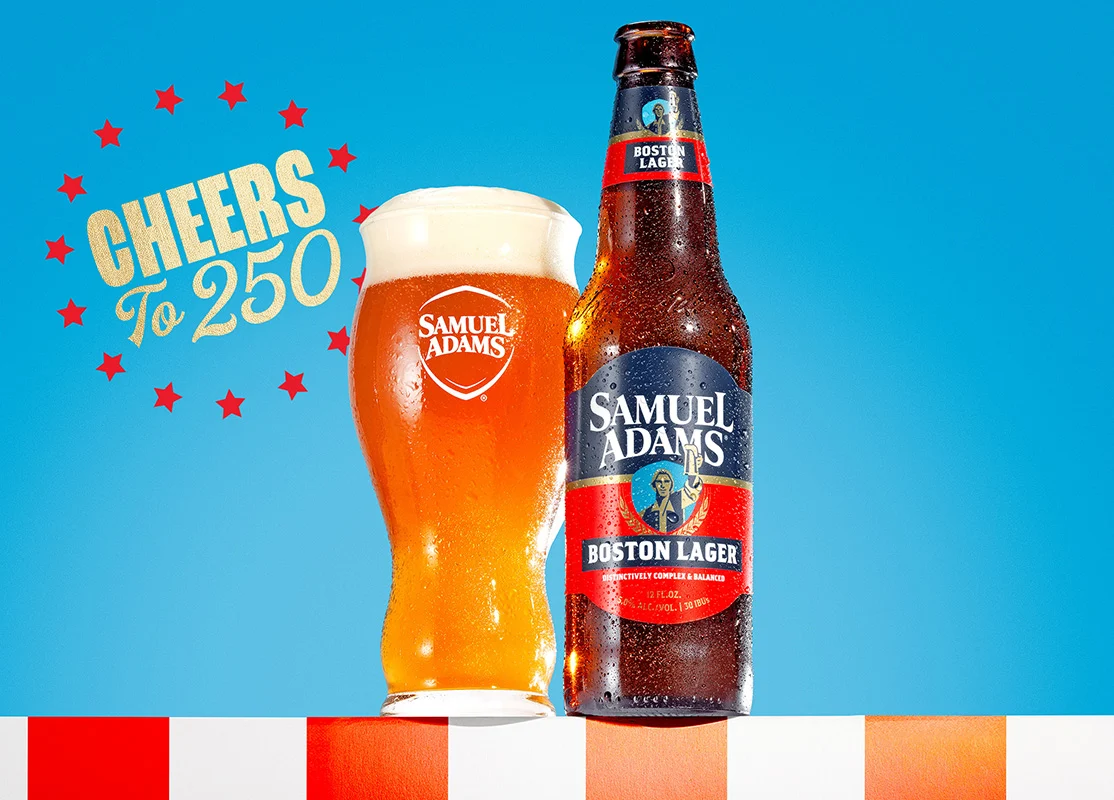
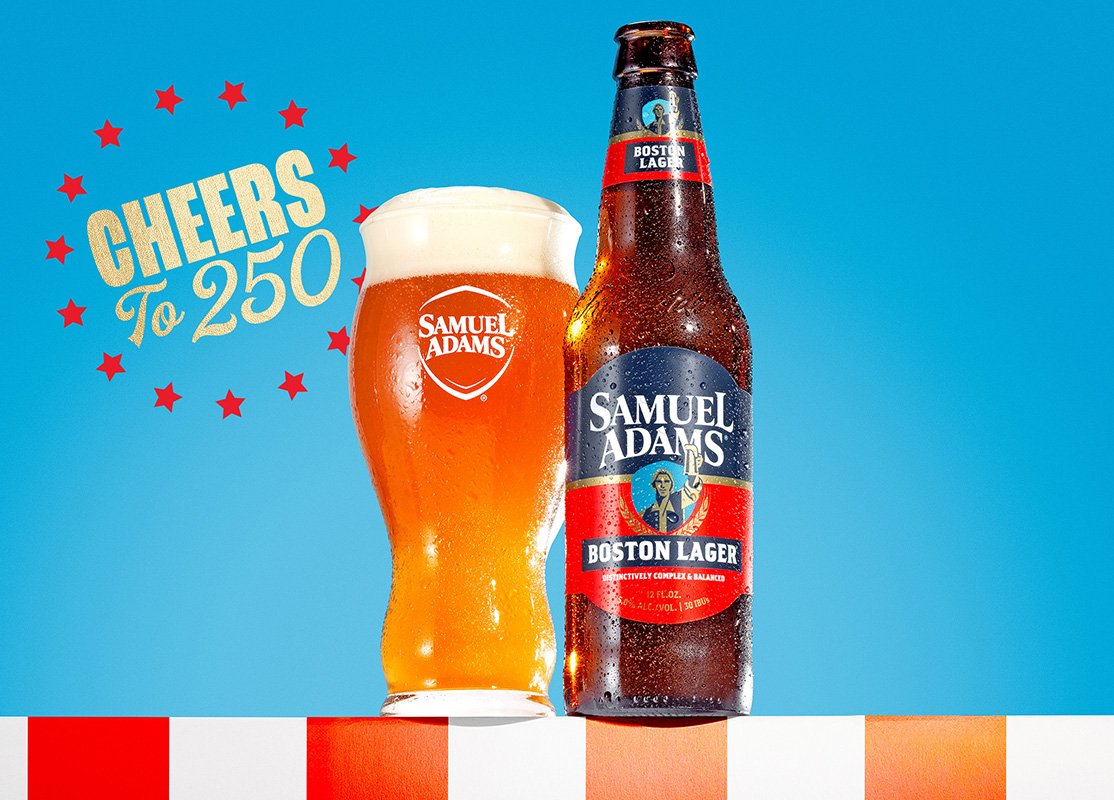
As the United States marks its 250th anniversary, the narrative of the nation is often told through its politics, its geography, and its monumental shifts in culture. Yet, there is a parallel history written in the fermenters and taprooms of the American craft beer movement. Standing at the center of this narrative—both as a pioneer and a permanent fixture—is Samuel Adams Boston Lager. Named for one of the nation’s most storied patriots, this beer has evolved from a kitchen-brewed experiment into a symbol of American ingenuity, craftsmanship, and the audacity to challenge the status quo.
The Genesis of a Revolution: Main Facts
In the mid-1980s, the American beer market was a monolith. Dominated by light, mass-produced lagers, the domestic industry lacked the depth and complexity found in European brewing traditions. Into this environment stepped Jim Koch, a fifth-generation brewer with a vision to revive a family recipe that had been tucked away for decades.
Samuel Adams Boston Lager was never intended to be just another product on a shelf; it was designed as a rebuttal to the "industrialized" beer that had become the American standard. By utilizing noble hops, traditional lagering processes, and a commitment to flavor over efficiency, the Boston Beer Company—founded by Koch in 1984—sought to re-educate the American palate. More than 40 years later, the beer remains the flagship of a company that transformed the way Americans think about, consume, and value their beer.
From Briefcase to Benchmark: A Chronology
The trajectory of Samuel Adams is a quintessential American success story, defined by persistence and a refusal to compromise on quality.
1984: The Street-Level Launch
The journey began with humble, almost mythic, origins. Jim Koch, armed with a briefcase filled with samples, walked the streets of Boston. He bypassed corporate boardrooms to visit bartenders and local pub owners directly. His pitch was simple: try a beer that tastes like something. This grassroots approach built a foundation of trust and authenticity that would eventually propel the brand into national consciousness.
1985: The Patriots’ Day Breakthrough
The official launch of Samuel Adams Boston Lager took place on Patriots’ Day in 1985. It was a symbolic nod to the company’s roots. The reception was immediate and overwhelming. Just six weeks after its debut, the beer was entered into the Great American Beer Festival (GABF). To the surprise of industry stalwarts, Boston Lager won the "Best Beer in America" title. This victory was not a fluke; the brand would go on to win the same honor for four consecutive years, cementing its place in brewing history.
1988: Setting the Industry Standard
By 1988, Samuel Adams had moved from a local curiosity to a national force. Recognizing that quality begins with freshness, the company became the first in the United States to implement "freshness dates" on its labels. At the time, this was a radical move that exposed the age of competitor products. Today, it is an industry-standard practice that consumers demand. That same year, the opening of the Boston brewery tour center marked a shift toward transparency and consumer education, further bridging the gap between the brewer and the drinker.
The Science of Flavor: Supporting Data
The success of Boston Lager is rooted in its technical specifications, which adhere to strict, old-world standards. Unlike many of its contemporaries at the time of its launch, Boston Lager utilizes Hallertau Mittelfrüh and Tettnang Tettnanger noble hops. These hops provide the signature floral and herbal aroma that distinguishes the beer from the more aggressive, citrus-forward IPAs that would later dominate the craft market.
The brewing process itself—the lagering phase—is critical. While "light" beers were engineered for rapid fermentation to maximize volume and profit, Boston Lager underwent a patient, temperature-controlled fermentation. This allowed for the development of a complex malt profile, characterized by a subtle sweetness and a clean, crisp finish. Even as the company expanded into an international powerhouse, the core brewing philosophy remained unchanged: maintain the integrity of the recipe while scaling production to meet global demand.
Global Recognition and Official Responses
The impact of Samuel Adams was not limited to the United States. In the late 1980s, the company achieved the unthinkable: it successfully exported its beer to West Germany. Meeting the Reinheitsgebot—the German Beer Purity Law dating back to 1516—was a badge of honor that few, if any, American breweries had achieved.
Industry analysts have often pointed to the "Samuel Adams Effect" as the catalyst for the modern craft beer explosion. According to the Brewers Association, the number of craft breweries in the U.S. has skyrocketed from fewer than 100 in the early 1980s to over 9,000 today. Industry leaders frequently cite Koch’s early efforts in lobbying for independent brewers and establishing a distribution framework as the essential infrastructure that allowed thousands of smaller, local breweries to survive and thrive.
Implications for the Future of Brewing
As the nation commemorates its 250th anniversary, the implications of the Samuel Adams legacy are profound. The beer has transitioned from a revolutionary alternative to a traditional cornerstone. However, its influence continues to shape the future of the industry in three key ways:

1. Consumer Expectations
Before Boston Lager, the average American consumer was conditioned to accept a uniform, low-flavor experience. Samuel Adams raised the bar, teaching the public that beer could—and should—have depth, color, and character. This shift in expectations is the primary reason the American craft market is currently the most diverse and experimental in the world.
2. The Entrepreneurial Blueprint
The story of Jim Koch carrying a briefcase through Boston has become the "founding myth" of the American craft brewery. It provides a template for thousands of entrepreneurs who seek to enter the industry. It emphasizes that quality, paired with a direct connection to the community, remains the most effective way to build a brand that lasts for decades.
3. Sustainability and Quality Control
As the beer industry faces new challenges, from climate-related hop shortages to shifting consumer demographics, the practices pioneered by Samuel Adams—such as date-stamping and rigorous supply chain management—serve as a model for sustainability. By prioritizing the product’s journey from the brewhouse to the glass, the company has shown that longevity is only possible through consistent, uncompromising quality.
A Toast to the Past, Present, and Future
Today, you can find a Samuel Adams Boston Lager in almost any corner of the United States—from local dive bars to the refrigerators of the White House. Its presence is a testament to the fact that, even in a world of constant change, there is a place for the original, the authentic, and the well-crafted.
As we look toward the next 250 years, the beer serves as a reminder that the American spirit is not just about independence—it is about the pursuit of excellence. Whether you are a long-time enthusiast or a newcomer to the craft, Samuel Adams Boston Lager offers a taste of history in every pour. It remains a fitting toast to a nation that was built on the same principles of innovation and rebellion that Jim Koch applied to his first batch of beer in 1984.
For those interested in exploring the history further, the Samuel Adams website offers detailed insights into their ongoing initiatives and the diverse range of beers that have evolved from that original lager. To see where the brand is heading next, or to find a pack near you, visit samueladams.com and follow their journey on social media at @samueladamsbeer. In an era of infinite choices, returning to the original is more than just a preference—it is a celebration of the journey that made the modern American beer scene possible.