Main Facts: The Anatomy of a Classic and the Great Base Spirit Divide
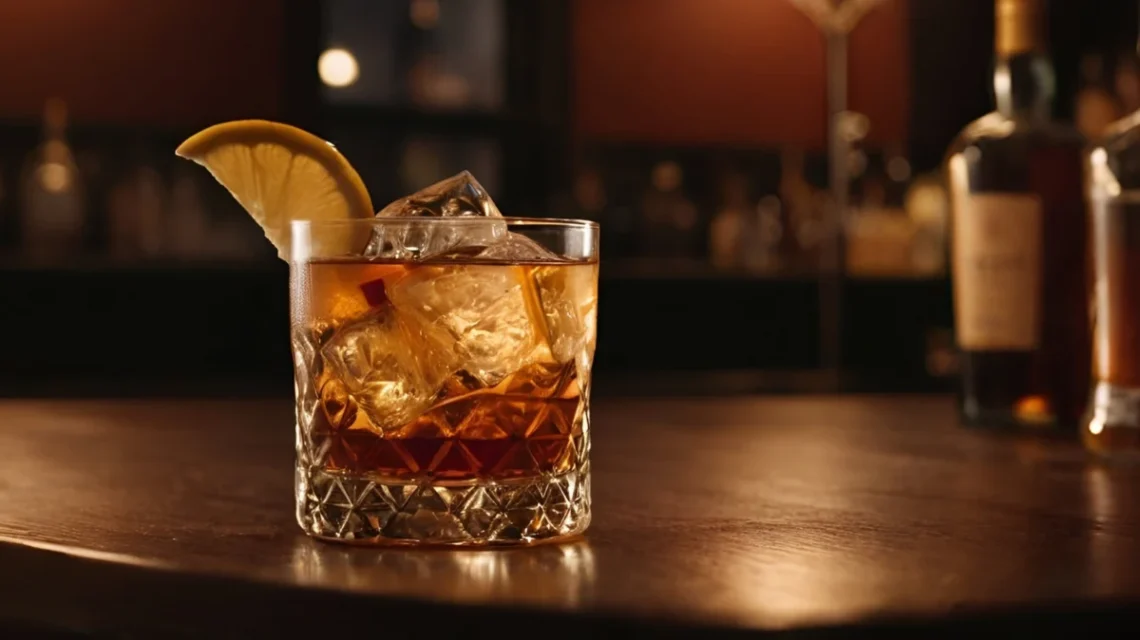
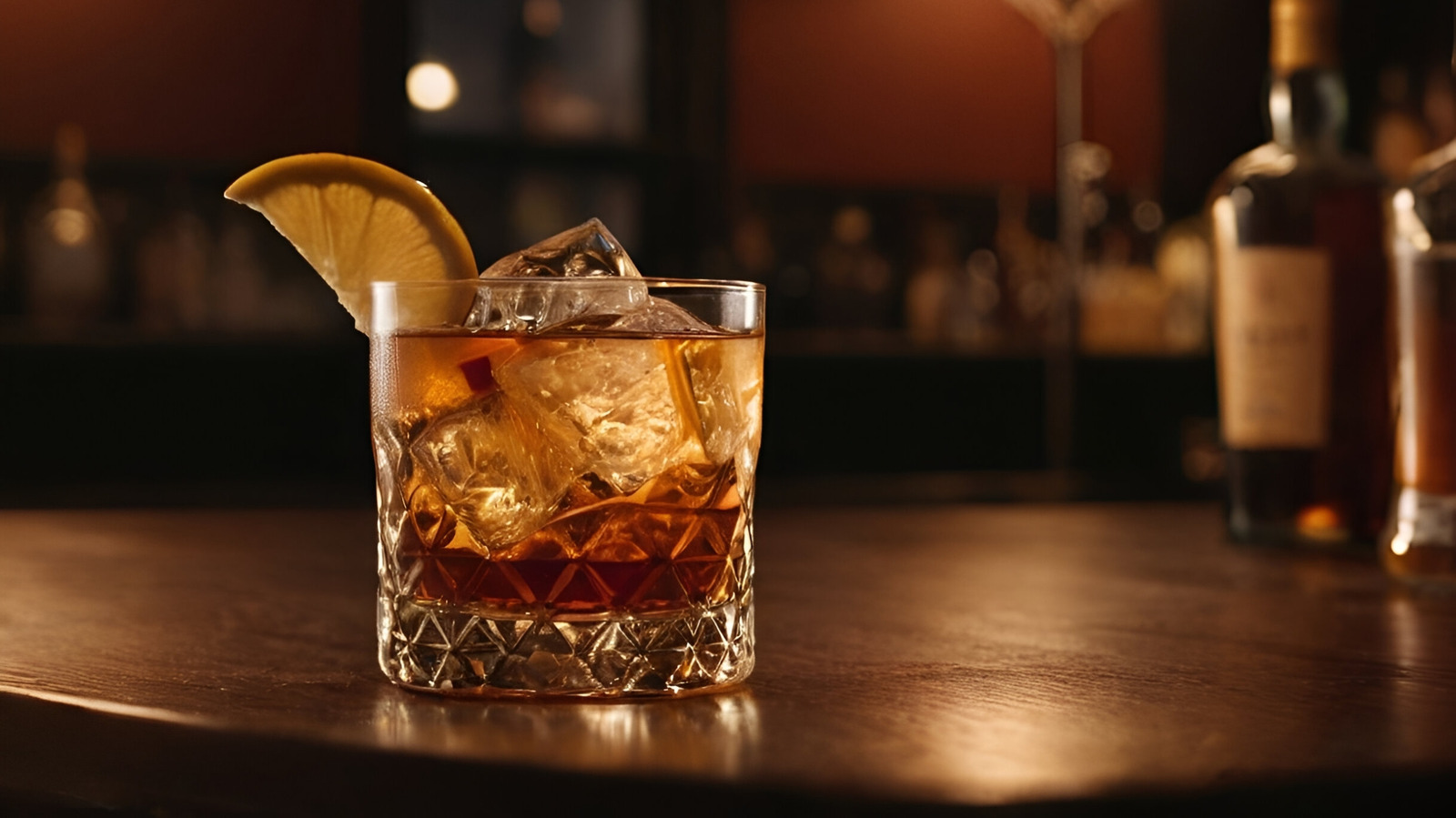
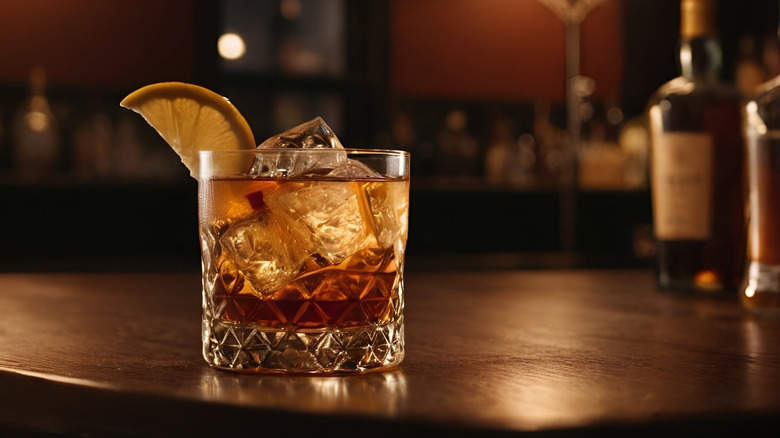
Few libations occupy as storied a place in mixology history as the Old Fashioned. Widely credited by cocktail historians as the very first cocktail—originating in the early 19th century before the word "cocktail" even evolved to describe complex mixed drinks—its foundational blueprint is deceptively simple. True to its name, it relies on a malleable composition: a base spirit, a dash of bitters, a cube or spoonful of sugar, and just enough water to temper the heavy alcohol content.
Yet, within this minimalist trinity lies a notorious paradox. While easy to assemble, perfecting an Old Fashioned is an exacting science. Because the drink contains so few ingredients, every single drop of liquid profoundly impacts the final flavor profile.
This brings home bartenders and master mixologists alike to a foundational crossroads: Should the base be a traditional whiskey, or specifically, a bourbon?
The answer is far from binary. While bourbon—with its corn-forward sweetness and thick, syrupy mouthfeel—remains the most popular choice for the classic recipe, grain-forward rye whiskey has long held its own dedicated following. Furthermore, the broader umbrella of global whiskies, from earthy Irish blends to smoky Scottish single malts, continues to challenge conventional boundaries. Ultimately, the debate is not about which spirit is objectively superior, but rather how each distinct bottle interacts with sugar and bitters to create an entirely different sensory experience.
Chronology: From 19th-Century Tonic to Modern Craft Renaissance
To understand the modern debate between bourbon and alternative whiskeys in an Old Fashioned, one must trace the cocktail’s evolution through American history.
The Dawn of the "Bittered Sling" (Early 1800s)
Before the term "Old Fashioned" entered the vernacular, early American drinkers consumed a morning restorative known as the "whiskey cocktail." Defined in 1806 by The Balance and Columbian Repository as a "stimulating liquor, composed of spirits of any kind, sugar, water, and bitters," this drink was originally designed to make harsh, unaged, or poorly produced spirits palatable. At this stage, any available whiskey—rye, corn whiskey, or early bourbon—served as the base.
The Invention of the Named Drink (1880s)
By the late 19th century, as bartenders began experimenting with complex modifiers, liqueurs, and vermouths (giving birth to the Manhattan and the Martinez), traditionalists grew nostalgic for the unadorned simplicity of the original early-century drink. Legend places the birth of the "Old Fashioned" at the Pendennis Club, a gentlemen’s club in Louisville, Kentucky, where a bartender purportedly crafted the drink using local Kentucky bourbon for a visiting colonel. Whether born in Kentucky or New York, this era cemented American whiskey—specifically bourbon and rye—as the undisputed anchor of the recipe.
Prohibition and the Erasure of Nuance (1920–1933)
During Prohibition, the art of the cocktail went underground, and the quality of available spirits plummeted. Bathtub gins and harsh, illicit moonshines required heavy masking agents. The Old Fashioned survived, but it was frequently bastardized with muddled cherries, orange slices, and a heavy splash of club soda or ginger ale—a fruity, over-diluted style that persisted through the mid-20th century.
The Craft Cocktail Revival (2000s–Present)
The modern craft cocktail movement rescued the Old Fashioned from its mid-century fruit-salad iteration. Bartenders stripped away the superfluous garnishes, returning to a minimalist aesthetic. This renaissance sparked an intense philosophical debate over ingredients: Should the drink lean into the rich, approachable sweetness of modern bourbon, or should it honor historical precedence with the spicy, dry bite of 19th-century rye whiskey? Today, this question drives menu innovation across the globe.
Supporting Data: Flavor Profiles, Mash Bills, and Chemistry
To master the Old Fashioned, one must understand the chemical and agricultural distinctions between the spirits that inhabit the bottle.
Bourbon: The Sweet, Syrupy Heavyweight
By federal law, American bourbon must be distilled from a mash bill consisting of at least 51% corn, aged in new, charred oak barrels, and produced in the United States.
- Flavor Profile: The high corn content naturally imparts pronounced sweet notes of caramel, vanilla, and butterscotch.
- Texture: Bourbon often yields a thicker, more viscous mouthfeel.
- Cocktail Interaction: Because of its inherent sweetness, bourbon is remarkably forgiving. It melds effortlessly with sugar and bitters, making it the most approachable choice for casual drinkers and those sensitive to high-proof alcohol "bite."
Rye Whiskey: The Spicy, Dry Traditionalist
Rye whiskey must be distilled from at least 51% rye grain, offering a stark contrast to its corn-based cousin.
- Flavor Profile: Rye is distinctly drier, sharper, and more assertive. It introduces earthy, herbaceous, spiced, and vegetal notes to the glass.
- Texture: Lighter in body compared to bourbon, rye provides a sharper structural backbone.
- Cocktail Interaction: Favored by professional bartenders, rye cuts through the sweetness of the sugar cube and rich bitters, preventing the cocktail from becoming cloying. It provides a lingering, warming spice that challenges the palate.
The Proof Factor: Why 50% ABV Matters
Regardless of whether you choose a bourbon or a rye, spirit selection requires attention to alcohol by volume (ABV). Mixology experts strongly recommend reaching for a higher-proof expression—ideally hovering around the 50% ABV (100 proof) mark.
An Old Fashioned relies on dilution; as the ice melts, it unlocks aromatic compounds in the whiskey while softening the burn. A lower-proof spirit (such as 40% ABV / 80 proof) will quickly become watery, thin, and lifeless under the influence of melting ice and simple syrup. Conversely, an excessively high-proof "cask strength" spirit can overpower the cocktail, masking the delicate interplay of the bitters.
Official Responses and Expert Perspectives: How Master Bartenders Approach the Glass
Industry veterans emphasize that there is no single "correct" bottle for an Old Fashioned. Instead, master mixologists approach the recipe as a blank canvas tailored to individual flavor preferences.
"The beauty of the Old Fashioned lies in its adaptability," notes prominent spirits educator and author David Wondrich. "You aren’t just mixing a drink; you are balancing a spirit’s inherent personality against sugar and aromatic spices."
According to leading craft bartenders across major metropolitan markets, the decision often comes down to the desired drinking experience:
- The Bourbon Approach: Recommended when serving guests who prefer a softer, dessert-like profile. Bartenders often pair high-corn bourbons with heavy, spiced aromatic bitters (such as Angostura) and an orange peel expression to highlight baking-spice notes.
- The Rye Approach: Deployed when the cocktail is meant to accompany a rich meal or act as a sophisticated nightcap. The dry, peppery nature of rye pairs brilliantly with richer Demerara sugar and chocolate or walnut bitters.
- The Global Wildcard Approach: While less traditional, forward-thinking bars frequently experiment with Irish whiskey (for a lighter, honeyed fruitiness), Canadian whisky (for exceptional smoothness), or even peated Islay Scotch (for a dramatic, campfire-smoke finish). When utilizing these non-traditional bases, bartenders typically adjust the sweetener—swapping standard sugar for maple syrup or honey—to harmonize with the unique grain or smoke characteristics.
Implications: The Future of Customization in Home Mixology
The ongoing debate between whiskey and bourbon in an Old Fashioned has profound implications for how consumers purchase and consume spirits at home.
No longer tethered to a rigid, one-size-fits-all recipe, modern drinkers are encouraged to explore the spirits aisle with an experimental mindset. The rise of craft distilleries producing micro-batch bourbons, high-rye bourbons (which bridge the gap between the two styles), and experimental finishes (such as rum-cask or port-cask finished whiskeys) means that a single cocktail can yield thousands of unique variations.
Furthermore, this versatility has elevated the status of home bartending. By understanding how a spirit’s mash bill, barrel-aging duration, and proof influence the final drink, enthusiasts can reverse-engineer their ideal cocktail. Whether one leans toward the comforting, vanilla-laden embrace of a wheat-forward bourbon or the fiery, earthy kick of a 100% rye, the Old Fashioned remains the ultimate testament to a golden rule of mixology: simple ingredients demand exceptional attention to detail.