In the bustling, high-stakes environment of San Francisco’s Financial District, a new player has emerged that is challenging the very foundations of the American café experience. The Wild Fox, a Japanese-inspired sanctuary located just steps from the Japanese consulate, is not merely serving coffee—it is curating a cultural exchange. As the latest entry in the 2026 Build-Outs of Coffee series, this establishment stands as a testament to what happens when culinary artistry meets an uncompromising dedication to the bean. Founded by Rich Lee and Liza Otanes of Spro Coffee Lab, alongside Executive Chef Tsubasa Onozaki (formerly of the acclaimed Liholiho Yacht Club), The Wild Fox has quickly established itself as a must-visit destination for coffee professionals and enthusiasts alike.
The Genesis: From Vacancy to Vitality
The story of The Wild Fox begins with a piece of San Francisco history that had long been forgotten. The physical space, once home to an Illy Caffè, had sat dormant for six long years—a silent casualty of the pre-pandemic economic shift and the city’s notoriously punishing commercial real estate market.
The revitalization of this site is a triumph of urban policy and entrepreneurial grit. Lee and his team secured the location through San Francisco’s "Vacant to Vibrant" program, a civic initiative designed to match local businesses with long-term vacant commercial spaces. By negotiating directly with the landlord, the city provided the necessary framework for The Wild Fox to take the risk of opening in a high-traffic, high-cost district.
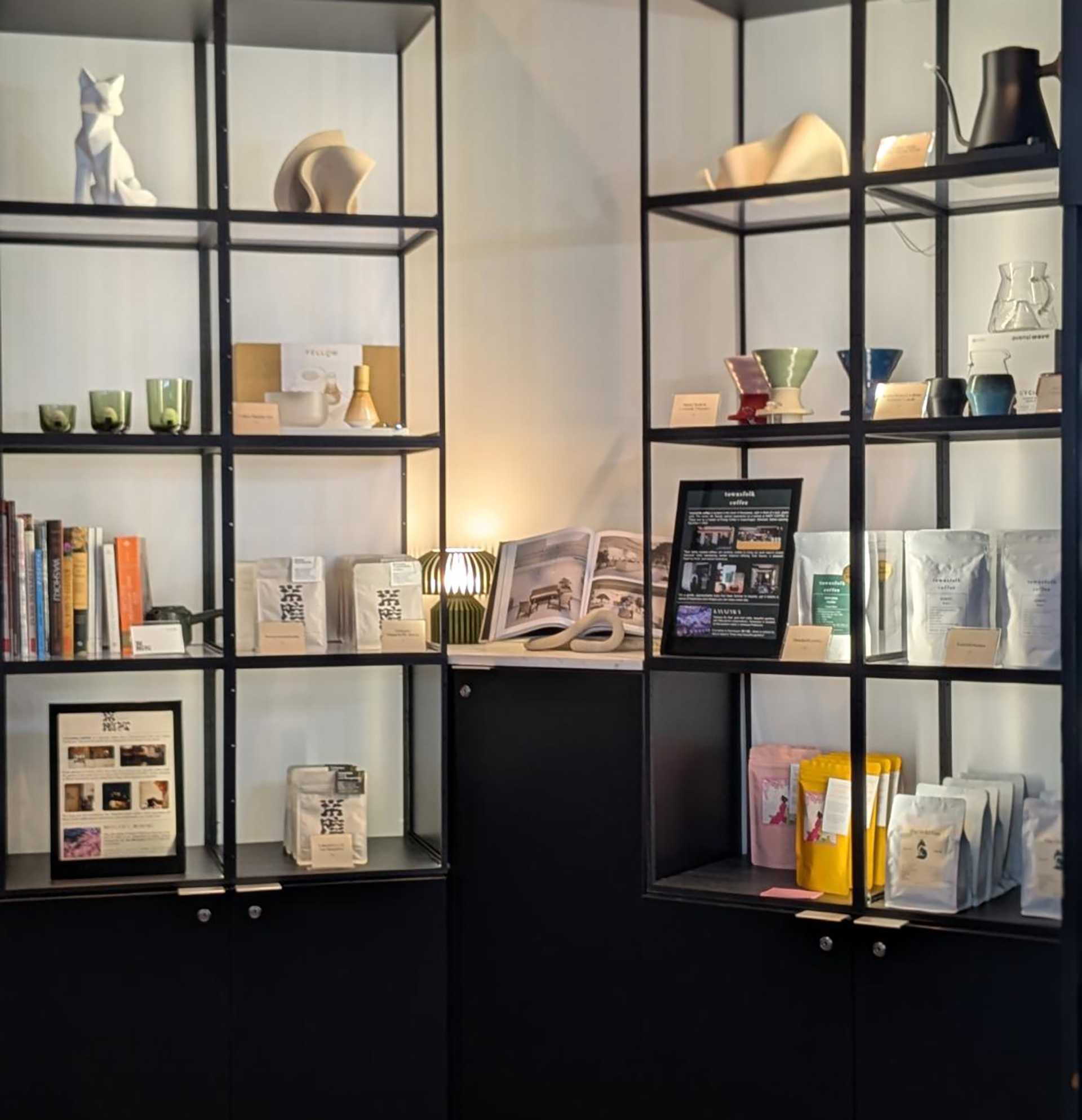
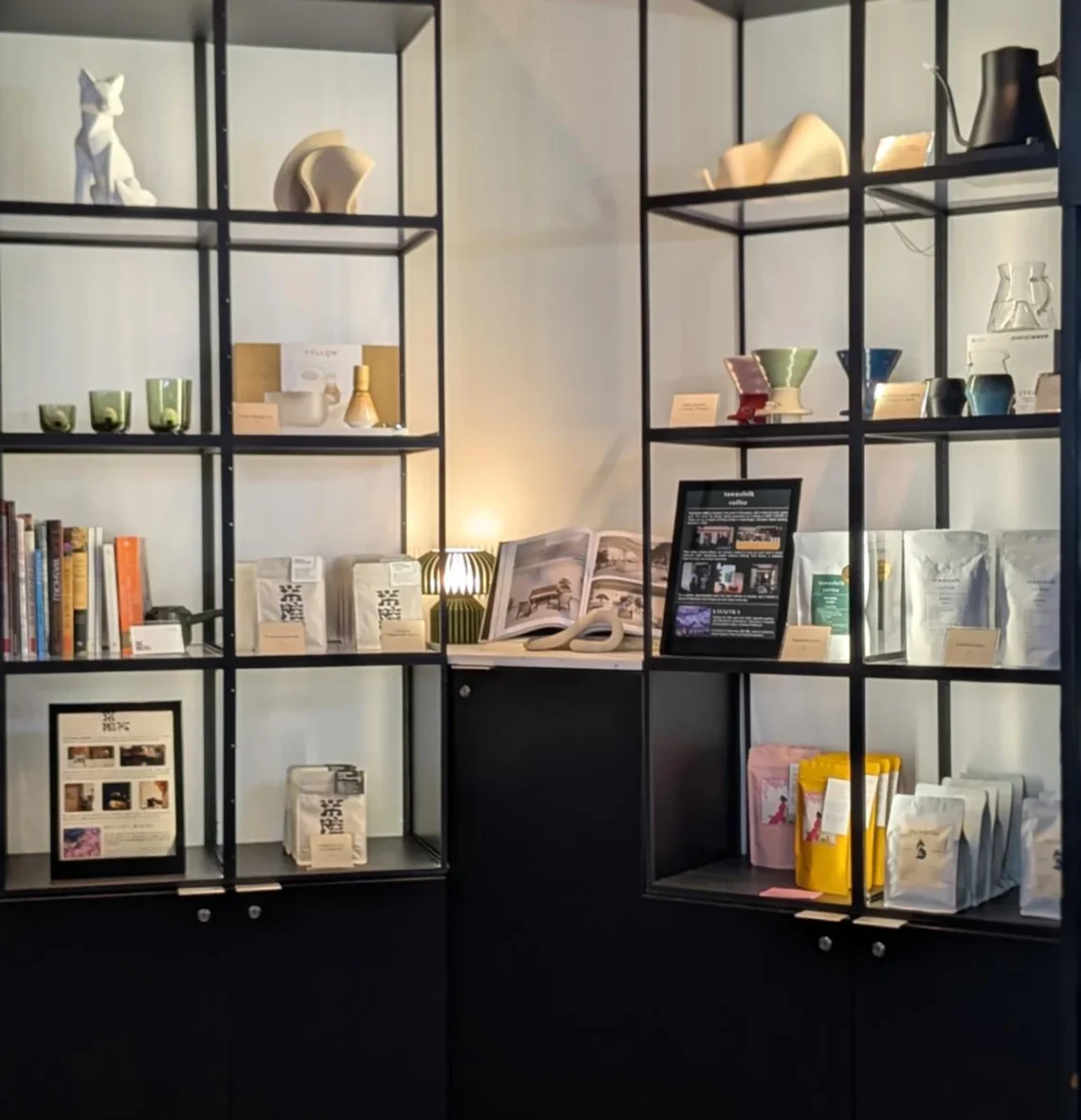
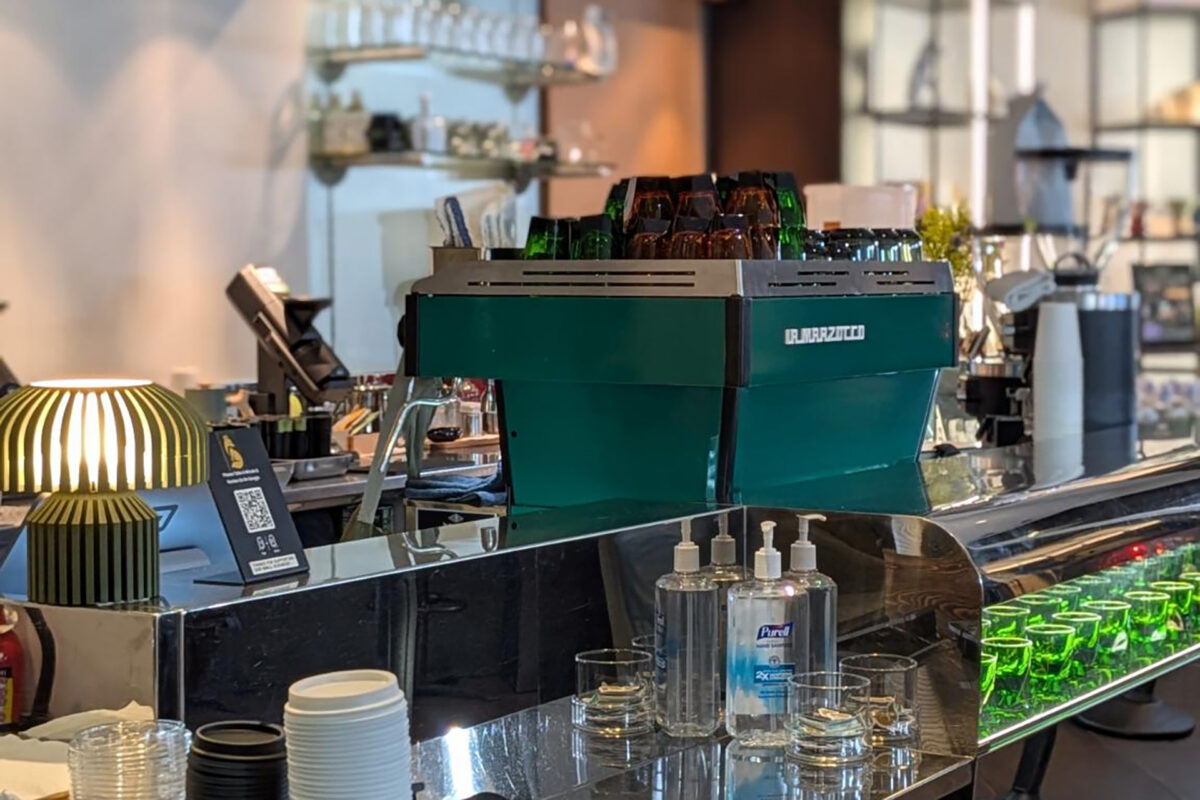
While the "bones" of the café were structurally sound due to its previous life as a coffee house, six years of dormancy required significant investment and restoration. "The landlord bent over backwards to make it work for us," says Rich Lee. "Everyone in the building made us feel so welcomed that it felt like we had everything we needed to succeed." Today, the space is transformed: an earthy, green-hued sanctuary adorned with an ornate collection of Japanese drippers and cups that signal to the customer that they have entered a place where detail is the primary objective.
A Chronology of Intentionality
The Wild Fox did not open with the intention of being a "neighborhood grab-and-go." Its operation is defined by a rigid, intentional, and strictly curated workflow:
- Pre-Opening (2025): Planning phases focused on establishing direct supply chains with Japanese roasters and securing the "Vacant to Vibrant" lease.
- Early 2026: Official opening of The Wild Fox, introducing a menu centered on Japanese culinary staples like onigiri, unagi rice bowls, and gyudon, paired exclusively with Japanese-roasted coffee.
- Mid-2026: The café begins hosting "Competition Residency" sessions, inviting World Barista Championship (WBC) competitors to perform their full routines for local audiences.
- October 2026: The team prepares to represent their unique cross-continental model at the Specialty Coffee Association of Japan (SCAJ) event in Tokyo.
The Philosophy of the Pour-Over
Perhaps the most disruptive aspect of The Wild Fox’s business model is its refusal to cater to the "latte-first" culture that dominates the American market. In an industry where milk-based beverages often account for the vast majority of sales, The Wild Fox reports a startling statistic: for six consecutive months, pour-over coffee has been their number-one seller.
"In a country where milk drinks dominate, that tells us people are ready to taste coffee the way it was grown to be tasted," says Lee. This commitment is supported by a high-end, high-stakes coffee program. The cafe imports beans multiple times a week from prestigious Japanese partners including Glitch Coffee, Oubaitouri, and Koloro Coffee Japan.
The café’s willingness to push the boundaries of price and quality is evident in their offerings. When a Cup of Excellence (COE) lot becomes available, The Wild Fox secures it, occasionally serving rare lots—such as the 2024 Brazil COE #1—at $105 per cup. While such price points invite debate, Lee views them as an essential part of the dialogue. "We want people thinking about quality before price," he explains. "Dialing that coffee in was a nightmare; we dumped several hundred dollars down the drain before it was right. But it starts conversations, and conversations are how specialty coffee moves forward."
Technical Specifications: The Science of Extraction
The Wild Fox’s commitment to quality is backed by a formidable array of high-precision equipment designed to maximize flavor clarity and complexity:
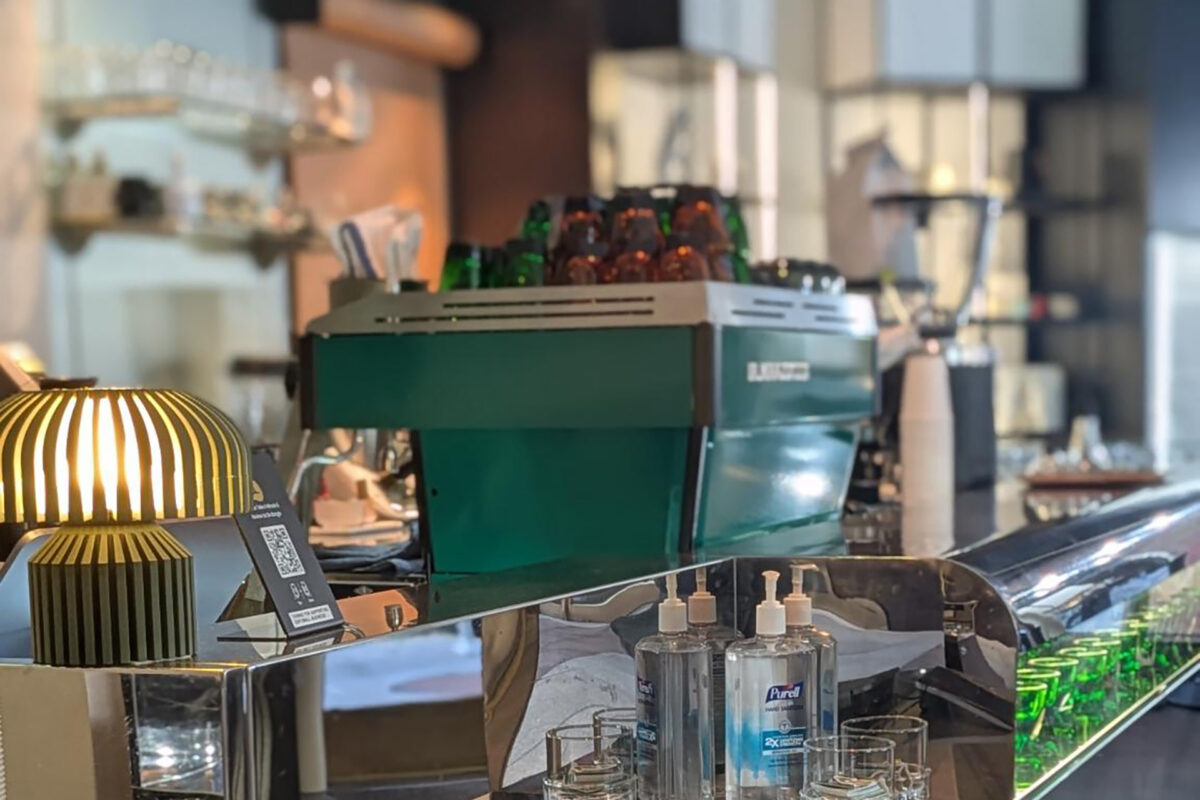
- Espresso: A La Marzocco Linea PB with built-in scales and upgraded steam wands that allow for precise, preset temperature control.
- Grinding: A Weber EG1, used exclusively to grind frozen coffee for both espresso and pour-over.
- Extraction: The use of Pesado screens and high-extraction portafilter baskets, paired with a custom-calibrated water filtration system designed to highlight the natural sweetness of the beans.
- Brewing: The Hario Switch is the tool of choice for the pour-over bar, allowing for meticulous control over flow rates and immersion times.
The decision to grind frozen coffee is central to their approach. By holding coffee at peak freshness in a frozen state and grinding it while cold, the team achieves a sweeter, more acidic, and more complex cup that avoids the degradation common in room-temperature beans.
A Menu Without Distractions
The food and beverage menu is a masterclass in restraint. There is no Wi-Fi, there are no mochas, and milk or sugar are not offered unless explicitly requested. The signature drinks are crafted with a low-sweetness profile common in Japan, such as the house-made salted vanilla or the sakura kuromitsu, which uses sakura flower syrup and Okinawa brown sugar.
The matcha program follows the same ethos. By importing their own matcha directly, the team bypasses distributors to ensure total control over the product. The resulting menu—featuring items like the matcha mango shizuku with house-made mango cold foam—is designed to be a sophisticated, nuanced experience rather than a sugar-heavy treat.

Sustainability: A Multi-Faceted Approach
Sustainability at The Wild Fox is treated as a foundational business pillar rather than a marketing tactic. Their strategy is threefold:
- Infrastructure Preservation: By occupying a space with existing coffee infrastructure, they avoided the environmental cost of a full build-out.
- Inventory Management: Their small-batch import model and freezing program ensure that zero coffee is wasted; everything is consumed at its peak.
- Economic Sustainability: They pay producers directly for small, rare lots at prices that reward quality, viewing this as the most direct path to ensuring the long-term viability of coffee farming.
- Equity in Consumption: By eliminating the "alt-milk tax," the café removes the financial penalty for choosing plant-based dairy, effectively subsidizing the more environmentally friendly choice.
The Future of Competition Coffee
Perhaps the most forward-thinking initiative at The Wild Fox is their "Competition Series." By hosting World Barista Championship competitors—such as Christopher Hoff, Kay Cheon, and Morgan Eckroth—the café invites customers to witness the intense, technical rigor of competition coffee.
Guests are provided with real judging sheets, allowing them to engage with the technical criteria used by professionals. This serves to demystify the elite level of the industry, bridging the gap between the average consumer and the global community of baristas who are pushing the boundaries of the craft.
Implications: A New Standard for the American Café
The success of The Wild Fox suggests a shift in the American coffee consciousness. It proves that there is a viable, thriving market for a café that prioritizes the origin of the bean, the technical precision of the extraction, and a "no-distraction" service model.
By leveraging the "Vacant to Vibrant" program, utilizing Japanese roasting expertise, and focusing on education through competition, Rich Lee and his team have created more than just a shop—they have created a hub for the next generation of coffee culture. As they look toward the SCAJ in Tokyo, the message they bring is clear: specialty coffee is not just a commodity, it is a pursuit of excellence, and the customer is far more capable of appreciating that pursuit than the industry has historically given them credit for.
Whether one is a casual visitor or a seasoned barista, a visit to The Wild Fox serves as a reminder that when you strip away the Wi-Fi, the syrups, and the shortcuts, what remains is the simple, profound beauty of a perfectly brewed cup of coffee.