NEW YORK — As the calendar turns to September and major retailers rush to flood the marketplace with artificial pumpkin spice, heavy woolens, and Halloween décor amidst lingering 85-degree heatwaves, a quiet culinary rebellion is taking place. Across home kitchens, chefs and food enthusiasts are pushing back against the aggressive commercial rush toward winter comfort foods, choosing instead to honor the vibrant, fleeting peak of late-summer produce.
At the forefront of this seasonal stand is the steadfast defense of the tomato. Rather than casting aside summer crops at the mere hint of an approaching apple or a cooling breeze, culinary traditionalists and home cooks are leaning into the bounty of the season, culminating in inventive, simplified dishes that capture the pure essence of summer before it fades.

Main Facts: Redefining Risotto for the Late-Summer Table
At the center of this seasonal movement is a newly popularized recipe making waves across food blogs and home kitchens: Tomato Risotto with Frizzled Red Onions.
Diverging sharply from traditional Italian culinary dogma, this dish re-imagines classic risotto by stripping away heavy, complicated requirements. Abandoning the traditional warm broth, constant stove-side stirring, and heavy heaps of butter and cheese, this modern iteration relies on the purity of grated fresh tomatoes, water, and aromatics.

Key elements of the recipe include:
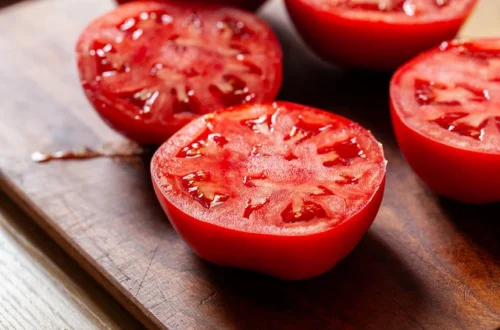
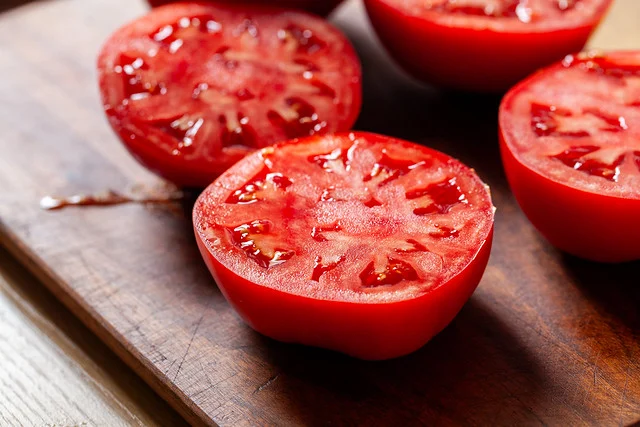
- The Tomato Base: Utilizing fresh, halved tomatoes grated directly against a box grater to extract pure tomato pulp and juices while discarding the tough outer skins.
- The Technique: Moving away from the stovetop by utilizing an oven-baked method (at 350°F) in a 4-quart Dutch oven or braiser, requiring minimal supervision and zero constant stirring.
- The Topping: Replacing traditional meat garnishes—such as bacon or prosciutto—with thinly sliced red onions "frizzled" in olive oil until deeply golden brown and crisp.
- Dietary Flexibility: Naturally adaptable, the dish can easily transition from a buttery, parmesan-topped comfort food to a completely vegan meal finished simply with olive oil, fresh basil, and crispy onions.
Chronology: The Evolution of Summer-to-Fall Cooking
The cultural friction between the lingering warmth of late summer and the premature marketing of autumn has deep roots in modern consumer habits.

- Early August: Peak agricultural bounty arrives across North America and Europe, with heirloom tomatoes, corn, and stone fruits flooding farmers’ markets.
- Late August to Early September: Retailers and marketing departments initiate the "autumn creep," rolling out pumpkin spice products, heavy knitwear, and holiday decorations while outdoor temperatures remain firmly in the mid-80s.
- Mid-September: Food writers, home cooks, and independent recipe developers push back, advocating for a transition period. Rather than abandoning summer vegetables, culinary platforms highlight recipes that bridge the gap—using warm-weather produce in transitional formats like baked grains, braised vegetables, and oven risottos.
- The Present: Recipes like Tomato Risotto with Frizzled Red Onions gain traction online, serving as a symbolic anchor for consumers refusing to skip straight from summer salads to winter stews.
Supporting Data: Breaking Risotto "Rules"
Traditional Italian cooking literature has long dictated strict rules for preparing risotto. However, modern recipe testing continues to dismantle these rigid dogmas, proving that simplified methods yield equally impressive, if not superior, results.
| Traditional Risotto Rule | Modern Oven-Baked Approach |
|---|---|
| Constant Stirring: Must stand over the stove adding warm broth ladles at a time. | Oven-Baked Method: Covered pot baked in the oven for 25–30 minutes with minimal intervention. |
| Warm Broth Requirement: Must use pre-warmed chicken, beef, or vegetable broth for liquid. | Water and Puree: Uses plain water combined with natural tomato pulp and a splash of wine to preserve clean, unmasked flavors. |
| Heavy Dairy Burden: Requires substantial amounts of butter and parmesan cheese during cooking for creaminess. | Optional Finish: Butter, oil, and cheese are reserved strictly for the final post-bake stir, or omitted entirely for vegan adaptations. |
Furthermore, efficiency metrics highlight the appeal of the oven-baked method: prep time for the tomato pulp takes roughly 10 minutes, initial onion-frizzling takes 8 to 10 minutes, and the hands-off baking phase frees up the cook for other tasks.

Official Responses and Perspectives
While no international governing bodies regulate seasonal food transitions, culinary experts, food historians, and parenting voices have weighed heavily on the cultural phenomenon of "autumn creep."
Food writers and recipe developers note that forcing seasonal shifts too early diminishes appreciation for what is on the plate. "I miss [tomatoes] all winter too much to throw them out of the kitchen when the first apple arrives," notes one prominent food chronicler, capturing the sentiment of home cooks who view seasonal ingredients as a limited-edition gift.

Additionally, family dynamics play a subtle role in the psychological desire to hold onto summer. For parents navigating the chaotic transition of children starting middle school or entering their senior year of high school, holding onto the slow, uncomplicated rhythm of summer cooking provides a comforting psychological anchor amidst major household milestones.
Implications: A Shift Toward Mindful, Seasonal Cooking
The popularity of minimalist, produce-forward comfort dishes like tomato risotto points to a broader shift in modern food culture:

- Rejection of Manufactured Urgency: Consumers are increasingly fatigued by retail-driven calendars that dictate what they should wear, buy, and eat based on arbitrary corporate timelines rather than local climate and agricultural reality.
- Simplification of Technique: As home cooks face busier schedules, culinary trends are moving away from labor-intensive, high-maintenance traditional techniques (like constant-stir risotto) in favor of smart, streamlined kitchen science that delivers maximum flavor with minimal friction.
- Sustainability and Waste Reduction: By maximizing the utility of seasonal produce—such as grating fresh tomatoes down to their skins and utilizing every part of the alliums—home cooks align closer with sustainable, nose-to-tail, and root-to-stem kitchen philosophies.
As September temperatures eventually drop and winter inevitably takes hold, dishes like tomato risotto serve as a delicious reminder that there is joy in resisting the rush, slowing down, and squeezing every last drop of flavor out of the season at hand.