Modern society is built on convenience. From grab-and-go breakfast bars to ready-to-heat TV dinners, industrial food formulations have quietly saturated the global marketplace. While terms like "junk food" have long been used colloquially to describe candies, chips, and ice cream, nutrition scientists have coined a more precise categorization: ultra-processed foods (UPFs).
Characterized by long ingredient lists featuring industrial additives—such as artificial colors, emulsifiers, modified starches, and synthetic sweeteners—these products are engineered to mimic real foods or mask undesirable flavors. They are not merely unhealthy because of sugar or fat; they represent a fundamental departure from whole foods. As researchers and public health advocates increasingly scrutinize these products, a critical question emerges: Are the health risks of ultra-processed foods driven entirely by poor nutritional profiles, or is there something inherently harmful about the industrial processing itself?
Main Facts: Deconstructing the Ultra-Processed Dominance
The modern food supply is overwhelmingly dominated by ultra-processed items. Assessments of more than 200,000 commercial food products in the United States reveal that an astonishing 71% fall into the ultra-processed category.
These items are no longer confined to the middle aisles of traditional grocery stores. Sugary beverages and calorie-dense snacks are ubiquitous at non-food retailers, gas stations, bowling alleys, and even medical offices. This pervasive placement acts as a constant psychological cue to consume. As a former executive of a major beverage corporation famously noted, the goal is to keep products within "an arm’s reach of desire."
The consequences of this ubiquity are stark:
- Massive Dietary Share: In higher-income nations worldwide, ultra-processed foods consistently account for more than 50% of total daily caloric intake.
- Youth Consumption: Among U.S. children and adolescents, between 56% and 70% of daily calories are derived from junk food.
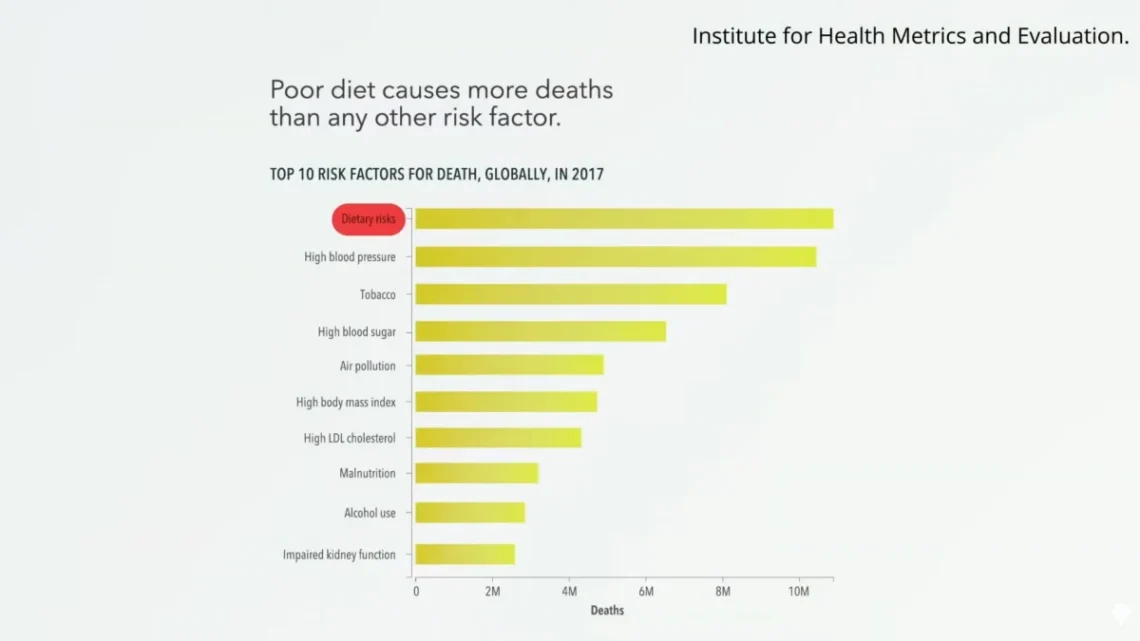
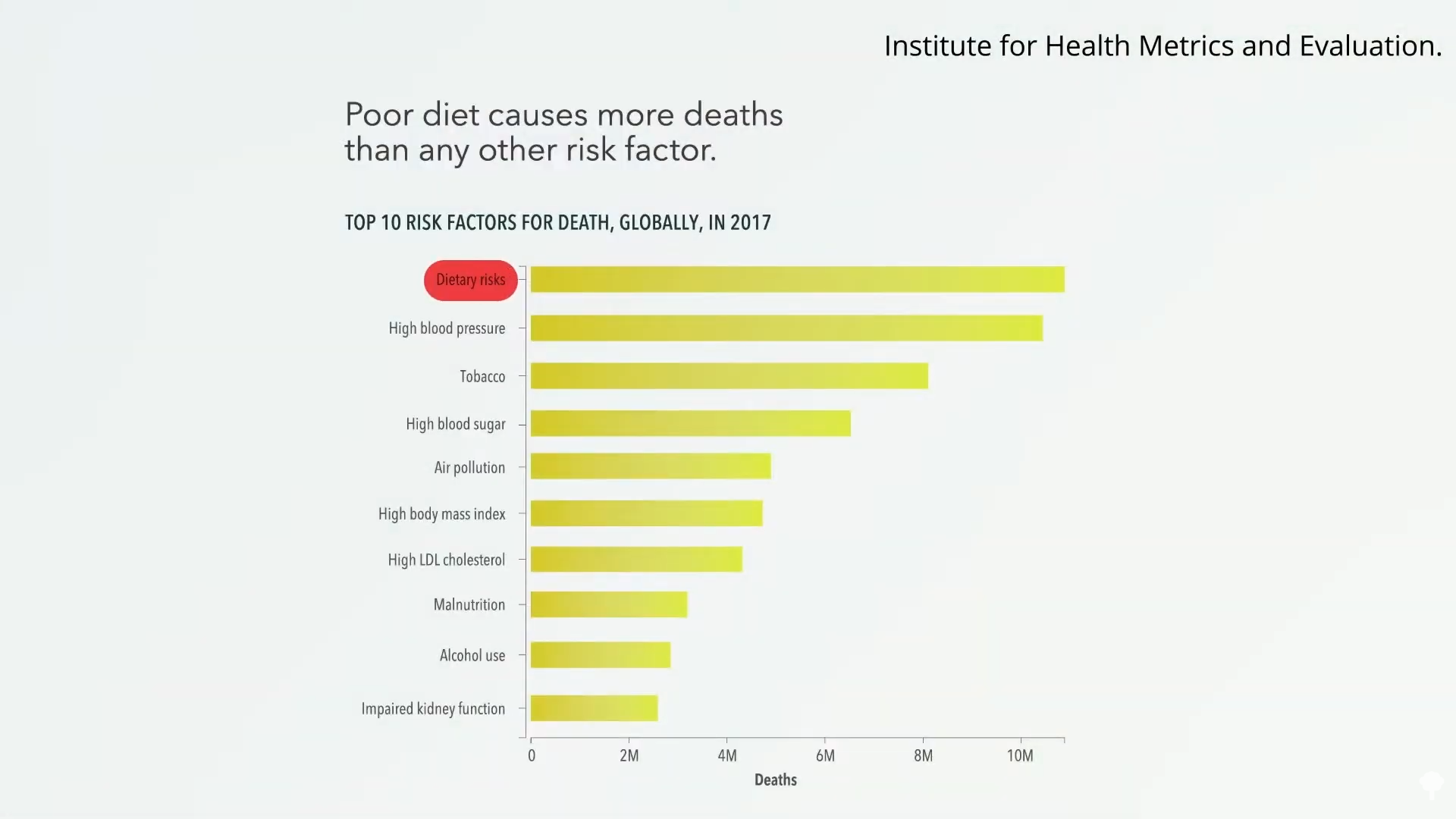
- The Global Toll: Unhealthy diets—heavily skewed toward processed and calorie-dense formulations—stand as humanity’s leading risk factor for death and chronic disease globally.
Observational data links ultra-processed food consumption to an array of adverse outcomes, including obesity, type 2 diabetes, cardiovascular diseases, certain cancers, irritable bowel syndrome, depression, and all-cause mortality. In pediatric populations, studies have linked high UPF intake to heightened rates of asthma and increased DNA damage. Notably, peer-reviewed literature features virtually no studies associating ultra-processed foods with beneficial health outcomes.
Chronology: The Rise of Industrial Formulations and the First Clinical Trial
To understand how we arrived at this nutritional landscape, it is helpful to trace the evolution of processed foods alongside scientific inquiry.
- Mid-to-Late 20th Century: Food manufacturing shifts rapidly toward industrial formulations. Shelf-life extension, cost reduction, and hyper-palatability become primary industrial goals, driven by cheap, taxpayer-subsidized ingredients like high-fructose corn syrup.
- The 2010s: Epidemiological studies begin to mount, consistently connecting rising UPF consumption with global epidemics of obesity and metabolic syndrome. Concurrently, binge eating is officially recognized as a primary eating disorder, with clinical evaluations revealing that typical binge foods are 100% ultra-processed.
- Recent Years: Food manufacturers face mounting public criticism and regulatory pressure. In response, the industry proposes product "reformulation"—tweaking existing ultra-processed formulas by marginally increasing fiber or reducing salt, sugar, and fat while keeping the underlying industrial matrix intact.
- The Landmark Controlled Trial: Seeking to test the limits of these industry defenses, researchers design the first-ever randomized controlled trial to isolate the independent effects of ultra-processing from basic nutrient profiles.
Supporting Data: Inside the Landmark Clinical Trial
For years, food manufacturers argued that ultra-processed foods were only harmful if they contained excessive amounts of sugar, sodium, or fat. Critics suggested that if a processed product matched the nutritional profile of an unprocessed meal, the health outcomes would be identical.
To test this hypothesis, researchers conducted a tightly controlled inpatient clinical trial. Twenty healthy volunteers were confined to a hospital research ward for 28 days, consuming either an ultra-processed diet or an unprocessed diet for 14 consecutive days each.
The defining feature of this study was strict macronutrient matching. Both diets provided identical amounts of:
- Total calories
- Sugars and complex carbohydrates
- Dietary fiber
- Total fats and fatty acids
- Protein and sodium
The Methodology in Practice
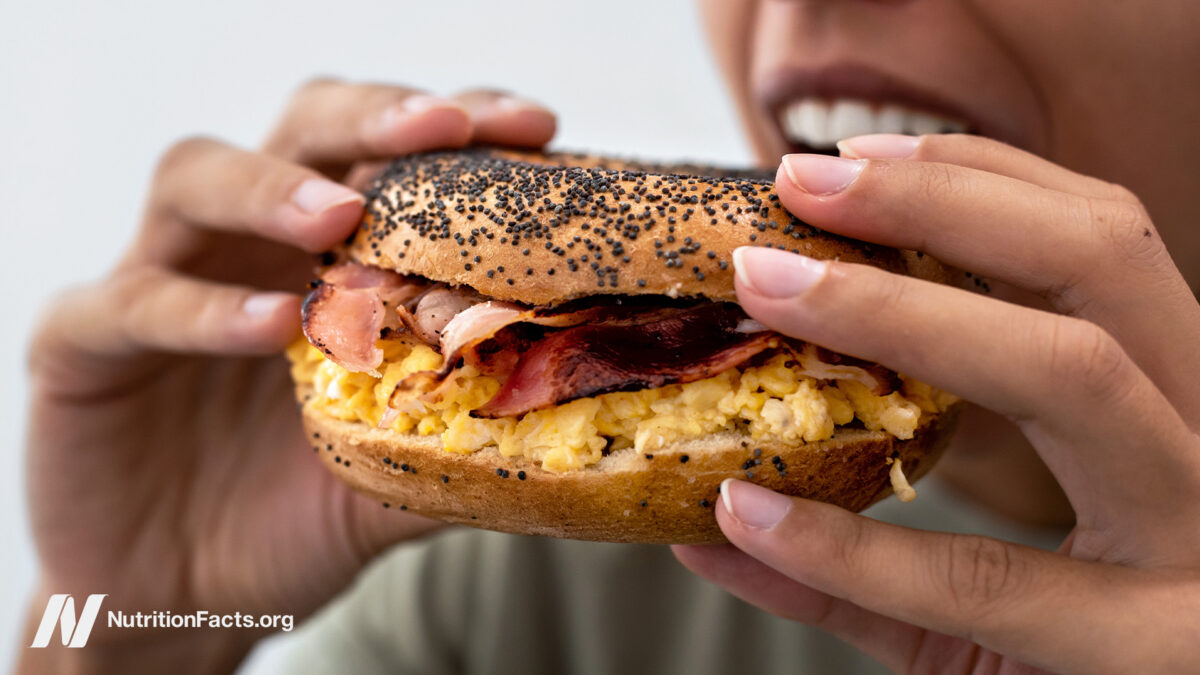
- Breakfast Comparisons: During ultra-processed weeks, participants were served items like packaged cereal and a muffin, or an egg-and-cheese sandwich with turkey bacon and orange juice. During unprocessed weeks, they received meals like traditional steel-cut oatmeal with fresh blueberries and raw almonds.
- Lunch Comparisons: The processed group received a turkey sandwich, non-fat Greek yogurt, canned peaches, baked potato chips, and sugar-free lemonade. The unprocessed group received a Southwest entrée salad featuring black beans, carrots, corn, avocados, nuts, and fresh apples and grapes.
Participants were instructed to eat as much or as little as they wanted. The results were definitive.
When consuming the ultra-processed diet, participants spontaneously ate approximately 500 more calories per day than they did on the unprocessed diet. Consequently, subjects gained an average of two pounds during the two weeks on the ultra-processed regimen, while actively losing two pounds during the two weeks on the unprocessed diet—all while consuming the exact same baseline nutrients on paper.
Official Responses: Industry Pushback vs. Public Health Realities
The food industry generates over a trillion dollars annually, relying heavily on low-cost ingredients to secure massive profit margins. Faced with growing scientific condemnation, corporate stakeholders and trade organizations have mounted systematic defenses.
The Industry Stance: Reformulation and Convenience
Major food manufacturers argue that completely eliminating ultra-processed foods is "unrealistic" given modern societal pressures, dual-income households, and time constraints surrounding home cooking. Instead, they champion reformulation—an unobtrusive strategy aimed at achieving "nutritional improvement without dietary change." By adding synthetic fiber or fortifying products with vitamins, manufacturers claim they can retain the convenience of processed foods while mitigating health risks.
The Public Health Counter-Perspective
Independent researchers and clinicians reject the reformulation narrative, arguing that it represents a continuation of decades-old marketing propaganda designed to keep consumers dependent on industrial products.
Critics emphasize that the structural matrix of ultra-processed food encourages overeating, bypassing the body’s natural satiety cues regardless of fiber or vitamin additives. As public health advocates frequently point out, claiming that healthy food cannot be convenient ignores simple, ready-to-eat whole foods—such as fresh fruit, nuts, and raw vegetables.
Implications: Rethinking the Modern Diet
The implications of these findings extend far beyond individual waistlines; they strike at the heart of public health economics. While the food industry pulls in trillions of dollars in revenue, a staggering proportion of global healthcare expenditures goes toward treating chronic, diet-induced conditions such as type 2 diabetes, cardiovascular disease, and obesity.
Moving Beyond the Box
Addressing the global dominance of ultra-processed foods requires a fundamental shift in how societies view nourishment:
- Shifting Regulatory Focus: Policymakers must look beyond simple nutrient profiling (such as front-of-package calorie or sugar counts) and begin addressing the degree of industrial processing itself.
- Rebuilding Culinary Literacy: Public health campaigns must prioritize culinary education, helping communities reclaim the skills necessary to prepare simple meals from whole ingredients.
- Challenging Industry Narratives: Recognizing ultra-processed foods not merely as personal dietary choices, but as hyper-engineered economic commodities, allows consumers and practitioners to target the systemic drivers of chronic disease.
Ultimately, the science shows that you cannot engineer health into a laboratory-born matrix. True dietary resilience lies in embracing minimally processed, whole foods that are naturally low in sugar and rich in fiber—proving that the most powerful solutions to our modern health crises have been available all along.