The cinematic landscape is about to shift. For years, the prospect of a new Chronicles of Narnia adaptation has existed in the realm of rumor and fan speculation, but under the visionary direction of Greta Gerwig, the world of C.S. Lewis is finally being brought to life for a modern generation. In a major reveal via Empire Magazine, Netflix has pulled back the curtain on the highly anticipated 2027 film, The Magician’s Nephew, confirming long-standing casting rumors and offering a glimpse into a bold, musically-infused aesthetic that promises to redefine the fantasy genre.
The Main Facts: Casting and First Looks
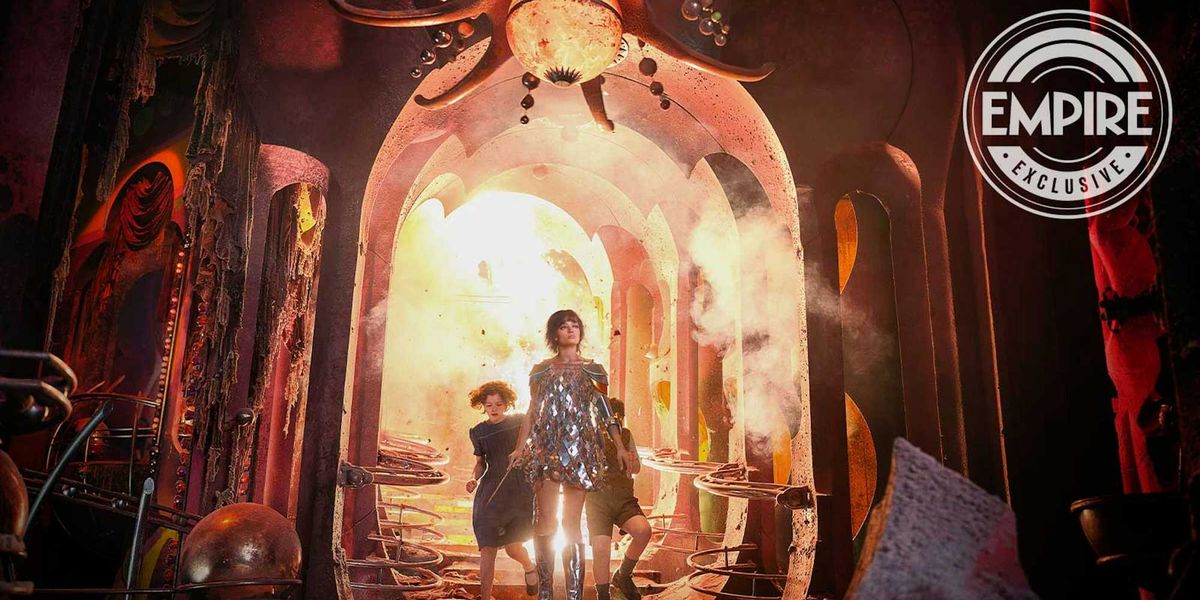
The headline-grabbing news is the official confirmation of Meryl Streep as the voice and spirit of Aslan. The legendary actress steps into the role of the Great Lion, a casting choice that has sent shockwaves through both the literary and cinematic communities. Alongside her, we finally have our first visual confirmation of the film’s core human trio: David McKenna stars as the inquisitive Digory Kirke, Beatrice Campbell portrays the courageous Polly Plummer, and Emma Mackey appears as the formidable Jadis, the future White Witch.
These images, captured by Empire, showcase a striking departure from the traditional period-accurate aesthetics of previous adaptations. Emma Mackey’s Jadis, in particular, is a revelation. Eschewing the classic heavy robes associated with the character’s later reign, Mackey is depicted in a disco-inspired, armor-like ensemble that hints at the character’s origins in the dying world of Charn. This look, while surprising to purists, underscores Gerwig’s intent to lean into the surreal and the stylized.
Chronology: The Journey to 1950s Narnia
While the original C.S. Lewis novels are firmly rooted in the Edwardian era of the early 1900s, Gerwig has made the bold executive decision to shift the narrative timeline to the 1950s. This change is not merely cosmetic; it serves as a thematic anchor for the entire production. By situating the story in a post-WWII landscape, Gerwig aims to tap into the specific zeitgeist of that decade—a time characterized by a unique collision of trauma, rebuilding, and a burgeoning sense of cultural revolution.
This shift allows for the integration of the musical philosophy that underpins Gerwig’s vision. "David Bowie saved my life. Paul McCartney saved my life. David Gilmour saved my life. Pete Townshend saved my life," Gerwig remarked in her Empire interview. "When I heard their music, I had this deep sense of thinking, ‘You’re gonna be okay.’ Narnia is literally a world made out of music. It is a world sung to life by Aslan, and rock ’n’ roll to me felt like a world made out of music."
This temporal move suggests a narrative arc that bridges the gap between the devastation of the 1950s and the birth of a new, magical universe. The film follows Digory and Polly as they stumble into the decaying world of Charn, inadvertently waking Jadis and eventually witnessing the creation of Narnia itself.
Supporting Data: The Anatomy of Aslan
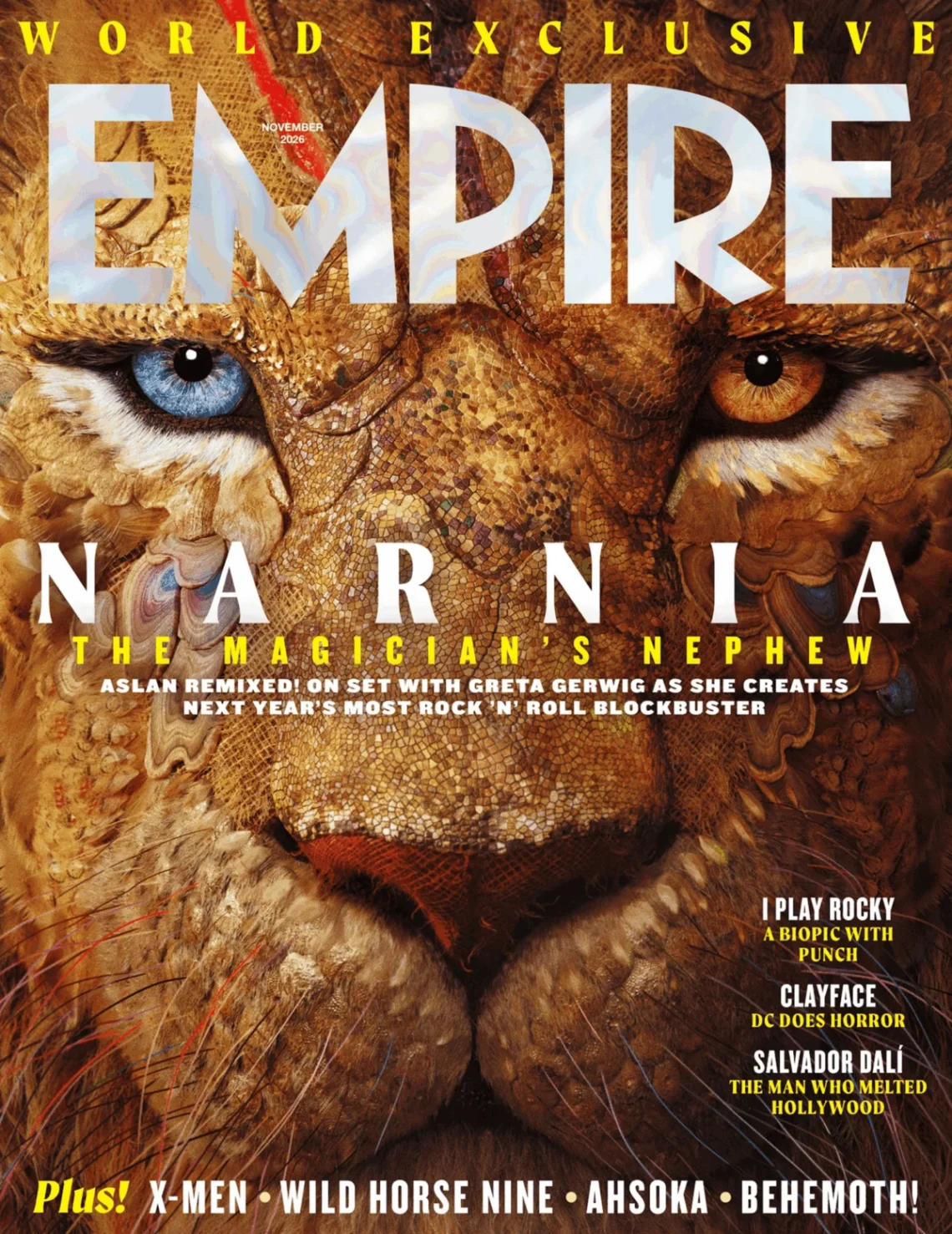
One of the most complex tasks in bringing Narnia to life is the realization of Aslan. Avoiding the pitfalls of CGI-heavy character design, Gerwig has opted for a creature design that feels both organic and otherworldly. Reports indicate that Aslan will be a composite entity, featuring features that evoke reptilian scales, tree-ring textures, and iridescent patterns reminiscent of butterfly wings.
This design choice aims to emphasize Aslan’s role not just as a lion, but as an elemental force of nature and creation. By moving away from a photorealistic lion toward a symbolic amalgamation, the production team is prioritizing the "mythic" quality of the character over a literal interpretation. This visual density aligns with the casting of Meryl Streep, whose performance is intended to provide the emotional and spiritual gravitas necessary to hold such a complex character together.
Official Responses and Creative Intent
Greta Gerwig’s approach to casting Meryl Streep reflects a meticulous search for an actor who could embody both divine wisdom and human vulnerability. "I wanted someone who was profound but not pretentious, who had gravitas but not morose self-seriousness," Gerwig explained. "I wanted someone who was older than 70, so there was a wisdom of experience, but who also had the capacity of fresh wonder, like a child."
For Gerwig, Streep was the only viable candidate who possessed the range to balance the weight of an ancient creator with the joy of a new beginning. The response from the studio and the literary estate has been one of total alignment; there is a clear consensus that the film must honor the spirit of Lewis’s work while feeling entirely contemporary.
The director’s focus on the post-war experience is also a key pillar of her strategy. She notes that the children of the 1950s lived in a world of bomb sites and ruins, yet they possessed an incredible capacity to build castles and dream of universes. This, she argues, is the bridge to the rock ‘n’ roll era—a transition from the stoicism of the war years to the rebellious, creative expression of the late 20th century. "I don’t know how you went from David Jones to David Bowie unless you went to Narnia and you saw something," Gerwig posited, framing the film as a mythic explanation for the cultural explosions that followed the 1950s.
Implications: A New Era for Franchise Cinema
The implications of this adaptation are significant. By taking the Narnia franchise into a stylized, music-centric, and period-shifted direction, Netflix is signaling a departure from the "traditional" fantasy epic. The success of Barbie proved that Gerwig has a unique ability to blend high-concept intellectual property with a distinct, auteur-driven aesthetic.
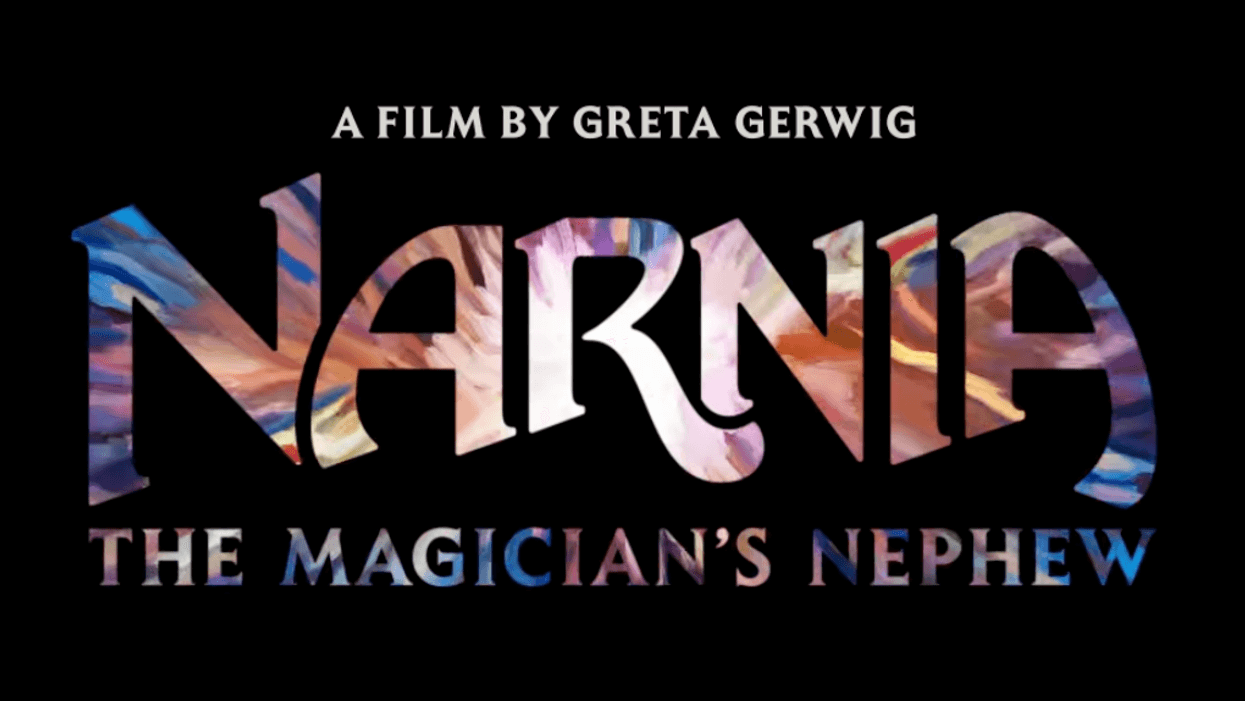
The decision to cast Meryl Streep as Aslan is likely to spark intense debate, but it also elevates the prestige of the project, turning a standard fantasy adaptation into a must-see dramatic event. Furthermore, the decision to focus on The Magician’s Nephew—a prequel that explores the genesis of the Narnian world—allows Gerwig to establish her own rules for the franchise before tackling the more well-trodden ground of The Lion, the Witch, and the Wardrobe.
For the fans who have been waiting since the early 2000s for a consistent Narnia universe, this version offers something fundamentally different: a lens that views the Pevensie-adjacent timeline not as a historical fantasy, but as a living, breathing, and singing mythos.
The risk, of course, lies in the audience’s reception to these stylistic departures. The "disco-armor" Jadis and the rock-infused philosophy of Narnia will undoubtedly be polarizing. However, in an era where fantasy franchises often feel like carbon copies of one another, Gerwig’s commitment to a singular, idiosyncratic vision is a breath of fresh air.
As we look toward the 2027 release date, the industry will be watching closely. If The Magician’s Nephew succeeds, it will likely pave the way for a long-running, multi-film saga that prioritizes thematic resonance over slavish adherence to source material. Greta Gerwig is not just adapting a book; she is curating a cultural moment.
Final Thoughts: Looking Ahead
With production in full swing and the first images igniting the internet, the anticipation for this project is at an all-time high. The combination of Gerwig’s directorial flair, a powerhouse cast, and a bold, imaginative visual language suggests that The Magician’s Nephew will be a landmark release.
Whether you are a lifelong devotee of C.S. Lewis or a newcomer to the wardrobe, the promise of a Narnia that feels as alive as a record collection is a compelling prospect. As the clock ticks toward 2027, one thing is certain: Narnia will never look the same again. We remain committed to following this production as it progresses, bringing you the latest updates on what is shaping up to be one of the most ambitious film projects of the decade.