By Horticultural and Retail Trends Desk
Published: October 2023
Main Facts: The Hidden Green Oasis Inside the Wholesale Giant
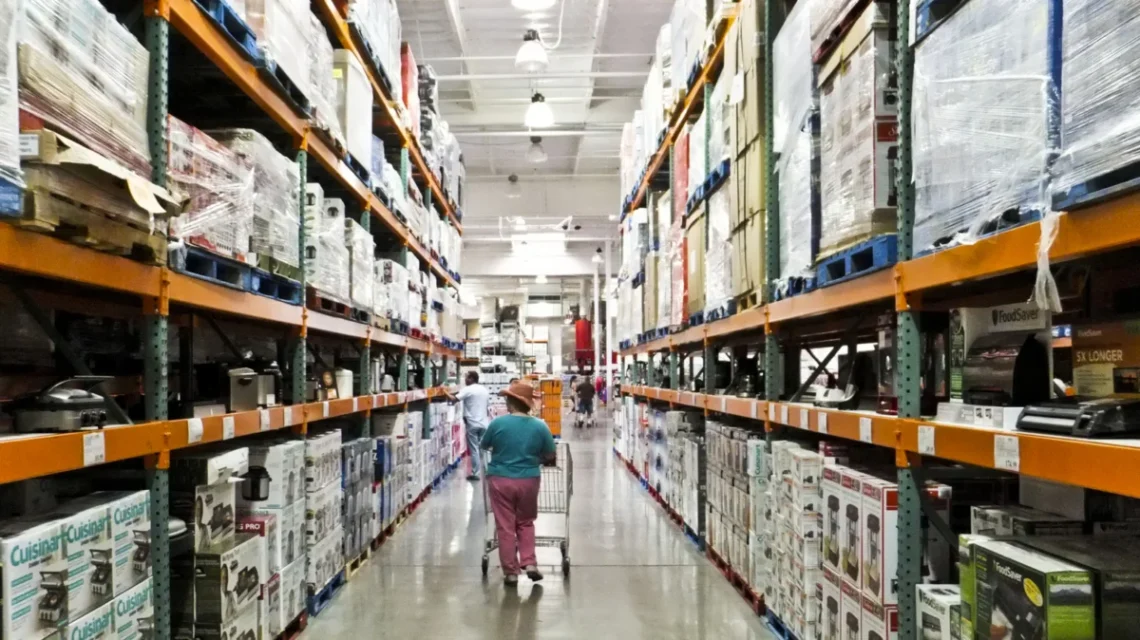
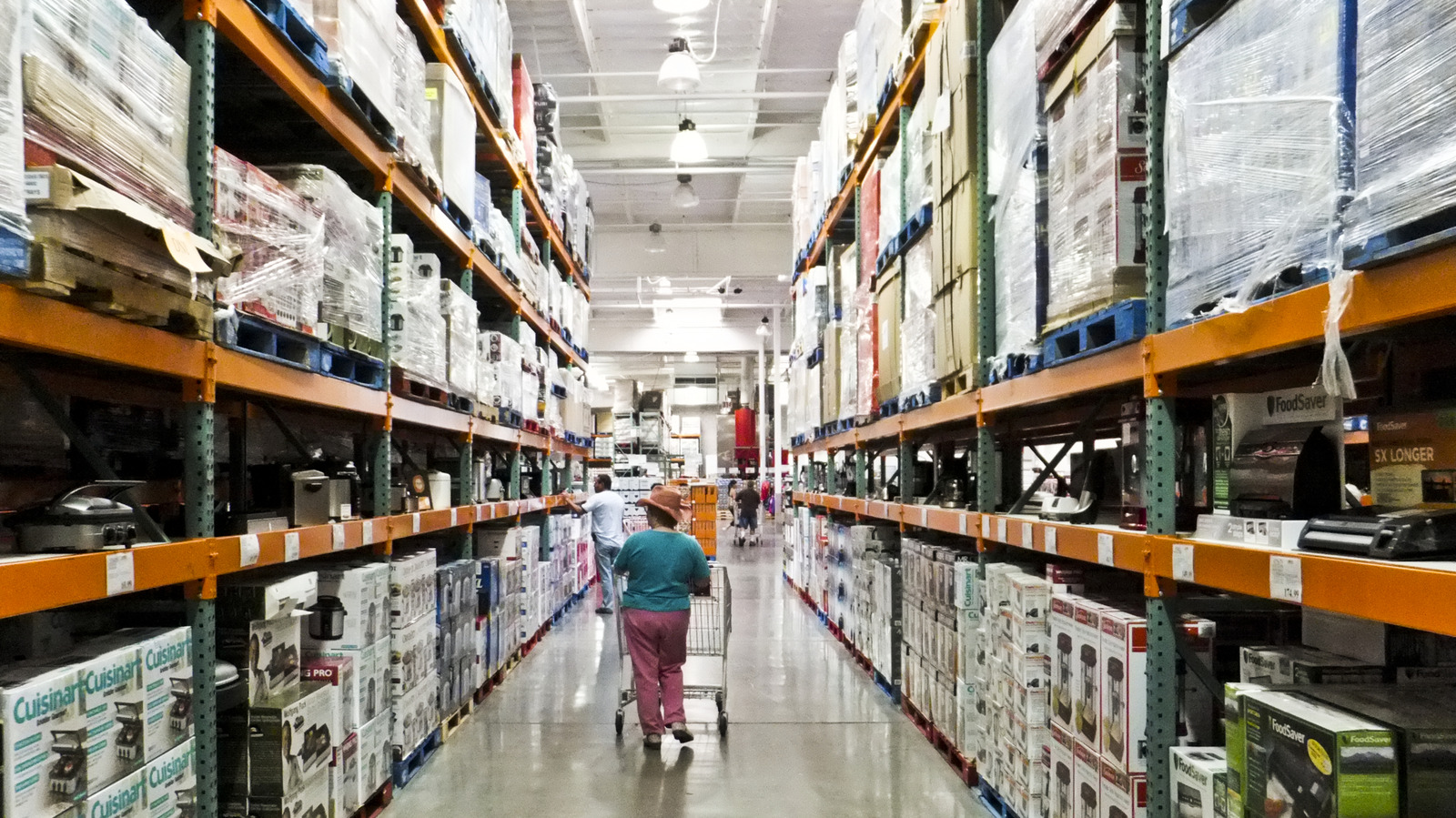
When consumers think of Costco, their minds typically drift toward industrial-sized quantities of paper towels, rotisserie chickens priced at $4.99, and flat-screen televisions stacked high on wooden pallets. The warehouse club famously maintains a tightly curated inventory, typically stocking only about 4,000 distinct stock-keeping units (SKUs) per store—a fraction of the 30,000 to 40,000 items found in a traditional supermarket.
Yet, hidden beneath the towering shelves of bulk groceries and household goods lies a thriving, highly seasonal horticultural operation. Alongside organic compost, self-watering planters, raised garden beds, and advanced hydroponic grow systems, Costco has steadily carved out a reputation as an unexpected destination for aspiring orchardists and home gardeners alike.
According to seasonal inventory logs and enthusiastic consumer reviews, Costco regularly stocks live fruit trees at select warehouse locations during peak planting months, predominantly in the spring. From citrus varieties like Meyer lemons, limes, and mandarins to stone fruits and pomes such as peaches and apples, these potted saplings offer an affordable entry point into home fruit cultivation.
Even more compelling is the retailer’s digital ecosystem. For shoppers who miss the fleeting in-store window—or whose local warehouses do not stock live flora—Costco’s website offers a robust online nursery. Featuring over a dozen varieties of fruit trees and berry bushes shipped directly to customers’ doorsteps, the program bridges the gap between bulk-warehouse efficiency and specialized agricultural retail.
Chronology: The Evolution of Costco’s Garden Center and Tree Sales
Understanding how Costco transitioned from selling basic seasonal plants to offering live fruit trees requires examining the gradual evolution of the warehouse club’s retail strategy.
Phase 1: The Early Days of Seasonal Floral (1980s–1990s)
In the formative decades following Price Club and Costco’s inception, live goods were largely restricted to basic holiday offerings—poinsettias in December, Easter lilies in the spring, and simple potted house plants or hanging baskets. These items were designed for immediate indoor decorative use rather than long-term agricultural cultivation.
Phase 2: The Expansion into Lawn and Garden (2000s)
As the big-box retail landscape shifted, Costco began expanding its seasonal offerings to capture the booming DIY home improvement market. Springtime aisles increasingly featured bags of mulch, fertilizer, bulbs, and perennial shrubs. During this era, bare-root fruit trees occasionally appeared in regional markets, though they were often treated as experimental, short-run inventory items rather than core seasonal staples.
Phase 3: The Modern Hybrid Strategy (2010s–Present)
In recent years, Costco has refined its inventory model by blending aggressive in-store seasonal promotions with an expanded e-commerce platform. Recognizing the surge in home gardening—accelerated significantly by urban farming trends and pandemic-era lifestyle changes—the retailer began scaling up its nursery partnerships. Today, online offerings feature specialized items like patio citrus trees and olive trees, shipped straight from commercial growers to consumers’ homes, while physical warehouses lean into hyper-local, high-turnover spring inventory drops.
Supporting Data: Pricing, Varieties, and Regional Logistics
To evaluate whether purchasing fruit trees from a wholesale giant makes economic and horticultural sense, it is essential to look at the numbers.
Price Point Comparison
Costco’s core value proposition has always been high quality at a fraction of traditional retail margins. When it comes to live goods, this pricing strategy is particularly pronounced:
- In-Store Purchases: Bare-root or potted young fruit trees at Costco frequently retail for around $27 or less. By comparison, identical or comparable saplings at traditional home improvement centers like Home Depot or Lowe’s often command prices that are double or even triple that amount.
- Online Purchases: Trees ordered through Costco’s website generally range from $60 to $100. While more expensive than in-store stock, these online prices often reflect larger specimen sizes, specialized container-grown patio varieties, and the cost of specialized agricultural shipping.
Inventory Breakdown
Costco’s dual-channel approach features a diverse array of flora:
- In-Store Favorites: Typically focuses on regional staples, including apples, peaches, plums, lemons, and limes, sold in pots that require prompt transplanting into native soil.
- Online Selection: Features more than a dozen varieties, including olives, Cara Cara oranges, key limes, mandarins, and distinct cultivars like Meyer lemons, alongside various berry bushes.
Geographic Shipping Restrictions
Because live plants are subject to strict agricultural regulations designed to prevent the spread of pests and plant diseases, Costco’s online nursery cannot ship to every jurisdiction. Delivery exclusions typically apply to:
- States: Alaska, Arizona, Texas, Florida, and Hawaii.
- Territories: Puerto Rico.
Horticultural Insights & Consumer Experiences: Are They Any Good?
Buying a living organism from a retailer known for non-perishable goods and bulk groceries naturally raises questions regarding quality and survivability. Horticultural experts and seasoned gardeners offer a nuanced perspective on what to expect from "big-box" fruit trees.
The Survival Curve
Consumer reports and gardening forum discussions reveal a polarized yet generally optimistic trend: while individual trees can occasionally struggle—a risk inherent to transplanting any young nursery stock—those that successfully adapt to their new environments tend to thrive and yield abundant harvests.
Because Costco sources its inventory from established commercial nurseries, the genetic stock is generally sound. However, the primary variable is the handling of the plants between the grower’s greenhouse and the warehouse floor. Potted trees kept in dimly lit warehouse interiors for too long can experience transplant shock or root stress.
The Importance of USDA Hardiness Zones
A critical factor for any buyer is matching the tree variety to their specific geographic climate. Horticulturalists strongly advise customers to verify their USDA Hardiness Zone before purchasing. A Meyer lemon tree bought on a whim at a midwestern Costco warehouse, for example, will not survive freezing winter conditions unless grown as a container plant and brought indoors.
Companion Planting and Urban Gardening
Many of Costco’s online offerings cater specifically to modern urban and suburban constraints. "Patio fruit trees"—dwarf or semi-dwarf citrus varieties bred to thrive in restricted root environments—allow apartment dwellers and homeowners with small yards to cultivate fresh fruit without dedicating space to an expansive orchard.
Furthermore, gardening enthusiasts frequently pair these acquisitions with complementary strategies, such as planting lavender beneath fruit trees to naturally attract pollinators and deter common garden pests.
Implications: What This Means for Retail, Nurseries, and Home Gardeners
Costco’s successful foray into live fruit trees carries broader implications for the retail sector, the horticultural industry, and the everyday consumer.
Disruption in the Garden Center Industry
Traditional independent nurseries and local garden centers have long relied on specialized knowledge, customer service, and unique plant varieties to compete with large home improvement chains. The entry of wholesale giants like Costco into the live-goods market introduces fierce price competition. While independent nurseries still dominate in rare cultivars, heirloom varieties, and personalized horticultural advice, big-box retailers are capturing a significant share of the casual gardening demographic simply on the basis of convenience and affordability.
Sustainability and Local Food Movements
The growing popularity of big-box fruit trees aligns neatly with broader cultural movements toward sustainability, self-reliance, and urban agriculture. By lowering the financial barrier to entry, Costco enables thousands of households to grow their own produce. Home-harvested fruit reduces reliance on commercial supply chains, minimizes transportation-related carbon footprints, and fosters a deeper consumer appreciation for agricultural cycles.
The Future of E-Commerce in Agriculture
The success of Costco’s direct-to-consumer online plant shipping demonstrates how far logistics have advanced in the agricultural sector. Historically, shipping live trees safely and economically was a logistical nightmare. Today, optimized packaging, expedited freight partnerships, and climate-aware routing allow warehouse clubs to compete directly with specialized mail-order nurseries. As supply chain technologies continue to refine, consumers can likely expect an even wider array of specialized flora to become available through membership-based warehouse models.
Summary and Final Takeaway
Whether discovered on a whim during a routine bulk-grocery run or carefully selected through Costco’s online portal, fruit trees have carved out a legitimate, highly valued niche within the wholesale giant’s seasonal inventory. By offering exceptional price-to-value ratios, a diverse selection of traditional and patio-friendly varieties, and a surprisingly robust delivery network, Costco has quietly empowered a new generation of backyard gardeners to cultivate their own home-grown harvests—proving that even the most conventional warehouse stores still have room to grow.