For millions of people worldwide, watching their hairline recede or their ponytail thin is a deeply distressing experience. Androgenic, or androgenetic, alopecia—commonly known as male and female pattern hair loss—remains one of the most persistent chronic dermatological conditions evaluated by clinicians. Characterized by a gradual, progressive loss of hair predominantly across the central scalp, it has long driven consumers into a multi-billion-dollar market filled with topical foams, laser caps, and pharmaceutical interventions.
Yet, as researchers increasingly look beyond conventional medicine, a fascinating shift is underway. Dermatologists and nutritional scientists are beginning to ask a fundamental question: What role might diet, the gut microbiome, and specific whole-food compounds play in the prevention and treatment of hair loss? Emerging clinical evidence suggests that everyday dietary components—ranging from hot peppers and soy to pumpkin seeds—may hold a powerful, scientifically backed key to restoring hair growth safely and effectively.
Main Facts: The Intersection of Diet, Gut Health, and Alopecia
At the core of nutritional dermatology is the understanding that hair follicles are metabolically active organs requiring a steady supply of nutrients, antioxidants, and anti-inflammatory compounds. However, the scientific plot thickens when looking beyond direct nutrient absorption and into the human gut.
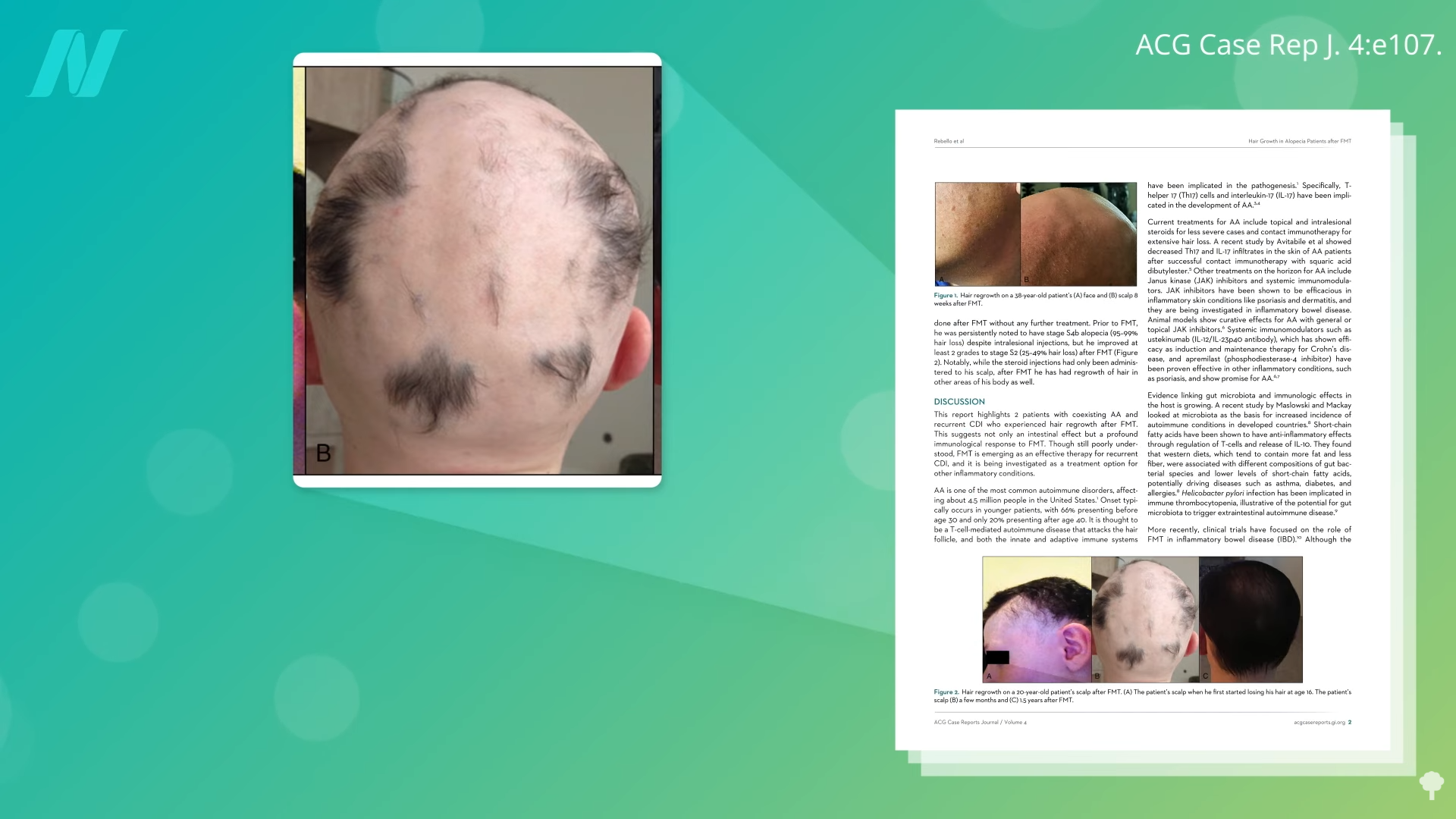
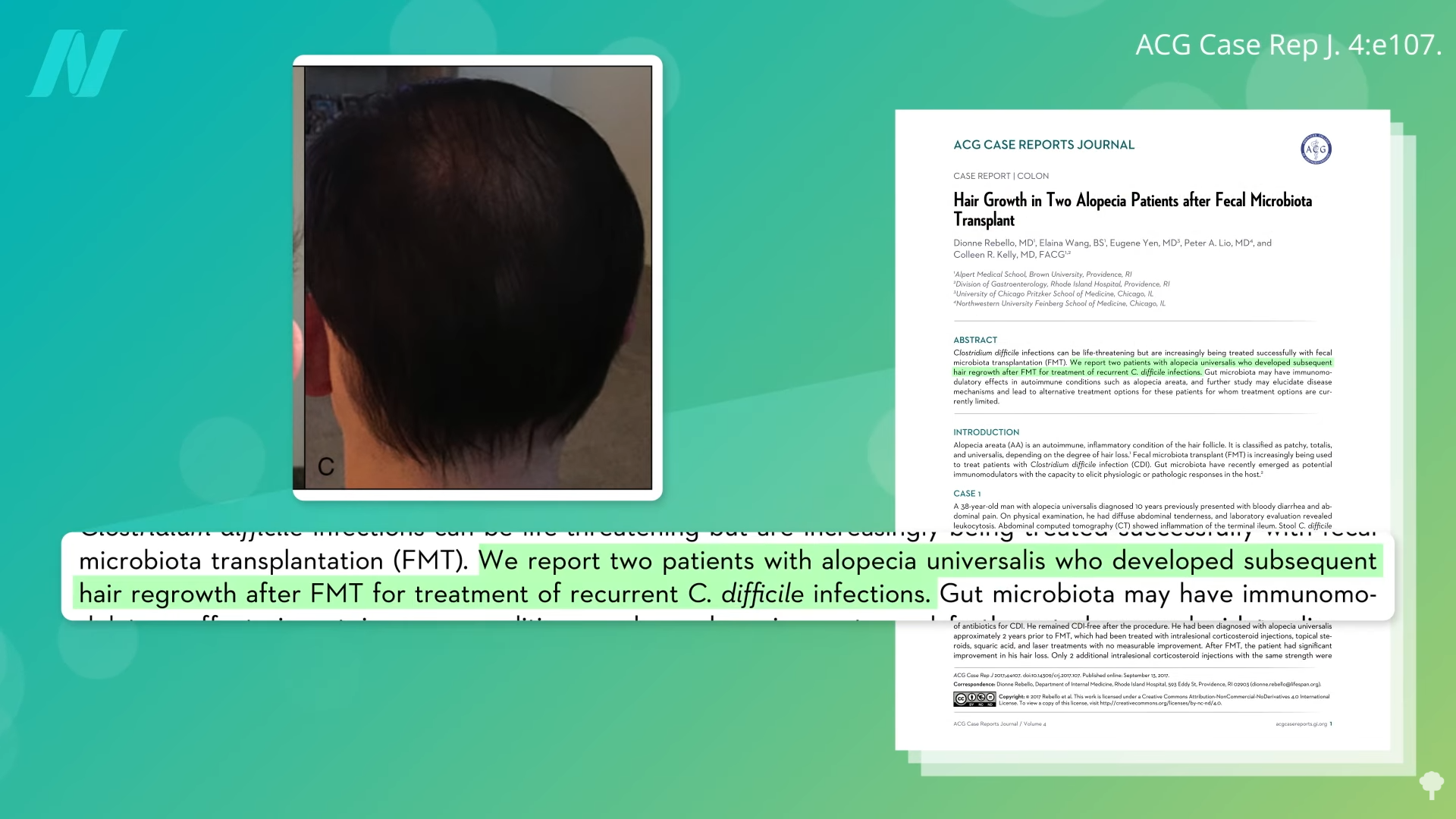
Recent scientific inquiries have highlighted the astonishing power of the gut microbiome through unorthodox avenues, such as human fecal microbiota transplants. In remarkable clinical observations, patients suffering from severe alopecia who received fecal microbiota infusions from healthy donors experienced dramatic hair regrowth. In one documented case, a completely bald individual began regrowing a full head of hair just months after receiving a donor fecal slurry, achieving near-complete hair restoration over the course of a year.
While these dramatic interventions are not intended to become a mainstream lifestyle prescription, they deliver a profound takeaway: maintaining a healthy, balanced microbiome through a fiber-rich, plant-based diet is critical for systemic health, immune modulation, and potentially, hair follicle vitality.
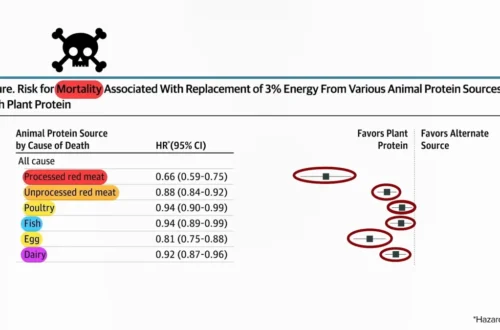
Population-based studies reinforce this dietary connection. Large-scale observational data reveal that male pattern baldness correlates strongly with poor sleep hygiene, sedentary lifestyles, and diets heavy in processed junk foods and meat. Conversely, protective associations have been consistently identified among individuals who regularly consume raw vegetables, fresh herbs, and soy beverages. Specifically, frequent consumption of soy milk has been associated with up to a 62% reduction in the odds of moderate-to-severe hair loss, pointing to the existence of potent protective plant compounds.
Chronology: Tracing the Scientific Evolution of Food-Based Hair Therapies
The journey from folk remedies to rigorous, placebo-controlled clinical trials for dietary hair loss treatments spans several decades, marked by a transition from observational assumptions to targeted biochemical interventions.
- Early Observations (Pre-2000s): For generations, traditional and alternative medicine systems claimed that various herbs, spices, and seeds could "cure" hair loss safely. However, much of this literature lacked rigorous scientific backing, often relying on anecdotal evidence or irrelevant models, such as testing topical treatments on shaved rodents.
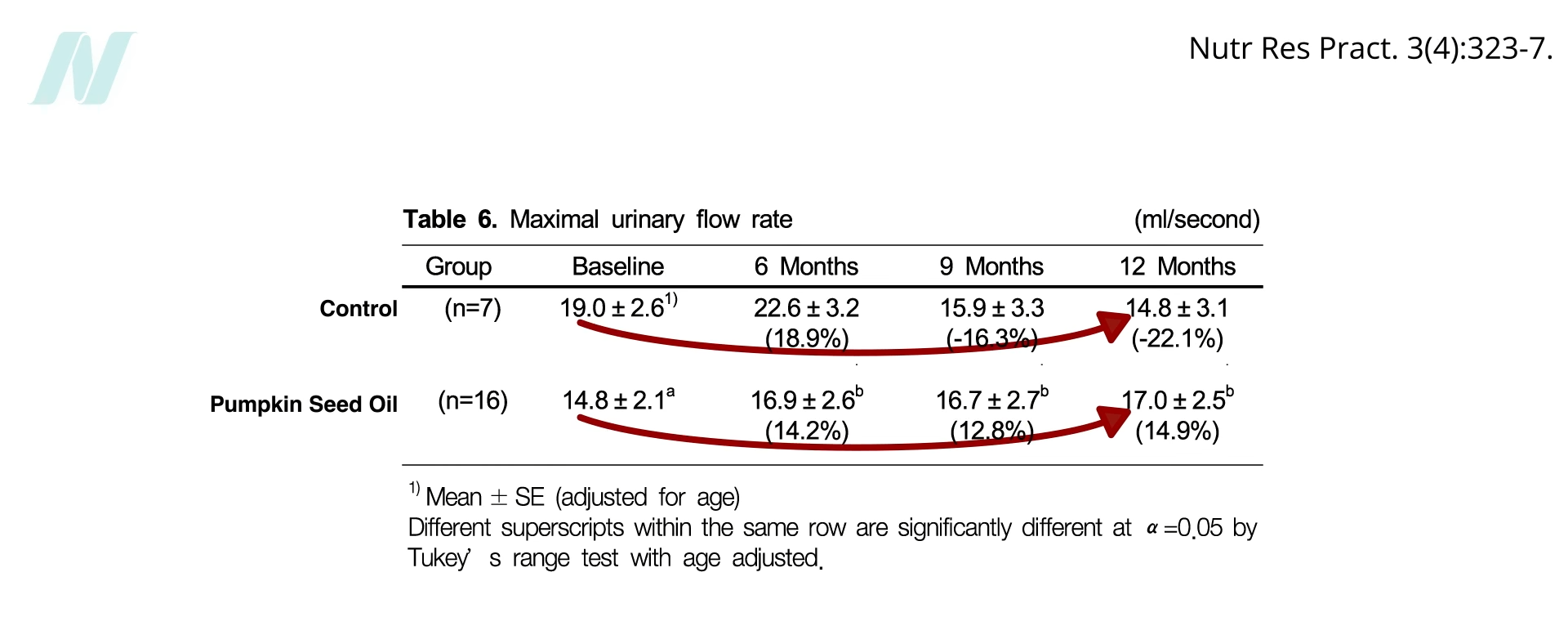
- The Prostate-Hair Connection (2009): A pivotal clinical study emerged out of South Korea, originally designed to evaluate the effects of pumpkin seed oil on benign prostatic hyperplasia (BPH)—commonly known as an enlarged prostate. Researchers observed that men taking a modest daily dose of pumpkin seed oil experienced significant improvements in urinary flow rates, hinting at a strong anti-androgenic (DHT-blocking) mechanism in the human body.
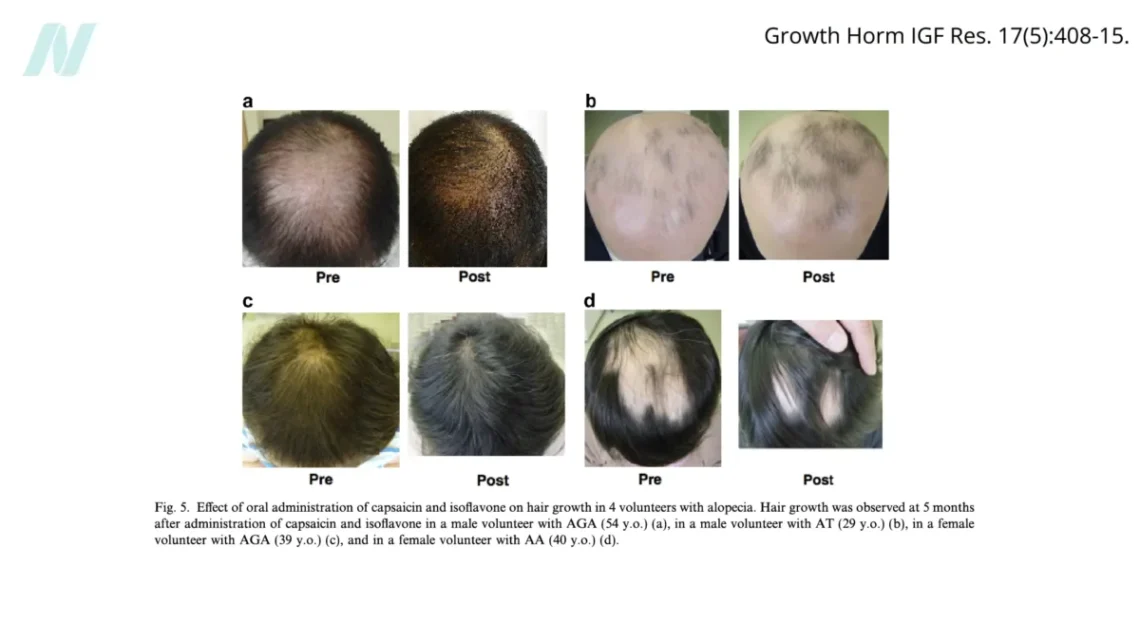
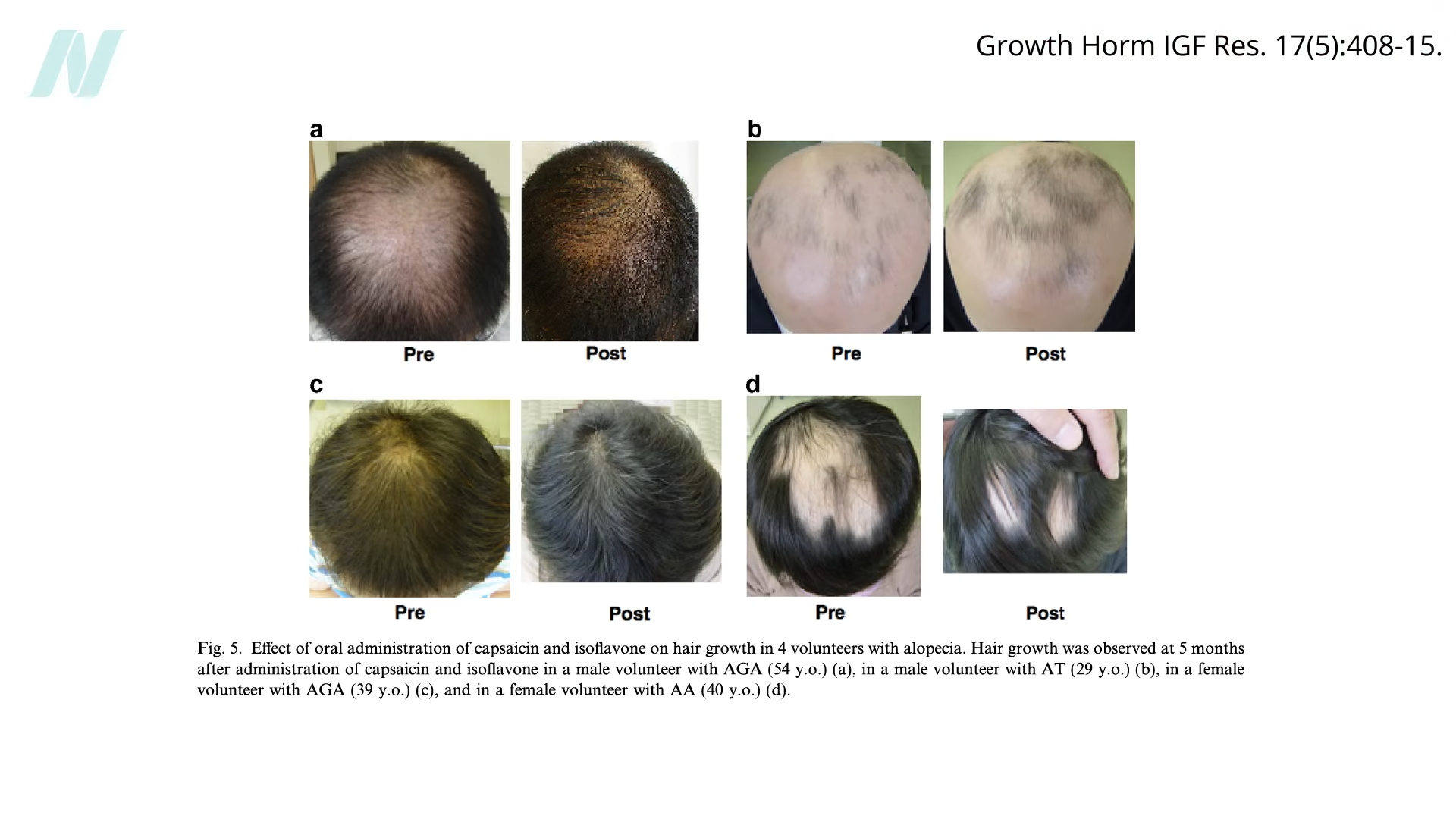
- Targeting Capsaicin and Isoflavones (2007–2010s): Clinical researchers began investigating specific bioactive compounds found in food. A landmark randomized, double-blind, placebo-controlled trial tested the synergistic effects of capsaicin (found in chili peppers) and isoflavones (found in soy) on human hair growth, demonstrating significant clinical improvements in both men and women.
- Pumpkin Seed Oil Put to the Test (2014): Building on the 2009 prostate findings, researchers executed a dedicated, randomized, placebo-controlled trial specifically examining pumpkin seed oil for male pattern baldness. The results confirmed a striking 40% increase in hair counts among participants over 24 weeks, cementing the seed’s status as a viable therapeutic agent.
- Modern Integrative Dermatology (Present Day): Today, dermatological science increasingly embraces a holistic framework, bridging the gap between pharmacology and nutritional science. Experts are actively evaluating how whole-food matrices can complement or even rival conventional pharmaceutical treatments without the accompanying systemic side effects.
Supporting Data: Clinical Trials and Nutritional Doses
To separate marketing hype from verifiable science, researchers rely on randomized, double-blind, placebo-controlled trials—the gold standard of medical research. Two major dietary interventions stand out for their robust data regarding hair growth.
1. Hot Peppers and Soy: Capsaicin and Isoflavones
A clinical study evaluating the combination of capsaicin and isoflavones revealed a significantly higher promotion of hair growth compared to placebo groups. But what do the clinical doses look like translated onto a dinner plate?
- The Clinical Dose: Participants ingested approximately 6 milligrams of capsaicin and 75 milligrams of isoflavones daily.
- Real-World Food Equivalents:
- Capsaicin: 6 milligrams can be obtained from just one-quarter of a fresh jalapeño pepper.
- Isoflavones: 75 milligrams can be sourced by eating roughly three-quarters of a cup of tempeh or whole soybeans.
- Nutritional Caveat: While dry-roasted soy nuts are rich in isoflavones, high-heat processing can create advanced glycation end-products (AGEs) in high-protein, high-fat foods. Nutrition experts suggest favoring minimally processed, steamed, or fermented soy products over heavily roasted varieties.
2. Pumpkin Seed Oil and Male Pattern Baldness
In a landmark 24-week randomized, double-blind, placebo-controlled trial involving 76 men with androgenetic alopecia, participants were given either 400 milligrams of pumpkin seed oil daily or a placebo.
- The Results: Self-rated satisfaction and improvement scores were substantially higher in the treatment group. Objectively, participants taking pumpkin seed oil achieved a 40% increase in hair counts, compared to just a 10% increase in the placebo group.
- Blinded Evaluation: Independent investigators reviewing the clinical photographs rated more than 90% of the placebo group as unchanged or worsening, while 95% of the pumpkin seed oil group were classified as showing stabilization or visible improvement.
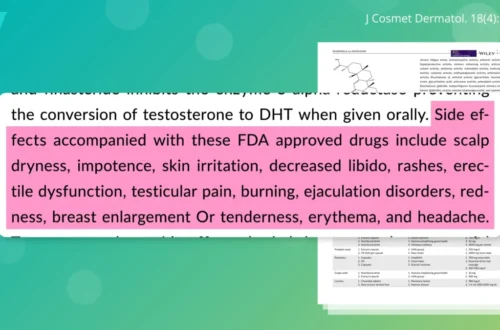
- Safety Profile: Crucially, researchers tracked indices of sexual function before and after the study and found no evidence of adverse sexual side effects—a stark contrast to certain conventional pharmaceutical hair loss drugs.
- Real-World Food Equivalent: A 400-milligram daily dose of oil is roughly equivalent to the oil content found in just two to two-and-a-half pumpkin seeds.
Official Responses and Perspectives from the Medical Community
The medical and dermatological communities have historically been skeptical of dietary claims regarding hair restoration, often pointing to a lack of large-scale human clinical data and an over-reliance on animal models or poorly controlled studies.
However, as more rigorous, double-blind trials emerge, clinical perspectives are evolving. Integrative dermatologists and lifestyle medicine practitioners increasingly acknowledge that chronic inflammation, hormonal imbalances, and poor microcirculation contribute heavily to follicular miniaturization.
"While no single food is a magic bullet that will instantly reverse advanced baldness, the data supporting specific bioactive plant compounds is far too robust to ignore," notes nutritional science literature. Mainstream medical bodies continue to emphasize that while prescription treatments like minoxidil or finasteride remain primary options for certain patients, addressing foundational pillars—such as reducing systemic inflammation, improving gut microbiome diversity, and incorporating targeted anti-androgenic whole foods like pumpkin seeds, soy, and capsaicin—offers a safe, evidence-based adjunct therapy with virtually no downside.
Implications: What This Means for Consumers and Future Therapies
The validation of food-based therapeutics for hair loss carries sweeping implications for both personal health routines and the broader wellness industry.
For the everyday consumer struggling with thinning hair, the message is empowering. Rather than relying exclusively on expensive, specialized supplements or enduring the potential systemic side effects of pharmaceutical drugs, individuals can leverage accessible, inexpensive kitchen staples. Incorporating a quarter of a jalapeño pepper, a serving of traditional tempeh, or a small handful of raw pumpkin seeds into a balanced, plant-rich diet provides a multi-pronged approach to supporting scalp health.
Furthermore, these findings underscore the broader shift toward "food-as-medicine" paradigms within dermatology. As researchers continue to untangle the complex mechanisms linking the gut microbiome, hormonal pathways, and cellular nutrition, the future of hair loss treatment will likely look less like a synthetic chemical synthesis and more like a targeted, nutrient-dense dietary prescription. By keeping our gut microbes thriving and harnessing the protective phytochemicals hidden in everyday plant foods, keeping our hair may be as simple as changing what’s on our plates.