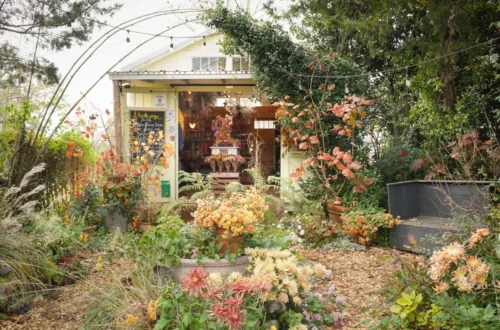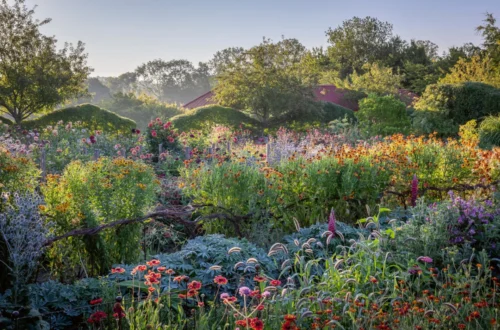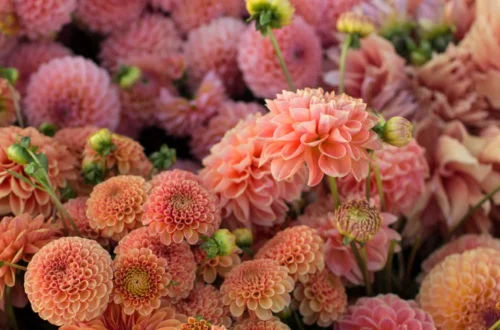
MOUNT VERNON, WASH. — To the casual observer, the arrival of spring is heralded by a familiar flash of bright, uniform yellow. For decades, the ubiquitous, trumpet-shaped daffodil has served as the default floral symbol of winter’s end—cheery, resilient, and often taken for granted. But inside the sprawling fields of premier flower farms and specialized botanical collections, a quiet renaissance is underway.
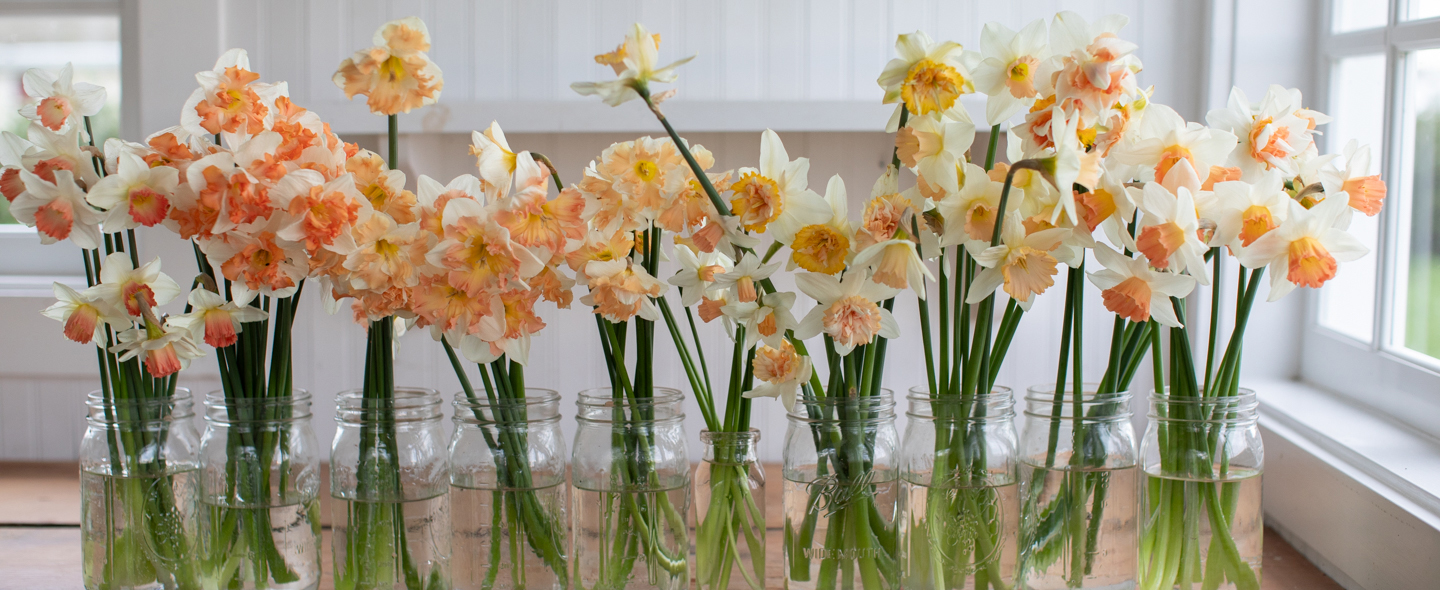
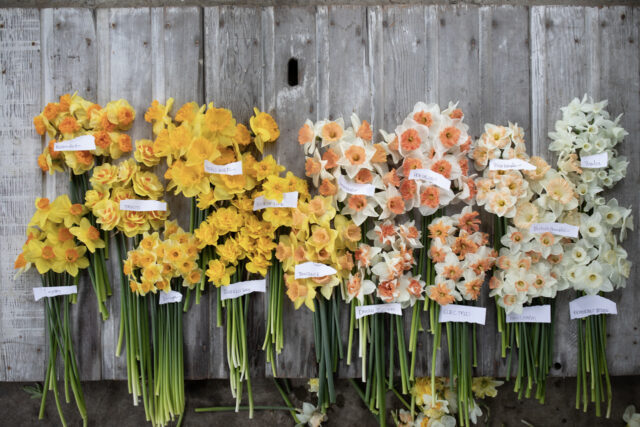
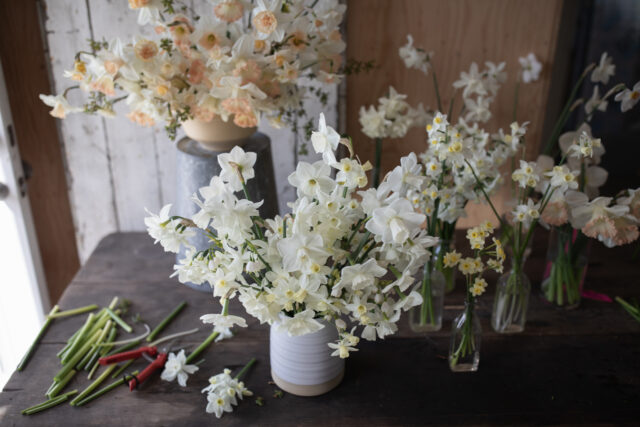
Far from the monolithic plastic-looking blooms of commercial landscaping, a diverse, highly coveted universe of narcissus cultivars is capturing the attention of horticulturists, floral designers, and home gardeners alike. Featuring ruffled petals, iridescent washes, strawberry-tinted throats, and intricate bell-like clusters, modern daffodil collections are redefining what these hardy perennials can achieve in both agricultural landscapes and high-end floral design.
Main Facts: The Resurgence of a Spring Staple
At the forefront of this botanical shift are resilient growing characteristics combined with unprecedented aesthetic diversity. Botanically belonging to the genus Narcissus, daffodils are among the earliest and most reliable heralds of spring. Highly cold-hardy across the majority of planting zones, these bulbs possess exceptional attributes that make them invaluable to modern land management and flower farming:
- Perennial Power: Bulbs naturally multiply and perennialize year over year, offering high long-term return on investment for growers.
- Weather and Pest Resistance: They stand resilient against harsh, wet, and freezing spring conditions, while their natural toxicity safely deters deer and other foraging wildlife.
- Vase Performance: They function as exceptionally long-lasting cut flowers, provided they undergo proper post-harvest conditioning.
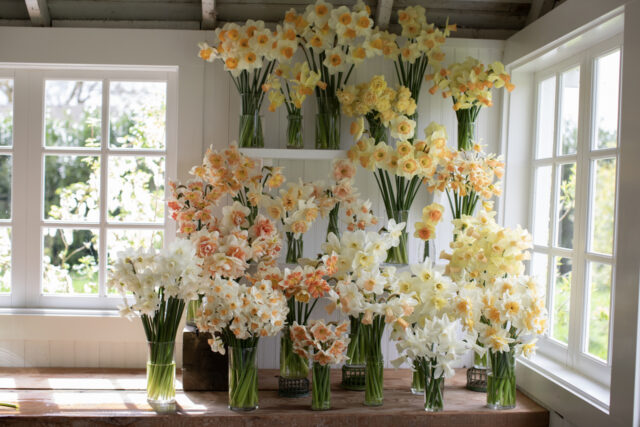
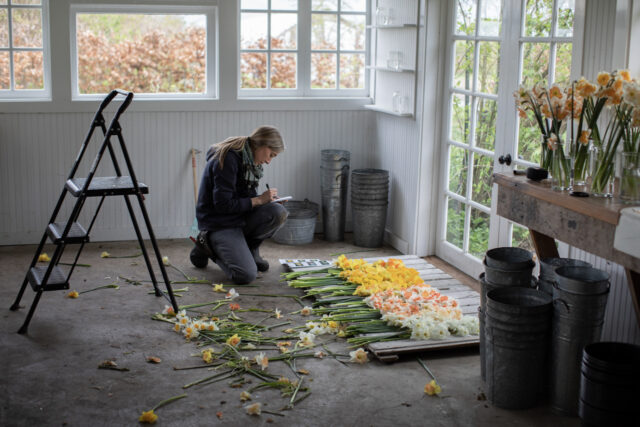
Despite these agricultural strengths, public perception of the flower remained narrow for generations. The turning point for many contemporary growers arrived through cross-continental agricultural exchanges, notably with multi-generational bulb farmers in the Netherlands who preserved rare and unusual historic cultivars. Today, premier operations—such as the Floret Flower farm in Washington State—curate collections exceeding 240 distinct varieties, pushing the boundaries of shape, color, and scale.
Chronology: From Rigid Rows to Naturalized Orchards
The evolution of daffodil cultivation tracks a distinct trajectory from industrialized monoculture to artistic, ecological integration.
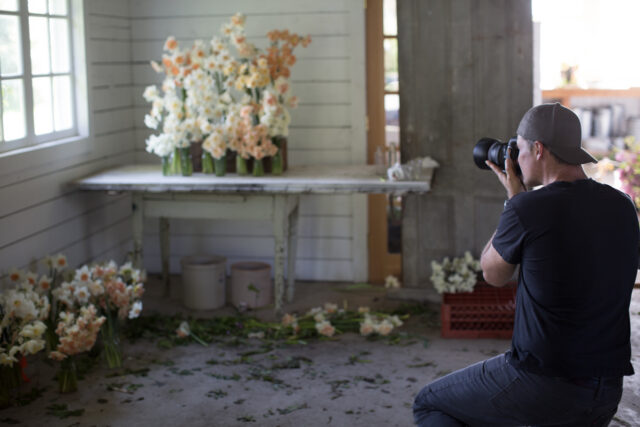
The Early Era: The Cutting Garden Standard
In the nascent stages of commercial cut-flower production, efficiency and uniformity dictated agricultural choices. Growers prioritized varieties with strictly utilitarian metrics: exceptionally long stems, stiff postures, and oversized flower heads capable of commanding attention in wholesale bouquets. Anything failing to meet these strict architectural parameters was discarded.
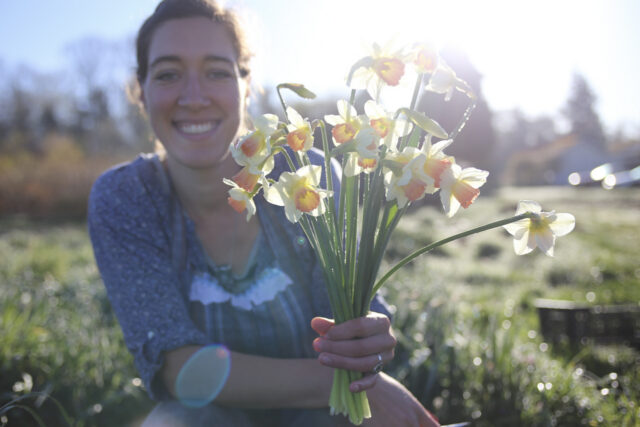
The Encounter with Dutch Heritage
A major philosophical shift occurred when contemporary American flower farmers connected with seventh-generation Dutch bulb specialists. Visiting traditional European fields exposed growers to decades of hidden breeding work, introducing them to cultivars with miniature forms, unusual color palettes, and delicate fragrance profiles. This encounter catalyzed an ongoing collection effort, transforming standard operations into living archives of rare narcissus genetics.
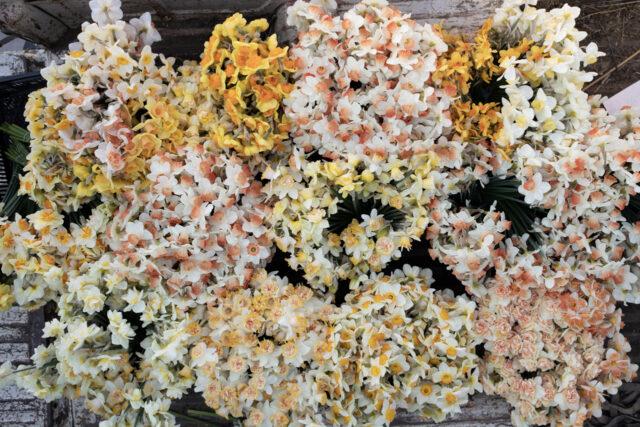
The Orchard Migration and Naturalization
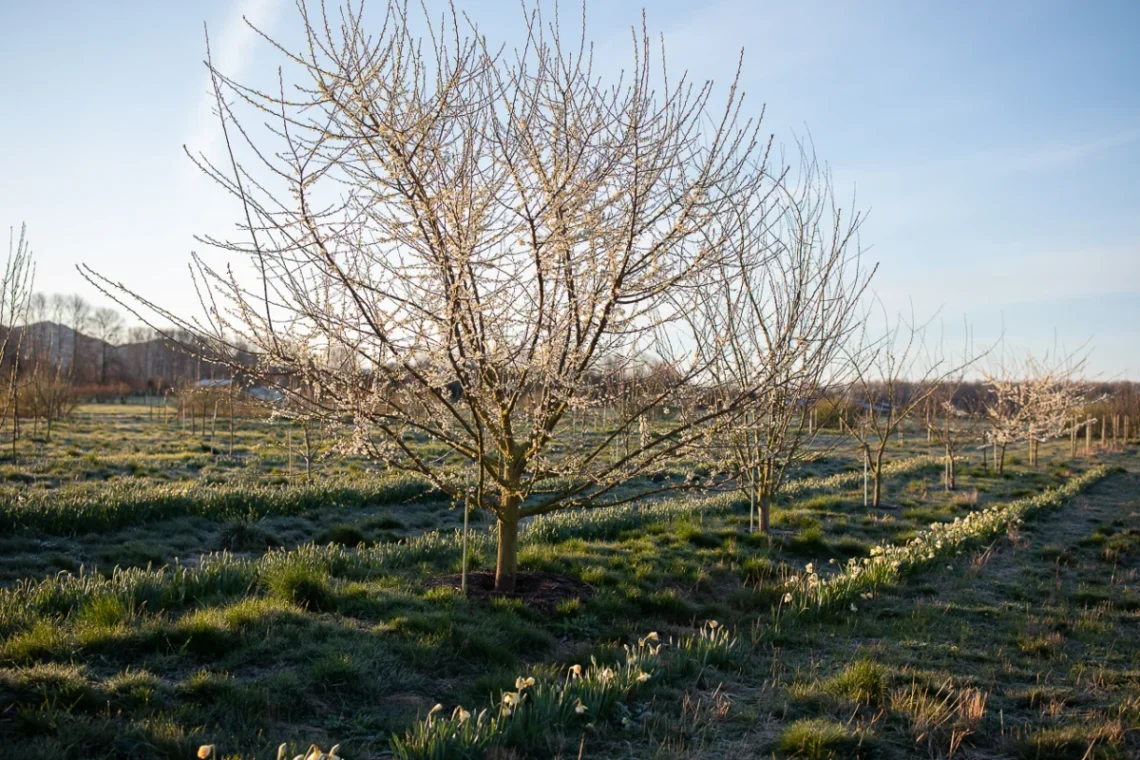
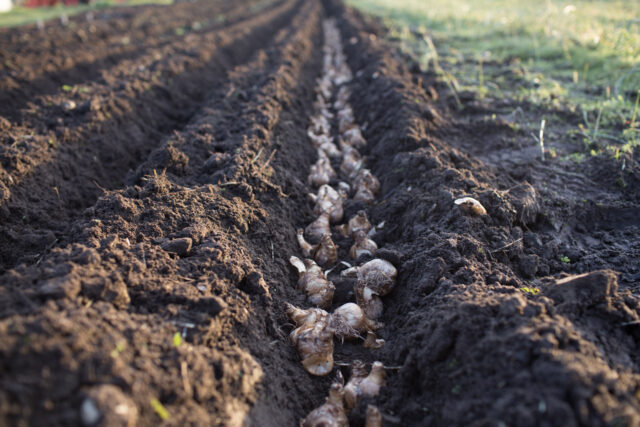
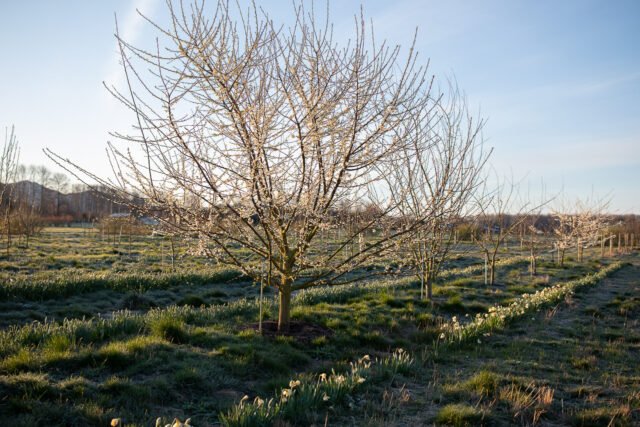
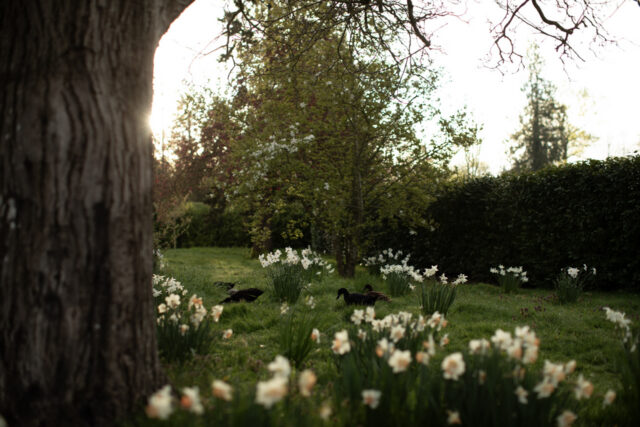
As collections expanded past tens of thousands of individual bulbs, traditional agricultural beds quickly ran out of space. Innovators began migrating bulbs out of intensive cutting rows and into permacultural settings—most notably planting them at the base of established apple orchards.
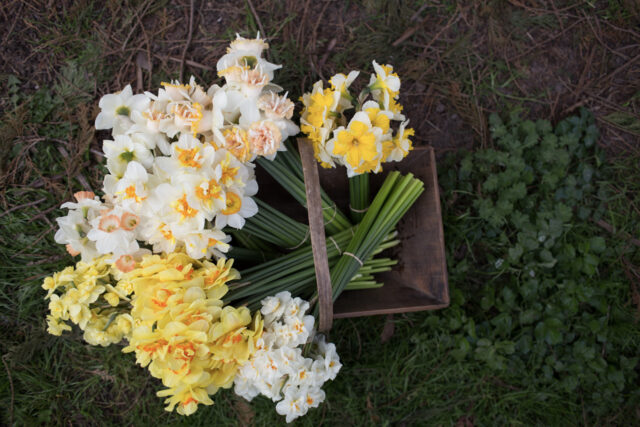
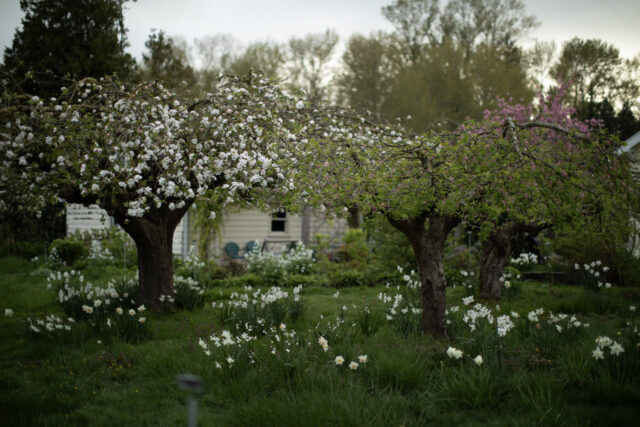
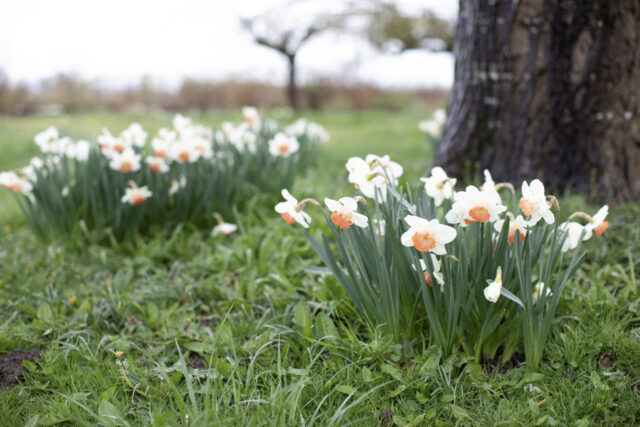
Concurrently, growers adopted the landscaping technique of "naturalizing," heavily inspired by renowned gardener and author Tasha Tudor. Rather than enforcing rigid geometric planting, bulbs are tossed and planted in sweeping, organic drifts across grassy meadows. This approach mimics wild landscapes, allowing the flowers to spread organically without visible human intervention and creating a breathtaking double-bloom spectacle when apple trees and narcissus flower simultaneously in early spring.
Supporting Data: Cultivar Diversity and Floral Mechanics
Modern daffodil collections demonstrate an astonishing range of botanical variation that challenges traditional assumptions about the plant.
Morphological Spectrum
- Scale: Heights range from miniature alpine specimens standing only a few inches tall to robust varieties with stems as long as an adult’s arm.
- Inflorescence: While some cultivars produce a single, gigantic, solitary blossom on a rigid stem, others feature delicate clusters of more than a dozen star-like bells dangling gracefully.
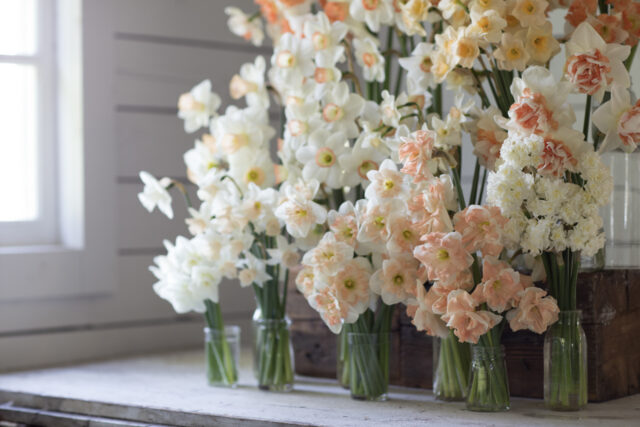
- Color and Texture: Palettes have expanded far beyond primary yellow to include soft peach, ivory, blush outer petals, deep orange-red cups, and shaggy, multi-layered double blooms. Some modern cultivars even sport an iridescent, glittery wash.
The Science of Harvest and Conditioning
While highly durable, managing daffodils requires strict adherence to post-harvest protocols due to their unique physiological defenses:
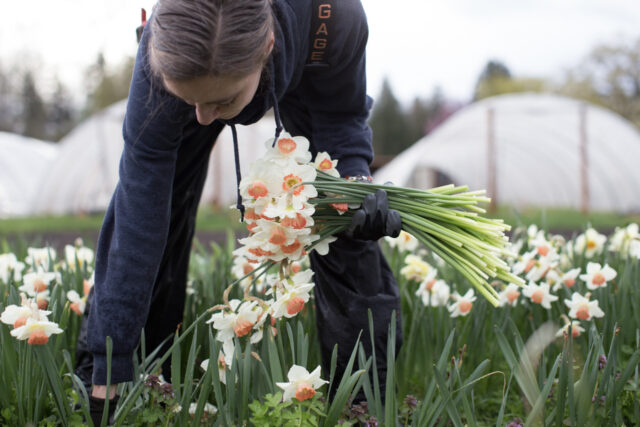
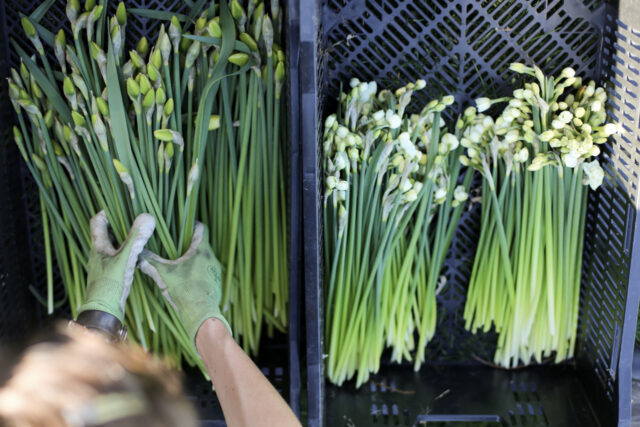
- Optimal Harvest Timing: Blooms should be harvested before they fully open, specifically at the "gooseneck stage" when the developing buds are still nodding downward. Flowers picked at this stage achieve a vase life approaching one week.
- The Toxicity Factor: Freshly cut stems secrete a slimy, viscous sap containing alkaloid crystals that are toxic to other floral varieties. Direct, unconditioned mixing of fresh daffodils with other flowers significantly curtails the lifespan of the broader arrangement.
- The Callusing Process: To neutralize the sap, fresh stems must be placed in cool water on their own for two to three hours. During this period, the stem ends callus over, halting the flow of sap. Once callused, they can be safely integrated into mixed floral arrangements—provided the stems are never recut, which would re-initiate sap leakage. Single-variety daffodil displays require no special conditioning.
Official Recommendations: Sourcing and Supply Chain Insights
For home gardeners and professional growers looking to expand their perennial palettes, navigating the bulb market requires strategic timing.
Specialty breeders and wholesale distributors typically release their inventory and availability updates concurrently with the spring blooming season. Industry experts strongly recommend early ordering—often months in advance—to secure rare, heirloom, or highly coveted specialty cultivars before limited stock depletes.
Gardeners are encouraged to research reputable wholesale and specialty bulb suppliers, prioritizing sources that champion heritage breeding lines and disease-free stock to ensure long-term naturalization success.
Implications: A Sustainable Shift in Ornamental Horticulture
The growing appreciation for diverse narcissus varieties carries significant implications for sustainable horticulture, landscape design, and the local flower movement.
Ecological and Economic Benefits
By moving away from high-input annuals toward perennial bulbs like modern daffodils, growers reduce the agricultural footprint associated with annual soil tilling, chemical fertilizers, and heavy watering. Because established narcissus bulbs naturalize and multiply autonomously, they offer a low-maintenance, climate-resilient perennial solution for public parks, private estates, and regenerative agricultural landscapes.
Transforming Floral Design
In the professional floral design sector, the availability of nuanced, fragrant, and texturally complex daffodils allows designers to break away from sterile, mass-market aesthetics. By embracing the full spectrum of narcissus shapes—from ruffled doubles to delicate species types—designers can craft sophisticated, seasonally authentic arrangements that honor the complex beauty of early spring.
Ultimately, the revival of the daffodil proves that even the most familiar garden staples hold undiscovered depths, inviting a new generation of growers to look closer at the resilient treasures blooming at their feet.