By Food & Culinary Correspondent
When asked how long it takes to perfect a recipe, professional bakers and home cooks alike often offer vague estimates: a weekend, a month, maybe a season if the ingredient is particularly temperamental. But for one dedicated recipe developer, the true answer is far more humbling: As long as it takes.
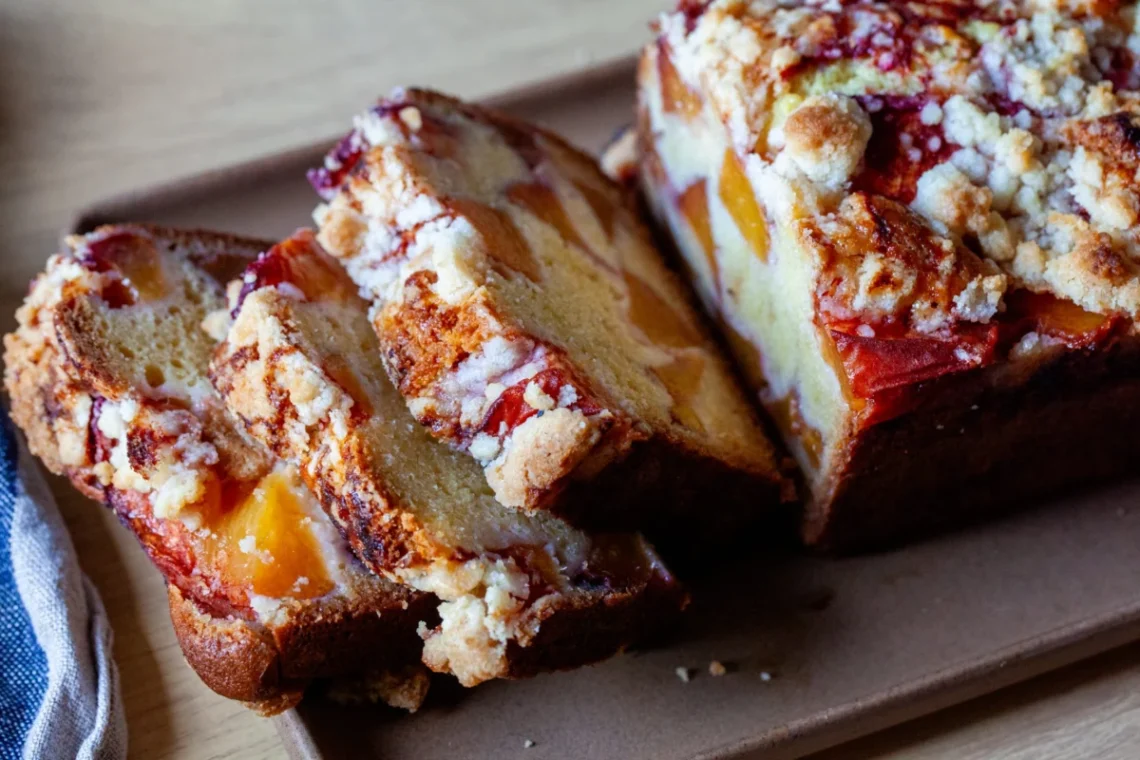
After six consecutive summers of trial, error, and dozens of surrendered peaches, the elusive quest for the ultimate Peach Cobbler Loaf has finally reached its delicious conclusion. Just as the final weeks of stone fruit season wind down, the definitive recipe is here—proving that uncompromising culinary persistence can yield extraordinary results.

Main Facts: The Anatomy of a Six-Year Culinary Quest
For six years, the pursuit of a singular, perfect baked good became an annual summer ritual defined by meticulous note-taking and repeated frustration. The core ambition was simple yet technically demanding: to capture the rich, buttery, spiced comfort of a traditional Southern peach cobbler and marry it with the structure, portability, and elegance of a classic bakery-style loaf cake.
The project tested the limits of standard baking science. Early iterations suffered from structural and flavor flaws that plagued every batch:
- The Blandness Trap: Diced peaches, while convenient, consistently released too much moisture while failing to impart meaningful flavor into the surrounding crumb.
- The Vanishing Fruit: Thinly sliced peaches practically disappeared into the batter during the baking process, leaving behind pockets of empty space rather than distinct ribbons of fruit.
- Spice Overload: Incorporating spices directly into the batter muddy-fied the aesthetic, turning the crumb a drab beige without amplifying the aromatic profile of the fresh fruit.
The breakthrough finally arrived through a combination of strategic layering, targeted acid balancing via fresh lemon juice and zest, and a dual-textured approach utilizing a buttery streusel topping. The resulting loaf requires a specific 6-cup pan (measuring 8×4 inches at the bottom and 9×5 inches at the top) and demands patience, baking for up to 70 minutes on a rimmed sheet pan to catch the inevitable bubbling peach juices.

Chronology: A Timeline of Triumphs and Failures
To understand the magnitude of this recipe’s completion, one must trace the timeline of its evolution across nearly half a decade of experimental baking.
Summer 1–2: The Foundation Years
The initial phase was marked by enthusiasm and immediate disappointment. The first summer focused on adapting a standard pound cake formula, embedding fresh peach chunks directly into the batter. The result was a heavy, waterlogged cake where the fruit sank directly to the bottom. The second summer experimented with reduced purees, which only served to make the crumb gummy.
Summer 3–4: The Structural Breakthroughs
By the third and fourth years, the developer realized that whole chunks needed strategic placement rather than random mixing. Thinly slicing the peaches was tested in year four, but high oven temperatures caused the fruit to disintegrate entirely. Notes from this era read simply: "This wasn’t it." Experiments with cardamom and nutmeg in the batter also proved disastrous, overwhelming the delicate, floral notes of the peak-season fruit.

Summer 5: The Acid and Sugar Balance
The penultimate year brought minor victories. By introducing fresh lemon juice and zest to marinate the peach wedges, the fruit retained its bright, vibrant flavor profile. Furthermore, separating the components—creating distinct layers of batter, marinated peaches, and a crunchy brown sugar streusel—began to mimic the texture contrast of a true cobbler.
Summer 6: Perfection and Publication
The final summer was dedicated to fine-tuning pan dimensions, baking times, and post-bake storage. Establishing that the loaf actually improves on its second and third days solved the storage dilemma, leading to the final publication of the recipe just as the calendar turns away from peak peach availability.
Supporting Data: The Recipe and Technical Specifications
For bakers willing to take on the challenge, precision is paramount. The following breakdown outlines the exact specifications required to replicate the six-year project.

Pan Specifications and Equipment
- Pan Capacity: 6 liquid cups (1420 ml).
- Dimensions: 8 x 4 inches at the base; 9 x 5 inches at the top.
- Safety Measure: Due to the high moisture content of fresh summer peaches, the batter fills the pan to its absolute limit. A rimmed baking sheet placed underneath the loaf pan is mandatory to catch bubbling juices.
Ingredient Architecture
For the Peach Layer:
- Fresh peach wedges (peeled or unpeeled, depending on preference).
- Juice of half a lemon.
- Ground cinnamon.
- 1 tablespoon brown sugar.
For the Cake Batter:
- Lemon zest (finely grated from the juiced lemon).
- 6 tablespoons unsalted butter, melted.
- ⅓ cup granulated sugar.
- ⅓ cup brown sugar (plus the 1 tablespoon used for the peaches).
- Yogurt or sour cream (for moisture and tender crumb).
- Eggs.
- Baking powder, baking soda, and salt.
- 1⅓ cups all-purpose flour.
For the Streusel Topping:

- 2 tablespoons unsalted butter, melted.
- 2 tablespoons granulated sugar.
- A pinch of salt.
- ¼ cup all-purpose flour.
Step-by-Step Execution Protocol
- Prep: Preheat the oven to 375°F (190°C). Line the specialized loaf pan with parchment paper, extending it up two sides for easy removal, and grease exposed surfaces. Place the pan on a foil-lined sheet pan.
- Macerate: Toss the peach wedges with lemon juice, cinnamon, and 1 tablespoon of brown sugar. Set aside.
- Mix Wet Ingredients: Combine the grated lemon zest, melted butter, granulated sugar, and remaining brown sugar in a large bowl. Whisk in the yogurt or sour cream, followed by the eggs.
- Incorporate Dry Ingredients: Sprinkle baking powder, baking soda, and salt directly over the wet mixture and whisk thoroughly. Fold in the flour until just incorporated.
- Construct the Loaf: Pour half of the batter into the pan. Arrange half of the macerated peaches in an even layer. Spoon the remaining batter over the fruit, top with the second half of the peaches, and pour over any accumulated juices from the bowl. Cover generously with the streusel topping.
- Bake: Bake for 60 to 70 minutes. Test with a skewer inserted into the center and beneath the top peach layer to ensure no raw batter remains. Cool completely on a wire rack before lifting out via the parchment paper.
Official Responses: The Baking Community Weighs In
The release of the Peach Cobbler Loaf has sparked widespread conversation across online culinary forums and social media platforms, drawing praise from professional pastry chefs and home bakers alike.
"There is a dangerous tendency in modern food media to rush recipes out the door to match hyper-specific seasonal micro-trends," noted culinary historian and food writer Marcus Vance. "When someone spends six years on a single loaf of cake, they aren’t just developing a formula; they are resisting the culture of instant gratification. That level of dedication is increasingly rare."
Early testers of the final version have highlighted the unique storage capabilities of the cake. Unlike delicate pastries that must be consumed immediately, the Peach Cobbler Loaf benefits significantly from resting. Storing it unwrapped at room temperature—tucked away in a microwave or bread box to protect the delicate crunch of the streusel—allows the moisture from the peaches to fully permeate the crumb without sacrificing textural integrity on day two and three.

Implications: The Value of Slow Culinary Development
In an era dominated by algorithmic recipe generation, 15-minute meal kits, and viral TikTok trends that prioritize visual shock value over foundational flavor, the six-year evolution of the Peach Cobbler Loaf serves as a potent reminder of the value of slow craftsmanship.
The project highlights several broader truths about the modern kitchen:
- Failure as Data: Each failed summer—whether due to bland diced fruit or vanished slices—was not a waste of ingredients, but a necessary data point in mapping the chemical and physical limits of baking with high-moisture stone fruit.
- Seasonal Respect: By refusing to compromise on the quality of the peaches, the developer underscores the importance of working in harmony with agricultural calendars, even if it means waiting another 365 days to test a minor adjustment.
- The Psychology of Perfectionism: While the author admits a desire to possess "the slightest amount of chill" when facing culinary roadblocks, it is precisely this uncompromising refusal to settle for "close enough" that elevates home baking into an art form.
As summer draws to a close and the final batches of fresh peaches make their exit from farmers market stalls, the Peach Cobbler Loaf stands as a monument to stubborn persistence. It proves that while time cannot be rushed, a truly great recipe is, without a doubt, worth every single year of the wait.