Despite a persistent barrage of headwinds—ranging from erratic climate shifts and complex supply chain logistics to evolving consumer preferences and geopolitical instability—the global wine industry is not merely surviving; it is undergoing a profound metamorphosis.
The traditional giants of the wine world are proving remarkably agile, recalibrating centuries-old traditions to meet the demands of a modern, eco-conscious, and value-driven consumer base. Simultaneously, regions once dismissed as "emerging" or peripheral are transitioning from curiosity to critical components of the global cellar. Whether through the lens of high-altitude viticulture in South America or the surprising, dry-climate still wines of England, the map of essential wine regions is being redrawn in real-time.
Here are seven regions that are currently reshaping the industry, worthy of both your investment and your next travel itinerary.

1. Picpoul de Pinet: The Mediterranean’s Zesty Vanguard
The Languedoc region of Southern France has long been the industry’s "value powerhouse," but its sub-appellation, Picpoul de Pinet, is currently enjoying a well-deserved spotlight.
Main Facts and Evolution
Historically, Picpoul de Pinet was subsumed under the broader Coteaux de Languedoc banner. It wasn’t until 2013 that the region achieved its own AOC status, a move that allowed it to market itself under the more consumer-friendly "Picpoul" label rather than its cryptic grape name, Piquepoul Blanc.
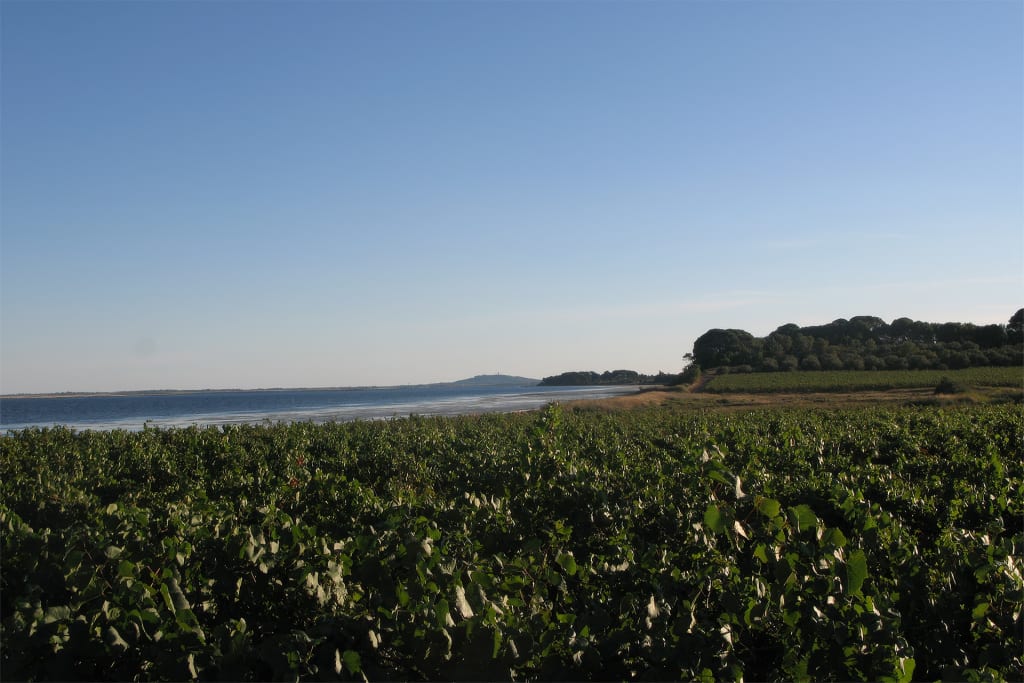
Alexandre Freguin, a renowned French sommelier and regional ambassador, notes that the region’s marketing slogan, “son terroir c’est la mer” (its terroir is the sea), is not mere hyperbole. The vines grow within arm’s reach of the Mediterranean, infusing the wine with a briny, crisp salinity that has become a staple of modern summer dining.
Strategic Modernization
The region is balancing tradition with future-proofing. Producers have mandated a 20% reduction in bottle weight to combat carbon footprints, while maintaining the signature "Neptune" embossed seal. Furthermore, the introduction of the "Patience" label—signifying wines that have undergone extended lees aging—demonstrates a commitment to complexity. These wines are shifting the perception of Picpoul from a simple "quaffer" to a structured, age-worthy gastronomic wine.
2. Bolivia: High-Altitude Innovation
While Argentina and Chile have long dominated the South American narrative, Bolivia is carving out a niche as the continent’s most exciting frontier for high-elevation viticulture.
Supporting Data and Context
Bolivian wine production is largely consumed domestically, meaning the small portion that reaches international markets—primarily via importers like Llama Wines—is of exceptional, high-end quality. Ed Lara, co-owner of Llama Wines, emphasizes that the country is currently benefiting from a "spillover" effect of global interest, particularly after the high-profile promotion of Bolivian grape spirit, singani, by filmmaker Steven Soderbergh.

Unique Terroir
Bolivia offers two distinct, world-class vineyard experiences:
- The Cinti Valley: Known for its "arbolita" (forest) vineyards, where vines climb native pink peppercorn trees.
- Tarija: Located at some of the highest elevations in the Americas, these vineyards produce wines with remarkable intensity and freshness.
3. Essex, England: Beyond Sparkling
The United Kingdom has spent decades establishing itself as a premier producer of sparkling wine. However, the county of Essex is now proving that England has the potential to become a serious producer of still wines, specifically Chardonnay.
Implications for the Market
John Atkinson, MW, of Danbury Ridge Wine Estate, describes Essex as having a microclimate that is effectively the driest in the UK, if not rivaling regions in France. The region sits on a smectite clay bedrock, which regulates water levels—a geological advantage that is producing Chardonnays capable of competing on the world stage. In a 2026 blind tasting at the London Wine Fair, a Danbury Ridge Chardonnay secured a third-place finish, trailing only top-tier Australian examples.
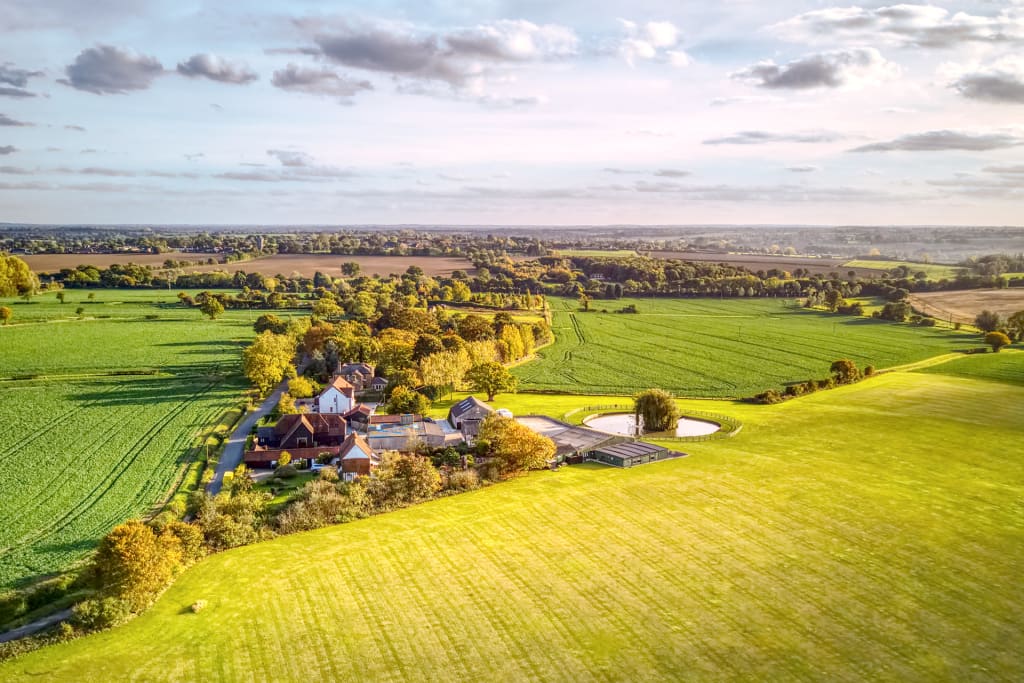
This success suggests that Essex may eventually become the "Burgundy of England," attracting investment from established Champagne houses looking to expand their still-wine portfolios without the land-use constraints of their home region.
4. China: A Multi-Regional Powerhouse
The narrative around Chinese wine is shifting from "volume-focused" to "terroir-driven." Michael Palij, MW, and founder of Winetraders, argues that treating Chinese wine as a monolith is a mistake.
Regional Diversity
From the buried vines of Ningxia, designed to survive extreme winter freezes, to the temperate coastal regions of Shandong and the high-altitude sites of Yunnan, China’s diverse geography allows for a spectrum of expressions.

Cultural Momentum
The current generation of Chinese winemakers is defined by an aggressive thirst for knowledge. By "rapidly prototyping"—or quickly abandoning techniques that fail in favor of those that succeed—they are accelerating the learning curve of their domestic industry. With the help of organizations like the China Wine Club, these wines are beginning to appear in high-end North American restaurants, signaling a maturation of the country’s export strategy.
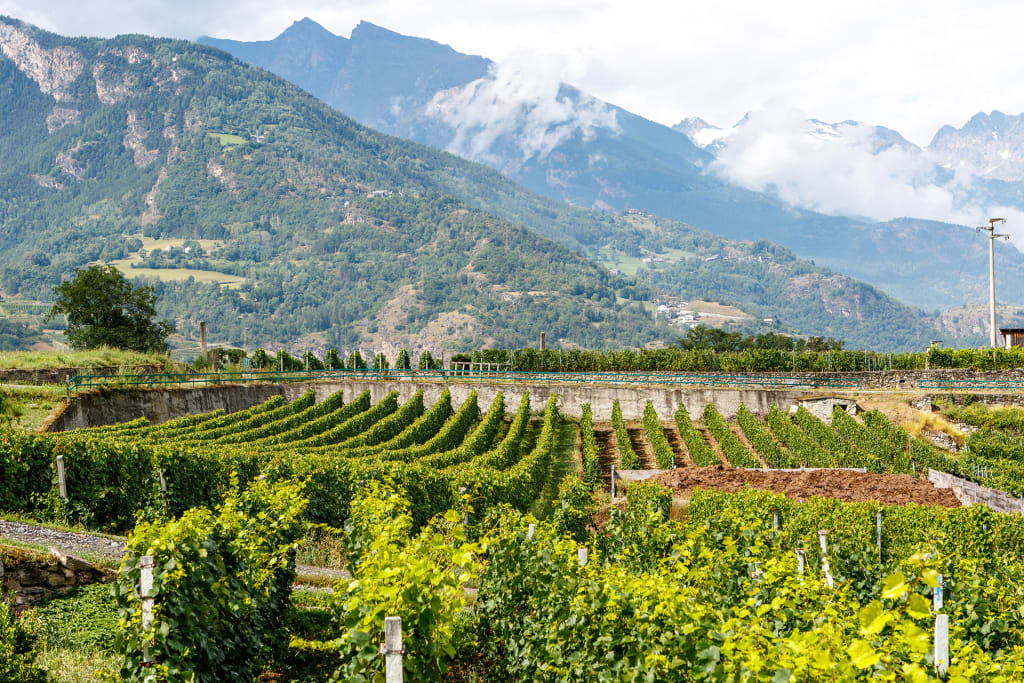
5. Aosta Valley: Heroic Viticulture
Italy’s smallest wine region is also its most geographically extreme. Located on the Alpine border, the Aosta Valley is defined by "heroic" winemaking—a designation for vineyards grown on such steep slopes that mechanization is impossible.
Climate Change and Adaptation
Aosta is currently a "canary in the coal mine" for the industry. Historically, winemakers were restricted to DOP classifications for grapes grown below 900 meters. However, as global temperatures rise, these traditional limits are becoming obsolete. Martina Fazio of Grosjean Vins explains that producers are currently lobbying for a shift to 1,000 meters to maintain the high acidity and elegance that define the region’s wines. The existence of non-DOP labels like Sopraquota 900 (Above 900 meters) illustrates the friction between aging bureaucratic regulations and the reality of a warming planet.
6. North Carolina: The American Resurgence
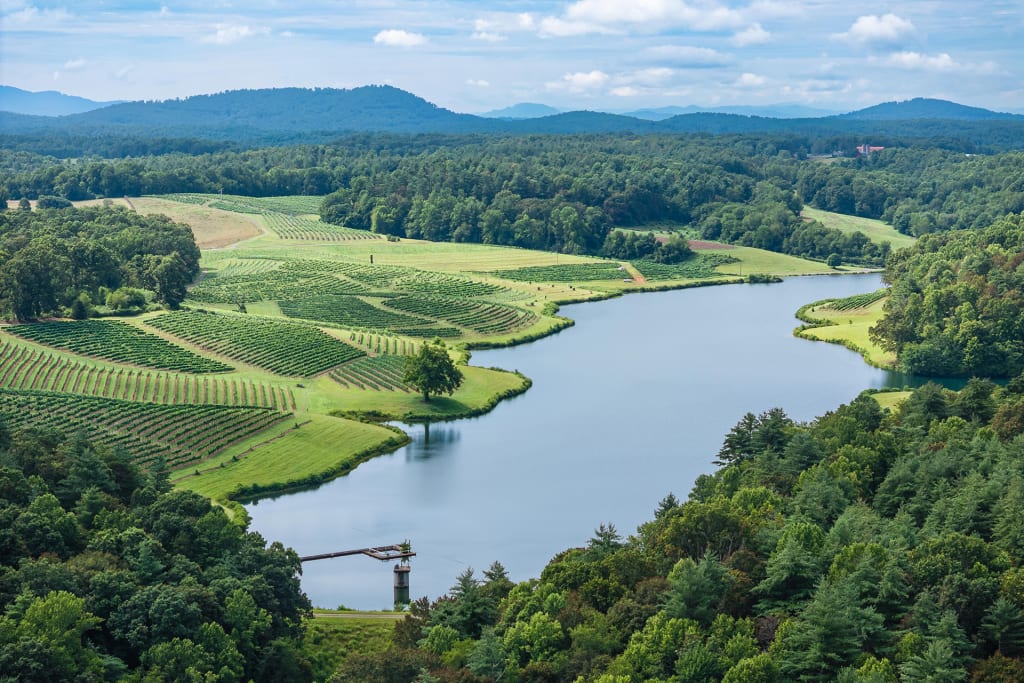
While often overlooked in favor of the Pacific Northwest or Virginia, North Carolina is a foundational state in American viticulture. Home to the legendary "Mother Vine" on Roanoke Island, the state is finally moving from the "pioneer" phase to a period of established proof.
Official Perspectives
JW Ray, owner of JOLO Winery in the Yadkin Valley, notes that the industry has moved past the stage of trying to mimic California or Washington. "Ten or fifteen years ago, we were still learning which varieties belonged here," says Ray. "Today, the vines are mature, and the wines are site-specific."
With over a million visitors annually at sites like the Biltmore Estate, the state is successfully converting tourism into a robust, educated consumer base that no longer views local wine as a novelty, but as a serious regional product.
7. Morocco: The Atlas Potential
Morocco’s wine history is a complex tapestry of Phoenician roots, French colonial influence, and modern, independent identity.
The Shift in Identity
Following a period of instability post-independence, the Moroccan wine industry was revived in the 1990s. Today, it is the second-largest wine producer in Africa. The industry is currently moving away from European-centric AOC classifications, which Nahla Bahnini of Domaine de Baccari argues do not accurately reflect the unique Moroccan context.
Instead, the focus is shifting toward indigenous grapes like Faranah and the local signature of vin gris. As tourism to Morocco continues to climb—rising over 50% between 2019 and 2025—the demand for a "local experience" is driving international travelers to pair traditional tagines with local wines, cementing the country’s status as a must-watch region.

Chronology of Trends: A Summary
- 2013: Picpoul de Pinet gains official AOC status, prioritizing the grape name for consumers.
- 2019–2025: A massive surge in Moroccan tourism drives domestic wine consumption.
- 2023–2026: Essex Chardonnay gains international acclaim, challenging the status of English sparkling wine.
- Present Day: Global regions are increasingly focusing on "heroic" altitudes and sustainable viticulture to combat climate change, while China and Bolivia emerge as the new frontiers of high-quality, specialized production.
Conclusion: The Future is Niche
The common thread among these seven regions is a move toward specificity. Whether it is the briny, sea-kissed whites of the Languedoc, the high-altitude experimentation in Bolivia, or the climate-defying Chardonnays of Essex, the future of the wine industry lies in regions that embrace their unique environmental constraints rather than trying to hide them. For the consumer, this represents a golden age of discovery, where the "standard" bottle of wine is increasingly being replaced by one with a distinct, documented, and local story.