From the mid-century allure of Don the Beachcomber to the sophisticated, rum-focused craft movement of today, "tiki" has remained one of the most polarizing and persistent genres in the beverage world. In the July/August issue of Imbibe, columnist Wayne Curtis explores the complex evolution of the category—a journey that traverses a reckoning with cultural appropriation and colonial tropes, ultimately arriving at a renaissance defined by intentionality, subversion, and high-level mixology.
As the genre continues to evolve, bars across the United States are moving beyond the kitschy caricatures of the past. They are now engaging in a thoughtful dialogue about what it means to offer "tropical escapism" in a modern context, ensuring that the legacy of the craft is honored while its problematic history is systematically dismantled.
The Chronology of an Evolution: From "Exotica" to Ethical Escapism
The trajectory of tiki is a mirror of shifting cultural values. It began in the 1930s as a romanticized, highly fictionalized version of the South Pacific, popularized by figures like Donn Beach and Trader Vic. For decades, this "Polynesian Pop" dominated the American bar scene, relying heavily on aesthetic shortcuts and the fetishization of Indigenous cultures.
However, the last fifteen years have marked a period of critical introspection. The "Craft Cocktail Renaissance" of the late 2000s sparked a renewed interest in the technical precision of classic tiki drinks. Pioneers like Martin Cate of Smuggler’s Cove began to separate the high-quality rum-based mixology from the reductive cultural tropes.
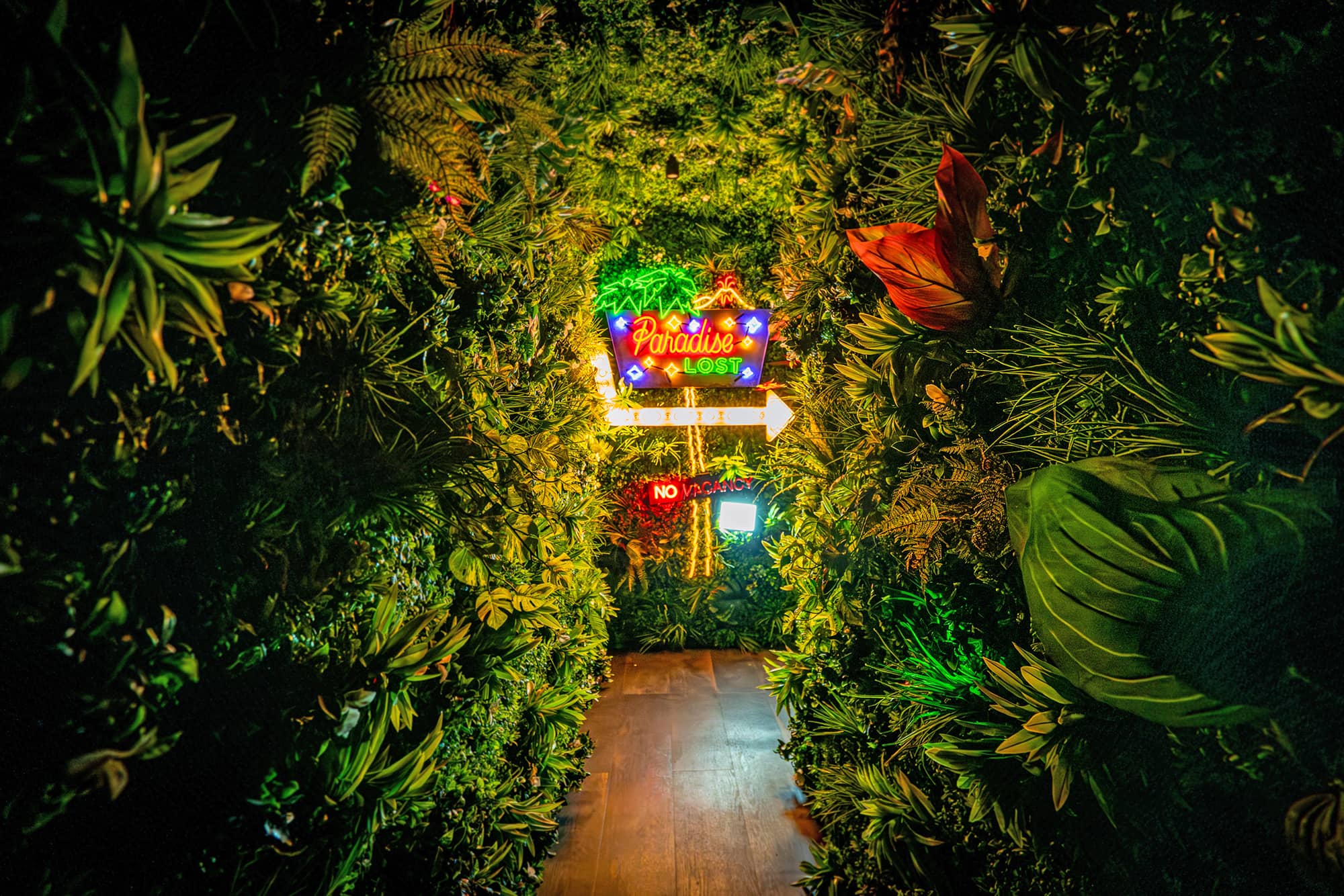
By the 2020s, a new wave of venues began to emerge—bars that didn’t just serve a Mai Tai, but that actively curated a new narrative. Today, we see a spectrum: from the "historical preservationists" like Jeff “Beachbum” Berry, who treat the 1930s and 40s recipes with archaeological rigor, to "re-imaginers" like the teams at Paradise Lost and Mothership, who are swapping out colonial imagery for themes of sci-fi, punk rock, and demonology.
Supporting Data: The Pillars of the New Tiki Guard
The modern tiki landscape is defined by a diverse array of philosophies. Below are the key players currently leading the conversation:
Smuggler’s Cove (San Francisco)
Opened in 2009, Smuggler’s Cove is widely regarded as the bridge between the old guard and the new. Martin Cate’s work in elevating the rum category—housing one of the largest collections in North America—has forced the industry to view tiki as a serious study of spirit provenance. "Learning from rum’s past helps guide us toward a brighter future for the spirit," says Cate, noting that the bar’s decor now emphasizes collaboration with global artists rather than appropriation.
Latitude 29 (New Orleans)
Jeff “Beachbum” Berry is the primary reason many modern bartenders know how to properly balance a Zombie or a Pearl Diver. Latitude 29, which opened in 2014, operates on the Hawaiian principle of mea ho‘okipa—the practice of unselfishly extending the best one has to offer to a guest. Their menu is a masterclass in classic recipe restoration.
False Idol (San Diego)
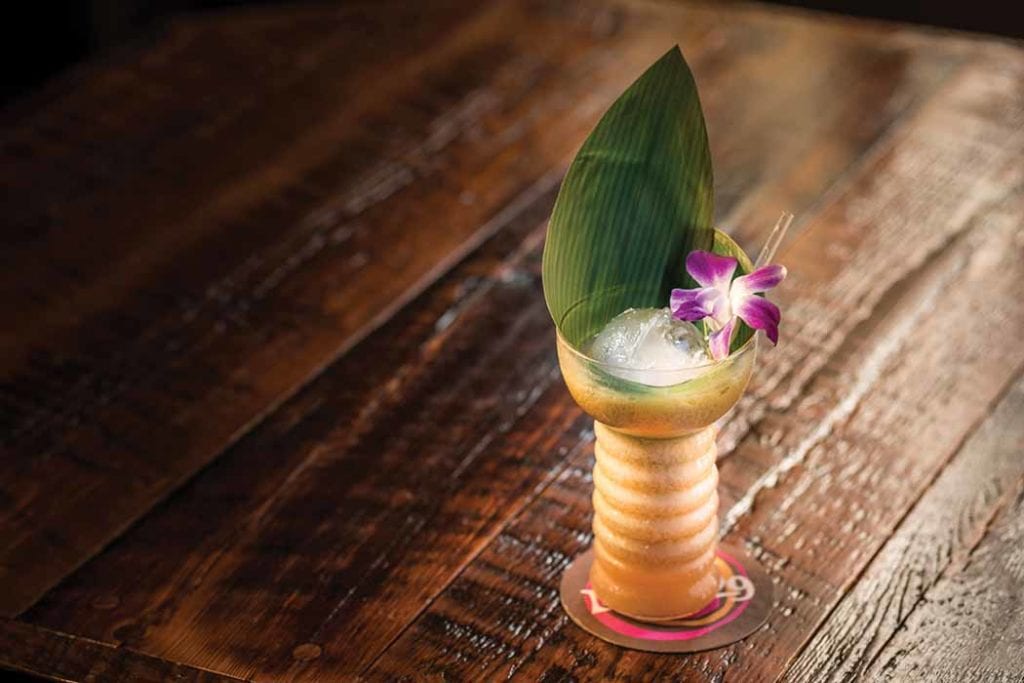
A collaboration between Martin Cate and CH Projects, False Idol balances traditional immersive design with a modern, 40-page menu. Anthony Schmidt, the beverage director, emphasizes that the menu is split evenly between time-tested classics and original riffs, such as the Ube Bae, which utilizes ingredients like taro and toasted rice to expand the flavor profile of the genre.
Mothership (San Diego)
Mothership represents the radical shift toward "tropical space exploration." By shedding the traditional Polynesian aesthetic in favor of retro-futurism, owners Kory Stetina and the CH Projects team avoid the pitfalls of cultural misrepresentation while maintaining the core appeal of the genre: the transportive, immersive experience.
Navy Strength (Seattle)
Anu Apte and Chris Elford focus on "creativity, curiosity, and escapism" at their Belltown location. The bar acts as a sanctuary for the modern drinker, offering inventive drinks like the Mister Babadook (Scotch, Marmite, apple cider) that prove the "tropical" label is more about the feeling of a vacation than the strict adherence to tiki-specific ingredients.
Paradise Lost (New York City)
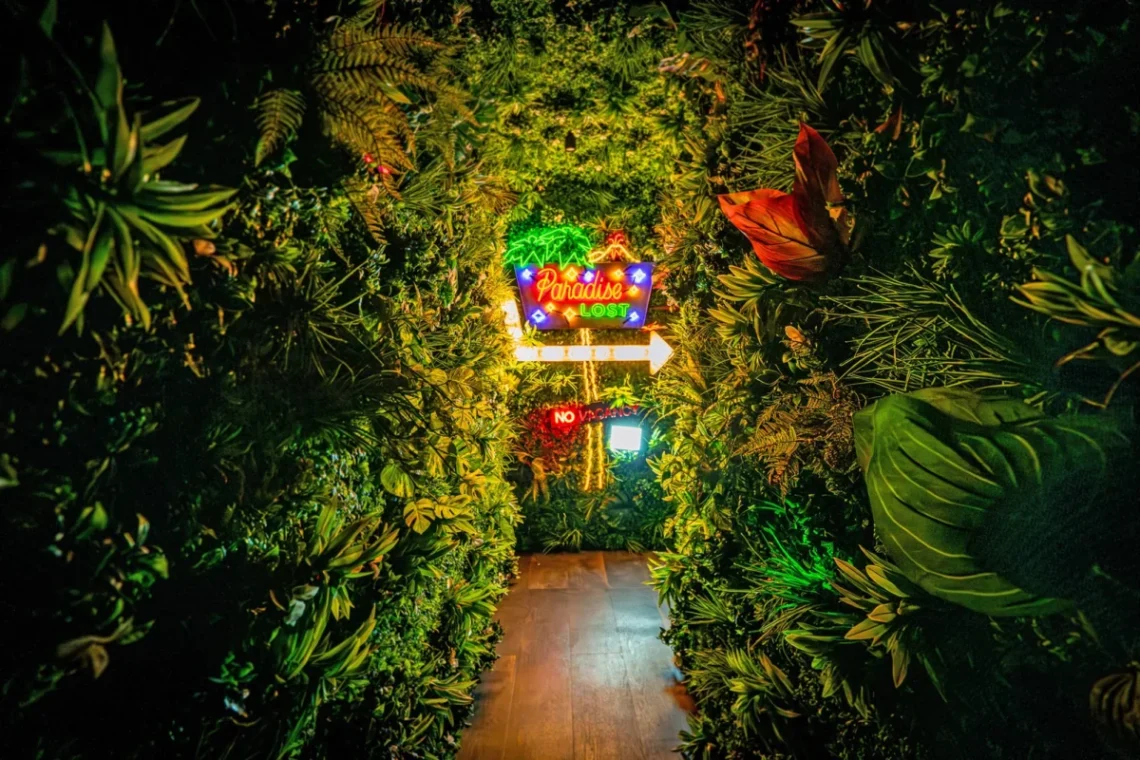
Located in the East Village, this bar represents the most aggressive departure from tradition. By adopting a punk aesthetic and replacing "Polynesian gods" with a mythos of demonology and black magic, co-owner Kavé Pourzanjani says their goal is to "shed tiki’s sordid past of appropriation" while offering a genuinely edgy, high-energy environment.
Shore Leave (Boston)
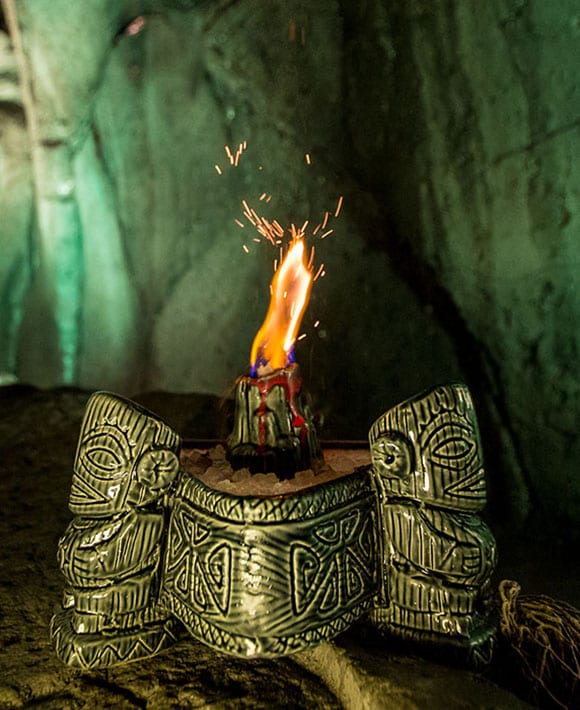
Ryan Lotz at Shore Leave highlights the importance of seasonal, modern ingredients. By focusing on rum’s origins and maintaining a chic, welcoming atmosphere, the bar proves that tropical cocktails can be sophisticated and inclusive without relying on outdated imagery.
Strong Water (Anaheim)
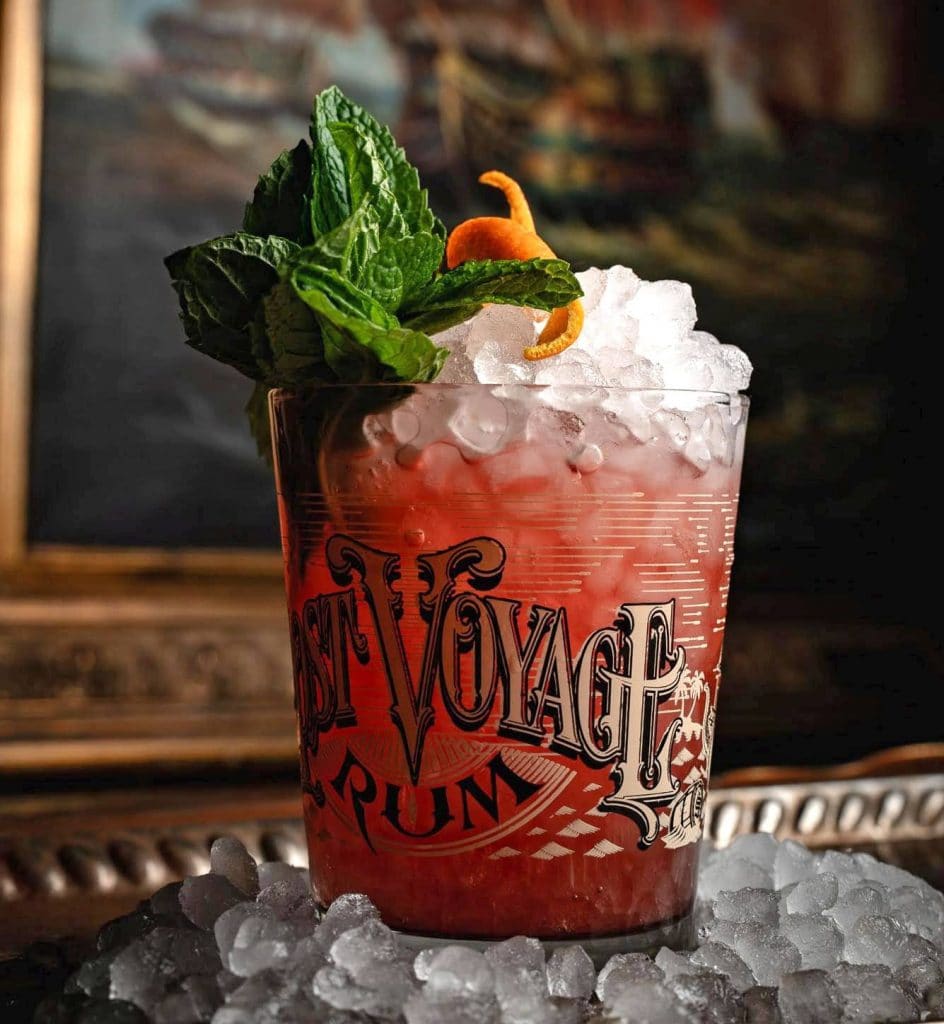
Inspired by the hull of a sunken ship, The Clementine, Strong Water focuses on "a sense of wonder." As co-owner Ying Chang notes, they view themselves as "caretakers of a legacy" rather than reinventors, using their own house-made rum (Lost Voyage) to connect the guest to the production process.
Sunken Harbor Club (Brooklyn)
Garret Richard’s approach is defined by its narrative structure. The bar operates on three tiers—"In the Shallows," "The Twilight Zone," and "The Abyss"—using lighting and sound design to create a temporal, theatrical experience that elevates the act of drinking into a performance.
UnderTow (Phoenix)
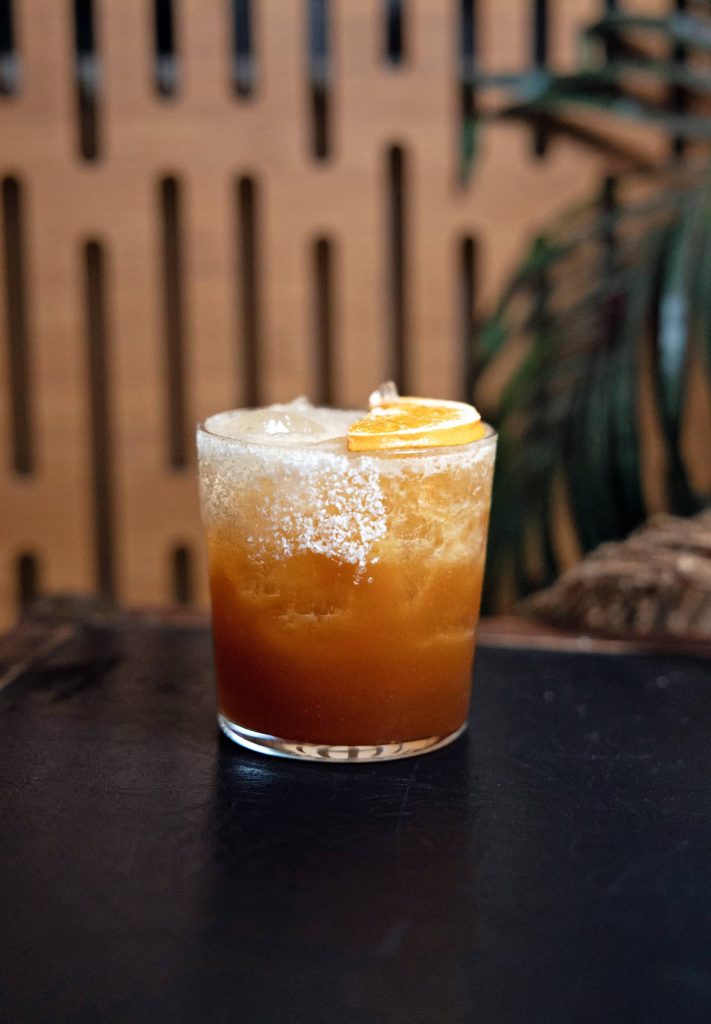
As part of the Century Grand complex, UnderTow treats the tiki bar as a set piece. Mat Snapp’s team combines historical accuracy in their 1930s-style cocktails with a commitment to the "theatrical" side of the experience, ensuring that the bar remains a place of discovery for a new generation of drinkers.
Official Responses and Industry Philosophy
The collective consensus among these operators is that the "tiki" label is increasingly a starting point, not a cage.
"We believe tiki has room to evolve," says Ying Chang of Strong Water. This sentiment is echoed across the board. The industry-wide pivot is moving away from the "copy-paste" mentality of the 20th century. Instead, the focus has shifted to:
- Spirit Education: Using rum as a vehicle for discussing production, geography, and labor standards.
- Intentional Atmosphere: Replacing "imported" cultures with original mythologies (e.g., Mothership’s space travel, Paradise Lost’s demonology).
- Hospitality as Ethics: Applying the Hawaiian concept of mea ho‘okipa to ensure that the guest experience is grounded in respect for both the history of the drink and the communities that produce the spirits.
Implications: The Future of the Tropical Category
The implications of this shift are profound. By distancing themselves from the racist tropes of the past, these bars have ensured the longevity of the tropical genre. They have successfully transitioned the conversation from "Why are we still doing this?" to "How can we do this better?"
The current trend suggests that the next generation of tiki bars will be characterized by:
- Hyper-Regionalism: A greater focus on the specific islands and regions where the rum is distilled, moving beyond the generic "tropical" label.
- Technological Integration: As seen at Sunken Harbor Club and UnderTow, the use of lighting, sound, and immersive design will become as important as the quality of the ingredients in the glass.
- Subversion of Expectations: We can expect to see more bars experimenting with non-traditional ingredients (Marmite, shochu, licor de elote) that challenge the palate while respecting the balance of the classic tropical cocktail.
As the industry continues to mature, it is clear that the "allure of escapism" is not going anywhere. However, the nature of that escape has changed. Today’s tiki is no longer about fleeing to a cartoon version of the South Pacific; it is about finding a moment of wonder, community, and expert craftsmanship in the here and now. The torch has been passed, and it is being held by those who understand that to build a better future for the cocktail, one must first look at the past with clear eyes and an honest heart.