
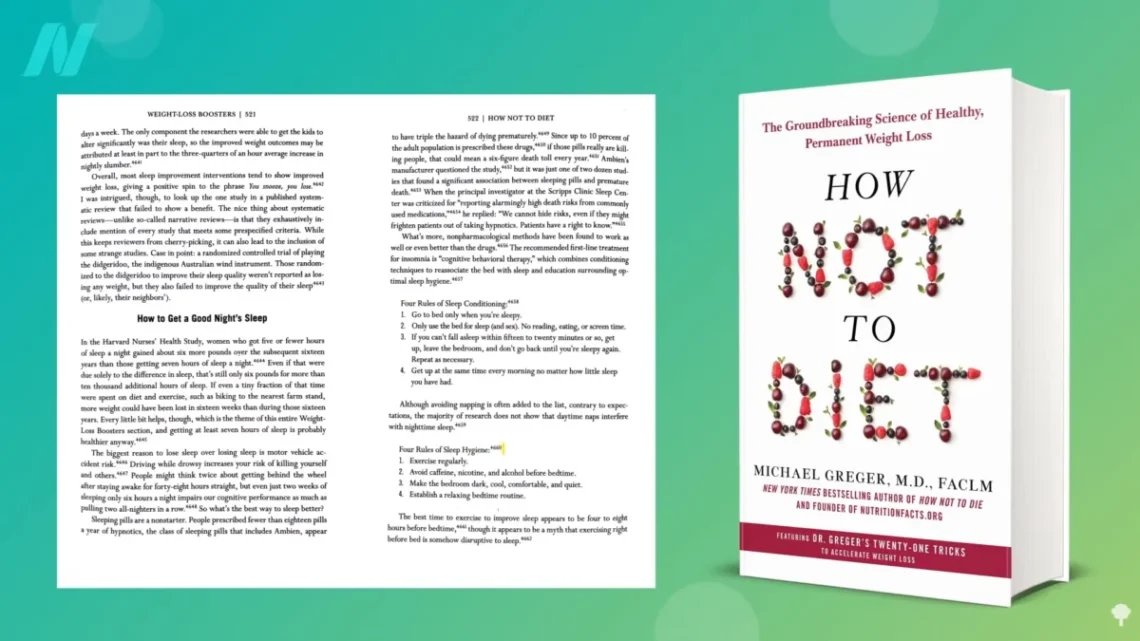
In a world that increasingly views sleep as an optional commodity rather than a biological necessity, the consequences of chronic exhaustion are becoming impossible to ignore. While pharmaceutical interventions have long been the go-to solution for millions, a growing body of research is pivoting toward the kitchen cabinet. Among the most intriguing prospects is Lactuca sativa—common garden lettuce—and its secret weapon: a bitter compound known as lactucin.
Recent clinical trials have begun to move beyond folklore, subjecting this humble leafy green to the rigorous standards of randomized, double-blind, placebo-controlled testing. As the global population grapples with an epidemic of insomnia, the potential for a safe, dietary intervention is shifting from the fringe to the forefront of sleep science.
Main Facts: The Biology of Insomnia and the Lettuce Factor
The modern perception that time spent asleep is "time wasted" has paved the way for a public health crisis. Insufficient sleep is no longer viewed merely as a nuisance; it is a recognized precursor to a host of acute and chronic conditions, ranging from cardiovascular disease to metabolic dysfunction.
The Genetic and Vascular Toll
Research indicates that even minor sleep deprivation can trigger profound physiological changes. For instance, forcing individuals to limit their sleep to just six hours a night for a single week can alter the expression of over 700 genes. Perhaps the most alarming consequence is endothelial dysfunction—the impairment of the thin layer of cells lining the blood vessels. When this lining is compromised, arteries struggle to relax and dilate properly. Studies show that restricting sleep to five hours a night for just one week results in significant impairment to arterial function, mimicking the damage seen in smokers, diabetics, or patients with coronary artery disease.
The Role of Lactucin
Enter Lactuca sativa. Historically, lettuce has been utilized for its sedative properties since the time of the Roman Empire. The source of this effect is believed to be lactucin, a sesquiterpene lactone that contributes to the characteristic bitterness of lettuce. While it has long been dismissed as a folk remedy, modern pharmacology has confirmed its hypnotic potential in animal models. Both mice and rats exhibit enhanced sleep patterns when administered extracts of romaine lettuce—a variety chosen by researchers for its higher concentration of lactucin.
Chronology of Clinical Inquiry
The transition of lettuce from a salad staple to a therapeutic agent has been a decades-long journey of trial and error.
- Ancient Beginnings: Records from the Roman Empire highlight the use of lettuce extracts for their sleep-inducing properties.
- The Early Animal Studies: In the late 20th and early 21st centuries, researchers began to isolate the effects of lactucin in rodents. Findings confirmed that lactucin acts as a mild sedative, reducing motor activity and increasing sleep duration in subjects.
- The 2011 Breakthrough: A landmark study was published involving geriatric patients suffering from chronic insomnia. Participants were administered lettuce seed oil. Within one week, 70% of the treatment group reported that their sleep quality had "very much or much improved," compared to only 20% in the placebo group.
- The 2018 Pregnancy Trial: Building on the need for safer alternatives during pregnancy, a pivotal randomized, double-blind, placebo-controlled trial was launched. Researchers moved from oil extracts to ground lettuce seeds to ensure a consistent, whole-food delivery system.
Supporting Data: Why Sleep Deprivation is a Public Health Emergency
The statistics surrounding sleep deficiency are staggering. In the United States, roughly 28% of the adult population routinely fails to achieve the recommended seven hours of sleep per night. The disparity is not trivial: individuals who sleep less than seven hours show a 12% to 35% increased risk of premature death compared to those who hit the seven-hour mark.
The Pregnancy Dilemma
The stakes are arguably highest for pregnant women, as nearly 8 out of 10 experience significant sleep disturbances. Conventional medical practice has often relied on pharmacological sedatives like Ambien or Valium. However, these drugs carry significant risks, including associations with premature birth, low birth weight, and, in the case of benzodiazepines, potential birth defects.
The recent trial involving 100 pregnant women provided a crucial alternative. Participants received capsules containing a quarter teaspoon of ground lettuce seeds versus a placebo over a two-week period. The results were clear: those in the lettuce seed group showed a statistically significant improvement in sleep quality indices with zero reported side effects, offering a beacon of hope for a demographic often left with no safe treatment options.

Official Responses and Scientific Limitations
Despite the promising data, the scientific community maintains a cautious stance, largely due to the funding landscape of nutritional research.
The Funding Gap
As researchers have noted, "Big Pharma" possesses billions for clinical trials, whereas nutritional studies on common vegetables lack the same financial backing. This has historically led to studies with smaller sample sizes or less rigorous blinding protocols. The 2011 study, while successful, was only single-blind—a limitation that critics were quick to point out.
However, the 2018 study addressed these concerns directly by implementing a robust, double-blind, placebo-controlled design. By using encapsulated lettuce seeds, researchers managed to effectively mask the intervention, providing a "gold standard" proof of efficacy that is rarely seen in botanical sleep research.
Expert Consensus
Experts generally agree that while lettuce is not a "magic bullet," it serves as an excellent adjunct to established sleep hygiene protocols. Organizations like the National Sleep Foundation emphasize the "Four Rules of Sleep Conditioning" and "Four Rules of Sleep Hygiene," which include establishing consistent sleep-wake cycles, optimizing the bedroom environment, and limiting stimulants. Dietary remedies like lettuce seeds are viewed as a "third-line" defense, intended to be used alongside—not in place of—these foundational behavioral changes.
Implications: A Future of Natural Sleep Enhancement
The implications of these findings extend far beyond the dinner table. If a safe, inexpensive, and readily available food source like lettuce seeds can effectively treat insomnia in vulnerable populations, it could fundamentally shift the approach to sleep medicine.
Moving Toward Integrative Care
The movement toward "food as medicine" is gaining momentum. By legitimizing the sedative properties of Lactuca sativa, the medical community is moving closer to a more holistic approach. Rather than jumping immediately to prescription hypnotics, physicians might eventually include nutritional assessments and dietary interventions as a first-line treatment for mild to moderate sleep issues.
The Practical Application
For those struggling with sleep, the path forward involves a multi-pronged approach:
- Foundational Hygiene: Adherence to established sleep conditioning rules is non-negotiable.
- Strategic Nutrition: Incorporating sleep-supporting foods like kiwifruit, tart cherries, and, as the latest research suggests, lettuce seeds, can provide the extra support necessary for restful cycles.
- Medical Supervision: Any dietary change, especially for pregnant women or those on existing medications, should be discussed with a healthcare provider to ensure there are no contraindications.
Final Thoughts
While we await further large-scale, multi-center trials to cement the role of lettuce seeds in global health protocols, the existing evidence provides a compelling argument. We are reminded that nature often provides the solutions to our most complex modern ailments. As we continue to battle the "sleep crisis," the humble lettuce may prove that the most effective remedy for a restless night has been growing in our gardens all along.
Disclaimer: This article is for informational purposes and does not constitute medical advice. Always consult with a qualified physician before beginning any new dietary supplement regimen.