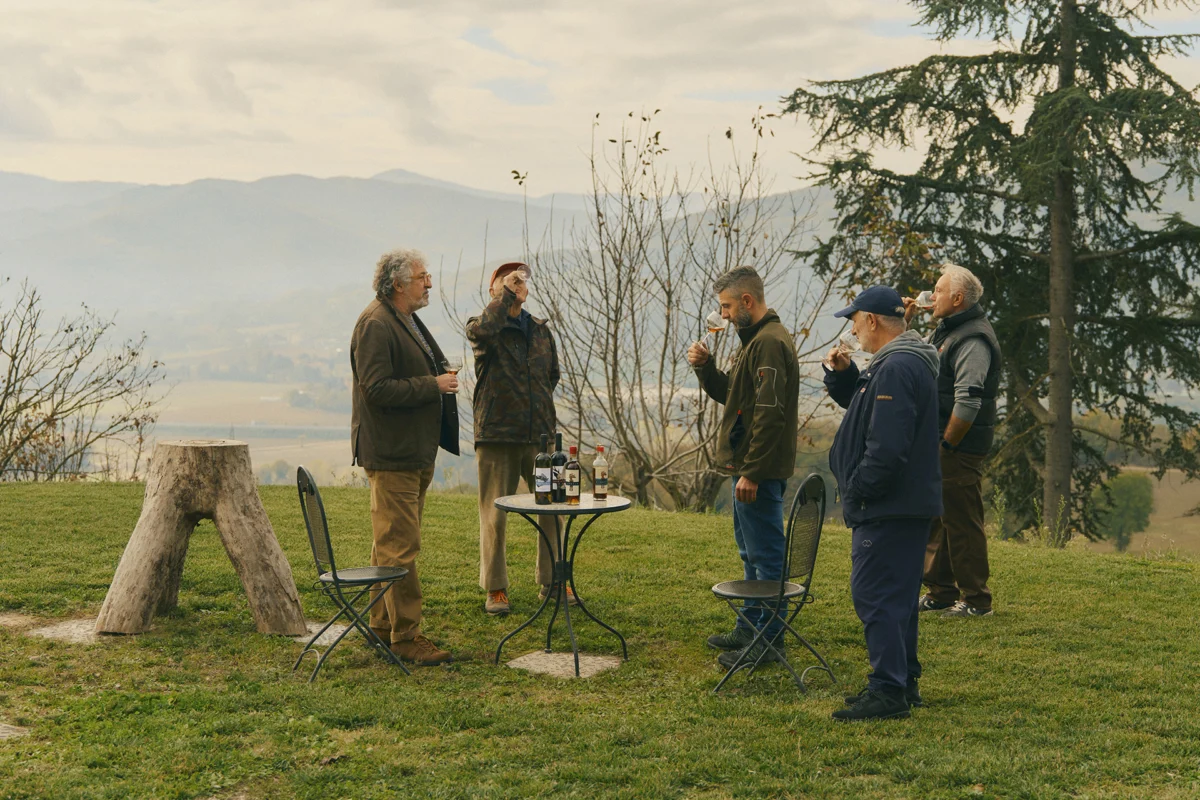
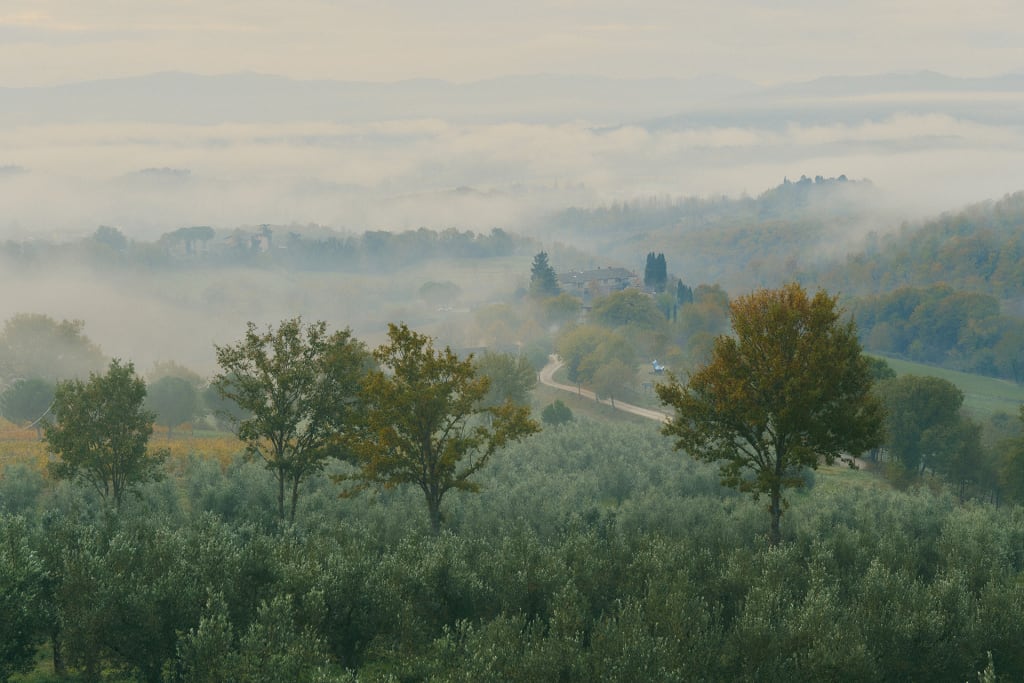
On a crisp November morning in Italy’s Upper Tiber Valley, the mist clings to the rolling hills of Umbria like a shroud of silver smoke. At La Miniera di Galparino, an agriturismo that dates back to the 1100s when it was first constructed by the Knights Templar, the air is thick with the scent of damp earth and woodfire. Here, in the heart of Italy’s tobacco country, Chiara Filippi and her husband, Claudio Ceccarelli, are not simply running a farm; they are acting as the last line of defense for a culinary relic that almost slipped into extinction: vinosanto da uva affumicata.
As the couple’s three yellow labs trot excitedly through the courtyard to greet a visitor, the scene feels timeless. However, the reality of life on this 120-acre estate is one of constant, labor-intensive vigilance. From the daily tending of olive groves to the careful management of rare grape varieties, the work is never-ending. But it is the "smoked" sweet wine—a product so rare it defies global commercial trends—that truly defines the legacy of this land.
The Origins of a Peasant Luxury
To understand the vinosanto da uva affumicata, one must first understand the landscape of Umbria. Italy is Europe’s largest producer of tobacco, and the region around the historic walled city of Città di Castello has been the epicenter of this industry for 450 years.
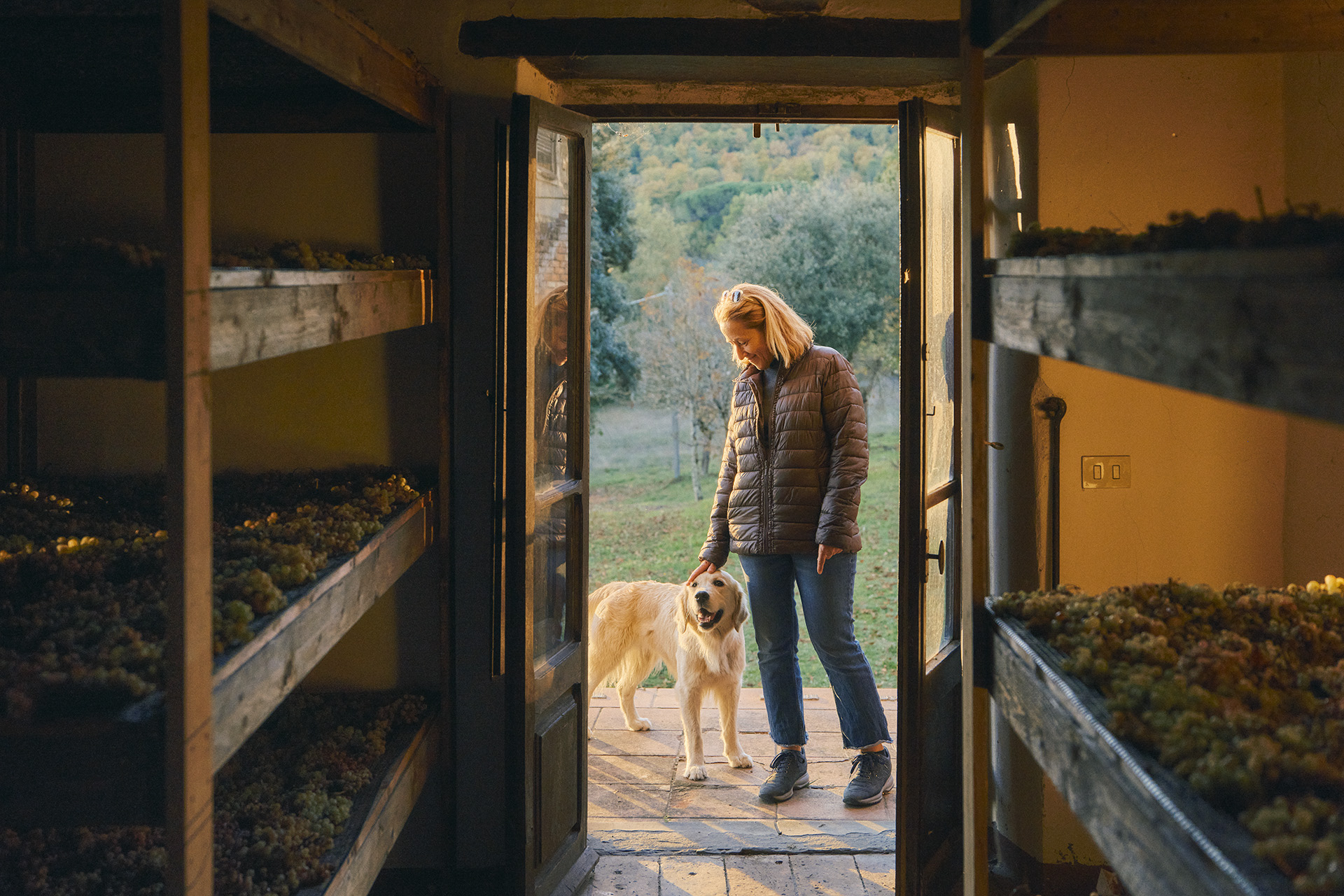
Historically, the farmers of this valley were not wealthy landowners. They were laborers living in small farmhouses where every square inch of space was functional. During the harvest season, these families would dry their tobacco leaves in the same rooms where they produced their vinosanto—a traditional "holy wine" made from grapes left to dry until they turned into raisins.
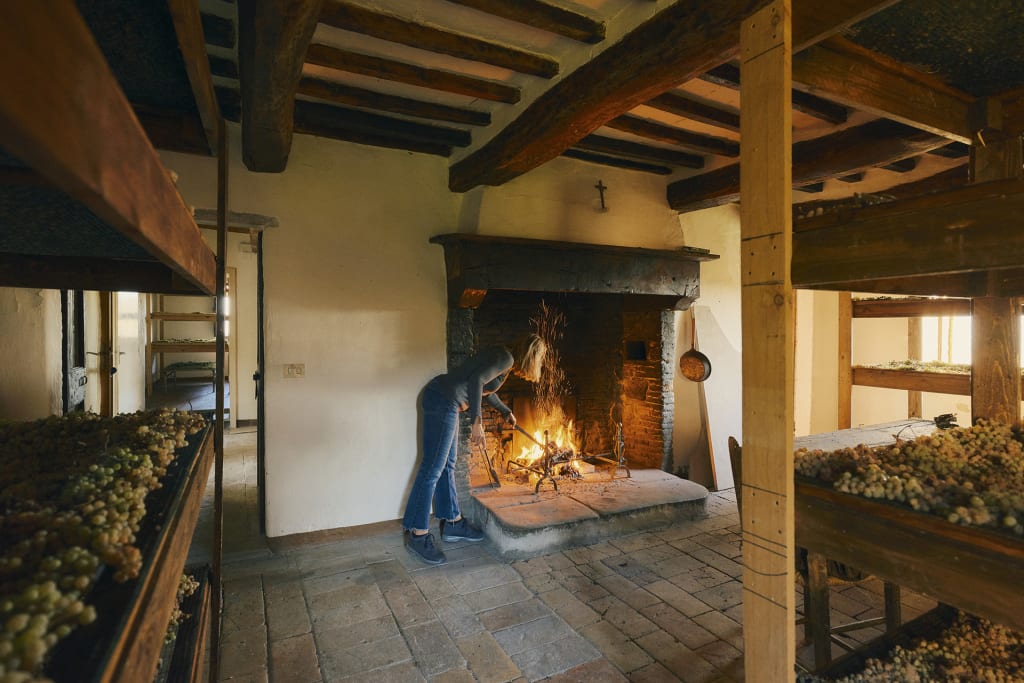
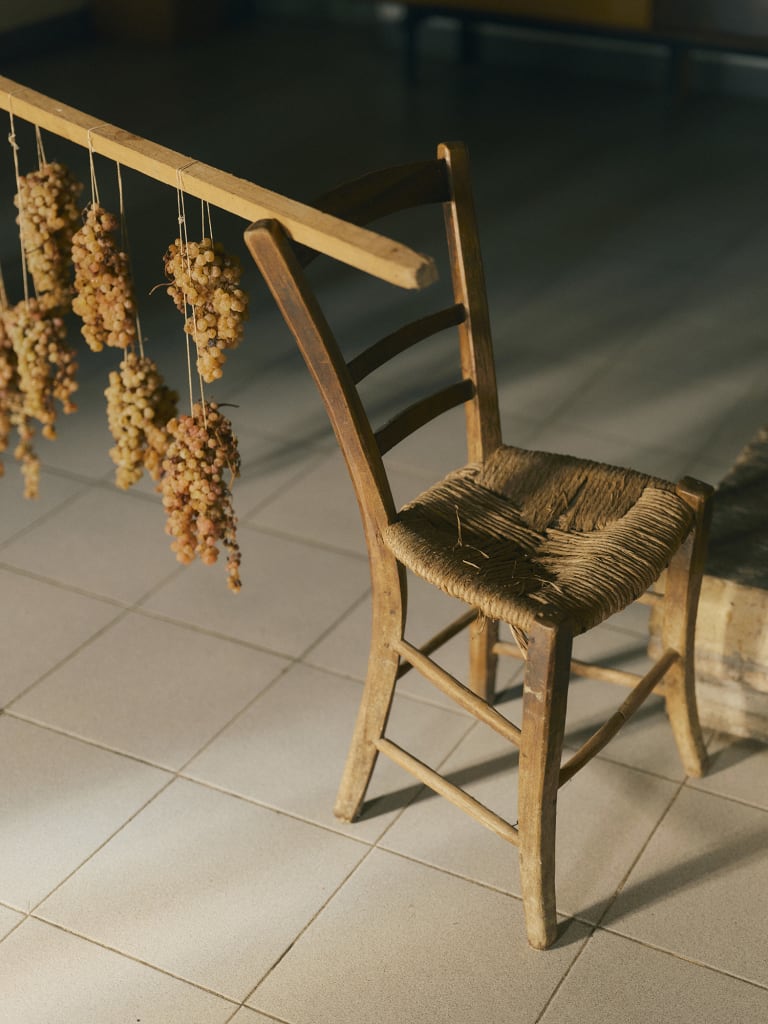
"Vinosanto was born because poor people wanted to have a precious thing to give to guests," Filippi explains. Without the luxury of separate facilities, the grapes and tobacco were hung together above the kitchen hearth. As the grapes shriveled into sweetness, they absorbed the ambient smoke of the kitchen fires—what locals call arrosto—and the faint, earthy notes of the drying tobacco. The result was a mahogany-colored nectar, rich in history and flavor, fundamentally different from the vinosanto produced in neighboring Tuscany. It was a happy accident of poverty, a unique marriage of necessity and terroir that exists nowhere else on Earth.
Chronology of a Resurgence
The history of this wine is a narrative of near-loss followed by a quiet, determined revival.
- 1100 C.E.: The original farmhouse at La Miniera di Galparino is constructed by the Knights Templar. The land sits atop a lignite mine, the remnants of which provided the fuel used in centuries of local tobacco curing.
- Early 20th Century: The production of smoked vinosanto is a standard practice among local farming families, serving as a ceremonial drink for births, weddings, and harvest celebrations.
- 2000: Chiara Filippi and Claudio Ceccarelli take over the estate, choosing to honor the traditional methods passed down by Filippi’s father, despite the lack of commercial viability.
- Early 2010s: The craft teeters on the brink of extinction. The labor-intensive nature of the process—hand-tying grape bunches with willow branches, months of drying, and years of aging—makes it impossible to scale for a modern market.
- Present Day: Through the intervention of Slow Food Umbria, the production has been codified. Eleven families in the valley now receive institutional support to continue the practice, ensuring that the ancient mother yeasts—some over 100 years old—remain active.
Supporting Data: The Anatomy of the Process
The technical requirements for vinosanto da uva affumicata are rigorous. The process is a masterclass in patience and biological precision.
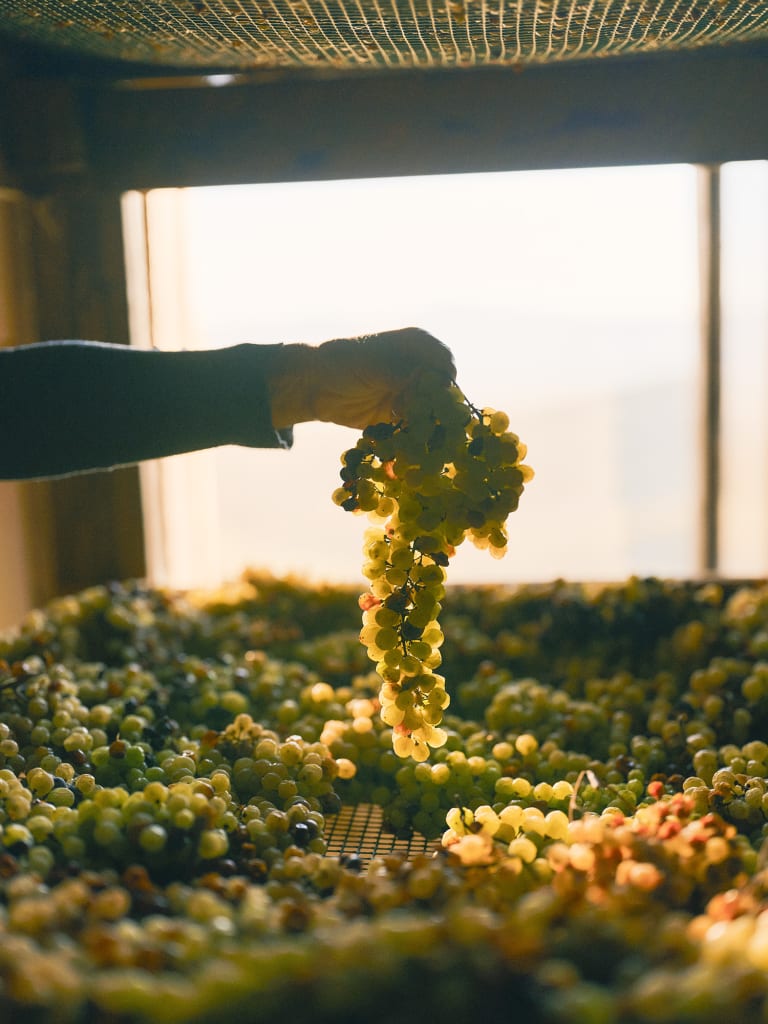
The wine is typically a blend of Trebbiano Toscano, supplemented by local varieties such as Dolciame Bianco, Grechetto, and the rare Malfiore—a grape that was functionally extinct until Filippi and Ceccarelli identified it on their property. The University of Perugia has since partnered with the farm to help preserve this genetic heritage.
The production cycle is as follows:
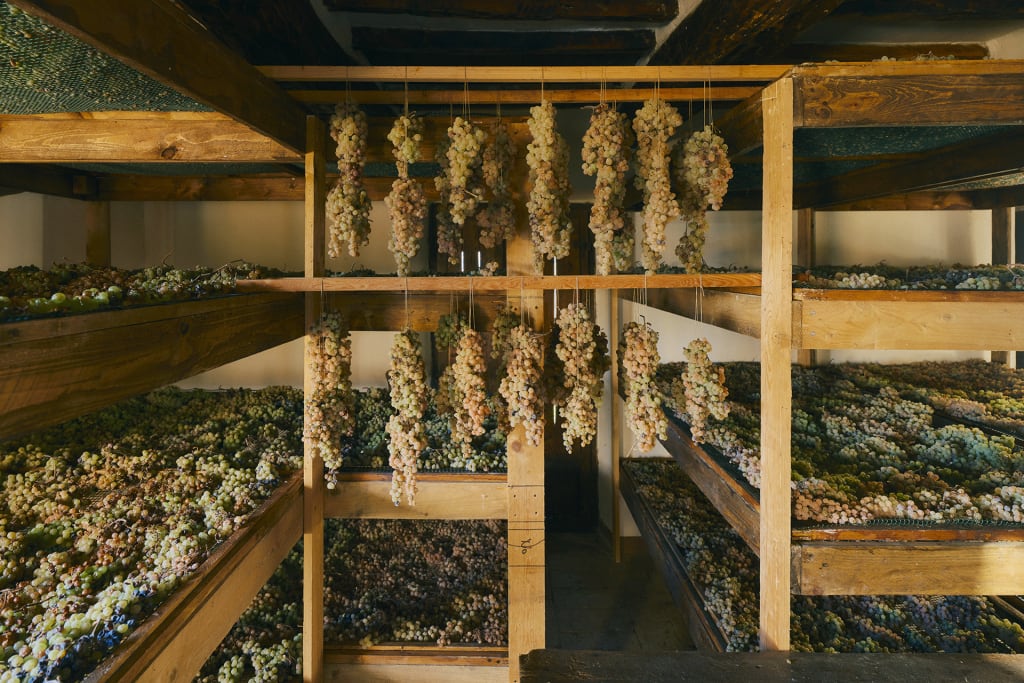
- Harvesting: The grapes are the first to be picked to ensure optimal condition. They are hung in "coppiole" (couples) using natural willow branches.
- Drying & Smoking: The grapes hang in well-ventilated spaces, absorbing the subtle smoke of the farmhouse hearths over several months.
- Fermentation: After pressing in late winter, the must is transferred to barrels no larger than 100 liters.
- The Mother Yeast: This is the heart of the operation. Each family maintains a "mother" yeast, similar to a sourdough starter, which has been passed down through generations.
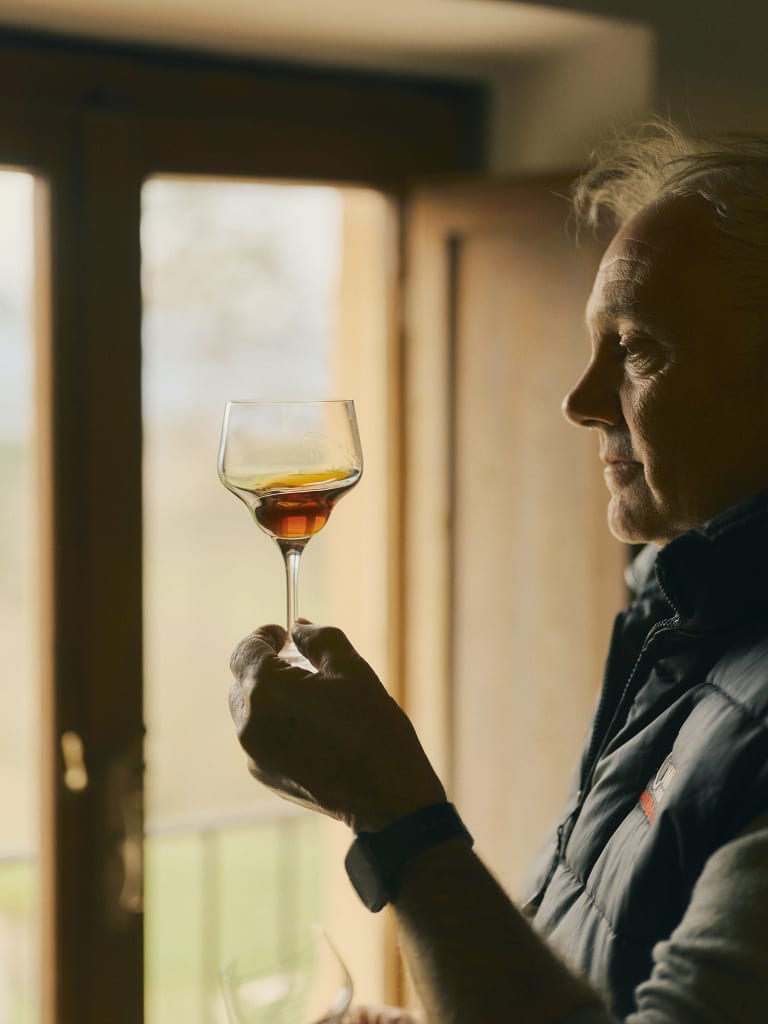
- Aging: While regulations mandate a minimum of five years, producers like La Miniera di Galparino often age their wine for a decade or more.
The result is a wine that delivers notes of peat, honey, dried fig, and salted caramel. "After that, you’ll tell me, ‘It’s amazing!’ and I’ll say, ‘I know,’" says Sergio Consigli, president of Slow Food Umbria.
Official Responses and Preservation
The role of the Slow Food organization cannot be overstated. By codifying the production methods, they have moved vinosanto from a fading memory to a protected cultural asset. This is not about mass production; it is about protecting the "connective tissue" of the valley.
Davide Morganti, another local producer who labels his wine Bubbola (after the hoopoe bird), echoes this sentiment. "Every farmer here has made vinosanto at least once. It’s a drink for celebrations. We make it the year our children are born, and we drink it at their weddings." For Morganti, the wine is an identity marker. He left a 15-year career in a factory to return to the land, finding that the slow, deliberate pace of wine production offered a higher quality of life than industrial labor.
The local government and academic institutions like the University of Perugia have also recognized the importance of these agricultural traditions. By assisting in the identification and propagation of endangered grape varieties like Malfiore, they are providing a scientific framework to back the artisanal efforts of the families.
Implications: The Future of Heritage Products
The resurgence of vinosanto da uva affumicata poses a fascinating question for the modern world: How do we preserve products that cannot be optimized?
In an era of hyper-efficiency, the 150 bottles produced annually by La Miniera di Galparino represent an "inefficient" use of resources. Yet, the implications of their survival are profound. As Filippi notes, "This used to be a place you’d pass through." By reviving a flagship product that is uniquely tied to the geography and history of the Upper Tiber Valley, the region is beginning to craft a new narrative—one that values "valore" (value) over volume.
The existence of this wine serves as a reminder that culture is often found in the margins. When the world is obsessed with the new and the scalable, the preservation of a 100-year-old mother yeast or a nearly extinct grape variety acts as a form of resistance. It is an assertion that some things—the taste of a smoky autumn evening, the history of a family, and the hospitality of a shared glass—are worth the effort.
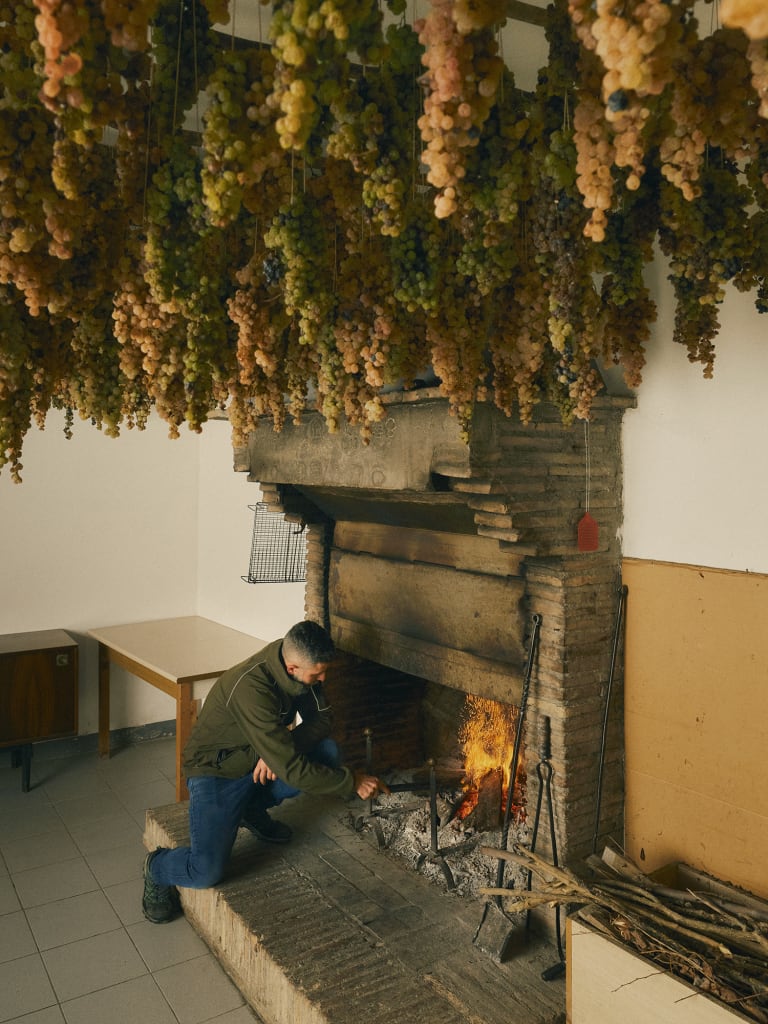
For the traveler, the collector, and the enthusiast, these bottles are more than a beverage. They are a time capsule. When one drinks a 20-year-old vinosanto from the valley, one is tasting the specific fires that burned in the kitchens of the 19th and 20th centuries, the unique climate of the Umbrian hills, and the sheer tenacity of families who refused to let their heritage burn out.
As the sun sets over the valley, casting long shadows across the tobacco fields that once provided the smoke for the wine, the future of the region feels slightly more secure. The work at La Miniera di Galparino continues, one bunch of grapes at a time, proving that even in a globalized world, there is still room for the local, the traditional, and the profoundly, uniquely rare.