Main Facts
In late 2019, the scientific community and the general public were shaken by a series of high-profile papers published in the Annals of Internal Medicine. Issued by an international consortium of researchers known as NutriRECS, these studies examined the health impacts of red and processed meat consumption. Paradoxically, despite finding a statistically significant association between lower consumption of red and processed meats and lower total mortality, decreased cardiovascular disease, and reduced cancer risk, the authors arrived at an astonishing conclusion: individuals should ignore standard dietary guidelines and continue eating meat to their heart’s content.
This assertion directly challenged decades of established nutritional science. Major public health organizations—ranging from the World Health Organization to the American Heart Association—have long advised cutting back on red and processed meats to mitigate chronic diseases. The NutriRECS panel, however, defended its contrarian advice using three primary arguments:
- Consumer taste preferences.
- The application of the GRADE (Grading of Recommendations, Assessment, Development, and Evaluation) framework, which traditionally evaluates pharmaceutical trials rather than dietary patterns.
- The claim that the absolute magnitude of health risks posed by meat is too small to justify sweeping lifestyle changes.
Independent epidemiologists, nutrition scientists, and public health advocates immediately challenged these findings. Critics revealed profound methodological flaws, alleged conflicts of interest linked to industry-funded entities, and accused the panel of cherry-picking data while discarding robust randomized controlled trials that demonstrated clear health improvements from plant-based diets.
Chronology of the Controversy
The Genesis of the NutriRECS Guidelines
The controversy began with the publication of the NutriRECS guidelines in the Annals of Internal Medicine. Comprising a multi-national panel of researchers, the consortium set out to re-evaluate dietary recommendations concerning red and processed meats. Utilizing systematic reviews and meta-analyses, the panel analyzed existing cohort studies and trials to determine whether reducing meat intake genuinely yielded measurable health benefits.
Immediate Backlash and Scientific Pushback
Within days of publication, premier academic institutions and prominent scientists mobilized. The Harvard T.H. Chan School of Public Health released immediate critiques, pointing out that the panel’s methodological approach discarded robust bodies of evidence. Prominent cardiologists and researchers, such as Dr. Dean Ornish and Dr. David Katz, publicly denounced the guidelines. They drew sharp parallels between the meat panel’s tactics and historical campaigns used by the tobacco industry to cast doubt on smoking-related health hazards.
Regulatory and Institutional Scrimmages
As the debate spilled into the mainstream media, public health organizations filed formal petitions with regulatory bodies, such as the Federal Trade Commission (FTC), challenging the validity and potential conflicts of interest behind the studies. Investigative reports soon highlighted financial ties between panel members and agricultural research groups, such as Texas A&M AgriLife, which historically receives millions of dollars in funding from the meat industry. Despite these revelations, the debate cemented a deep fracture within nutritional epidemiology regarding how dietary guidelines are formulated and communicated to the public.
Supporting Data and Methodological Critiques
The core of the scientific dispute lies in how the NutriRECS panel analyzed the data and interpreted risk magnitudes.
The Data Paradox
Even within the panel’s own meta-analyses, the numbers pointed toward a protective effect of reducing meat consumption. Dietary patterns featuring a moderate reduction in red and processed meats were associated with:
- 13% lower total mortality
- 14% lower cardiovascular disease mortality
- 11% lower cancer mortality
- 24% reduced risk of developing type 2 diabetes
Harvard nutrition experts estimated that moderately reducing red and processed meat consumption could prevent upwards of 200,000 deaths annually in the United States alone. To dismiss these outcomes as "trivial" or of "very small magnitude" sparked widespread outrage among clinicians who treat patients suffering from preventable chronic illnesses.
Flawed Application of GRADE
Critics heavily scrutinized the panel’s use of the GRADE framework. GRADE was originally engineered to evaluate the efficacy of pharmaceutical drugs—interventions where double-blind, placebo-controlled trials are standard. Applying GRADE to complex nutritional and lifestyle habits, where lifelong randomized controlled trials are practically and ethically impossible, sets an insurmountable bar for evidence. Public health experts warned that using such rigid metrics could easily be weaponized to undermine established guidelines concerning secondhand smoke, air pollution, and trans fats.

Omitted Evidence and "Implausibly Large" Effects
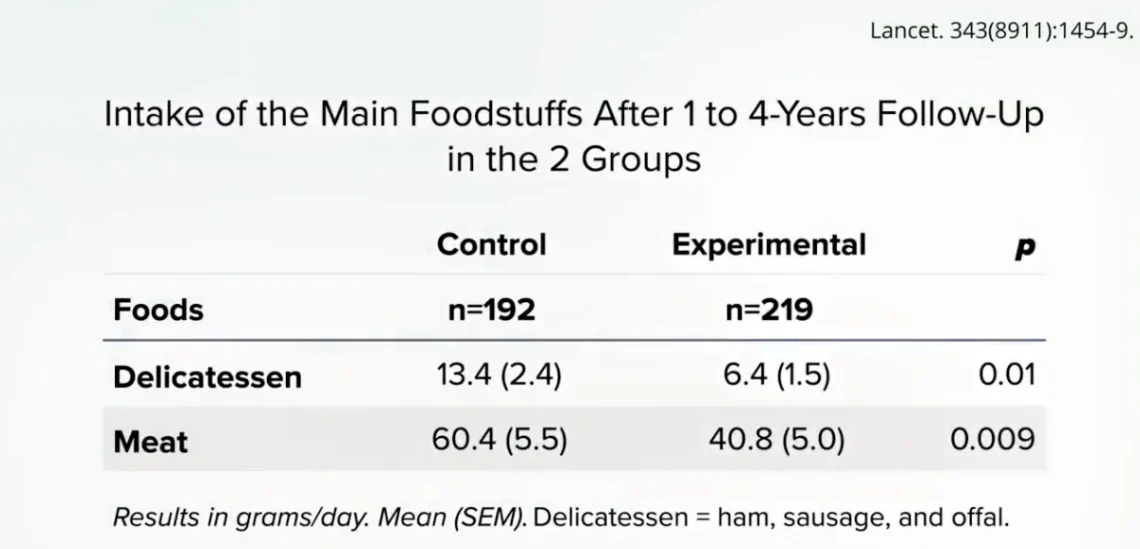
Furthermore, the meat panel systematically excluded cornerstone studies that demonstrated profound benefits from plant-based diets. For instance, the landmark Lyon Diet Heart Study, which randomized coronary heart disease patients to a Mediterranean-style diet featuring a significant drop in meat consumption, revealed a staggering 70% reduction in all-cause mortality compared to the control group. The panel dismissed this pivotal trial under the rationale that it reported "an implausibly large treatment effect"—effectively disqualifying the study because it worked too well.
Instead, the panel relied heavily on datasets like the Women’s Health Initiative, where participants achieved a minuscule reduction in meat intake amounting to roughly half an ounce per day (about one-fifth of a hamburger). Finding only modest health benefits from such a negligible dietary shift, the panel argued against major public health interventions. Critics countered that expecting massive health changes from microscopic dietary shifts is akin to expecting significant health improvements from reducing cigarette consumption from 24 to 20 cigarettes a day, and then declaring that smoking does not significantly impact health.
Official Responses and Industry Ties
The fallout from the NutriRECS papers triggered sharp reactions from academic bodies, independent physicians, and agricultural stakeholders alike.
Academic and Medical Rebuttals
Leading nutritional scientists and medical doctors organized swift institutional pushback. In public statements and published commentaries, they emphasized that the peer-reviewed consensus on the dangers of excessive red and processed meat intake remains robust. Dr. Dean Ornish famously remarked that dismissing small incremental risks from meat consumption ignores the cumulative nature of dietary exposure over a lifetime. Public health advocates stressed that the standards applied to the red meat studies would, if applied consistently, dismantle decades of consensus regarding physical inactivity, excessive alcohol consumption, and environmental toxins.
Industry Defenses and Institutional Partnerships
Conversely, representatives from the meat industry and affiliated agricultural bodies defended the research, praising the panel for injecting what they termed "rigorous methodological standards" into nutritional science. They argued that previous dietary guidelines relied too heavily on observational studies prone to confounding variables. However, investigative disclosures detailing the operational partnerships between certain panel members and organizations tied to heavy agricultural funding cast a long shadow over the perceived objectivity of the guidelines. Critics continually pointed out the inherent conflict of interest in allowing entities funded by the livestock sector to steer public health messaging.
Implications for Public Health and Nutritional Science
The 2019 red meat controversy transcends an academic dispute over dietary stats; it strikes at the very heart of how public health policy is formulated, funded, and communicated.
The Smoking Analogy Revisited
The parallels to historical corporate defense strategies remain one of the most compelling takeaways from this episode. Just as tobacco companies spent decades demanding randomized trials on smoking and lung cancer—trials that could never ethically be conducted—the modern meat debate highlights how industry-aligned groups can exploit the limitations of nutritional epidemiology. As a prophetic 1959 paper on smoking and lung cancer noted, if the mountain of evidence linking hazardous agents to disease were applied to a novel product without a multi-billion-dollar industry defending it, the conclusions would be deemed indisputable.
Dietary Substitution Matters
Another critical implication highlighted by subsequent analyses is that the health impact of reducing meat depends entirely on what replaces it. Simply swapping a red meat burger for an egg salad sandwich, for instance, does not confer the same longevity benefits as replacing animal protein with plant-based alternatives like legumes, nuts, and whole grains. Eliminating egg protein and animal fats in favor of fiber-rich plant proteins yields compounding benefits for lowering overall premature mortality.
Moving Forward
Ultimately, the controversy serves as a cautionary tale for consumers, policymakers, and journalists navigating the murky waters of nutritional science. As the public continues to grapple with conflicting headlines about what to put on their dinner plates, the medical community emphasizes the need for transparency, stringent management of conflicts of interest, and a commitment to viewing nutritional evidence through a holistic public health lens. When a dietary shift can potentially save hundreds of thousands of lives and drastically reduce the burden of chronic illness, framing the evidence as negligible does a profound disservice to public health.