Few culinary pairings are as universally revered as pasta and hard Italian cheese. From a rich, emulsified fettuccine Alfredo to a comforting bowl of tortellini in brodo, it is nearly impossible to imagine a classic Italian pasta dish without a generous snowfall of aged cheese grated over the top. Beyond pasta, hard cow’s milk cheeses serve as the centerpiece of charcuterie boards, pairing impeccably with fresh fruit, artisanal nuts, and robust cured meats.
In the United States, consumer demand for authentic Italian cheese continues to surge, with import volumes of traditional varieties growing year after year. However, this high demand comes with a significant price tag. True Parmigiano Reggiano—often hailed as the "King of Cheeses"—frequently commands upwards of $25 per pound at specialty grocers and supermarkets. For home cooks looking to balance gourmet aspirations with household budgets, this can make frequent indulgence a costly endeavor.
Enter Grana Padano. Often misunderstood as a mere "budget knockoff," Grana Padano is a deeply respected, Protected Designation of Origin (PDO) cheese in its own right. With a lower price point—typically ranging between $17 and $18 per pound—and a distinct, buttery flavor profile, this northern Italian treasure has earned the endorsement of top-tier culinary professionals worldwide.
The Main Facts: Understanding the Counterpart
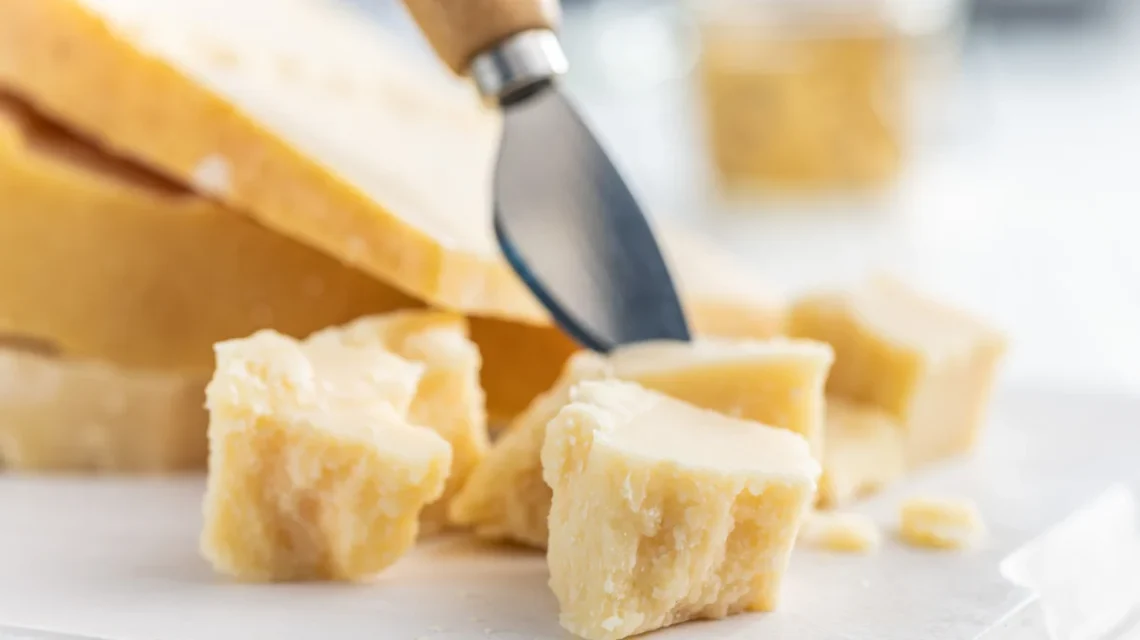
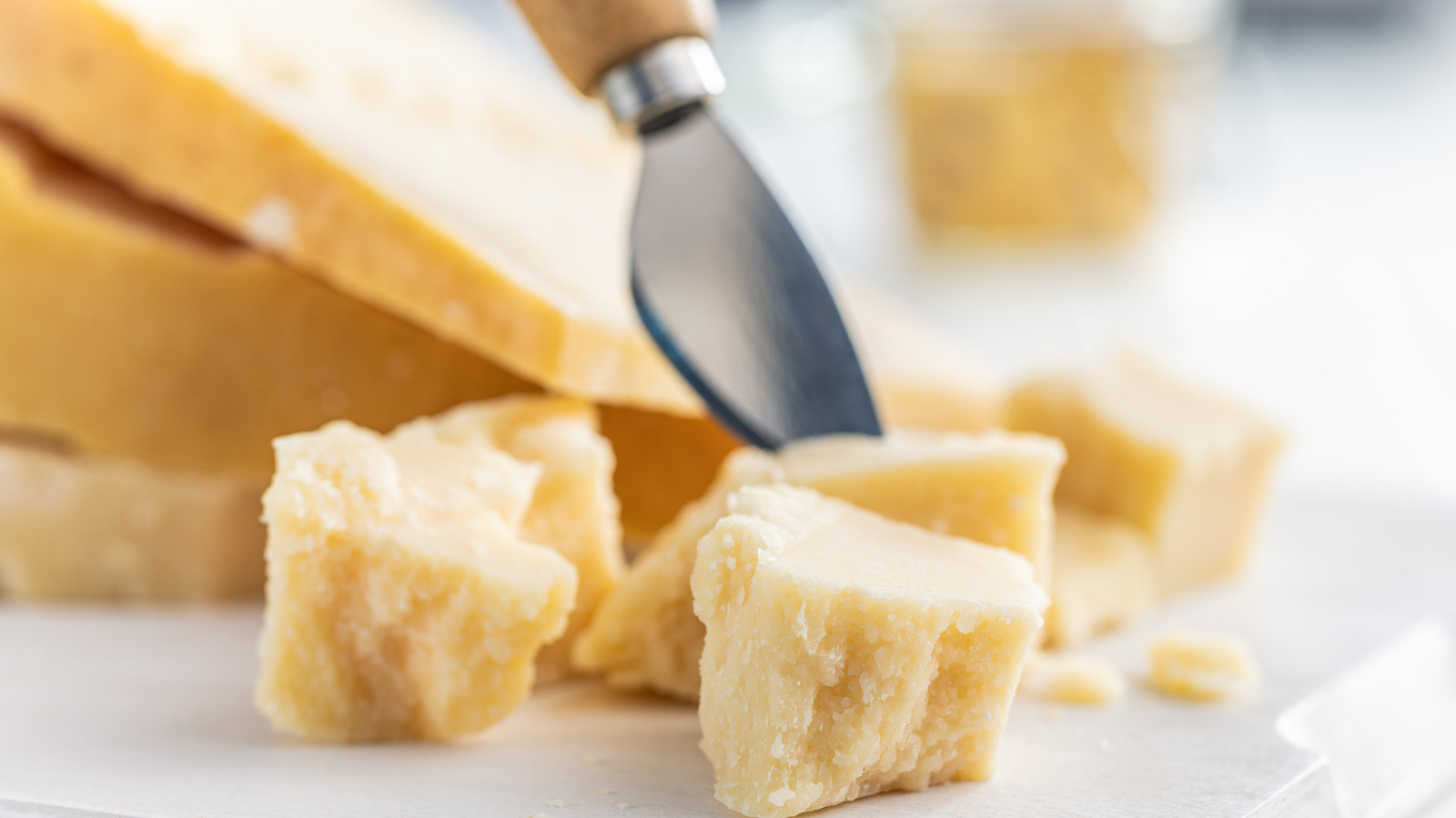
At first glance, a wheel of Grana Padano could easily be mistaken for Parmigiano Reggiano. Both feature a thick, branded rind, a pale yellow interior, and a deeply granular, crumbly texture. Both are hard, aged cow’s milk cheeses hailing from northern Italy, and both boast complex, nutty profiles enriched with savory umami crystals.
However, the similarities are governed by strict geographical and procedural differences. Parmigiano Reggiano is bound by rigorous DOP (Denominazione di Origine Protetta) regulations. It can only be produced within five specific Italian provinces: Parma, Reggio Emilia, Modena, Mantua (west of the Po River), and Bologna (east of the Reno River). Its production process is entirely natural and laborious, requiring a strict minimum aging period of 12 months—though many wheels are aged for 24, 36, or even 48 months—before passing a rigorous inspection by the Consorzio del Formaggio Parmigiano Reggiano.
Grana Padano, while also protected by strict European PDO laws, originates from a much larger geographical area spanning the Po River Valley across five regions of northern Italy, including Piedmont, Lombardy, Veneto, Trentino-Alto Adige, and Emilia-Romagna. Because its production zone is vast and its minimum aging period is shorter—starting at just nine months—producers can yield over 5 million wheels annually. This higher production volume and broader sourcing contribute directly to its more accessible price point for everyday consumers.
Chronology of Italian Hard Cheeses: A History of Preservation
To truly appreciate the relationship between Parmigiano Reggiano and Grana Padano, one must look back nearly a millennium to the innovations of medieval Italian agriculture.
The 12th Century: Monastic Innovation
The history of both cheeses begins in the Middle Ages within the monastic granges of the Po Valley. Cistercian and Benedictine monks sought a way to preserve surplus cow’s milk. By developing a technique to cook and salt curdled milk, they successfully created a hard, low-moisture cheese that could resist spoilage for months—or even years. This cheese became known as grana, derived from the Italian word grano, meaning "grain," due to its characteristic grainy texture.
The 17th Century: Codification of Origin
As trade expanded across Renaissance Italy, distinct regional styles began to emerge based on local terroir, cattle feed, and curing techniques. By the early 17th century, the cheeses produced around Parma and Reggio Emilia had developed a distinct reputation for exceptional quality, eventually laying the groundwork for what would become Parmigiano Reggiano. Meanwhile, the broader production of grana continued to flourish across the vast plains of the Po Valley, eventually evolving into the officially recognized Grana Padano.
1955–1996: Modern Protections and International Standards
As global markets expanded, the integrity of these traditional cheeses faced threats from mass-produced, imitation "parmesan" shakers sold in green plastic cylinders. In response, Italian cheesemakers sought legal frameworks to protect their heritage.
- 1955: Italy established official designations of origin for both cheeses.
- 1996: The European Union granted both Parmigiano Reggiano and Grana Padano official PDO (Protected Designation of Origin) status, legally restricting the names to authentic wheels produced under traditional methods within their designated geographical zones.
Supporting Data: Production, Pricing, and Profile Comparisons
When evaluating whether to swap Parmigiano Reggiano for Grana Padano, a close look at the data reveals clear functional and financial differences.
| Feature | Parmigiano Reggiano | Grana Padano |
|---|---|---|
| Origin Region | 5 provinces in Emilia-Romagna and Lombardy | 32 provinces across 5 northern Italian regions |
| Average Retail Price | ~$25.00+ per pound | ~$17.00 – $18.00 per pound |
| Minimum Aging | 12 months (frequently 24–36+ months) | 9 months (can be aged up to 20+ months) |
| Cattle Feed Regulations | Strictly fresh grass, local hay, and forage; no silage permitted | Permitted to consume high-quality fermented forage (silage) |
| Annual Production | ~3.9 to 4 million wheels | ~5 million+ wheels |
| Flavor Profile | Complex, sharp, savory, slightly tangy umami | Milder, butterier, fruitier, smoother finish |
The economic advantage of Grana Padano is clear, offering a savings of approximately 30% to 35% per pound. For institutional kitchens, restaurants, and home cooks preparing large batches of Italian comfort food, these margins accumulate quickly without sacrificing authenticity.
Official Perspectives: What Chefs and Consorziums Say
While budget-conscious shoppers initially gravitate toward Grana Padano for its wallet-friendly appeal, professional chefs frequently choose it for its technical culinary properties.
Renowned chef and "Top Chef" alumnus Fabio Viviani is among the high-profile culinary figures who actively advocate for Grana Padano in professional kitchens. Explaining his preference, Viviani noted, "I prefer it over other sharper, more aged cheeses like [Parmigiano] because it blends better with other ingredients."
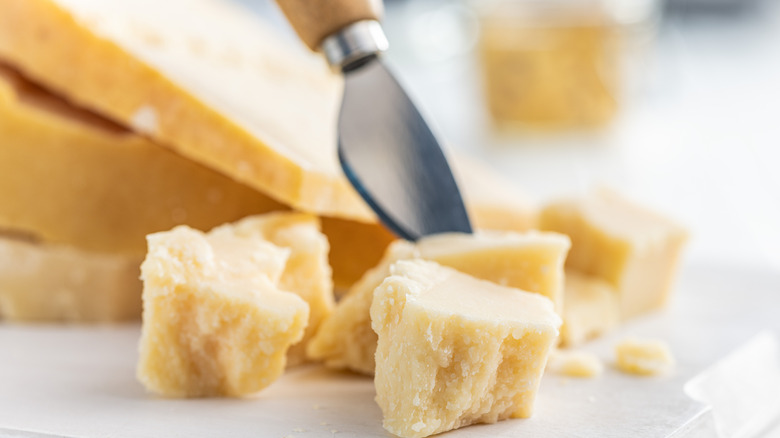
This sentiment is echoed across professional circles. Because Grana Padano features a slightly milder flavor profile and a softer, less crystal-heavy structure, it acts as a team player in complex recipes. Where an extra-aged Parmigiano Reggiano can sometimes dominate a dish with an intense, pungent salinity and sharp crunch, Grana Padano integrates smoothly into sauces, risottos, and stuffings without overpowering delicate components.
Representatives from the Consorzio Tutela Formaggio Grana Padano emphasize that the cheese is not a compromise, but a distinct masterpiece. The consortium points out that the inclusion of silage in the cattle’s diet introduces specific microfloral elements that yield a softer, sweeter butterfat profile during the nine-month aging process. This creates a melt-in-the-mouth quality that many pastry and sauce chefs actively prefer over the dry, crumbly bite of long-aged Parmigiano.
Implications for Consumers and the Global Market
The rising popularity of Grana Padano as a preferred alternative to Parmigiano Reggiano highlights shifting consumer habits in the post-inflationary global food market. As grocery prices climb, consumers are increasingly willing to look past marketing prestige and explore authentic, traditional alternatives that offer comparable quality at a lower cost.
1. Democratizing Gourmet Cooking
The accessibility of Grana Padano ensures that home cooks do not need to break the bank to prepare authentic, high-quality Italian meals. By utilizing a certified PDO cheese at a fraction of the cost, households can incorporate traditional European techniques into weeknight dinners—from finishing a creamy risotto to grating over roasted vegetables.
2. Protecting Traditional Agriculture
Choosing Grana Padano over generic, non-PDO "parm" shakers supports sustainable, regulated agricultural practices in Europe. Both cheeses fund the livelihoods of generational dairy farmers and cheesemakers in northern Italy, ensuring that traditional craftsmanship survives against industrial, mass-produced dairy substitutes.
3. Expanding Culinary Horizons
As food media and professional chefs continue to champion Grana Padano for its unique melting properties and buttery flavor, the culinary world is moving away from the rigid notion that higher price automatically equates to a superior ingredient. Instead, cooks are learning to match the specific cheese to the specific dish—pairing the sharp crunch of a 36-month Parmigiano Reggiano with a rustic honey-and-walnut cheese board, while reserving the smooth, buttery charm of Grana Padano for emulsifying a silky, flawless cacio e pepe or carbonara.
Ultimately, both cheeses stand as monumental achievements in dairy history. By understanding their distinct differences, culinary enthusiasts can enjoy the best of northern Italy’s cheesemaking tradition while keeping both their palates and their wallets fully satisfied.