By Paul Clarke
September 24, 2026
As thousands of bars and hospitality venues worldwide once again roll out the crimson carpets for Negroni Week, the cocktail canon finds itself dominated by the unmistakable, bittersweet allure of one iconic drink. Across the globe, an astronomical number of Negronis—alongside an evolving family of creative riffs and contemporary interpretations—are being poured to celebrate the occasion.
Yet, amid the shifting trends of modern mixology, true connoisseurs recognize that we are not simply talking about a Negroni; we are talking about THE Negroni. It is a cocktail of such deceptive simplicity and enduring elegance that it functions as a foundational pillar for the entire modern beverage landscape. Standing shoulder-to-shoulder with the Manhattan, the Martini, the Old Fashioned, and the Daiquiri, the Negroni belongs to that elite pantheon of three-ingredient masterpieces that form the bedrock of cocktail civilization.
Main Facts: Anatomy of a Modern Icon
At its core, the classic Negroni is a masterclass in minimalist balance. Relying on an equal-parts formula, the traditional build requires:
- 1 oz. Gin: Providing the botanical backbone and structural proof.
- 1 oz. Campari: Delivering the unmistakable vibrant red hue, along with a complex profile of bitter herbs, aromatic plants, and fruit.
- 1 oz. Sweet Vermouth: Adding a rich, herbaceous sweetness that rounds out the sharper edges of the spirits.
Preparation & Presentation:
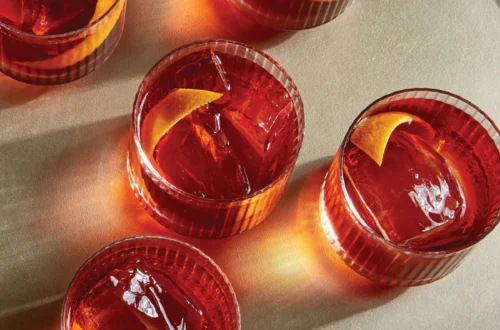
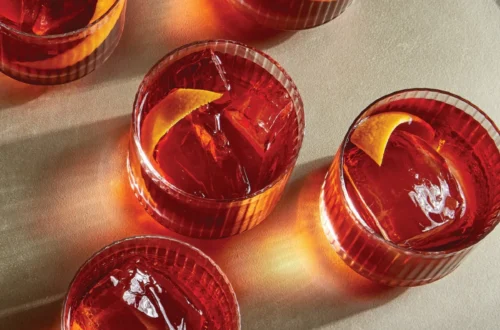
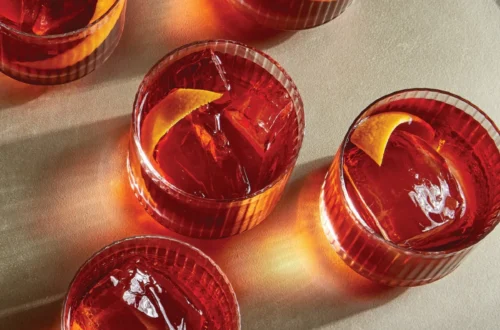
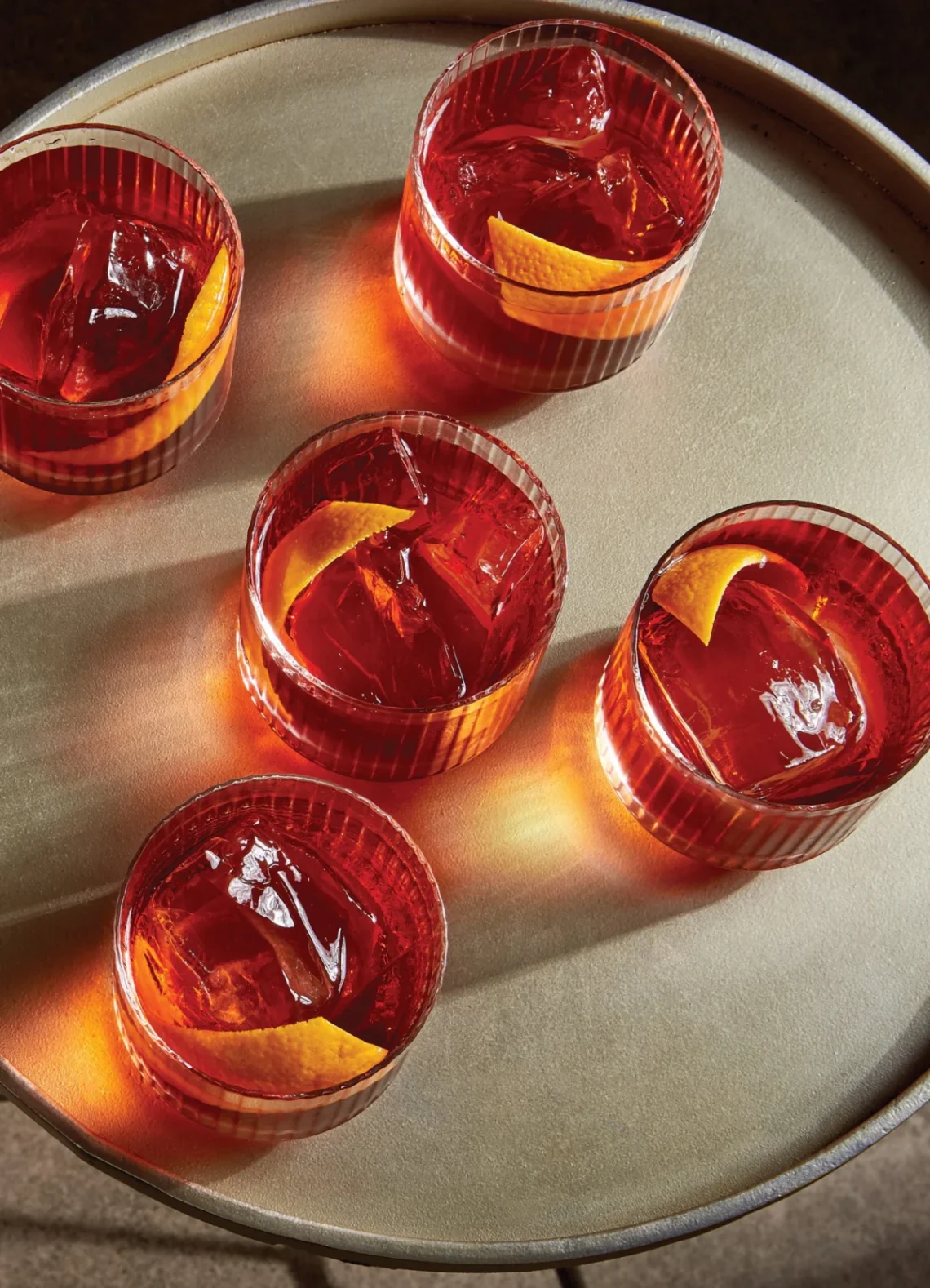
The drink is traditionally stirred with ice to achieve optimal dilution and chilling, then strained into a rocks glass filled with fresh ice—ideally a single, crystal-clear large format cube. It is finished simply with an orange slice or an expressed orange twist, which releases essential oils that lift the heavier, bitter aromas on the nose.
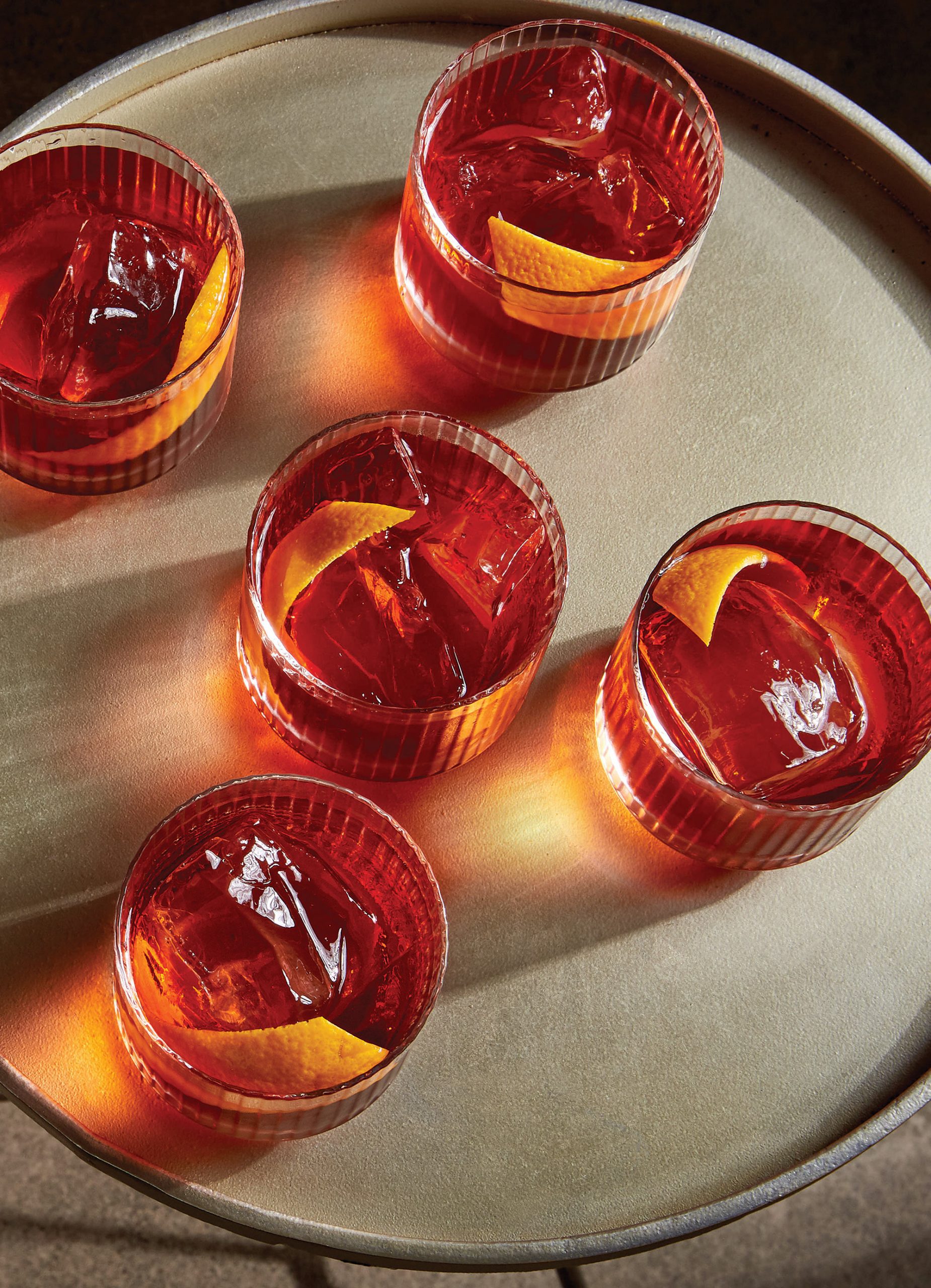
What sets the Negroni apart from its historical peers is not just its recipe, but its revolutionary philosophy regarding flavor profiles. Before the advent of the Negroni, bitterness in cocktail culture was largely treated as an accent note. Bitters were traditionally dashed sparingly into an Old Fashioned to temper the sugar, or they rode quietly alongside sweetness in the fortified wines of a Manhattan.
The Negroni changed the paradigm entirely by elevating bitterness from a supporting player to an equal co-star. By sharing the stage with gin and vermouth, bitterness was thrust directly into the spotlight, permanently altering how contemporary bartenders and drinkers conceptualize balance behind the bar.
Chronology: The Evolution of a Bitter Masterpiece
To understand the enduring dominance of the Negroni, one must trace its journey from a localized Italian aperitivo to a global cultural phenomenon.
- The Early 20th Century (Origins): While historical narratives vary, cocktail lore widely attributes the creation of the drink to Florence, Italy, around 1919. Legend has it that Count Camillo Negroni asked his bartender, Fosco Scarselli, at Caffè Casoni to strengthen his favorite drink—the Americano (Campari, sweet vermouth, and club soda)—by replacing the soda water with gin.
- The Mid-to-Late 20th Century (The Quiet Stalwart): For decades, the Negroni remained a beloved insider’s drink among bartenders and European travelers, even as tropical tiki drinks and vodka-heavy concoctions dominated American mainstream bar culture.
- The 2010s (The Craft Cocktail Boom & Negroni Week): As the global craft cocktail revival took root, the Negroni experienced a massive resurgence. A major turning point occurred in 2013 with the launch of Negroni Week, an initiative that united the hospitality industry behind a shared love for the drink while raising funds for charitable causes.
- Present Day (The Reign of Riffs): Today, the classic framework has served as a launchpad for countless innovations. From the whiskey-swapped Boulevardier to the rum-forward Kingston Negroni, the cocktail continues to adapt while maintaining its core identity.
Supporting Data: The Global Footprint of Negroni Week
The cultural and economic impact of the Negroni can be measured not just in glasses poured, but in its massive philanthropic footprint. Through its ongoing partnership with organizations like Slow Food, Negroni Week has transformed a simple bar call into a global movement of hospitality activism.
- Participating Venues: Thousands of establishments across more than 60 countries actively participate annually, making it one of the largest single-event charitable partnerships in the hospitality industry.
- Economic Impact: The surge in demand for Italian amari, craft gins, and premium sweet vermouths during the autumn months drives significant revenue for both multinational spirits conglomerates and local craft distilleries.
- Consumer Preferences: While the traditional 1:1:1 equal-parts ratio remains the gold standard for purists, modern consumer data indicates a growing appetite for modified proportions—such as contemporary builds that step up the gin to 1 ½ ounces—proving that drinkers are increasingly confident in tailoring the classic blueprint to their personal palates.
Official Perspectives: The Philosophy Behind the Pour
Industry leaders and professional mixologists view the Negroni not merely as a drink recipe, but as a litmus test for bar craftsmanship. Because the cocktail relies on just three ingredients with zero dilution hiding behind fruit juices or heavy syrups, every component must be chosen with absolute precision.

"What we’re talking about here isn’t A Negroni. It’s THE Negroni," notes spirits writer and cocktail historian Paul Clarke. "It’s a cocktail of such iconic, yet simple stature that it functions as a key supporting structure for the entire cocktail canon."
Furthermore, modern bartenders emphasize the flexibility of the template. As the cocktail landscape matures, professionals encourage home enthusiasts to experiment with local botanical gins, artisanal vermouths, and regional bitter liqueurs.
"This is the old-school, equal-parts version—how I mix Negronis at home," Clarke explains. "But maybe you prefer a more contemporary take, stepping up the gin, or tweaking the proportions of vermouth and Campari to your taste. In that case, as the saying goes, you do you."
Implications: How the Negroni Shaped Modern Palates
The rise, fall, and spectacular resurrection of the Negroni carry profound implications for the global beverage and culinary industries.
1. The Mainstreaming of Bitter Profiles
The most significant impact of the Negroni’s global dominance is the wholesale transformation of consumer palates. For generations, mass-market food and beverage products leaned heavily into sweet and salt profiles. By forcing bitterness into the spotlight, the Negroni paved the way for the broader consumer embrace of bitter greens, craft beers with aggressive hop profiles, amari digests, and low-ABV bitter aperitifs.
2. The Rise of Purpose-Driven Hospitality
Negroni Week demonstrated that the bar community possesses immense collective power to drive social and environmental change. By tying the enjoyment of a luxury good to charitable fundraising—specifically supporting sustainable agriculture and food equity through Slow Food—the event set a new standard for how brand partnerships and hospitality events can engage socially conscious consumers.
3. A Blueprint for Minimalist Mixology
In an era where some high-end cocktail bars lean toward theatrical presentation, complicated clarifications, and sprawling lists of house-made cordials, the Negroni stands as a powerful reminder of the elegance of simplicity. It proves that a drink requiring no specialized laboratory equipment or extensive prep time can achieve timeless, universal appeal.
Conclusion
Whether enjoyed at a bustling sidewalk café in Rome, a dimly lit craft cocktail den in New York, or mixed quickly at home on a Friday evening, the Negroni remains a masterpiece of balance and restraint. As we celebrate another year of Negroni Week, we raise our glasses not just to a drink, but to a cultural touchstone that permanently enriched the way the world tastes, mixes, and gathers.