By Investigative Health Desk
We are only as old as our arteries. While aging is an inevitability of human biology, the speed at which our cardiovascular and respiratory systems degrade is heavily dictated by lifestyle choices. Poor dietary habits, coupled with a sedentary lifestyle, initiate a cascade of adverse cellular aging processes. At the microscopic level, these habits impair the function of mitochondria—the power plants of our cells—leading to a surge in free radical formation, oxidative stress, and chronic inflammation. Over time, this cumulative damage results in endothelial dysfunction, paving the direct path toward cardiovascular disease, the leading cause of mortality worldwide.
The human body is remarkably resilient, yet it is profoundly vulnerable to acute nutritional insults. Decades of nutritional science have revealed an unsettling truth: the damage caused by an unhealthy diet does not take decades to manifest. In fact, it can begin mere hours after swallowing a single high-fat meal.
Main Facts: The Immediate Toll of Dietary Fat
The human body spends a significant portion of its daily existence in the postprandial—or post-meal—state. For the average individual, this metabolic state consumes roughly 16 hours a day. During these extended windows, the body processes recently ingested nutrients, shifting hormonal balances and triggering various physiological reactions.
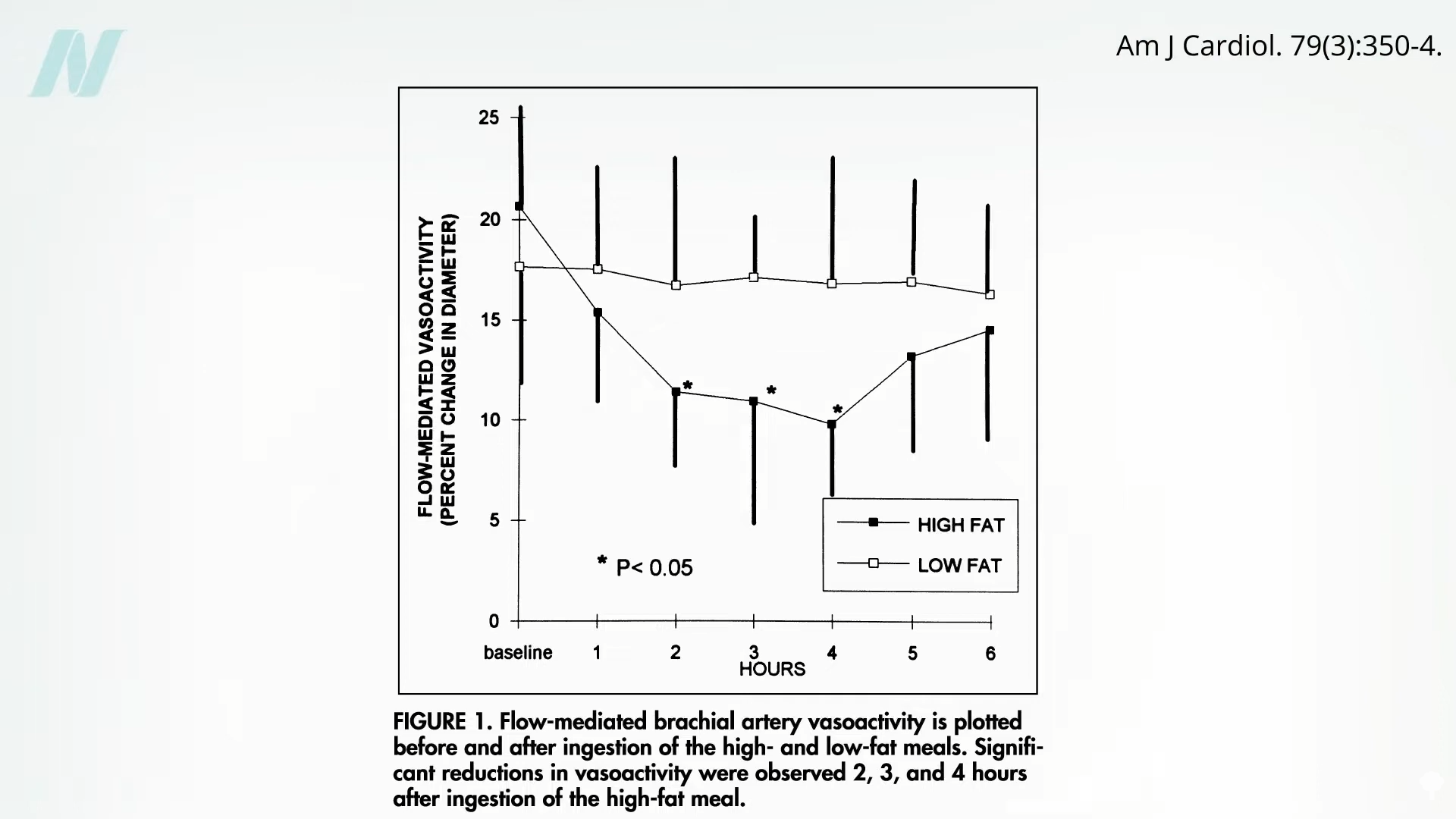
When that meal is high in saturated fat and refined ingredients, the postprandial state becomes an arena of biological stress. Landmark clinical research demonstrates that consuming a single high-fat meal can critically impair artery function within hours of consumption. Conversely, low-fat meals do not produce this immediate dysfunction.
The implications extend far beyond the cardiovascular system. Recent clinical findings highlight that high-fat dietary challenges also provoke acute inflammation within the respiratory tract, impairing lung function and reducing the efficacy of critical medical treatments like asthma inhalers.
Chronology: A Timeline of Post-Meal Cellular Distress
To understand how rapidly dietary choices alter physiology, researchers have tracked the body’s internal response across a precise timeline following the consumption of fast-food staples, such as sausage and egg breakfast sandwiches or heavily processed pizzas.
Hour Zero to Two: The Absorption Phase
Immediately following consumption, triglycerides and lipoproteins flood the bloodstream. Fat particles circulate heavily, altering the viscosity of the blood and initiating endothelial irritation. Simultaneously, markers of systemic inflammation begin to tick upward.
Hour Three to Four: The Inflammatory Spike
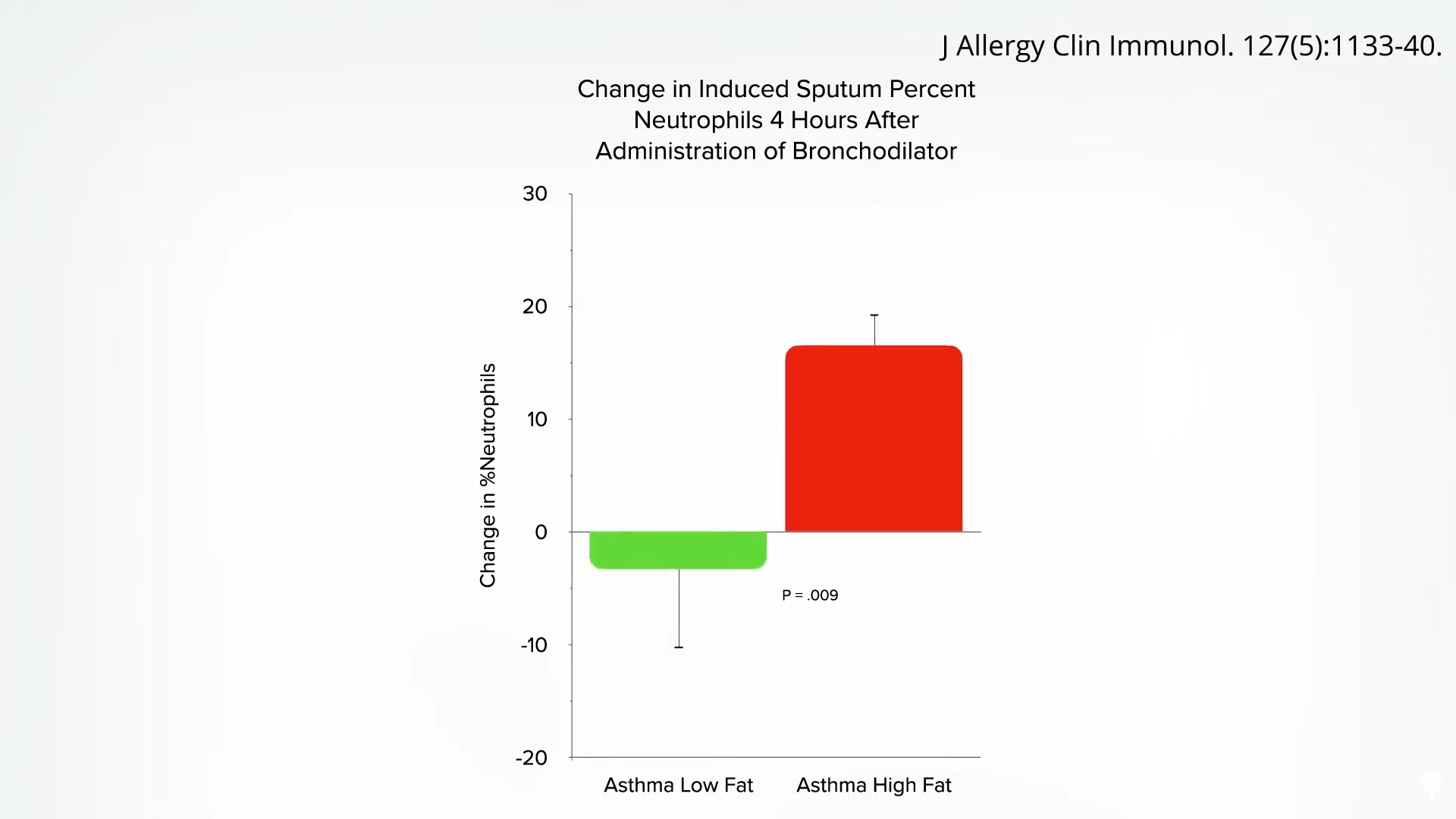
By the fourth hour post-meal, distinct cellular changes occur in both the vascular and respiratory systems. In pulmonary studies, individuals who consume a high-fat challenge—such as a fast-food breakfast bowl—exhibit a dramatic surge in inflammatory cells within their lungs. This response is observed not only in patients diagnosed with chronic asthma, but remarkably, in healthy individuals without prior respiratory conditions.
Simultaneously, blood tests reveal a doubling in the uptake of pro-oxidized LDL cholesterol by white blood cells. These cells transform into foam cells, which accumulate within arterial walls to form the inflamed lesions characteristic of early-stage atherosclerosis.
Hour Five to Six: The Lunchtime Accumulation
Just as the body’s arterial and pulmonary systems finally begin to recover from the morning’s metabolic assault, lunchtime arrives. Many individuals subject their bodies to a recurring cycle of meat, dairy, eggs, and processed oils. This constant re-exposure locks the body into a perpetual state of postprandial inflammation, hammering the cardiovascular system for the majority of the waking day.
Supporting Data: Dissecting the Clinical Evidence
Clinical investigations into postprandial stress have systematically isolated the components responsible for acute bodily inflammation.
Controlling for Carbohydrates vs. Fats
In early landmark experiments, researchers evaluated the distinct effects of high-fat versus low-fat meals. The high-fat test meals typically featured items like fast-food sausage and egg biscuits. Critics initially questioned whether the detrimental vascular effects were caused by the meat, the cheese, or the refined carbohydrates found in the biscuits.
To test this, researchers utilized a control meal consisting of a sugary, carbohydrate-heavy bowl of frosted breakfast cereal. While nutritionally dubious, the low-fat, high-sugar meal did not impair acute artery function. The evidence pointed squarely toward the heavy fat content as the primary catalyst for vascular damage.
Pulmonary Impact and Inhaler Failure
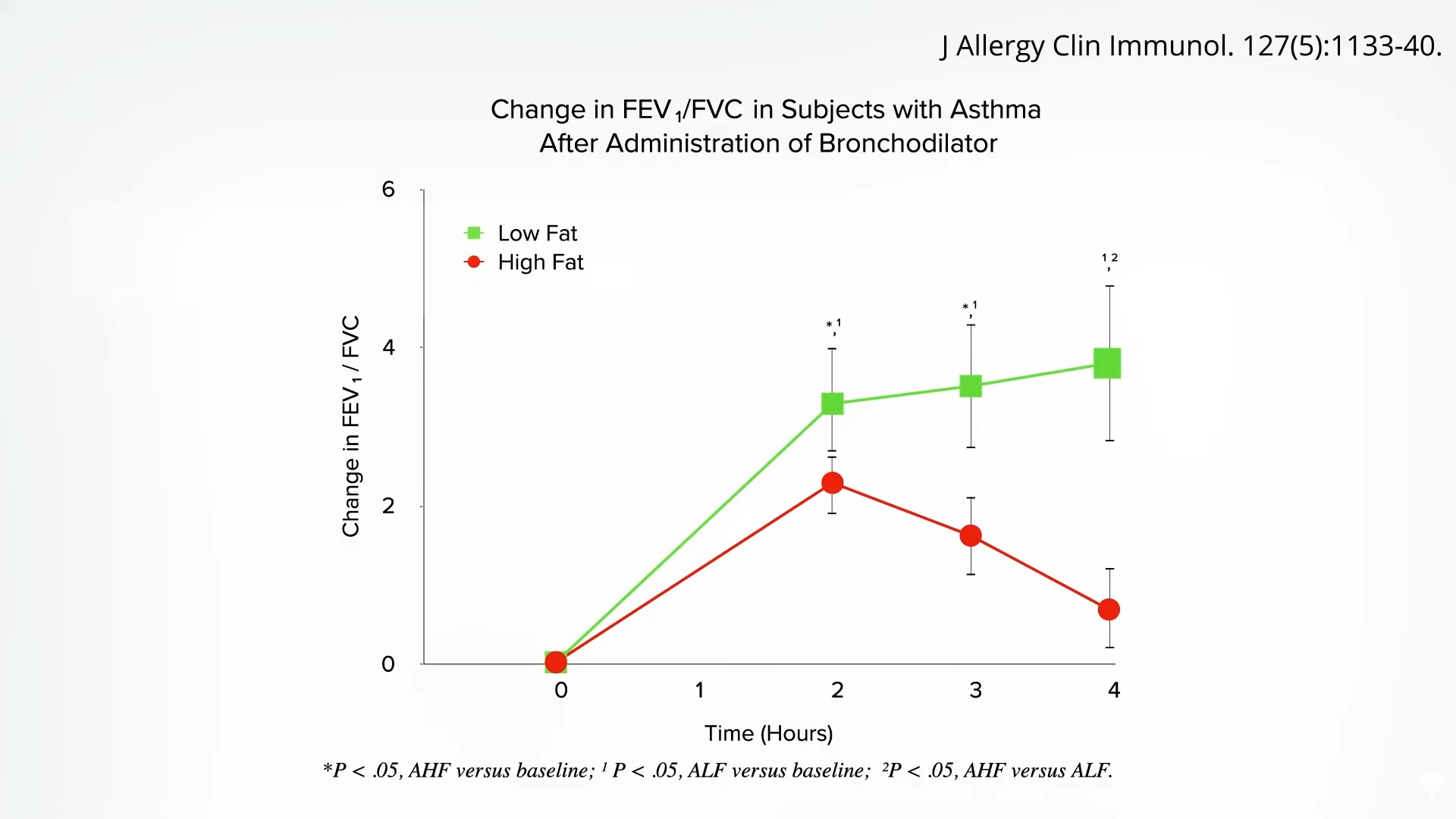
The reach of postprandial inflammation extends directly into the lungs. Clinical trials assessing airway resistance in asthma patients revealed that a high-fat challenge significantly increases airway inflammation and impairs bronchodilator recovery.
When participants were administered standard rescue doses of albuterol via inhaler, their airways dilated as expected following a low-fat meal. However, following a high-fat meal, the identical medication doses failed to maintain open airways, losing effectiveness within hours due to the overwhelming presence of diet-induced lung inflammation.
The Endotoxin Debate: Bacteria vs. Fat
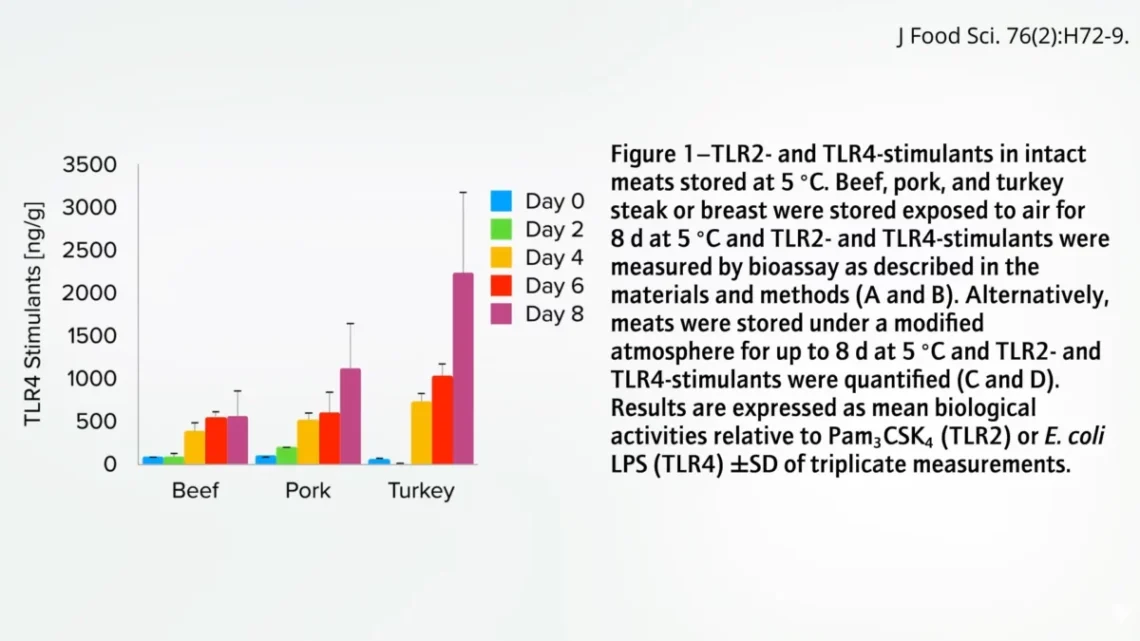
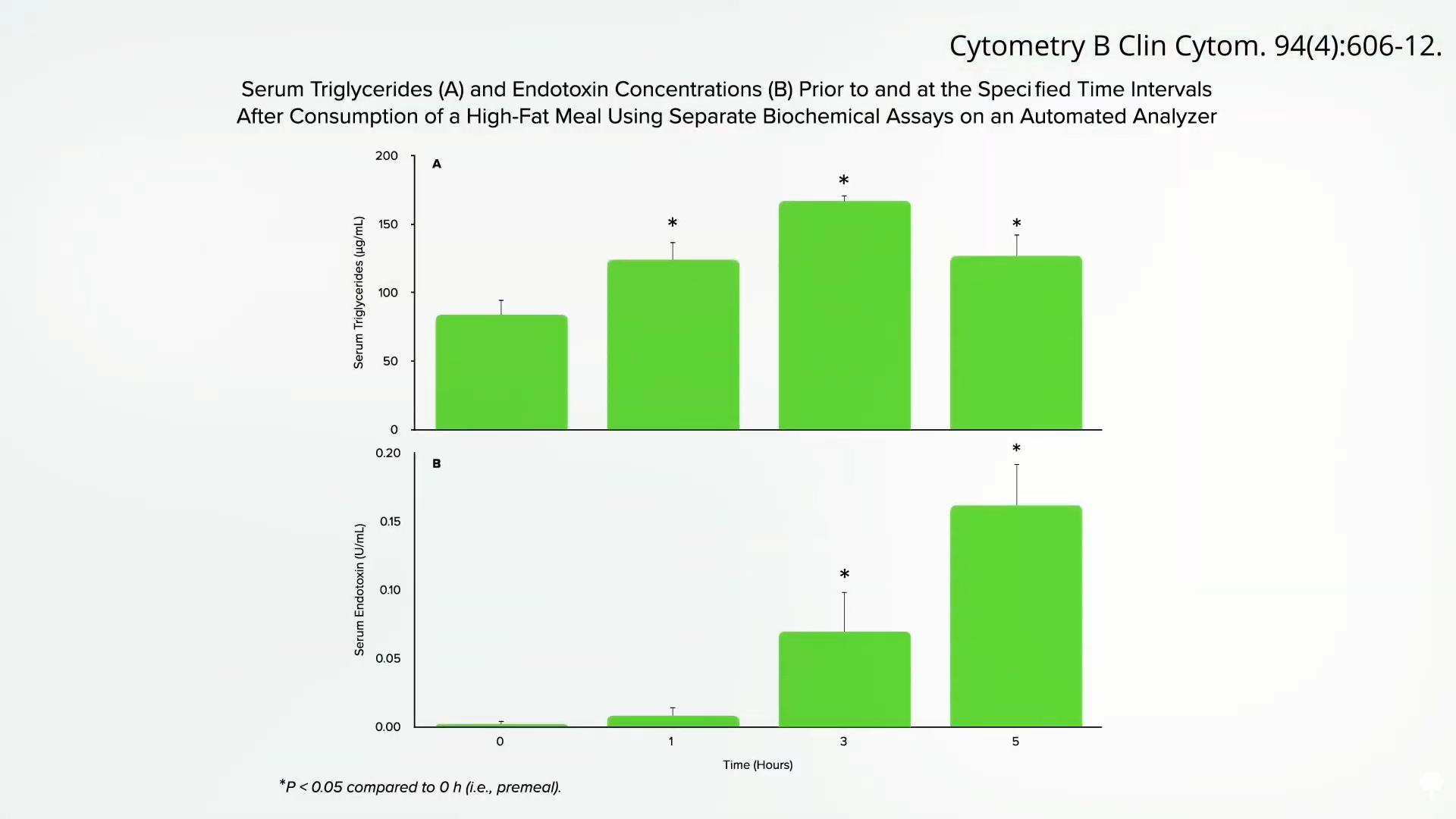
For years, scientists debated the precise mechanism driving this acute inflammatory response. Some researchers pointed toward endotoxins—components of bacterial cell walls frequently found on heavily contaminated red and white meats. Because raw and cooked animal products can harbor live and dead bacteria, meals containing these ingredients introduce circulating endotoxins into the bloodstream, triggering an immune response.
However, more recent landmark research published in the medical literature suggests that dietary fat itself may be the direct driver. The saturated fats floating in the bloodstream following a heavy, unhealthful meal appear capable of inducing cellular inflammation directly, independent of bacterial contamination. Whether triggered by endotoxins, direct lipid toxicity, or a combination of both, the physiological toll remains consistent.
Official Responses and Medical Perspectives
The medical community has increasingly shifted its focus toward postprandial metabolic health as a critical window for preventing chronic disease. Cardiologists and pulmonologists emphasize that traditional risk factor assessments—such as fasting lipid panels—tell only part of the story, as they fail to capture the 16 hours of daily metabolic turbulence caused by standard dietary patterns.
Public health organizations and preventative medicine specialists continue to advocate for dietary shifts emphasizing whole-food, plant-based nutrition to mitigate chronic systemic inflammation. While the food industry frequently promotes studies questioning the long-term harms of specific fats (such as the popular discourse surrounding butter and dairy), independent clinical researchers maintain that acute vascular and pulmonary impairment following high-fat meals represents an unmistakable physiological warning sign.
Implications: Re-evaluating Meal-by-Meal Choices
The scientific consensus emerging from decades of postprandial research carries profound implications for daily living. Chronic metabolic disease is not merely the result of genetic predisposition or long-term neglect; it is constructed meal by meal, choice by choice.
Every time an individual consumes a meal overloaded with saturated fats and heavily processed ingredients, they initiate a temporary yet damaging cycle of oxidative stress, arterial stiffening, and pulmonary inflammation. Over thousands of meals across a lifetime, these acute episodes compound into irreversible cardiovascular and respiratory decline.
Understanding the vulnerability of the postprandial state empowers individuals to take control of their long-term health outcomes. By opting for nutrient-dense, low-fat, fiber-rich alternatives, people can protect their endothelial function, preserve respiratory health, and dramatically reduce their risk of becoming part of global cardiovascular statistics.