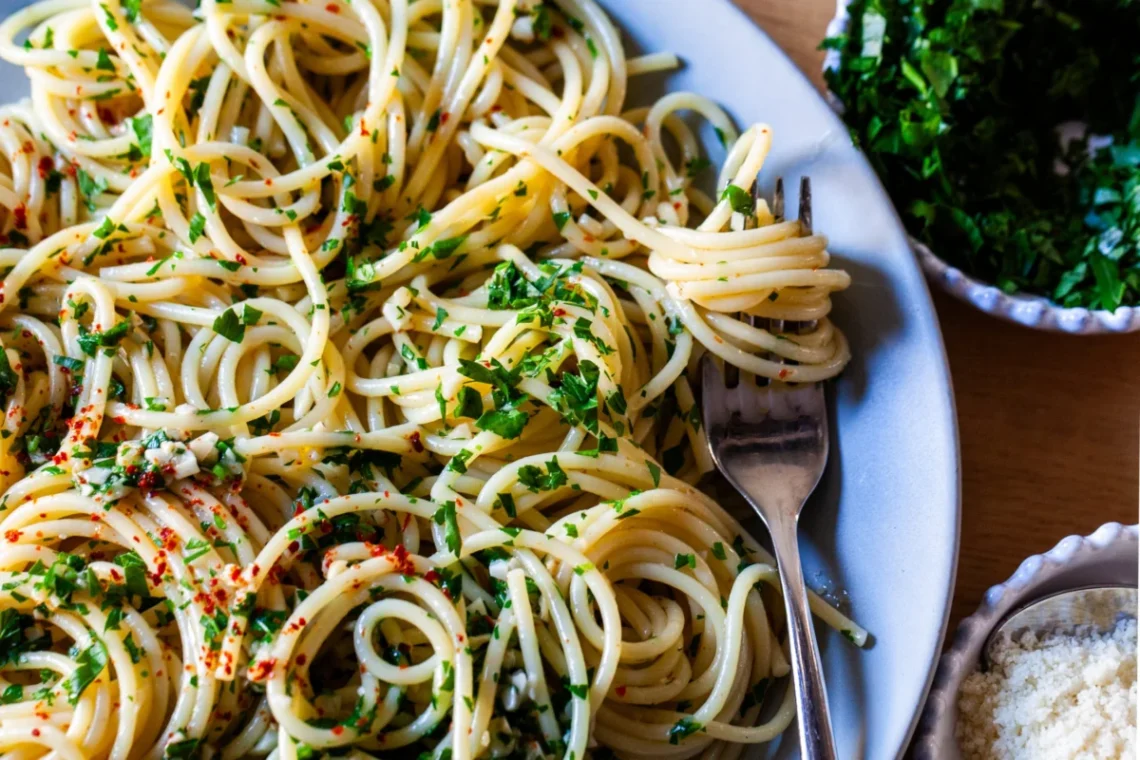
In the perpetual balancing act of modern life, the intersection of dwindling energy reserves, sparse pantry inventories, and the fundamental human need for sustenance often results in a familiar culinary compromise. We look around the kitchen, assess our depleted stores of mental and physical bandwidth—or, as one might delicately explain to an inquiring family member before abruptly forfeiting future dinner invitations, the absolute bottom of our emotional "bucket of fudge"—and resort to the ultimate culinary fallback: boiling a pot of spaghetti, tossing it with garlicky olive oil, and calling it a day.
While it frequently masquerades as a desperate act of kitchen exhaustion, this minimalist masterpiece has an official, centuries-old pedigree. It is known the world over as spaghetti aglio e olio. And there is arguably no season quite like the grueling dog days of summer—or those particularly humbling stretches spent grappling with the mysteriously under-equipped kitchen of a vacation rental property—to remind us of a profound culinary truth. It matters very little how many complex techniques you have mastered, or how many Michelin-aspiring recipes you keep in your mental rolodex. Nothing possesses the hypnotic, universal power to rouse tired beachgoers from their lethargy, coax teenagers away from their glowing screens, and draw household members around the corner with wide-eyed, piqued interest quite like the aromatic wizardry of garlic gently sizzling in high-quality olive oil.
“Ooh, what smells so good?”
It is a universal siren song, an olfactory magic trick executed with just a handful of pantry staples. Yet, despite its profound effectiveness, aglio e olio is astonishingly easy to forget about during the busier, more complicated months of the year. This makes its rediscovery feel less like a routine meal and more like finding a twenty-dollar bill in a winter coat you haven’t worn since last season.

Main Facts: Stripping Cooking Down to Its Barest, Most Delicious Essentials
Originating from the sun-drenched coastal city of Naples, Italy, spaghetti aglio e olio translates literally to "spaghetti with garlic and oil." It is the crown jewel of cucina povera—the traditional Italian style of peasant cooking characterized by resourcefulness, humility, and the transformation of cheap, everyday ingredients into food of transcendent flavor.
The anatomy of a classic aglio e olio is deceptively simple, requiring only a short list of components that most home cooks already have resting in their pantries:
- Spaghetti: A long, strand-like pasta that provides the ideal surface area to catch the glossy, emulsified sauce.
- Extra Virgin Olive Oil: The foundational fat and primary flavor carrier; because the ingredient list is so short, the quality of the oil matters immensely.
- Garlic: Thinly sliced or minced, providing a pungent, savory backbone that mellows and sweetens as it infuses the warm oil.
- Red Pepper Flakes (Peperoncino): A touch of heat to cut through the richness of the oil and awaken the palate.
- Fresh Parsley: Added at the very end for a pop of herbaceous color and fresh, grassy contrast.
- Pasta Cooking Water: The invisible hero of the dish, containing starches that bind oil and water into a cohesive, velvety emulsion.
Despite requiring virtually no advanced culinary degree or specialized equipment, aglio e olio yields a disproportionately high amount of gastronomic joy. It is a masterclass in how minimalism in the kitchen, when executed with care and attention to technique, can easily rival the complexity of dishes that take hours to prepare.
Chronology: The Evolution of a Neapolitan Staple
To understand the enduring legacy of spaghetti aglio e olio, one must trace its journey from the bustling streets of southern Italy to the modern global kitchen.

The Origins in Naples
Centuries ago, Naples was one of the most densely populated cities in Europe, home to a massive working-class population known as the lazzaroni. Struggling under economic hardship, these urban working families relied on cheap, accessible foods. Pasta, which had transitioned from a luxury item to a mass-produced staple in the region, became the foundation of the local diet. Olive oil and garlic—abundant across the Mediterranean basin—were cheap, durable, and packed with energy and flavor. Combined, they formed a meal that was sustaining, inexpensive, and deeply satisfying.
The Mid-Century Global Diaspora
As waves of Italian immigrants left southern Italy in the late 19th and mid-20th centuries, they carried their culinary traditions with them across the Atlantic and beyond. While some complex regional dishes required ingredients that were difficult to source abroad, aglio e olio traveled light. It required no imported Italian tomatoes, rare cheeses, or specialized butchers; a clove of garlic, a bottle of oil, and a box of dried pasta were all one needed to recreate a literal taste of home.
The Modern Back-Pocket Classic
In contemporary gastronomy, aglio e olio has cemented its status as the ultimate "back-pocket recipe." Over decades of home-cooking evolution, it has survived the rise of processed convenience foods, the wave of complicated multi-step food television recipes, and the modern burnout epidemic. Whenever cultural cycles swing back toward simplicity, aglio e olio experiences a massive resurgence, embraced by tired parents, cash-strapped college students, and professional chefs alike who simply want to eat well without washing a dozen pots.
Supporting Data and Culinary Mechanics: The Science of the Sizzle
While the ingredient list for aglio e olio can be counted on one hand, the success of the dish relies heavily on specific thermodynamic and chemical processes. It is a dish where technique completely dictates outcome.

The Cold-Start Secret
One of the most common pitfalls when cooking garlic is burning it. Garlic contains sugars and sulfur compounds that scorch rapidly at high temperatures, turning an acrid, bitter brown that ruins an entire dish.
To prevent this, master home cooks and Italian grandmothers alike swear by a counterintuitive technique: the cold pan start. Rather than heating the olive oil first and dropping the garlic into a hot skillet, the sliced garlic and red pepper flakes are combined with the cold olive oil in a room-temperature pan. Only then is the heat turned up to medium. This allows the temperature of the oil to rise gradually, gently drawing out the garlic’s aromatic oils and infusing the fat evenly as the garlic slowly, steadily turns a pale, golden blonde.
The Magic of Pasta Water
Perhaps the most crucial scientific element of aglio e olio is the intelligent use of pasta cooking water. When spaghetti boils, it releases starches into the water. By scooping out a cup of this starchy liquid just before draining the pasta, the cook secures a vital emulsifying agent.
When the drained pasta is tossed back into the warm pan with the garlic oil and a splash of that reserved water, vigorous stirring encourages the oil and water to bond. The starch acts as a bridge, preventing the oil from separating and pooling at the bottom of the bowl. The result is a glossy, velvety emulsion that hugs every single strand of spaghetti, creating a rich mouthfeel without adding dairy or heavy creams.

Official Responses and Culinary Perspectives
Chefs, food historians, and exhausted home cooks across the globe share a remarkably unified stance when it comes to the cultural and psychological value of spaghetti aglio e olio.
- Food Historians: Scholars of Italian cuisine emphasize that aglio e olio represents the true soul of Mediterranean cooking. Historian Massimo Montanari often notes that Italian cuisine derives its brilliance not from luxury, but from the intelligent manipulation of humble ingredients. Aglio e olio is frequently cited as the purest expression of this philosophy.
- Professional Chefs: While upscale restaurants frequently reinvent pasta with truffles, sea urchin, and handmade squid-ink cavatelli, many professional chefs confess that aglio e olio remains their favorite late-night staff meal. It cleanses the palate, requires minimal cleanup, and delivers immediate comfort after a grueling twelve-hour shift on the line.
- The Home Cook Consensus: Across culinary forums, social media food communities, and family dining tables, the response is overwhelmingly affectionate. It is widely hailed as a culinary safety net—a dish that refuses to judge its maker for lacking the energy to roast a chicken or chop a mirepoix.
Implications: Reclaiming Simplicity in a Complex World
The enduring popularity of spaghetti aglio e olio carries a broader philosophical implication for how we approach modern domestic life, particularly during the grueling, high-temperature weeks of late summer.
We live in an era characterized by an endless push toward optimization. From elaborate meal-prepping routines and hyper-curated dinner party aesthetics to the relentless pursuit of culinary perfection showcased on social media, the kitchen can often feel like a high-pressure zone where we are constantly failing to measure up.
Aglio e olio pushes back against this cultural anxiety with quiet, aromatic defiance. It reminds us that good food does not need to be complicated, expensive, or exhausting. It whispers that taking shortcuts is not a moral failing, but an act of self-preservation.

As we navigate the dog days of August—a time traditionally set aside for slowing down, working less hard both inside and outside the workplace, and reclaiming our peace of mind—dishes like aglio e olio offer a much-needed sanctuary. Whether you choose to eat it completely plain with a crisp side salad, toss in a handful of roasted vegetables that were lingering on their last legs in the crisper drawer, or crown it with a generous pile of lemony grilled shrimp or chicken thighs (and yes, despite what purists might argue, occasionally dusting the top with a handful of Parmigiano-Reggiano, because your house, your rules), this humble Neapolitan masterpiece remains an invaluable companion.
So consider this your official, gentle nudge. Lower the heat, let the garlic slowly turn to gold in the oil, and remember that sometimes the most profound culinary achievements are the ones that require the absolute least amount of fudge left in your bucket.
Step-by-Step: How to Master Spaghetti Aglio e Olio
- Boil the Pasta: Bring a large pot of well-salted water to a rolling boil. Add your spaghetti and cook until it is roughly 1 to 2 minutes shy of package directions (al dente).
- Reserve the Liquid: Before draining your pasta, carefully scoop out 1 cup of the starchy cooking water. Drain the remaining pasta.
- The Cold Start: In your empty cooking pan, combine extra-virgin olive oil, sliced or minced garlic, and red pepper flakes before turning on the burner. Turn the heat to medium.
- Infuse and Sizzle: Stir frequently as the oil warms and the garlic slowly takes on a gentle, golden hue. Watch closely to prevent burning.
- Emulsify: Add the drained pasta directly to the pan along with about half of the reserved cooking water. Heat together over medium, stirring vigorously, until the water and garlic oil emulsify into a glossy, cohesive sauce coating the noodles. Use the remaining water as needed to keep the consistency loose and silky.
- Finish and Serve: Toss in fresh chopped parsley and any desired extra seasonings. Serve immediately, perhaps with an extra drizzle of fresh olive oil and—if you dare break tradition—a dusting of Parmesan cheese.