Main Facts
The debate surrounding dietary health, longevity, and the comparative value of animal versus plant-based proteins has long been a subject of intense scientific scrutiny and public interest. At the center of this conversation is a fundamental question: Do people who consume nuts regularly live longer simply because they are replacing animal-based proteins with plant-based alternatives?
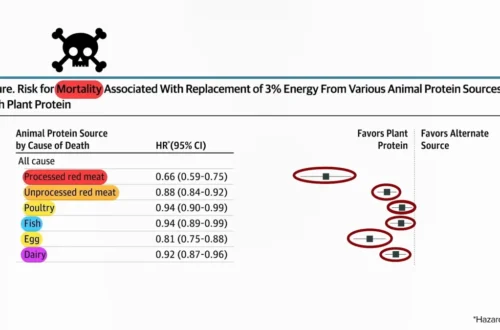
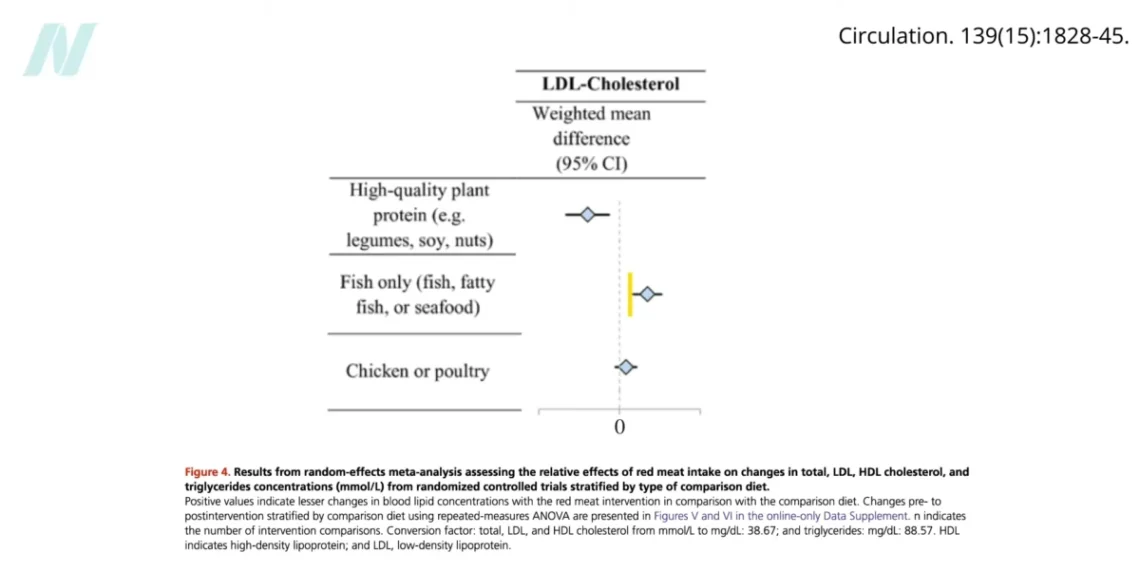
Recent epidemiological data and nutritional studies suggest that the health benefits associated with regular nut consumption extend far beyond a mere substitution effect. While swapping red or white meat for plant-based alternatives like nuts, soy, and legumes consistently demonstrates a beneficial impact on low-density lipoprotein (LDL) cholesterol—a primary risk factor for cardiovascular disease—the health advantages of nuts appear to be independent of baseline diets.
For instance, extensive cohort studies reveal that incorporating a single serving of nuts into the daily diet is associated with up to a 22 percent reduction in the risk of premature death. Notably, this mortality reduction occurs regardless of whether an individual maintains a strictly vegetarian lifestyle or consumes a standard omnivorous diet. Furthermore, comparative food group analyses indicate that nut consumption rivals—and in some metrics surpasses—even vegetables in terms of lowering the risk of all-cause mortality.
However, the path to understanding these nutritional realities is complicated by the intersection of commercial interests and scientific publishing. Major medical and nutritional journals often operate under institutional frameworks supported by industry stakeholders. Critics point out that corporate partnerships within prestigious nutrition organizations can shape research agendas, influence study design, and potentially skew public perceptions regarding the cardiovascular impacts of various food groups.
Chronology
To understand how nutritional science has evolved regarding proteins, cholesterol, and corporate influence, it is helpful to examine the historical trajectory of key studies and critiques:
- Late 20th Century: Observational studies begin identifying consistent correlations between frequent nut consumption and a lower incidence of coronary heart disease and overall mortality. Large-scale epidemiological projects, such as the Nurses’ Health Study and the Health Professionals Follow-up Study, highlight plant-based fats and proteins as protective factors.
- Early 2000s: Clinical trials begin isolating the lipid-lowering effects of specific plant proteins, such as soy and various legumes, compared to traditional animal proteins. Researchers note that substituting plant sources for saturated fat-heavy meats yields predictable improvements in lipid profiles.
- Mid-to-Late 2010s: A series of high-profile meta-analyses are published attempting to synthesize randomized controlled trials regarding red meat consumption and cardiovascular disease risk factors. Notably, a 2017 meta-analysis concluded that red meat intake did not negatively influence cardiovascular disease risk factors, sparking immediate pushback within the scientific community.
- Late 2017: Drs. Neal Barnard and Walter Willett publish a critical editorial titled "The Misuse of Meta-analysis in Nutrition Research." They highlight a foundational design flaw in the aforementioned red meat trials: nearly 90 percent of the comparative studies substituted red meat with white meat (chicken or fish) rather than plant-based proteins, effectively comparing one potentially harmful lipid impact against another.
- 2019: Subsequent comparative lipid trials confirm that white meat and fish can have a neutral-to-negative impact on LDL cholesterol comparable to beef when saturated fat levels are controlled, further validating the necessity of comparing animal proteins against true plant-based controls.
- 2020s: Contemporary nutrition research increasingly focuses on holistic dietary patterns, the independent mortality benefits of specific whole foods like nuts and seeds, and the systemic impact of corporate funding on dietary guidelines.
Supporting Data
The scientific consensus regarding the physiological impacts of food substitution relies heavily on randomized controlled trials and large-scale meta-analyses. When evaluating the lipid-lowering claims of various diets, data points to distinct physiological mechanisms:
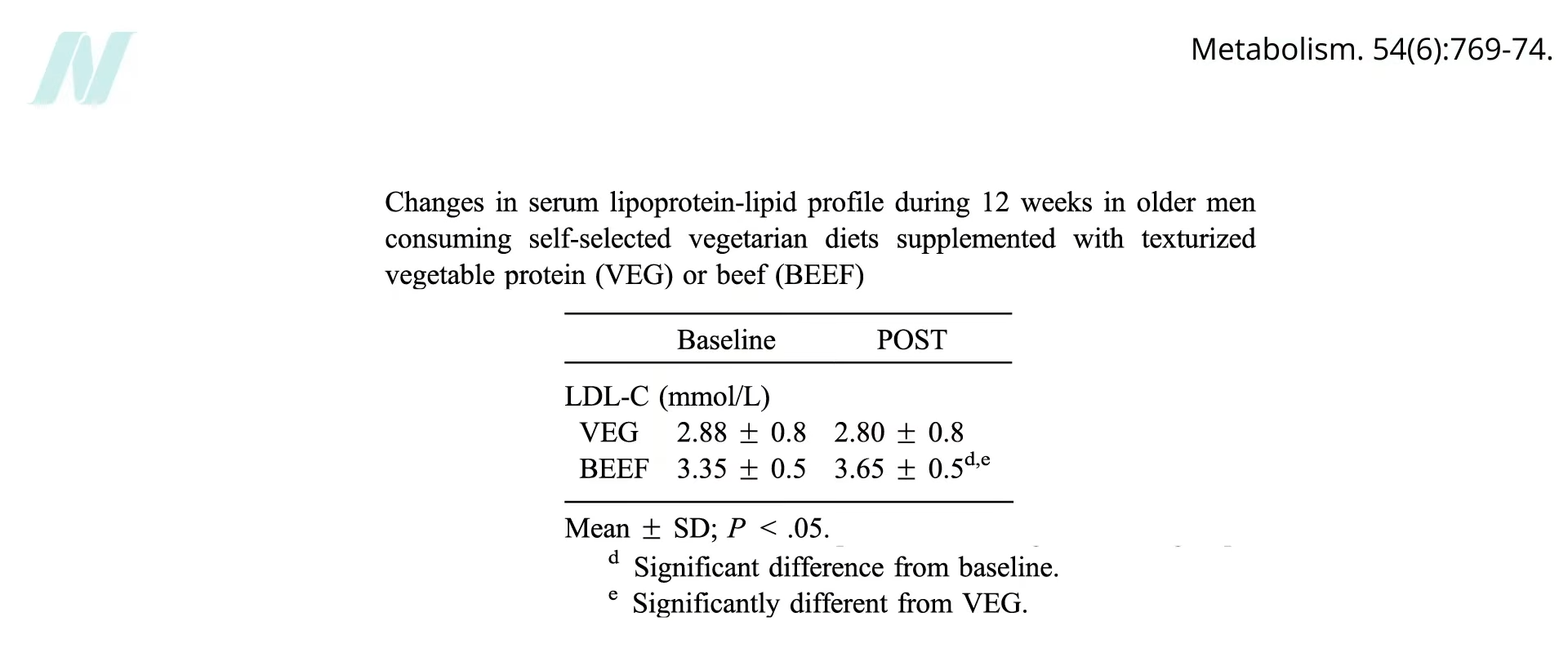
- The Cholesterol Factor: LDL cholesterol remains the leading modifiable risk factor for cardiovascular disease globally. Clinical feeding studies demonstrate that replacing even lean beef with an isocaloric amount of plant proteins—such as those found in soybeans, lentils, split peas, chickpeas, and tree nuts—results in clinically significant reductions in circulating LDL cholesterol.
- The Meat-to-Meat Flaw: In analyses examining trials that claimed red meat had a neutral effect on blood lipids, researchers utilized control diets primarily composed of poultry or fish. Because poultry and fish can raise cholesterol levels similarly to beef when controlling for saturated fat, these studies failed to demonstrate the true metabolic difference between animal and plant proteins.
- The Mortality Reduction Curve: Epidemiological data published across major medical journals reveals that daily consumption of approximately one ounce (a quarter cup) of nuts correlates with a 22 percent lower risk of premature mortality.
- Universal Benefit: Data tracking the reduction in heart attacks and cardiovascular events among frequent nut eaters shows that this protective effect is just as pronounced among non-vegetarians as it is among vegetarians. This confirms that the longevity benefits of nuts are not exclusively tied to a generalized "health-nut" lifestyle or the complete elimination of meat.
- Comparative Rankings: In multi-variable analyses comparing the mortality-reduction efficacy of a dozen distinct food groups, nuts frequently rank alongside or ahead of vegetables in mitigating the risk of premature death from all causes.
Official Responses
The intersection of nutritional science, public health guidelines, and corporate sponsorship has drawn formal responses from independent researchers, academic institutions, and industry associations.
Independent researchers, including prominent public health advocates and nutritional epidemiologists, have repeatedly raised ethical and methodological concerns regarding the funding structures of scientific journals. Critics point out that organizations such as the American Society for Nutrition—publisher of The American Journal of Clinical Nutrition—have historically listed prominent industry trade groups, including the National Cattlemen’s Beef Association, The Sugar Association, and various dairy and egg coalitions, among their sustaining partners.
Independent cardiologists and clinical researchers argue that these institutional relationships create an environment vulnerable to soft censorship, biased study designs, and the promotion of equivocal findings that protect the commercial interests of legacy agricultural sectors.
Conversely, representatives of mainstream nutritional societies and agricultural trade groups defend these partnerships as standard operational procedures designed to foster collaborative research and fund large-scale scientific symposia. Industry stakeholders maintain that peer-reviewed journals operate under strict editorial independence, blind peer-review processes, and rigorous methodological standards that insulate published conclusions from corporate bias.
Furthermore, agricultural organizations argue that meta-analyses claiming minimal cardiovascular impact from moderate red meat consumption reflect legitimate nuances in dietary science—specifically, that lean cuts of meat can fit within a balanced diet when total caloric and saturated fat limits are respected.
Implications
The ongoing debate over protein sources, study methodology, and corporate sponsorship carries profound implications for public health policy, dietary guidelines, and individual consumer choices.
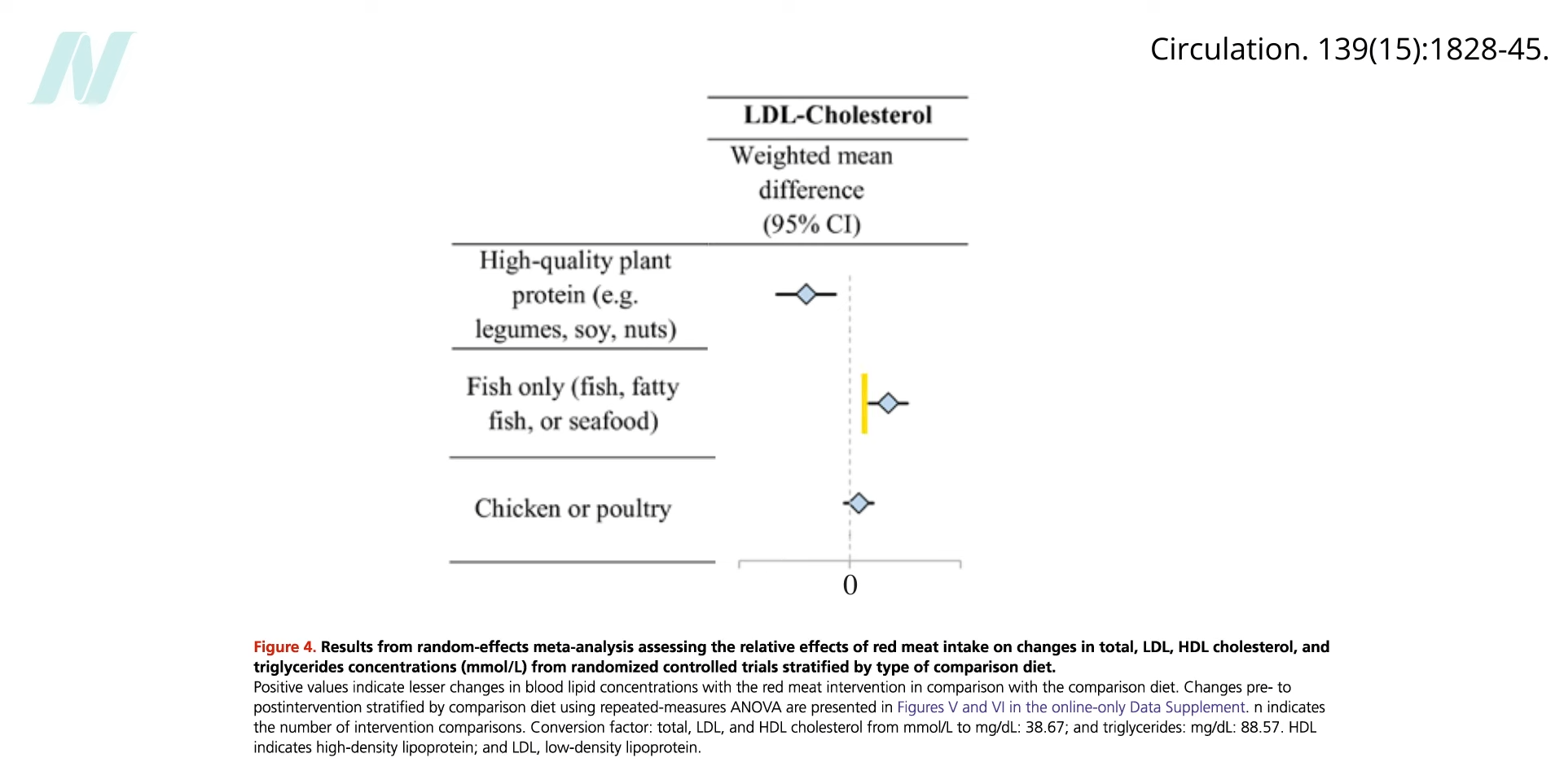
From a clinical perspective, the revelation that traditional animal proteins (including poultry and fish) may have comparable cholesterol-raising effects to red meat complicates traditional dietary advice. For decades, public health messaging encouraged consumers to substitute red meat with white meat as a primary strategy for heart disease prevention. However, contemporary data suggesting that white meat behaves similarly to red meat regarding LDL cholesterol underscores the necessity of pivoting toward whole, plant-based protein sources.
Public health policy is also directly impacted by these findings. As government agencies and international health organizations draft dietary guidelines, the integrity of the underlying scientific literature is paramount. When industry-sponsored meta-analyses utilize flawed comparative models—such as swapping beef for chicken—they risk embedding systemic biases into official nutritional recommendations. This can misguide millions of consumers seeking evidence-based guidance on longevity and chronic disease prevention.
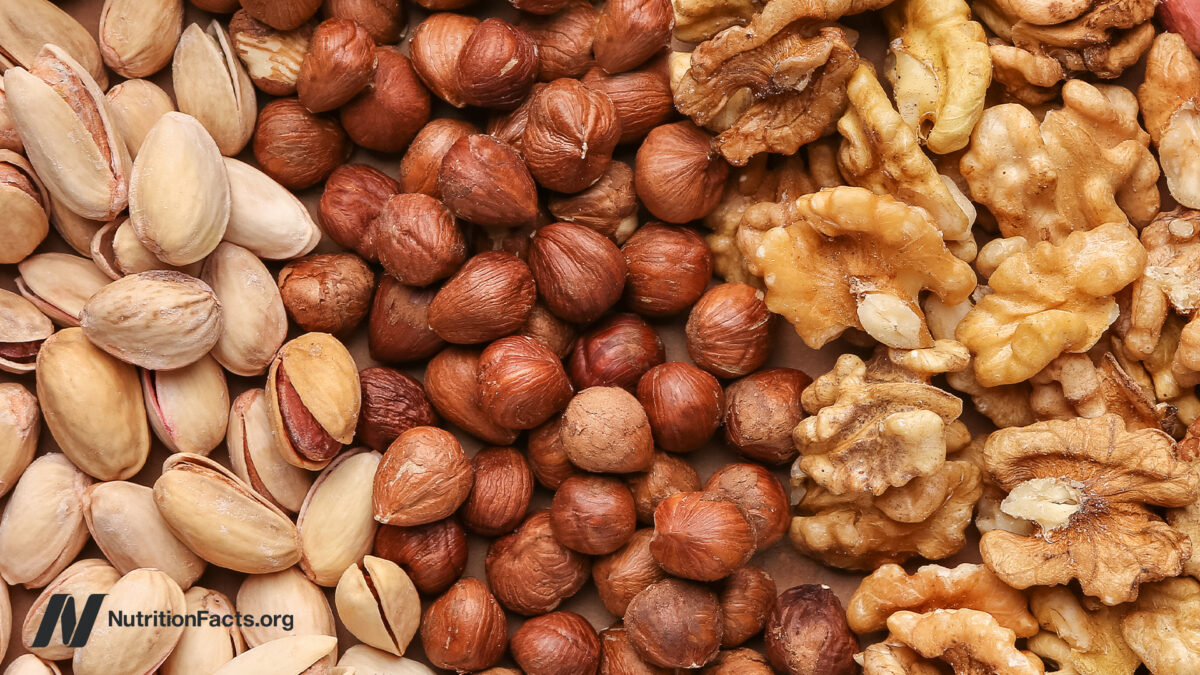
Finally, at an individual level, the data empowers consumers to make informed dietary modifications. Recognizing that the mortality benefits of nuts and legumes are independent of overall dietary patterns or baseline health status simplifies nutritional choices. Integrating a daily serving of nuts—such as almonds, walnuts, or pistachios—offers a scientifically validated, accessible strategy for reducing cardiovascular risk and promoting long-term health, completely independent of complex corporate narratives or industry-influenced dietary trends.