Long before artisanal olive oils lined grocery store shelves and plant-based eating became a modern wellness movement, American kitchens relied on a very different kind of shelf-stable fat. While butter and olive oil have long held status as the foundational pillars of global cuisine—valued for millennia across frying pans, baking sheets, and roasting pans alike—the mid-20th century culinary landscape in the United States was commanded by an entirely different kitchen staple: Crisco.
Though it is rarely celebrated in modern fine dining, this unassuming white shortening was once an omnipresent titan in Baby Boomer households. It was the secret behind flaky pie crusts, high-rising cakes, and perfectly fried chicken. But behind its humble blue-and-white can lies a fascinating tale of industrial chemistry, savvy marketing, shifting dietary health paradigms, and a historic fall from grace that fundamentally changed how America cooked.
Main Facts: What Was Crisco and How Did It Work?
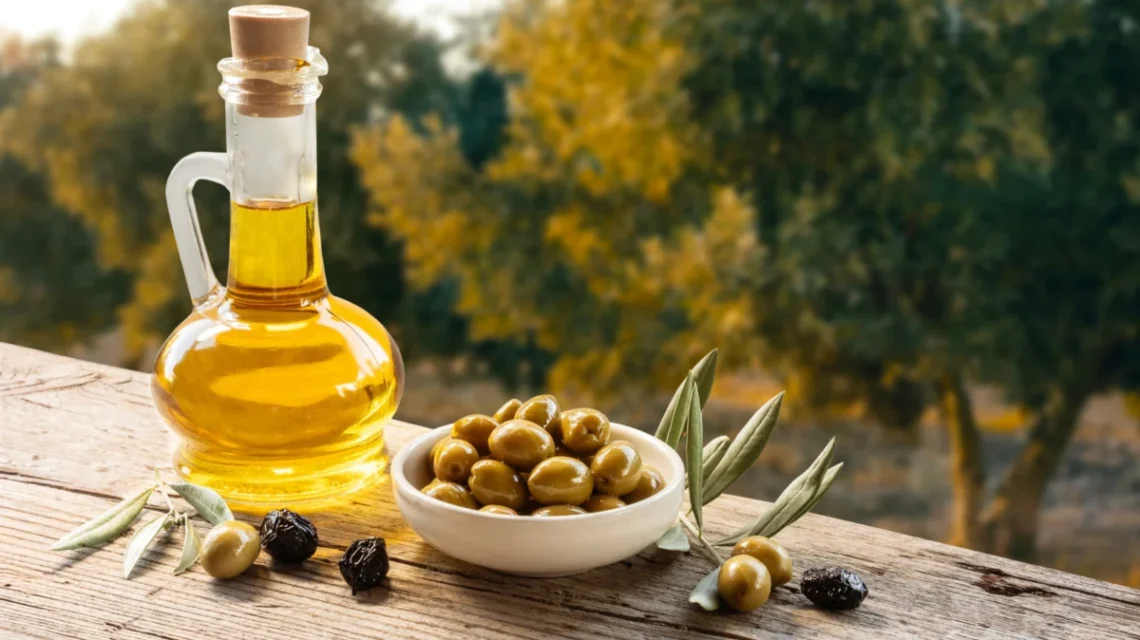
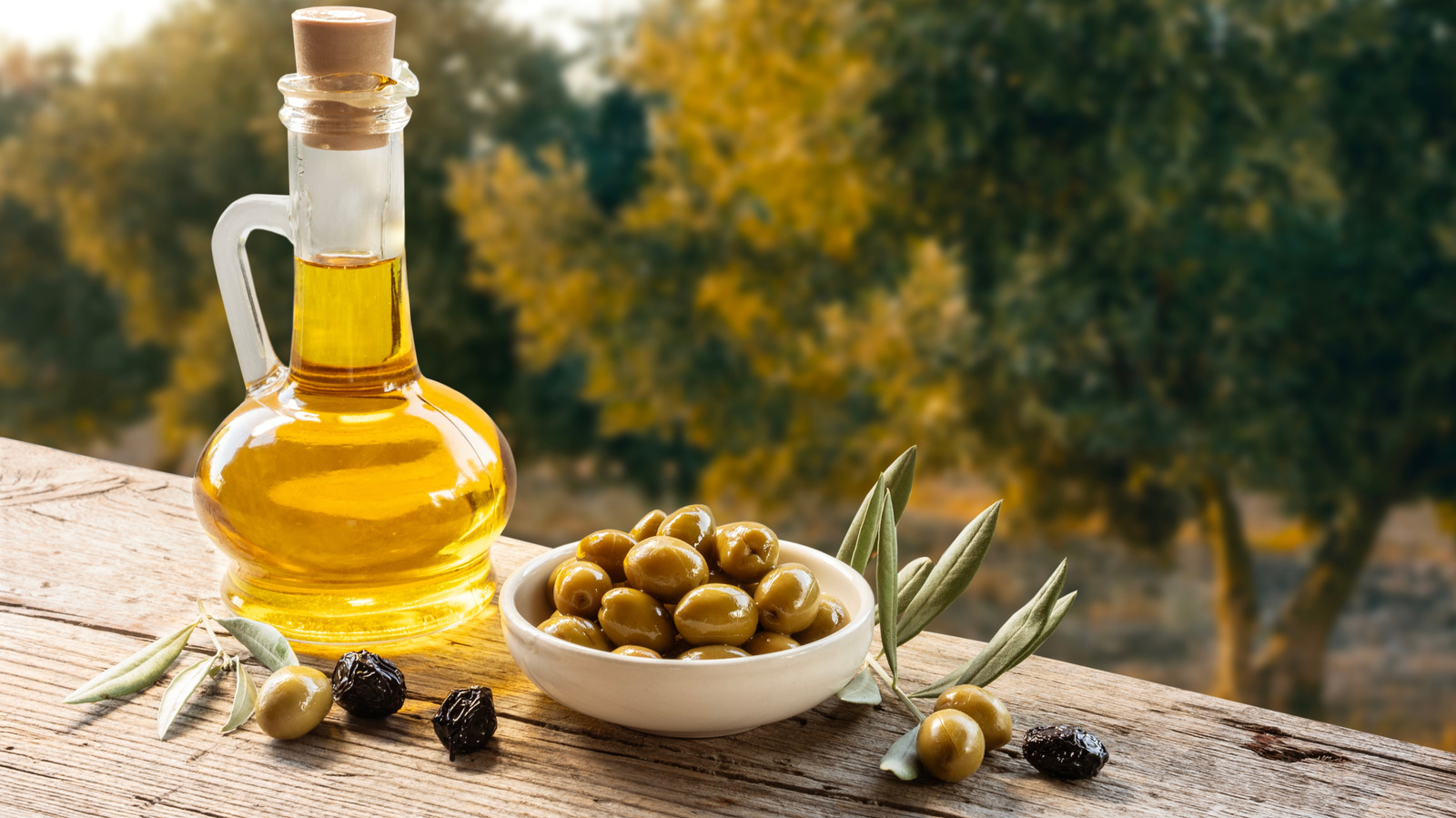
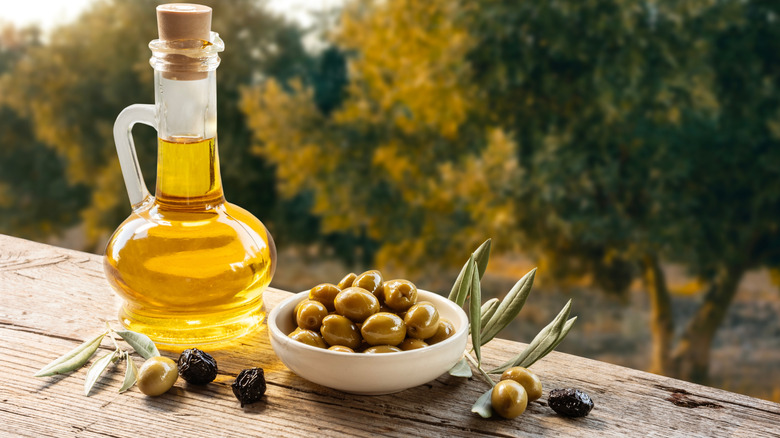
To understand Crisco, one must understand how it differs fundamentally from the traditional fats it sought to replace. Olive oil is a liquid fat extracted directly from the fruit of olive trees, while butter is an animal-based dairy fat containing water and milk solids. Crisco, by contrast, is a 100% plant-based shortening.
When Procter & Gamble introduced the product in 1911, the original formulation was made almost entirely from cottonseed oil—a byproduct of the cotton industry that was previously considered waste and discarded in massive quantities. Through a chemical process known as partial hydrogenation, liquid cottonseed oil was transformed into a semi-solid fat that could remain solid at room temperature without requiring refrigeration.
This process gave Crisco several distinct advantages over natural fats:
- High Smoke Point: Unlike butter, which burns quickly due to its milk solids, Crisco could withstand high frying temperatures without scorching.
- Neutral Flavor: Unlike lard or butter, Crisco imparted virtually no flavor of its own, allowing the taste of the primary ingredients to shine through.
- Shelf Stability: It did not turn rancid as quickly as animal fats, making it exceptionally economical for everyday home cooks.
Today, the formulation has evolved. In response to changing health guidelines and consumer demands, modern Crisco swaps cottonseed oil for a blend of soybean, palm, and canola oils, completely eliminating the trans fats that once defined its chemical structure.
Chronology: A Century of Crisco
The journey of Crisco spans over a century, marked by rapid initial adoption, cultural integration, scientific reckoning, and modern reinvention.
1911–1920s: The Birth of a Culinary Revolution
When Procter & Gamble launched Crisco in 1911, the prevailing cooking fat in American households was lard (rendered pork fat). Procter & Gamble marketed Crisco as a cleaner, more modern, and sanitary alternative derived entirely from vegetables. The campaign was an astounding success. According to data from Michigan State University, American consumers were purchasing more than 60 million cans of Crisco annually within just five years of its market debut. Cookbooks published during this era—many of them produced directly by Procter & Gamble—flooded the market with recipes instructing homemakers to swap out traditional animal fats for the new vegetable shortening.
The Mid-Century Boom
Throughout the Boomer generation’s childhood in the 1950s and 1960s, Crisco was a permanent fixture in pantries across the nation. It was the backbone of post-war American baking convenience. Homemakers trusted the product implicitly, buoyed by decades of cheerful advertising campaigns that promised lighter, more digestible meals.
The Mid-1990s: The Scientific Reckoning
For decades, partially hydrogenated oils were paradoxically viewed as a healthier, heart-friendly alternative to saturated animal fats like butter. However, that carefully constructed image shattered in the mid-1990s. Nutritional scientists published groundbreaking studies linking trans fats—the direct byproduct of partial hydrogenation—to elevated levels of "bad" LDL cholesterol and a significantly increased risk of cardiovascular disease.
2007: The Reformulation
Facing intense consumer backlash, plummeting public trust, and looming regulatory pressures, Procter & Gamble (and later J.M. Smucker, which acquired the brand) completely reformulated Crisco in 2007 to eliminate trans fats. While the chemical makeup was successfully altered to meet modern health standards, the brand’s reputation had already sustained lasting damage in the court of public opinion.
Supporting Data: Market Penetration and Cultural Adoption
Crisco’s initial dominance was not merely a matter of appealing to general American homemakers; it was driven by a masterclass in targeted demographic marketing.
When the product first hit shelves, one of its most lucrative and loyal markets was the Jewish-American community. Under Jewish dietary laws (Kashrut), mixing meat and dairy products is strictly forbidden. Because Crisco was manufactured entirely from vegetable oil, it achieved parve status—meaning it contained neither meat nor dairy and could therefore be used flexibly in both meat-based and dairy-based meals.
Recognizing this major opportunity, Procter & Gamble launched aggressive marketing campaigns directed at Jewish households. In promotional materials, the company made bold, almost hyperbolic claims, famously declaring: "The Hebrew Race has been waiting 4,000 years for Crisco."
While dramatic, the shortening genuinely solved a practical dilemma for kosher kitchens. Procter & Gamble leaned heavily into this demographic by:
- Publishing advertisements in both English and Yiddish newspapers.
- Securing formal endorsements from prominent rabbis.
- Releasing an official 1933 publication titled "Crisco Recipes for the Jewish Housewife."
This strategy cemented Crisco as an enduring staple in Jewish households for generations, creating a loyal consumer base that persisted long after other demographics began shifting toward alternative cooking oils.
Official Responses and Corporate Adaptation
As public health awareness evolved toward the end of the 20th century, corporate food giants faced an existential reckoning regarding hydrogenated oils. For decades, manufacturers enjoyed tacit approval from nutritional authorities who warned against animal fats while praising vegetable-derived alternatives.
When independent scientific consensus shifted to indict trans fats as a primary driver of modern heart disease, the manufacturer of Crisco faced an unprecedented public relations crisis. Critics pointed out that corporate marketing had intentionally obscured the heavily processed, chemical nature of cottonseed oil behind wholesome imagery of plants and agriculture.
In response to mounting public scrutiny and the eventual introduction of mandatory trans-fat labeling by the U.S. Food and Drug Administration (FDA) in 2006, the brand executed a swift corporate pivot. By 2007, Crisco products were officially reformulated to contain zero grams of trans fat per serving, utilizing fully refined oils and interesterification processes to maintain structural integrity without hydrogenation.
Despite these structural changes, corporate communications struggled to shake the ghosts of the past. The association between Crisco and mid-century processed food culture remained deeply entrenched in the collective American consciousness.
Implications: Health, Culinary Evolution, and Modern Redemption
The story of Crisco serves as a profound case study in the evolution of American dietary habits, industrial food production, and public health science.
The Shift in Modern Nutritional Philosophy
The rise and fall of shortening underscore a broader lesson about nutritional trends: foods once championed as technological and dietary miracles can quickly become symbols of dietary excess as scientific methods improve. Today, consumers increasingly prioritize minimally processed, whole-food fats, returning to olive oil, grass-fed butter, and avocado oil.
An Unlikely Second Act: Cast Iron Care
Though its days as a dominant baking and frying fat in health-conscious kitchens have largely passed, Crisco has found a surprising and enthusiastic modern fan base in an entirely different arena: the maintenance of cast iron cookware.
Culinary enthusiasts and cast-iron restoration experts frequently praise Crisco as one of the absolute best agents for seasoning cast iron skillets. Because of its high smoke point and molecular structure, it polymerizes effectively when baked onto iron at high temperatures, creating a durable, non-stick patina that rivals specialized commercial seasoning waxes.
Conclusion
Crisco may no longer command the expansive pantry space it enjoyed during the Baby Boomer era, but its historical footprint is undeniable. It transformed baking convenience, solved complex dietary logistics for kosher households, and ultimately spurred a nationwide reevaluation of how science, marketing, and nutrition intersect on our dinner plates.