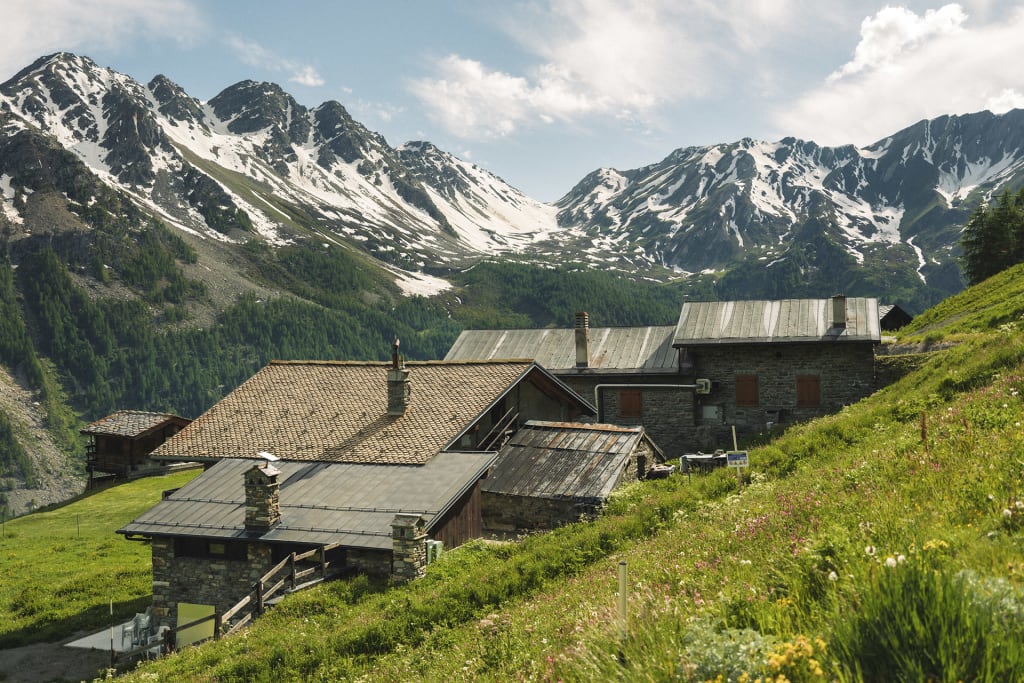
The Italian Alps do not suffer fools, a lesson I learned while standing 8,500 feet above sea level, my Keds canvas sneakers soaked through by a stubborn, late-season slushy snowbank. A hundred yards away, the smoke curling from a stone-chimneyed refuge hut promised the warmth of a woodstove and a hearty lunch. I was, by every objective metric, entirely ill-equipped for the terrain.
When my travel partner, Anthony, and I left our hotel that morning, the temperature was a comfortable 75 degrees. The local receptionist had described the trail as "well-manicured," "easy," and "fit for all ages." We had been promised a forty-five-minute stroll to a waterfall, followed by a leisurely lunch. I had envisioned a romantic trek through swaying alpine grasses speckled with white edelweiss blossoms. Instead, I found myself navigating a high-altitude mountain pass in light summer attire, carrying only a bottle of Elio Ottin’s Fumin and a packet of mocetta, the region’s signature cured beef.
This is the dual reality of Valle d’Aosta, Italy’s smallest, most rugged, and most intoxicatingly diverse wine region. It is a land where the modern world feels like a distant memory, and where the viticulture is as steep and uncompromising as the peaks that define the horizon.
Chronology of a High-Altitude Ascent
Our journey into this alpine enclave began two days earlier. We departed the rolling, vine-covered hills of Piedmont and traveled north, following the Dora Baltea river as it carved its path through the ancient Saint Bernard pass. This corridor has served as the primary arterial link between Southern and Central Europe since the pre-Roman era. Driving the modern highway, one feels less like a tourist and more like a time traveler; the transition from the Mediterranean warmth of the plains to the dramatic, jagged cliffs of the Aosta Valley is instantaneous.
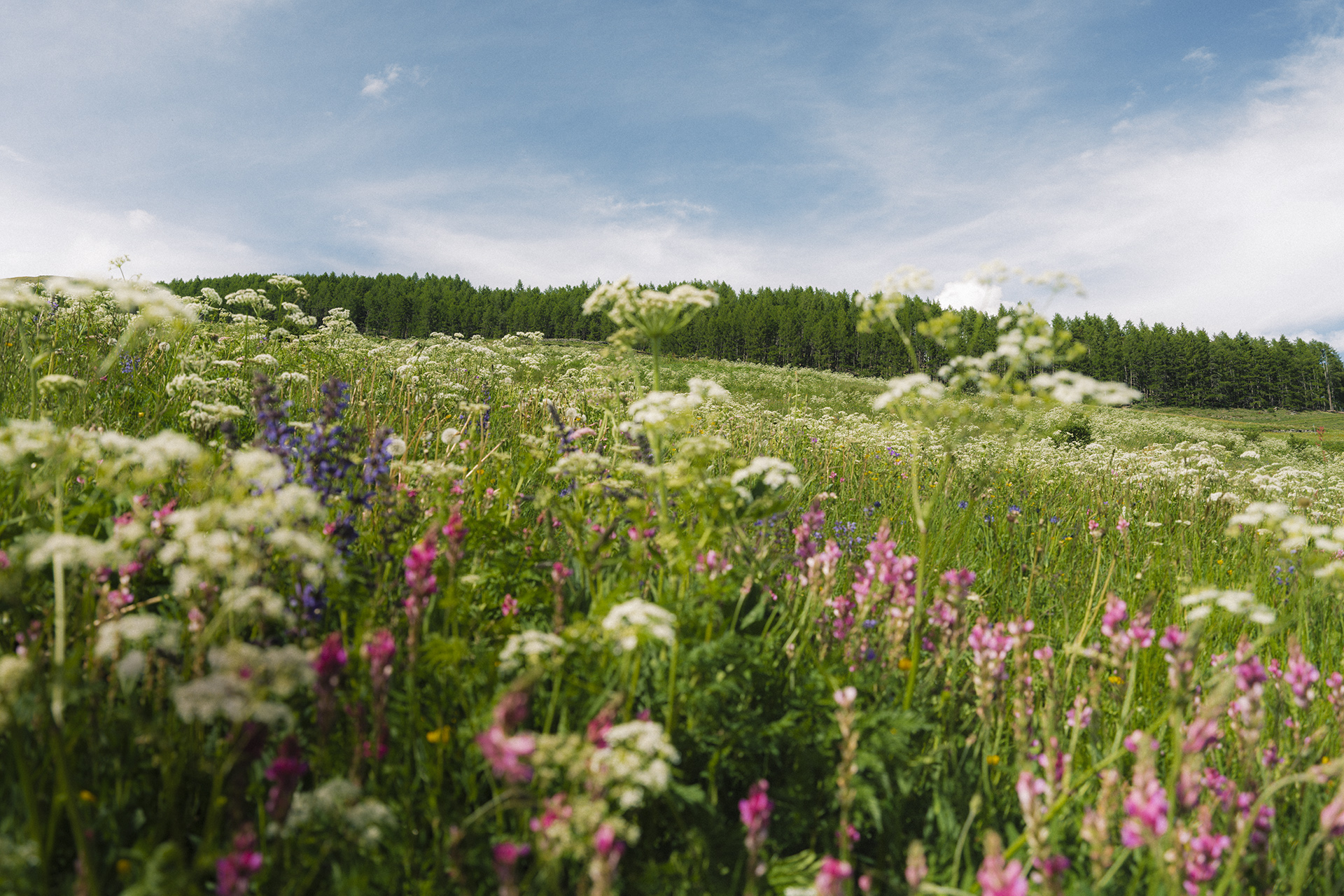
The landscape is dominated by the giants of the European Alps—Mont Blanc, the Matterhorn, and Monte Rosa. Nestled in the shadows of these gargantuan rock faces are terraced vineyards and orchards, carved into the mountainside with a tenacity that defies logic.
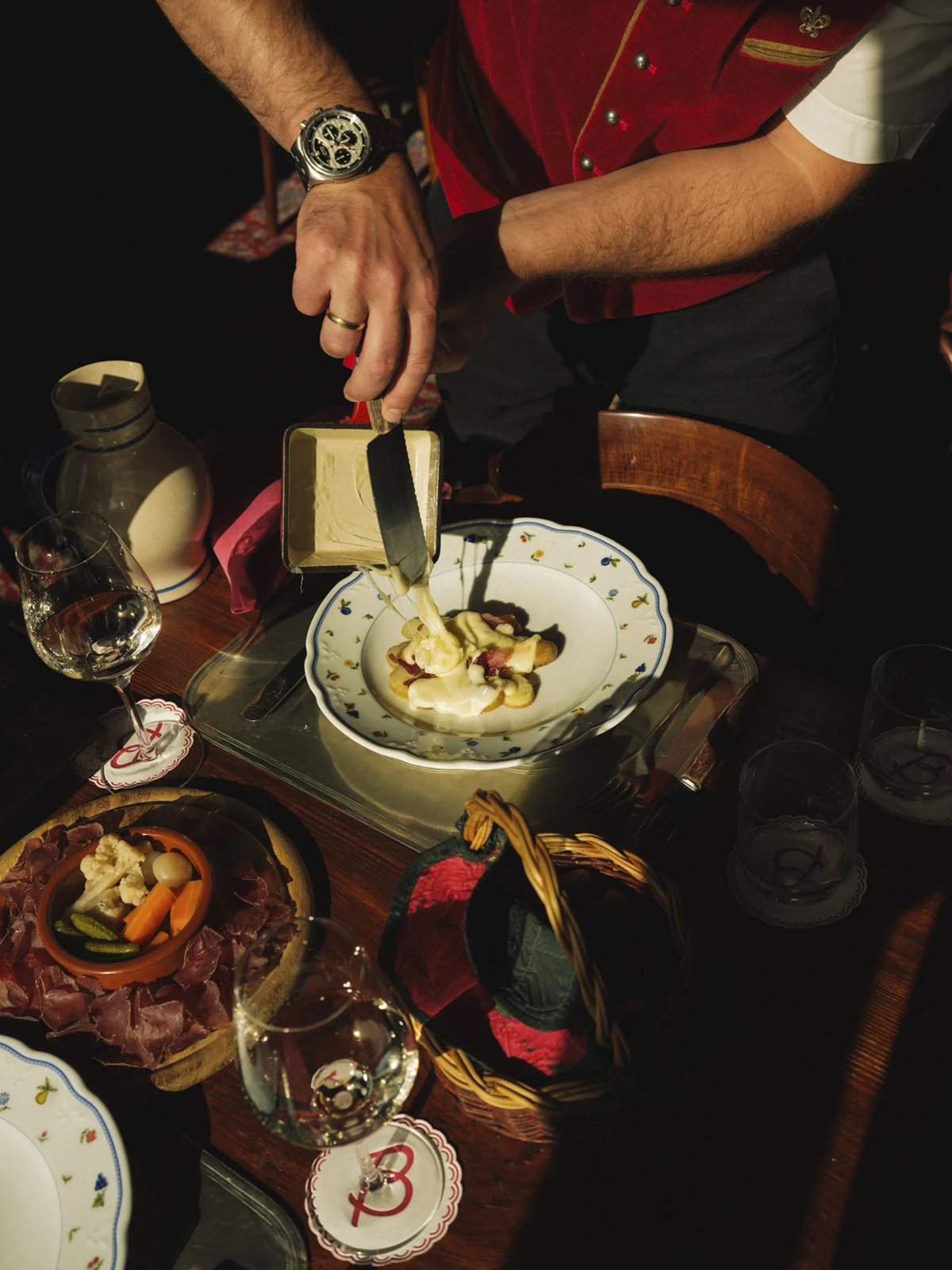
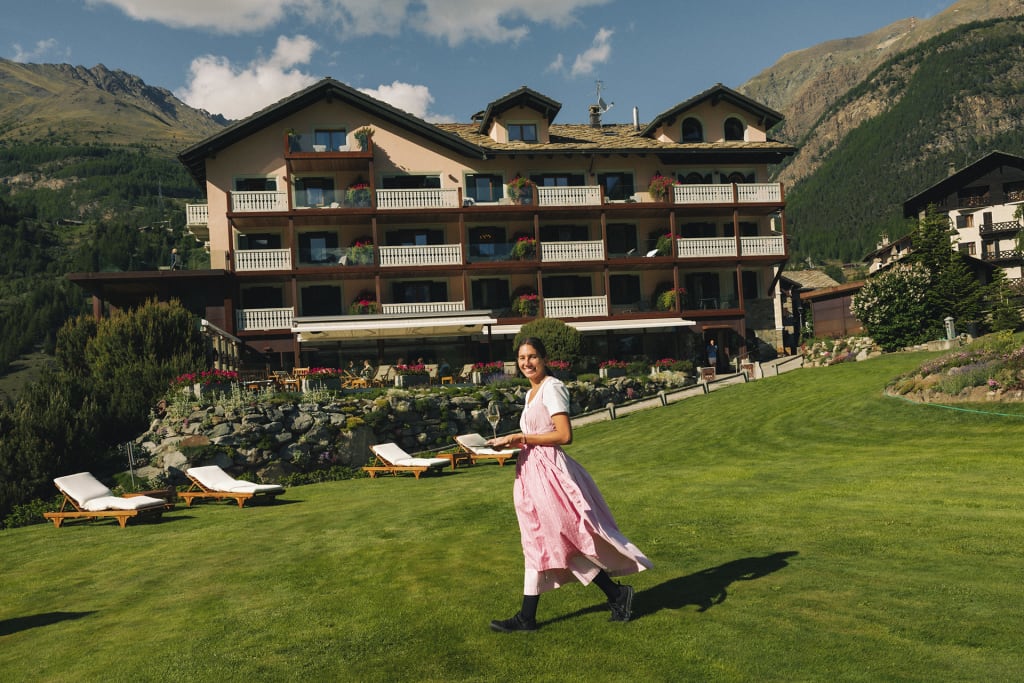
By sunset, we reached the town of Cogne and the Bellevue Hotel and Spa. The resort is a masterpiece of Old-World preservation: Renaissance frescoes adorn the lobby ceilings, antique furnishings fill the corridors, and an extensive in-house herb garden provides the aromatics for the restaurant. Our first dinner—a decadent, molten raclette served over potatoes and local steak—was paired with a crisp Ermes Pavese Blanc de Morgex et de la Salle. The wine was so brisk, so mineral-driven, that it tasted as though it had been filtered through a glacier.
Supporting Data: A Region Defined by Extremes
Valle d’Aosta is a statistical anomaly in the world of wine. With only 450 hectares under vine—roughly the size of a single large-scale industrial vineyard in Mendoza, Argentina—it is a region defined by its scarcity and its fragmentation.
The industry here nearly vanished entirely during the 20th century. However, a revival in the 1970s brought forth an explosion of viticultural diversity, reintroducing or protecting 19 distinct grape varieties. Unlike the massive, flat, machine-harvested estates found elsewhere in Italy, 99% of the vineyards in Valle d’Aosta are smaller than one hectare. Mechanization is physically impossible on these vertical slopes. Consequently, the farmers here are polymaths of the soil, forced to practice a diversified agriculture to survive. One finds grains, potatoes, and livestock integrated into the same plots as the vines.
The Indigenous Grape Profiles
The viticultural output of the region is characterized by high acidity, structural integrity, and an uncanny ability to pair with the local diet.
- Petit Rouge: The "little red one" and the region’s most prolific grape. It serves as the backbone for famous regional blends like Torrette and Enfer d’Arvier, offering velvety tannins and juicy red-fruit profiles.
- Fumin: A powerhouse of the region. These wines are sanguine, inky, and possess a meaty, herbal complexity reminiscent of Northern Rhône Syrah.
- Prié Blanc (Blanc de Morgex): A testament to the region’s altitude. Grown at nearly 4,000 feet, this is arguably the highest-elevation viticulture in mainland Europe. The resulting wine is airy, crystalline, and electric.
- Cornalin: A finicky, ancient variety rescued from the brink of extinction in the 1980s. It offers a delicate, perfumed profile of cracked pepper and mountain herbs, best enjoyed with a slight chill.
- Mayolet: Rare and difficult to cultivate, it rewards the producer with intense floral aromatics—rose petals and incense—and a silky, elegant mouthfeel.
Official Perspectives and Cultural Implications
The philosophy of Valle d’Aosta can be summarized by the adage: "What grows together, goes together." Because the region is not a monoculture, the dining experience is a closed loop of hyper-local consumption.
"The agricultural versatility is our survival mechanism," noted one local producer during our visit to the Grosjean Vins estate. Grosjean, one of the larger family-owned operations at a mere 18 hectares, has become a steward of the region’s biodiversity. By bottling indigenous varieties separately, they provide a rare window into the distinct terroir of the valley.
Similarly, the La Kiuva cooperative showcases the communal nature of Aostan farming. Here, families with plots as small as 200 square meters pool their harvests to produce a Nebbiolo-based red that is both light-bodied and impressively age-worthy. This cooperative model allows small-scale farmers to maintain their ancestral land while participating in the global wine market.
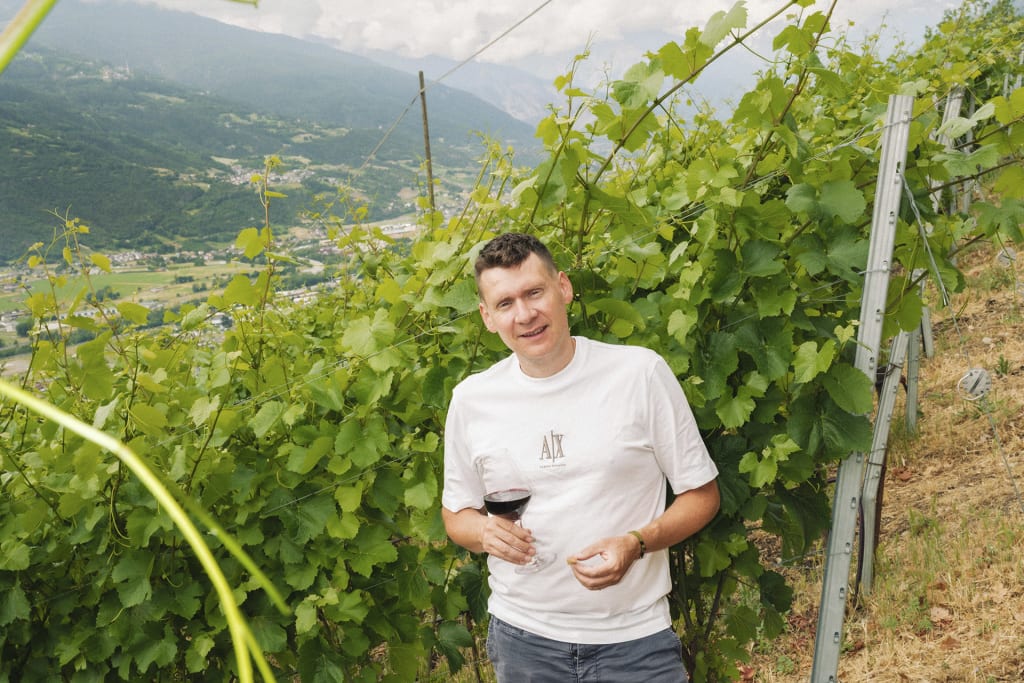
The cultural implication of this lifestyle is profound. In the town of Aosta, where Roman walls still define the city limits, residents cultivate Mediterranean crops like almonds and figs alongside cold-hardy Alpine herbs. This juxtaposition of climates creates a gastronomy that is unique to this narrow, sun-drenched corridor. Visitors are frequently served bread made from local grains, meat from high-pasture livestock, and cheeses—specifically the herb-aged Fontina—that demand the specific acidity of local wines like Muscat or the aforementioned Prié Blanc.
The Return: A Lesson in Alpine Reality
Returning to that snowbank, my initial frustration began to give way to a begrudging respect for the terrain. My soaked Keds were a reminder that the "easy" trails of the Alps are still, at their core, high-altitude environments where the weather shifts with the movement of a cloud.
We pressed on, finally reaching the refuge hut. Inside, the atmosphere was thick with the scent of wood smoke and melted cheese. We opened the bottle of Elio Ottin’s Fumin we had carried in my pack. It was a revelation: the sanguine, earthy notes of the wine mirrored the rugged landscape outside. It paired perfectly with a bowl of rustic pasta ragù.
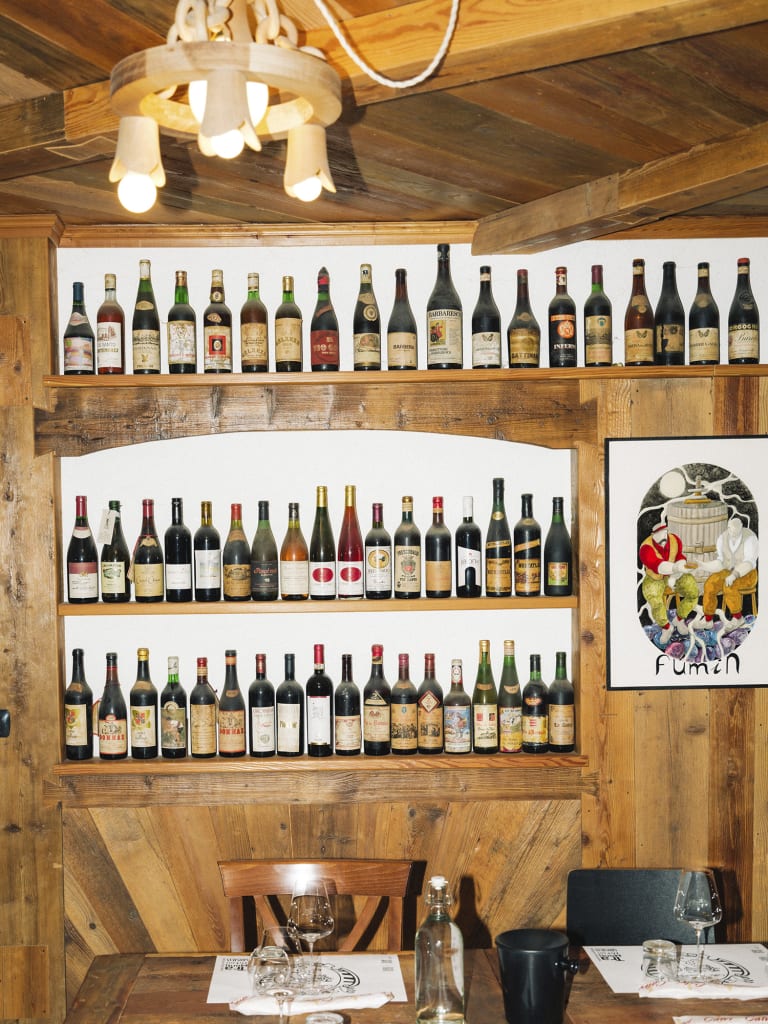
As our socks dried by the woodstove, we reflected on the journey. We had come seeking a picturesque walk and found a lesson in the resilience of human culture. Valle d’Aosta is not a place you visit to check boxes on a tourist itinerary; it is a place that demands you pay attention. It is a region where the wine is not just a beverage, but a record of the environment—the thin air, the mineral-rich soil, and the sheer grit of the people who work the vertical slopes.
When we finally descended, our feet were wet and our muscles ached, but the experience was indelible. We walked down the mountain singing, the silence of the high peaks finally feeling less like a challenge and more like a shared secret between the land and the glass.