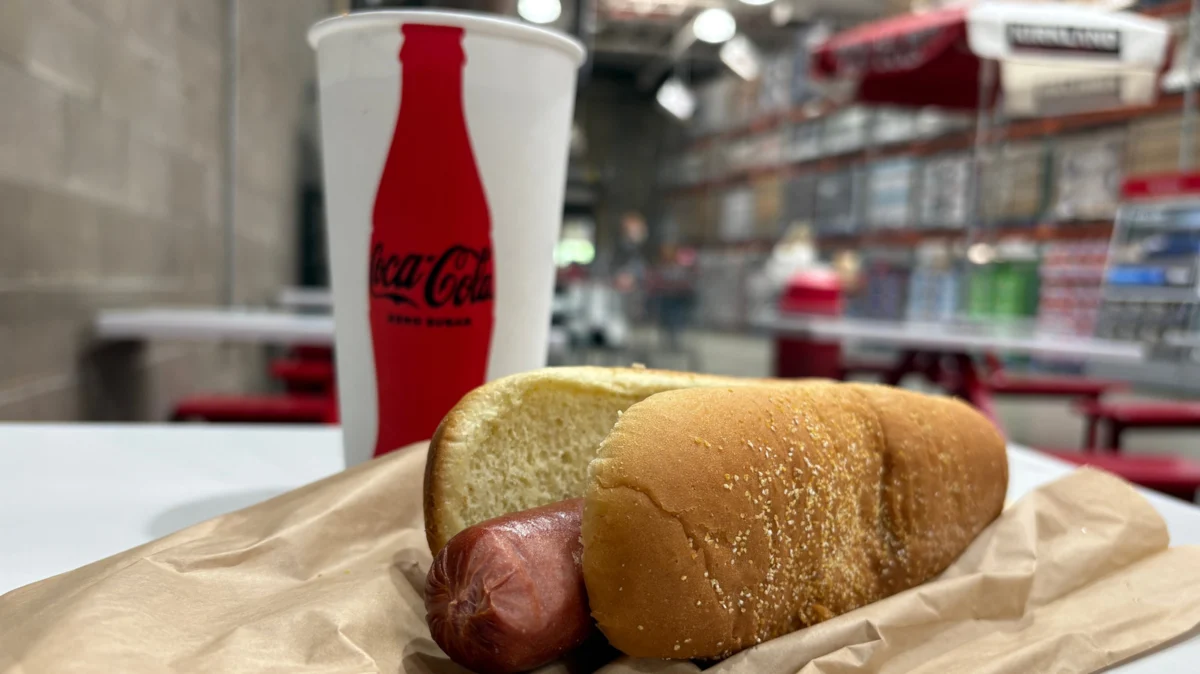
Since the mid-1980s, the Costco food court hot dog has remained a permanent fixture of the American retail landscape. Despite rampant inflation and the skyrocketing costs of food production, the Kirkland Signature ¼-pound beef frank—bundled with a 20-ounce soda—has famously maintained its $1.50 price point. It is more than just a quick meal; it is a cultural touchstone and a loss-leader strategy that keeps shoppers coming back to the warehouse doors. However, for the culinary-minded member, the standard mustard-and-ketchup approach is merely a starting point.
The Foundation: Anatomy of a Warehouse Staple
The reverence for the Costco hot dog is rooted in its deceptive simplicity. The frankfurter is a custom-made Kirkland Signature product, designed to meet specific meat-to-fat ratios that ensure a consistent "snap" upon the first bite. The buns are sourced regionally, allowing for minor variations in texture—such as the occasional appearance of sesame-seeded rolls—that keep the experience feeling fresh.
However, the "basic" build is just a canvas. Because Costco operates on a high-volume, low-margin model, the food court acts as an extension of the warehouse’s internal culture: an emphasis on value, utility, and, increasingly, creative DIY hacking. For those looking to transform their $1.50 lunch into a gourmet experience, the following strategies represent the pinnacle of "Costco-core" gastronomy.
Chronology of the Costco Food Court Evolution
To understand why these hacks have gained such traction, one must look at the evolution of the Costco food court.
- The 1980s: The hot dog combo is introduced as a standard, no-frills offering to provide members with a quick, affordable meal.
- The 2000s: The expansion of the condiment bar, including bulk-dispensed onions and relish, allowed for the first wave of "custom" dogs.
- The 2010s: The rise of social media platforms like TikTok and Instagram turned niche modifications into viral trends.
- The 2020s: With the post-pandemic return of food court dining, members have moved beyond simple condiments, utilizing warehouse samples and cross-menu item integration to create "fusion" dishes.
1. The "Pizza-Dog" Fusion: A Study in Excess
Perhaps the most famous—and structurally bold—modification is the "Pizza Dog." This hack involves the marriage of two of the food court’s most popular items: the hot dog and the cheese pizza slice.
To execute this, an enthusiast removes the molten layer of mozzarella and tomato sauce from a slice of pepperoni or cheese pizza and wraps it directly around the hot dog, effectively turning the frankfurter into a stuffed-crust delicacy. For those who find the structural integrity of the bun lacking, some diners replace the bun entirely with the pizza crust, essentially creating a "hot dog calzone." While nutritionists might shudder at the calorie count, the flavor profile—the savory, salty notes of the pizza cheese complementing the smoky beef of the frank—has received widespread acclaim across social media platforms.
2. The "Costco Kimchi" DIY Garnish
For those who find the standard condiment bar lacking in complexity, the "Costco Kimchi" hack provides a masterclass in flavor balancing. By combining diced onions, mustard, ketchup, relish, and red pepper flakes, diners create a topping that mimics the fermented, spicy, and tangy profile of traditional Korean kimchi.
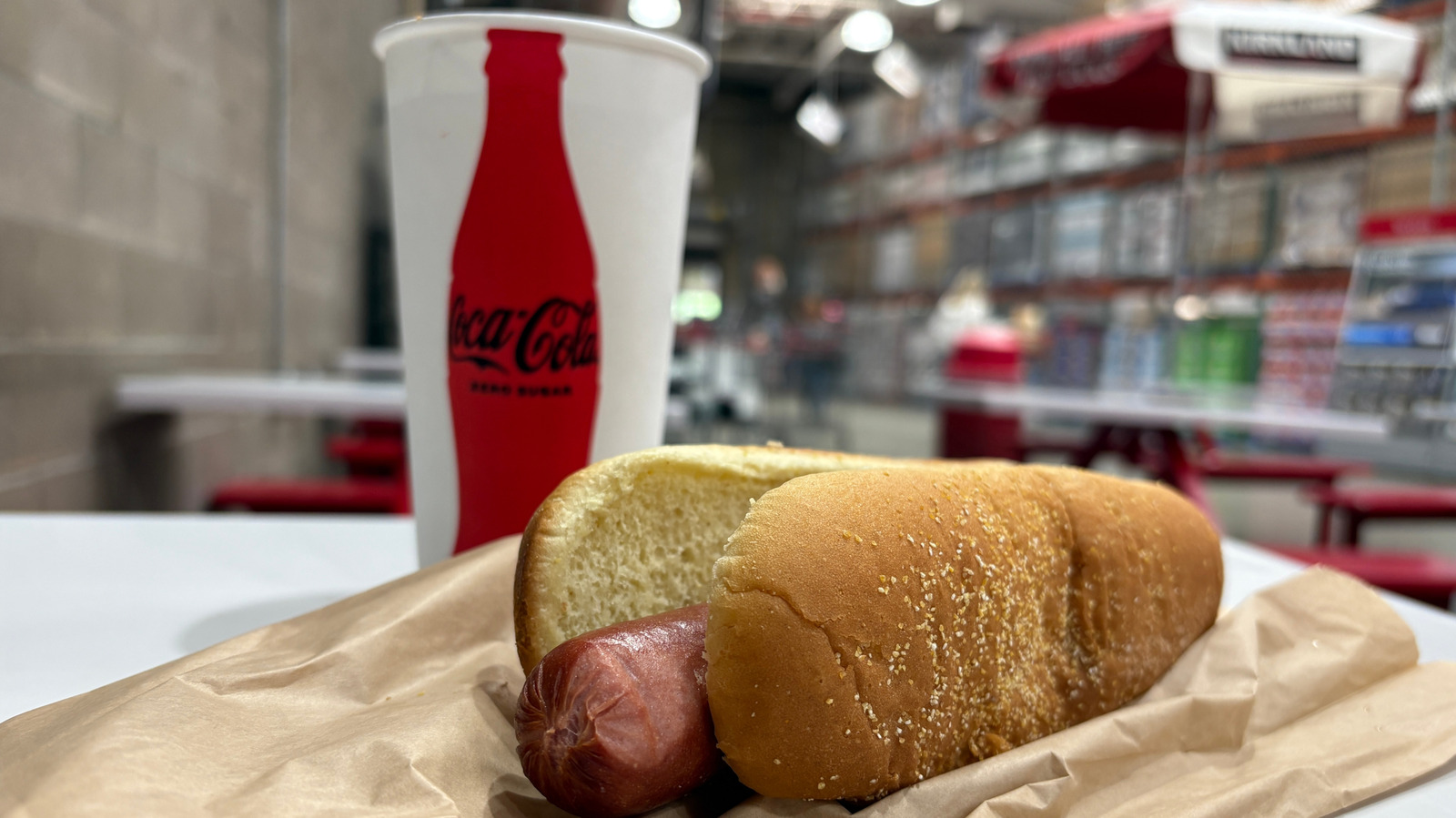
This hack is particularly effective because it addresses the most common complaint about hot dogs: one-note texture. The addition of raw, chopped onions provides a necessary crunch, while the red pepper flakes offer a slow-building heat that cuts through the fattiness of the beef. The acidity of the relish and mustard acts as a palate cleanser, making the entire dish feel lighter and more intentional.
3. The "Chop Dog" Technique: Maximizing Surface Area
Culinary professionals often argue that the best way to distribute flavor is to increase the surface area of the protein. The "Chop Dog" takes this philosophy to the food court floor. By slicing the hot dog into bite-sized coins and mixing them with condiments in a paper bag or on a plate, the eater ensures that every morsel is coated.
This method requires a bit of logistical planning—most diners use plastic cutlery provided by the food court to perform the "surgery." Once chopped and tossed with a custom ratio of mustard, ketchup, and relish, the bits are returned to the bun. The result is a "chopped sandwich" experience where the toppings don’t fall off during the eating process, creating a more uniform and satisfying mouthful.
4. The Pantry Hack: Parmesan and Red Pepper
Often, the best ingredients are hiding in plain sight. While the condiment bar provides the basics, many members forget that the food court is adjacent to a retail space that sells almost everything. However, you don’t need to purchase a bulk container to access premium seasonings.
By requesting parmesan cheese and red pepper flakes from the cashier, you can treat your hot dog like a slice of high-end pizza. The parmesan adds a salty, nutty umami layer, while the red pepper flakes provide a clean, sharp heat. This is arguably the most "professional" tasting modification, as it relies on simple, high-quality pantry staples that elevate the meat without drowning it in sauces.
5. The "Sample" Integration: The Ultimate Wildcard
The most adventurous modification involves the "Free Sample" strategy. Costco is world-renowned for its sample stations, which offer everything from miniature mozzarella sticks to gourmet sausages and bean chili. By strategically timing your lunch to coincide with sample offerings, you can build a hot dog that is essentially a limited-edition gourmet creation.
Recent reports from Reddit communities dedicated to hot dog enthusiasts detail creations featuring everything from bean chili and pickled peppers to chicken salad. This approach is the ultimate expression of the "Costco experience"—leveraging the warehouse’s unique ecosystem to create something entirely personalized and free of charge.
Official Responses and Corporate Implications
While Costco remains notoriously tight-lipped regarding their specific food court supply chain, company leadership has historically been vocal about their commitment to the $1.50 hot dog. The late co-founder Jim Sinegal famously told his successor, Craig Jelinek, "If you raise the effing hot dog, I will kill you."
This corporate rigidity regarding the price is exactly why these hacks have flourished. Because the price is fixed, the customer feels empowered to treat the item as a base for experimentation. The food court is a "protected space" where the company maintains a high-quality, low-cost baseline, essentially inviting the community to "co-create" their dining experience.
Implications for the Retail Experience
The rise of these modifications signals a shift in how consumers engage with retail food service. It is no longer enough for a restaurant—even one inside a warehouse—to simply provide calories. Today’s shopper seeks an "experience." By participating in these hacks, the shopper is not just eating a hot dog; they are participating in a subculture.
Whether you are a purist who believes the hot dog is perfect as-is, or an experimentalist looking to wrap your frank in a slice of cheese, the Costco food court offers a unique intersection of affordability and creativity. As these hacks continue to circulate online, it is likely that the "Custom Costco Dog" will remain a permanent, albeit evolving, part of the American lunch routine.
So, the next time you find yourself standing in the line at the food court, don’t just order the standard combo. Take a moment to consider the ingredients at your disposal, the potential for a "chop," or the possibility of a "pizza-dog" transformation. After all, at $1.50, the cost of innovation has never been lower.