We often think of cardiovascular disease as a slow-moving, inevitable consequence of aging—a quiet buildup that spans decades. However, emerging research suggests a far more dynamic and volatile reality. Every time we sit down to eat, our bodies undergo a physiological stress test. For those consuming a standard Western diet, these meals act not as fuel, but as a direct assault on the vascular system.
The "age" of our cardiovascular system is not merely defined by the date on our birth certificate, but by the functional integrity of our arteries. When we consistently choose diets high in saturated fats and processed ingredients, we initiate an immediate, systemic inflammatory response. This process impairs cellular "power plants"—the mitochondria—leading to oxidative stress and the rapid degradation of endothelial function. Ultimately, this cycle of post-meal inflammation is a primary driver of the cardiovascular disease that remains the leading cause of mortality worldwide.
Main Facts: The Immediate Impact of High-Fat Consumption
The most critical takeaway from recent nutritional science is the speed at which dietary choices alter our biology. Research has consistently demonstrated that within hours of consuming a high-fat meal, arterial function—the ability of our blood vessels to dilate and remain flexible—is significantly compromised.

This impairment is not a chronic condition that takes years to manifest; it is an acute, post-prandial (after-eating) event. When we consume meals laden with saturated fats—such as sausages, eggs, and processed cheeses—our blood chemistry shifts rapidly. This "post-meal state" is characterized by a spike in blood lipids and inflammatory markers.
Crucially, studies comparing high-fat meals to low-fat alternatives have shown that the impairment is specific to the fat content, not merely the caloric load or the presence of refined carbohydrates. In landmark trials, participants who consumed high-fat meals exhibited immediate vascular stiffness, whereas those who consumed low-fat, high-sugar meals (such as processed cereals) did not experience the same degree of acute arterial dysfunction.
Chronology: The "Six-Hour" Cycle of Vascular Stress
To understand the scope of the problem, we must look at the timeline of a typical day. For the average person, the body spends approximately 16 hours out of every 24 in a post-prandial state.
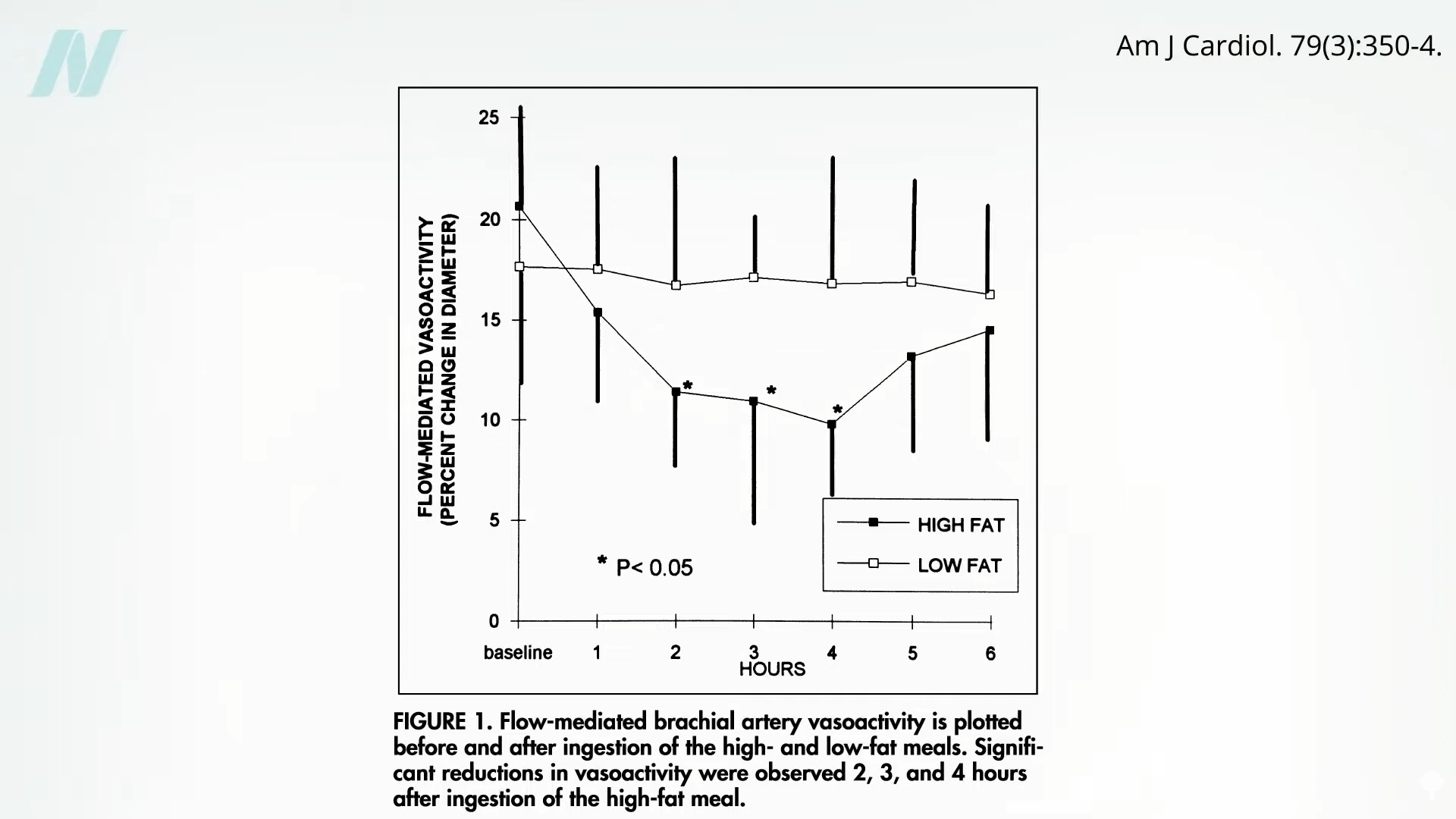
- T+0 (Meal Consumption): The meal is ingested. Digestion begins, and the body initiates the process of lipid absorption.
- T+1 to T+2 (The Initial Shift): As fats enter the bloodstream, the endothelial lining of the arteries begins to sense a shift. Free radical formation increases, and the body’s ability to produce nitric oxide—a vital molecule for vessel dilation—is inhibited.
- T+3 to T+4 (Peak Inflammation): The systemic inflammatory response peaks. Inflammatory cells are recruited, and oxidative stress reaches a level where arterial flexibility is severely limited.
- T+5 to T+6 (The Recovery Window): The body finally begins to regain homeostasis, and arterial function starts to recover.
- The Problem: Just as the body reaches baseline recovery, the next meal occurs.
This creates a "constant hammering" effect. By eating high-fat meals at breakfast, lunch, and dinner, the body is forced into a state of perpetual inflammation. There is no recovery window; the arteries are never truly at rest, leading to a chronic state of stress that accelerates the aging process of the cardiovascular system.
Supporting Data: From Arteries to Airways
The damage is not confined to the heart. The inflammatory surge triggered by high-fat meals is systemic, extending its reach to the pulmonary system.
The Pulmonary Link
Research has shown that high-fat challenges increase airway inflammation, particularly in individuals with asthma. In clinical studies, patients who consumed a high-fat meal exhibited a significant increase in inflammatory cells within their sputum (mucus) within four hours.
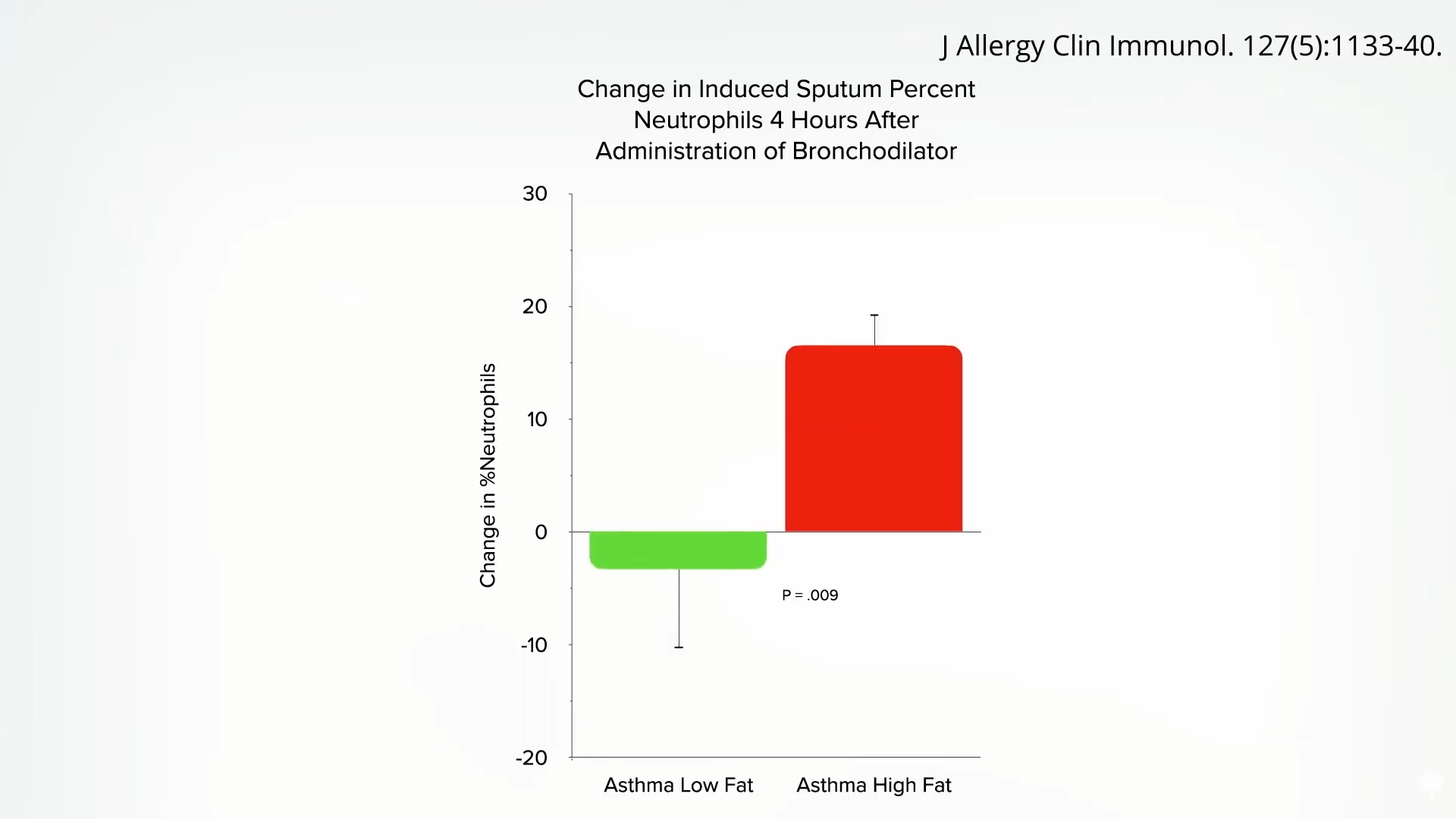
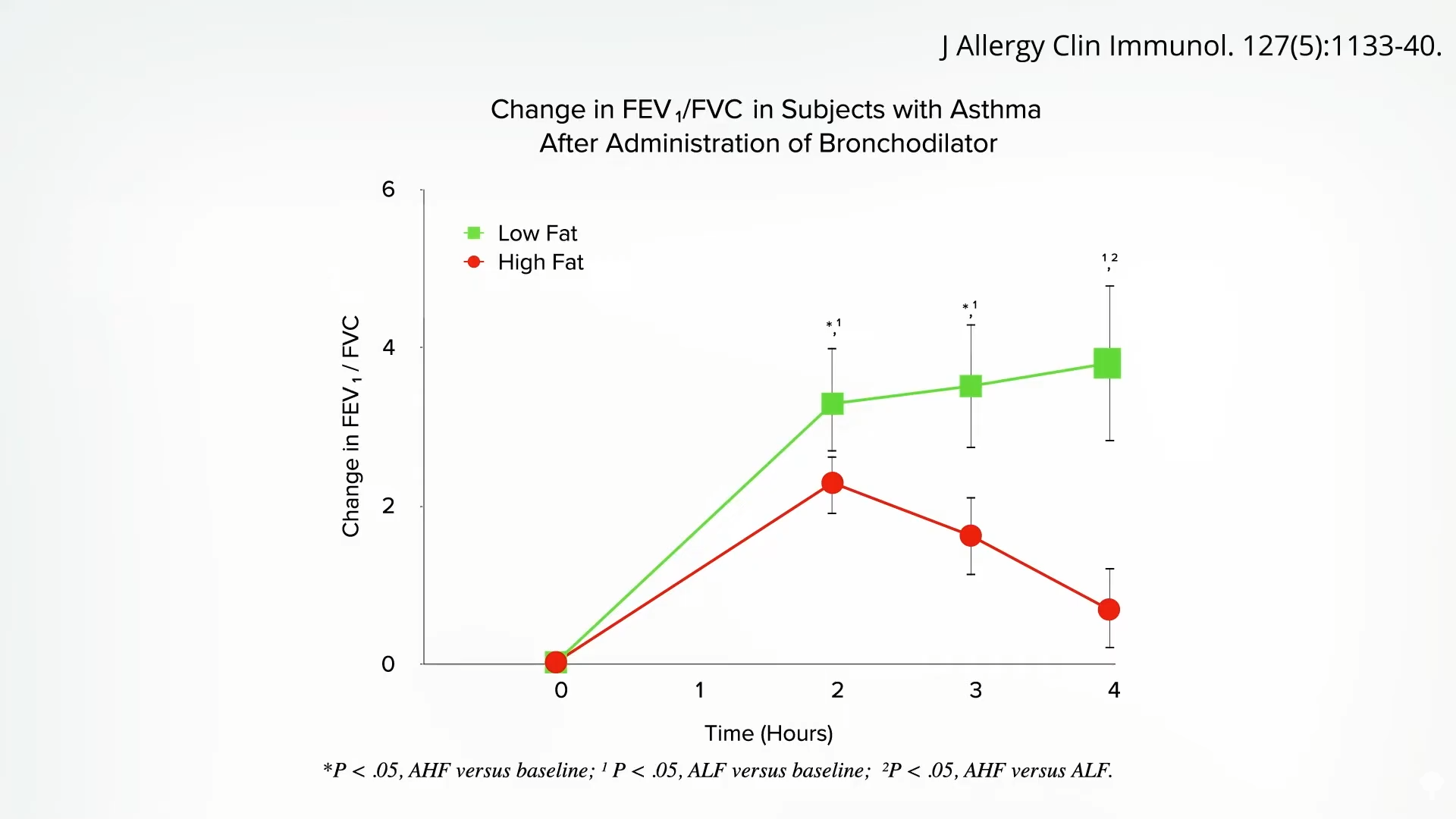
Perhaps more concerning is the impact on medication efficacy. When patients were administered standard doses of bronchodilators (such as albuterol/Ventolin), the drugs performed as expected following a low-fat meal. However, after a high-fat meal, the same dosage failed to provide the same level of airway relief. The inflammation induced by the meal effectively "blocked" the medication’s ability to work, suggesting that diet plays a critical role in the management of chronic respiratory conditions.
The Cellular Mechanism
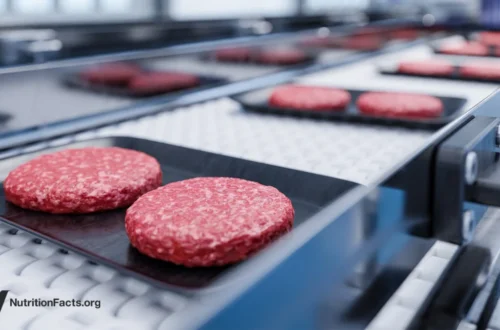
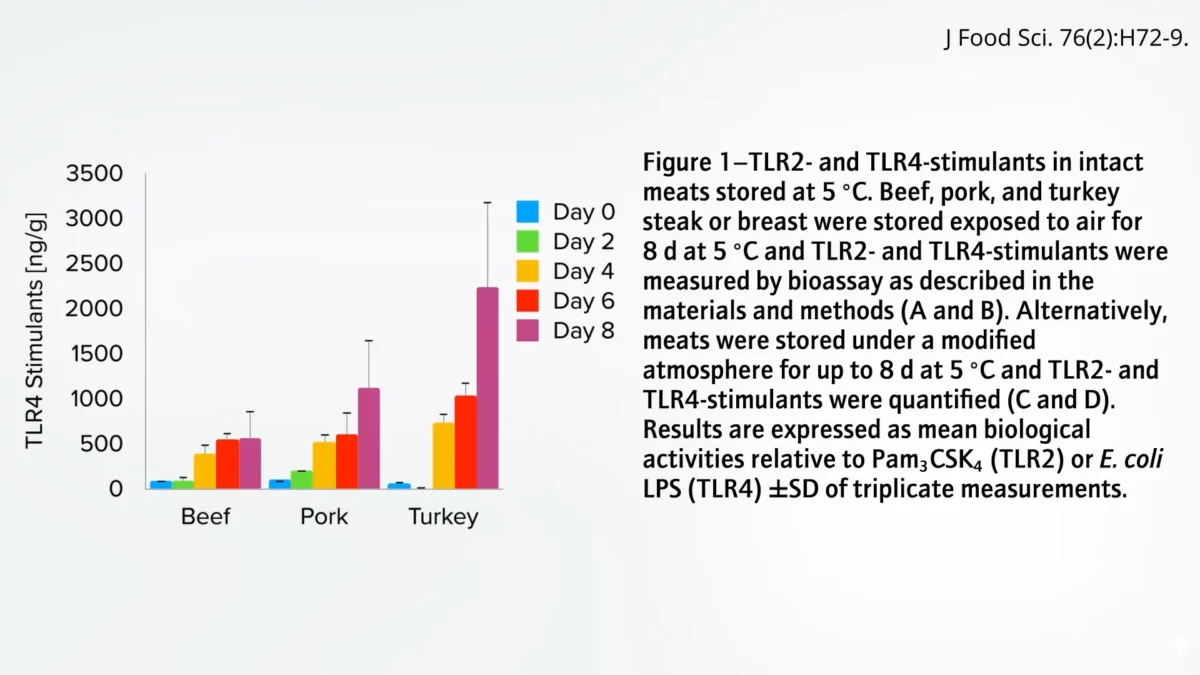
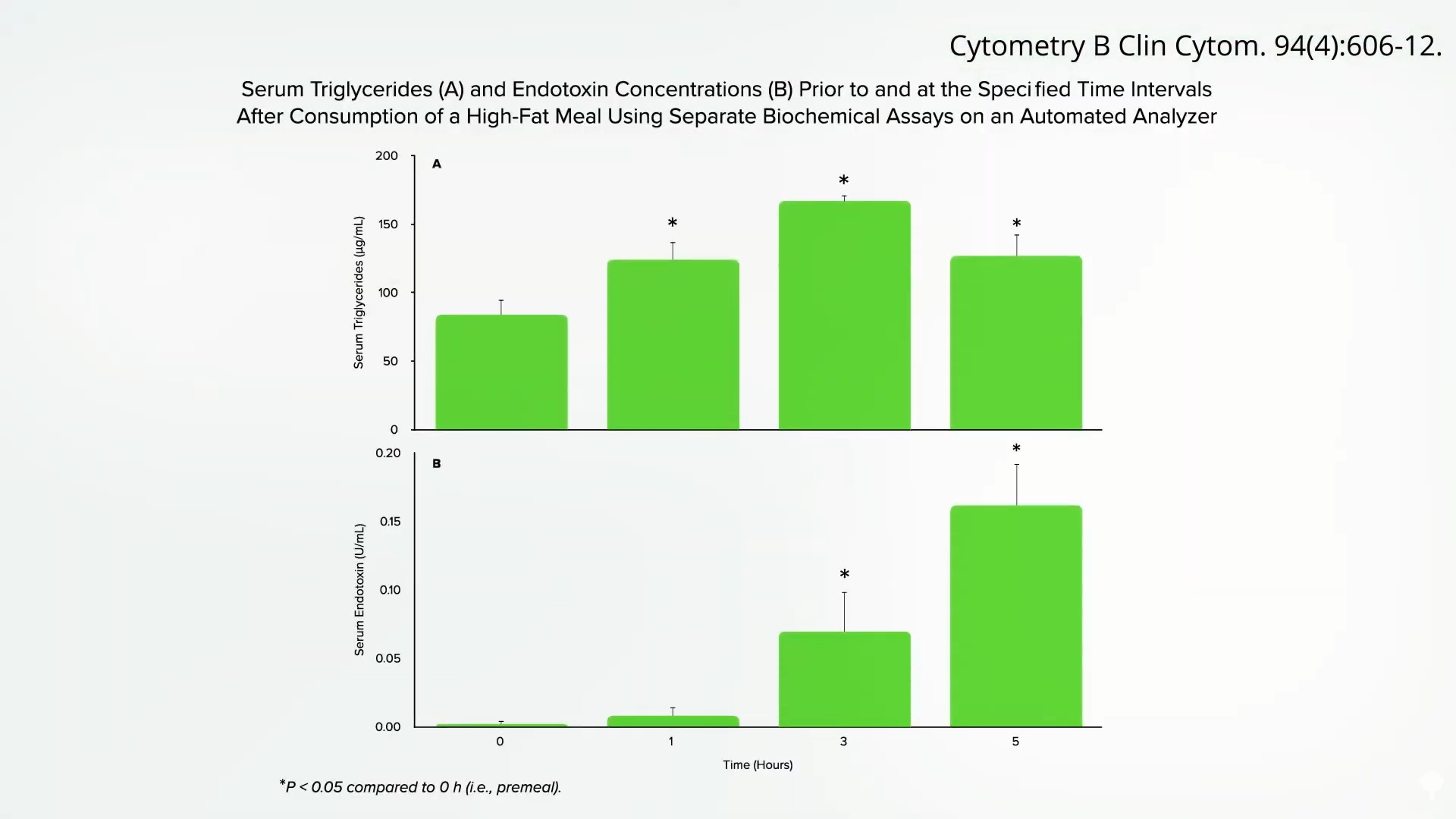
The damage is driven by more than just high cholesterol levels. Recent data points to the role of endotoxins—components of bacterial cell walls. Foods like meat, which can harbor high levels of bacteria (both dead and alive), introduce these endotoxins into the bloodstream.
Once in the blood, these toxins trigger an immune response. This leads to an increase in oxidized LDL cholesterol, which is then absorbed by white blood cells. These cells transform into "foam cells," the fundamental building blocks of the plaque that clogs arteries. While some researchers previously debated the role of endotoxins, recent studies (circa 2020) indicate that saturated fat itself acts as a potent pro-inflammatory agent, directly stimulating the body’s innate immune system and promoting the formation of arterial plaque.
Official Responses and Scientific Consensus
The scientific community has shifted its focus from cholesterol numbers alone to the broader concept of "metabolic flexibility" and post-meal health. Leading health organizations increasingly emphasize the importance of the type of fat consumed.
While the "butter is back" movement once suggested that saturated fats might be neutral, subsequent high-level clinical trials have reinforced that replacing saturated fats with plant-based, unsaturated fats significantly improves arterial function. The consensus is that the acute, meal-by-meal impact of saturated fat is a significant contributor to the global rise in chronic metabolic diseases. Health professionals are now advising that the goal should not just be to "avoid heart disease," but to actively protect the endothelium during every meal of the day.
Implications: Reclaiming Control Over Our Health
The implications of this research are profound: we are not merely victims of our genetics. We are the architects of our internal environment, making choices several times a day that either promote inflammation or support cellular health.
The Path Forward
- Meal Composition: Reducing intake of saturated fats (meat, dairy, eggs) is the most immediate way to prevent post-prandial arterial dysfunction.
- The Protective Effect: While the focus has been on avoiding damage, research is also exploring how certain foods—rich in antioxidants and nitrates—can help "buffer" the arteries against potential damage.
- The Role of Exercise: Emerging research suggests that physical activity may play a role in mitigating some of the negative effects of a high-fat meal, though it is not a "cure-all" that justifies poor dietary choices.
- Long-term Sustainability: Understanding that we spend most of our lives in a post-meal state changes the paradigm of preventative medicine. It moves the focus from "what I eat once in a while" to "what I eat every day."
In conclusion, the "after-meal state" is a hidden frontier of health. By recognizing that every bite of food has an immediate, measurable impact on the health of our arteries and lungs, we can begin to make more informed choices. The goal is to minimize the inflammatory "hits" to our systems and prioritize foods that allow our cardiovascular and respiratory systems to function at their peak, rather than fighting a constant, self-inflicted battle.
For those looking to deepen their understanding, further study into the interplay between diet, exercise, and arterial health is essential. The journey to a healthier heart and clearer lungs begins at the dinner table, one meal at a time.