Main Facts
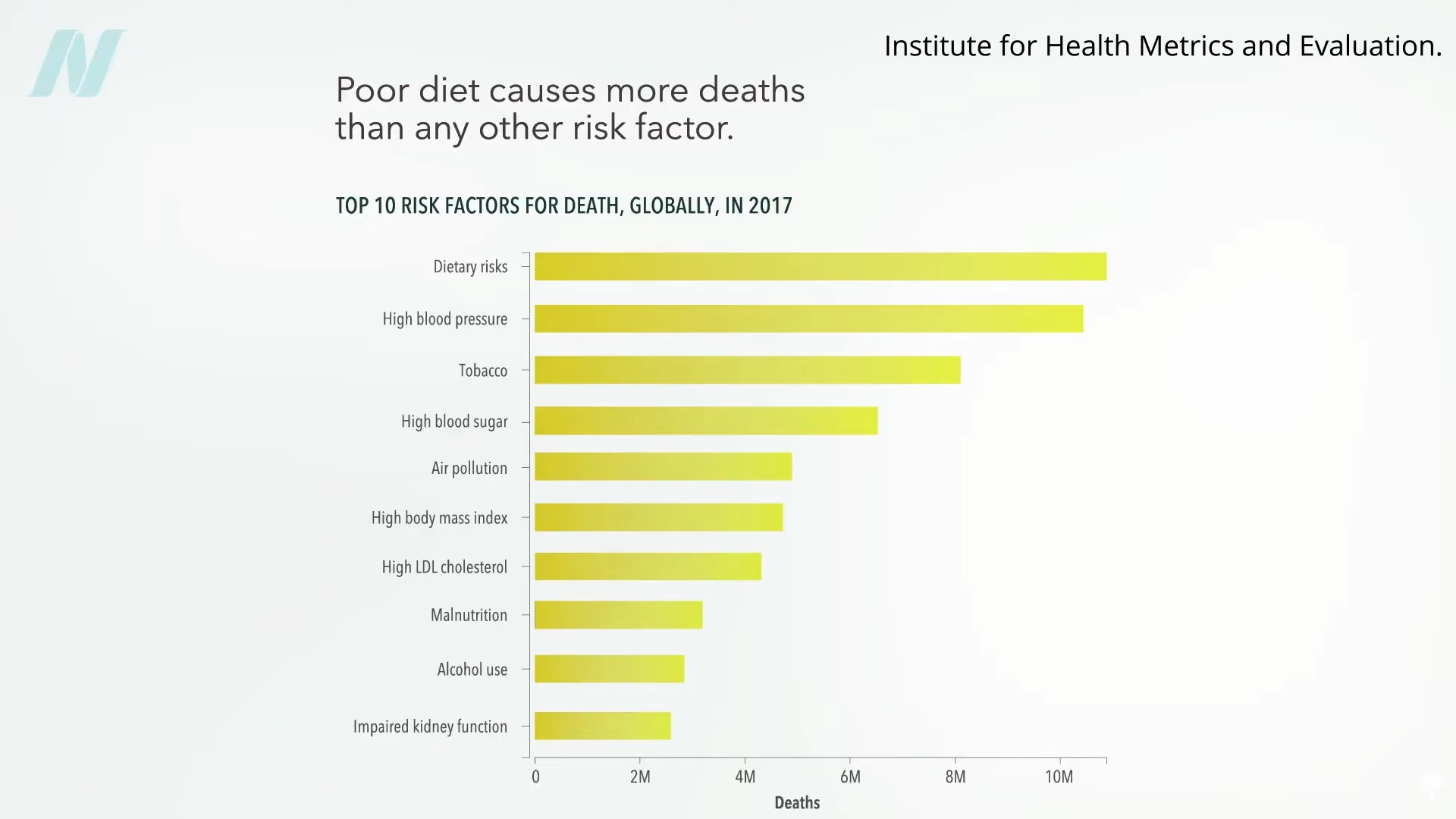
High blood pressure stands as the second leading risk factor for death worldwide, claiming more than 10 million lives each year. Only unhealthy diets rank higher among global risk factors for mortality. At the core of this cardiovascular crisis lies a modern dietary imbalance: a massive overconsumption of sodium coupled with a severe deficiency in potassium.
Historically, human evolutionary adaptation fostered a dietary profile rich in potassium-dense plant foods—including fruits, vegetables, leafy greens, roots, and tubers—alongside exceptionally low sodium intake. Over time, industrial food production replaced these whole foods with calorie-dense, heavily processed junk foods loaded with added fats and sugars. These ultra-processed products are stripped of both dietary fiber and essential potassium.
To combat this, public health initiatives increasingly advocate for whole, plant-based foods such as greens and beans, which naturally lower blood pressure. However, because changing lifelong dietary habits can be challenging, researchers and clinicians are turning attention toward an accessible dietary intervention: potassium chloride salt substitutes.
Clinical data demonstrates that swapping sodium chloride for potassium chloride successfully lowers blood pressure. Meta-analyses of randomized controlled trials show that substitutes containing less than 30 percent potassium chloride deliver meaningful cardiovascular benefits while remaining virtually indistinguishable in taste from regular table salt for most consumers. Despite these profound health advantages, a widespread reluctance persists regarding the widespread promotion of potassium-based salt substitutes due to rare safety concerns, specifically among individuals with impaired kidney function.
Chronology of Dietary Evolution and Salt Substantially
- Pre-Agricultural Era: Human physiology evolved on a predominantly plant-based diet, characterized by high daily potassium intakes (estimated up to 15,000 mg) and minimal sodium consumption.
- The 1940s: Early medical literature documented toxicological investigations into salt substitutes, notably highlighting historic risks associated with the use of lithium chloride rather than potassium-based alternatives.
- Late 20th Century to Present: The global transition toward ultra-processed, high-sodium diets propelled hypertension to the forefront of global mortality risks, claiming over 10 million lives annually.
- Modern Clinical Research Era: Numerous randomized controlled trials and meta-analyses established the blood-pressure-lowering efficacy of potassium chloride salt substitutes, confirming that blends containing under 30% potassium chloride offer a seamless culinary transition.
- Contemporary Paradigm Shift in Nephrology: Medical perspectives on chronic kidney disease (CKD) began shifting away from the traditional strict restriction of dietary fruits and vegetables, recognizing instead that plant-based whole foods may help slow the progression of renal decline.
Supporting Data and Clinical Evidence
The physiological demand for potassium is anchored in cellular mechanics, where healthy kidneys play a vital role in electrolyte excretion. Optimal dietary potassium intake—informed by evolutionary biology—vastly exceeds current clinical recommendations.
Blood Pressure and Salt Substitution Trials
A comprehensive meta-analysis of more than a dozen randomized controlled trials confirms that replacing regular sodium chloride with potassium chloride effectively reduces hypertension. Most evaluated trials utilized salt substitutes containing less than 30 percent potassium chloride. Surprisingly, participants reported minimal to no sensory differences, proving that cardiovascular protection does not require sacrificing culinary flavor.

Pharmacokinetics and Renal Processing
For healthy individuals, the human body efficiently manages excess potassium through renal excretion. Research demonstrates that long-term potassium supplementation at doses up to 3,000 mg daily produces no adverse effects. Furthermore, healthy kidneys maintain blood potassium levels within the normal physiological range (3.5 to 5.0 mmol/L) even when intake scales up to 15,000 mg daily.
In clinical trials involving potassium salt substitutes where participants received an average of 2,000 daily milligrams, systemic blood potassium levels increased by an average of only 0.14 mmol/L (e.g., shifting from 4.0 to 4.14 mmol/L)—well below safety thresholds.
Extreme Outliers and Toxicology
While severe hyperkalemia (potassium levels reaching or exceeding 6.0 mmol/L) is dangerous, reaching this state through normal dietary means is exceedingly rare. Documented cases of extreme hyperkalemia typically involve pathological anomalies, such as consuming up to 20 bananas daily for years, or ingesting massive quantities of specific produce (such as juicing 10 pounds—roughly 75 carrots—daily as part of an unverified alternative therapy).
Regarding acute toxicity, historical and toxicological data indicate that while extreme overdoses of potassium chloride or concentrated sodium (such as ingesting concentrated salt water) can be fatal, standard culinary and replacement applications pose virtually no risk to healthy populations.
Official Responses and Regulatory Perspectives
Regulatory bodies and health organizations maintain cautious frameworks regarding high-potassium initiatives, primarily due to safety considerations for vulnerable sub-populations.
- U.S. Food and Drug Administration (FDA): Potassium chloride is officially classified as "Generally Recognized as Safe" (GRAS). However, regulatory caution and labeling requirements remain in place to protect consumers with underlying health vulnerabilities.
- Nephrology and Cardiology Societies: Medical guidelines have historically urged caution regarding potassium-based salt substitutes due to the risk of hyperkalemia in specific clinical groups. Populations at risk include individuals with:
- Severe chronic kidney disease (CKD)
- Diabetes mellitus (frequently a precursor to renal complications)
- Advanced heart failure
- Adrenal insufficiency
- Patients taking specific medications that inhibit potassium excretion (such as certain potassium-sparing diuretics or ACE inhibitors)
- Older adults with age-related declines in glomerular filtration rate
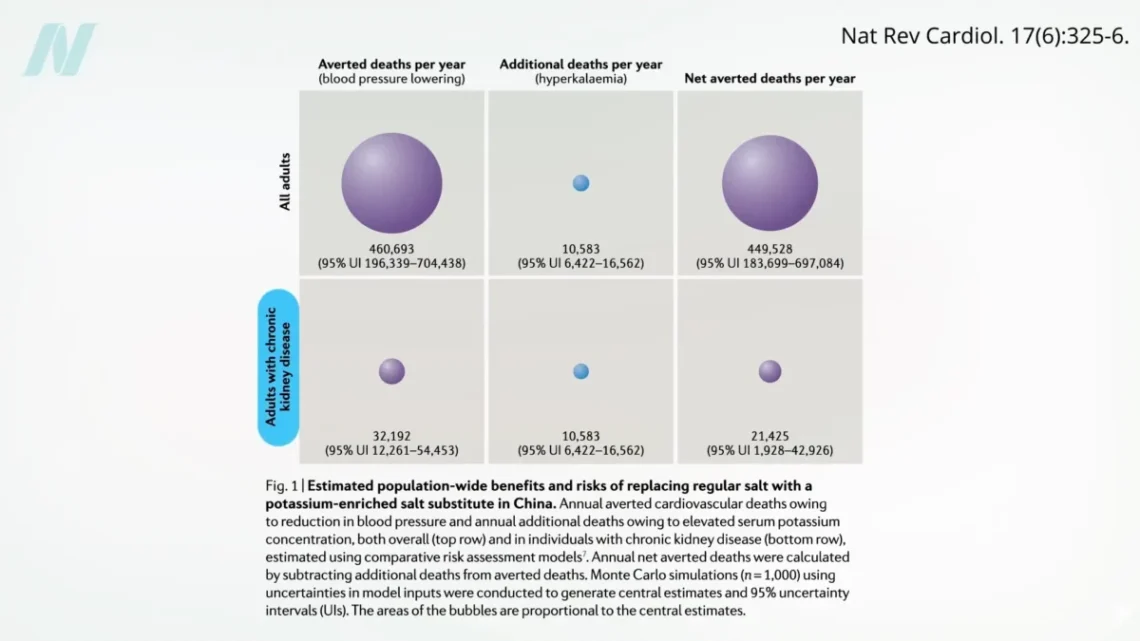
Despite these recognized risks, modern health economic and epidemiological models suggest that the widespread adoption of potassium chloride salt substitutes would ultimately save more lives globally by reducing stroke and hypertension mortality than the number of adverse events triggered in vulnerable groups. Consequently, expert consensus is evolving to encourage broad public adoption while advising individuals uncertain of their renal health to consult a physician for a basic kidney function test.
Implications for Public Health and Clinical Practice
The intersection of dietary sodium reduction, potassium supplementation, and renal care points toward a major overhaul of chronic disease management.
Rethinking Renal Diets
For decades, clinical nephrology dictated strict dietary limitations on high-potassium fruits and vegetables for patients suffering from kidney disease. Contemporary evidence challenges this dogma. Emerging data indicates that whole-food, plant-based diets may actually ameliorate chronic kidney disease, slow its progression, and delay the onset of kidney failure. Medical experts now argue that broad potassium restrictions should be reserved strictly for patients with documented, persistent hyperkalemia (potassium levels of 6.0 mmol/L or higher). The true therapeutic pathway to halting renal decline may reside directly in the produce aisle.
Culinary Integration and Palate Adaptation
Transitioning away from a salt-heavy diet involves a neurological and sensory adjustment period. While sodium-free potassium chloride substitutes can sometimes impart a bitter or metallic taste when used exclusively, they integrate seamlessly into specific savory dishes—such as herb-heavy pestos or complex soups. Culinary research indicates that within a few weeks of reducing sodium intake, human taste receptors recalibrate, allowing individuals to enjoy natural food flavors without heavy salt seasoning.
Public Health Takeaway
Ultimately, addressing the global burden of hypertension requires a dual approach: reintroducing potassium-rich whole plant foods into daily nutrition and intelligently utilizing potassium chloride salt substitutes across populations with healthy kidney function. By bridging evolutionary dietary patterns with modern food science, global health authorities possess a powerful, cost-effective tool to mitigate the leading risk factors for global mortality.