Please note: This article discusses the critical and sensitive issues of weight bias, body discrimination, and public health, which may be emotionally challenging for some readers.
Modern medicine and public health initiatives have long struggled to address the complex crisis of metabolic health and body weight. Yet, hidden beneath clinical conversations about body mass index (BMI), caloric intake, and systemic health lies a pervasive, socially sanctioned psychological burden: weight stigma.
Far from serving as a motivational tool to encourage healthy lifestyle changes, weight bias acts as a powerful catalyst for worsening physical health, psychological distress, and systemic discrimination. As researchers, clinicians, and public health advocates re-examine how society addresses weight, a stark reality is emerging—shaming individuals does not cure obesity; instead, it deepens a destructive cycle of trauma, physiological stress, and systemic isolation.
Main Facts: The Vicious Cycle of Weight Stigma and Stress
To understand the mechanics of weight stigma, researchers must first separate the physiological impacts of dieting from the emotional toll of societal discrimination. While extreme measures like total fasting can dramatically spike cortisol—the body’s primary stress hormone—doubling levels within five days, routine caloric restriction alone does not inherently trigger chronic psychosocial stress.
Instead, the true psychological hazard stems from how society treats individuals living in larger bodies. Longitudinal studies tracking thousands of individuals over four-year periods have revealed alarming correlations. Participants who reported experiencing regular weight-based discrimination faced more than twice the odds of eventually becoming obese compared to those who did not face discrimination. Furthermore, individuals who started the study already categorized as obese had more than three times the odds of remaining in that weight category if they experienced discrimination, compared to peers of the same starting weight who were spared such bias.
This phenomenon operates through two primary behavioral pathways:
- Stress-Induced Eating: Psychological trauma and social rejection trigger cortisol production, which frequently prompts emotional or comfort eating as a coping mechanism on the calorie-balance equation.
- Exercise Avoidance: The fear of public ridicule, judgment, and embarrassment drives individuals away from shared physical spaces, effectively restricting their access to fitness infrastructure.
The Gym Environment: An Unwelcoming Landscape
Fears of being "too fat to exercise" are rarely unfounded. Documented research highlights strong, pervasive anti-fat biases among fitness professionals and regular gym-goers alike. This cultural prejudice frequently translates into hostile, unwelcoming environments at local fitness centers, commercial health clubs, and recreational facilities, effectively locking vulnerable populations out of the very spaces designed to promote physical well-being.
Chronology: The Evolution and Backlash of Public Health Shaming
The debate over whether to use social pressure as a public health instrument is not new; it mirrors historical efforts to curb other public health hazards, such as tobacco use.
The Tobacco Playbook vs. Modern Obesity Campaigns
Decades ago, public health crusaders successfully shifted public perception around cigarette smoking, turning what was once viewed as a casual bad habit into socially reprehensible behavior. Proponents of applying this framework to weight argue that social pressure can act as an effective counterweight to the billions of dollars spent annually by the fast-food and beverage industries on marketing.
Notably, the President Emeritus of the prestigious Hastings Center once advocated for “a kind of stigmatization lite,” arguing that mild social pressures could compel people to lose weight without resorting to outright malice, recalling how personal social shaming helped him overcome nicotine addiction.
However, when public health campaigns have attempted to replicate the tobacco playbook for body weight, they have met fierce, organized resistance.

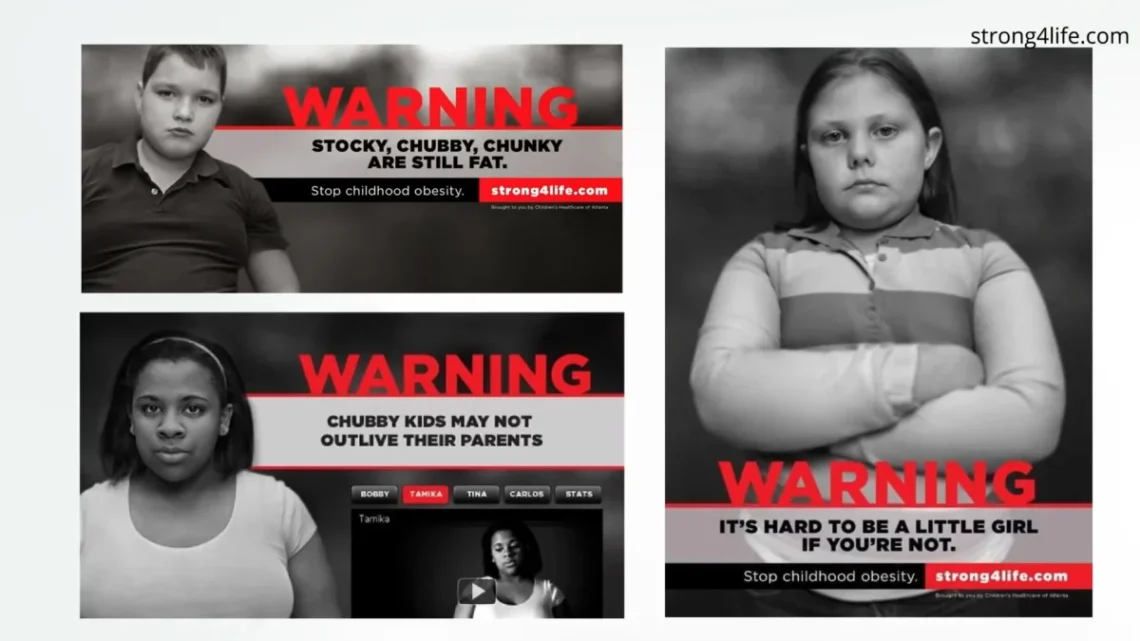
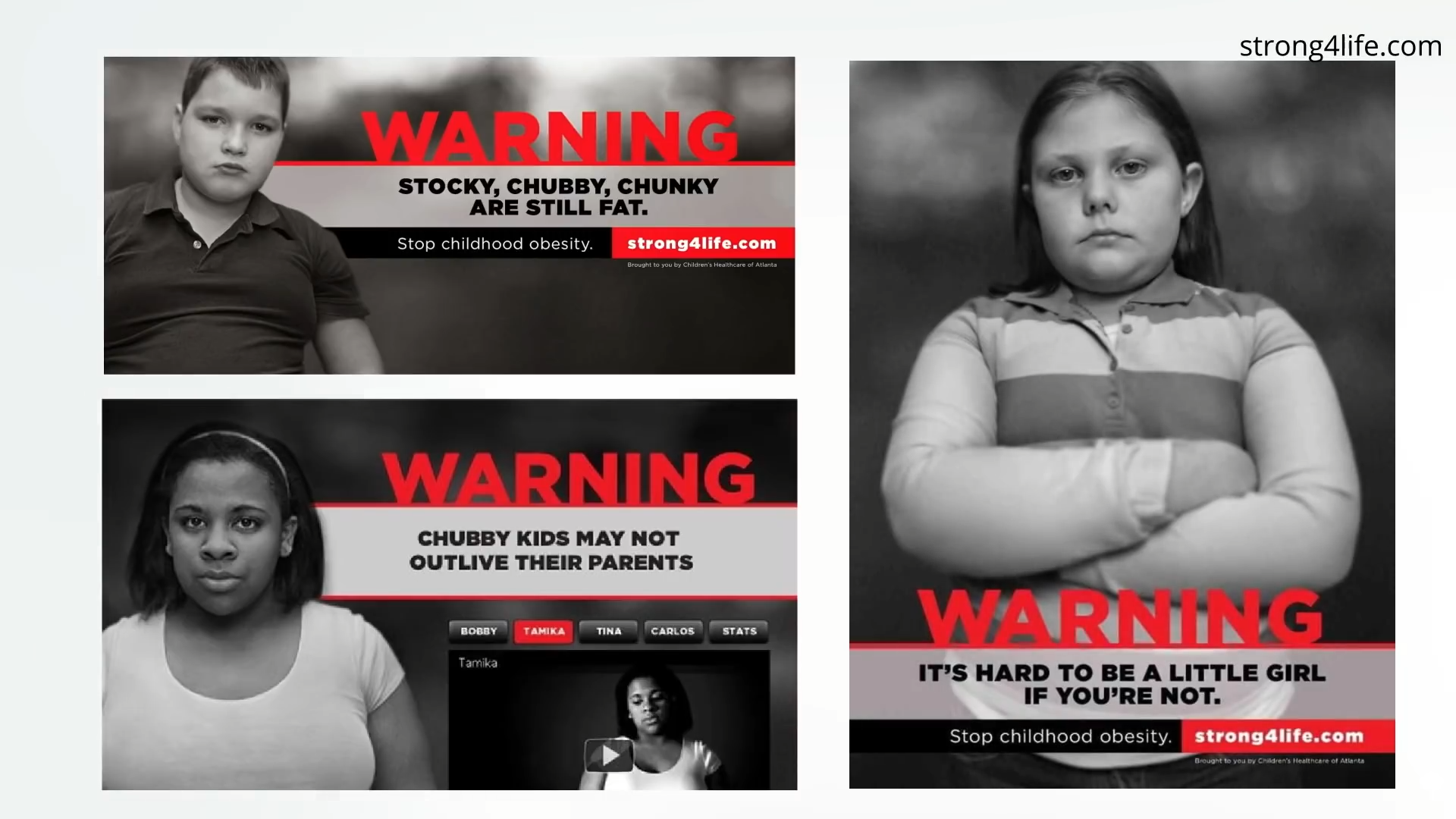
- The Strong4Life Campaign: In the early 2010s, Georgia launched its high-profile Strong4Life childhood obesity initiative. The campaign featured stark billboards displaying morose-looking, heavier children accompanied by provocative captions such as, "Warning: Chubby kids may not outlive their parents" and "It’s hard to be a little girl if you’re not."
- The Defense: Campaign sponsors vehemently defended the advertisements, arguing that drastic measures were required to cut through widespread parental denial in a state with some of the highest childhood obesity rates in the nation.
- The Reality: Critics and researchers argued that such aggressive messaging violated core public health ethics by blaming and alienating the very children the campaign purported to protect.
Supporting Data: What the Science Tells Us About Stigma and Behavior
Public health interventions can only be defended if they yield positive outcomes. When it comes to weight stigma, the scientific consensus points in the exact opposite direction.
The Yale M&M Experiment
In a controlled study conducted by researchers at Yale University, normal-weight and overweight women were exposed to different video clips. Some viewed neutral material, such as standard insurance commercials, while others viewed stigmatizing media content that reinforced lazy, clumsy, and loud stereotypes about individuals with higher body weights. Afterward, participants were provided with open bowls of M&Ms, jelly beans, and potato chips.
- Normal-Weight Women: Showed no significant change in snack consumption regardless of whether they watched the neutral or the stigmatizing videos.
- Overweight Women: Tripled their caloric intake after watching the stigmatizing media scenes.
The researchers concluded that these findings directly challenge the common assumption that pressure, shaming, and weight stigma exert a positive, motivating influence. Instead, stigmatizing individuals serves as a trigger that exacerbates emotional eating patterns. Additional pediatric data shows that children labeled as "too fat" during their early years face a significantly elevated risk of developing long-term obesity compared to peers of identical weight who were never subjected to such labels.
Independent Health Hazards of Discrimination
Beyond weight fluctuations, encountering chronic weight bias inflicts direct physiological and psychological damage:
- Elevated rates of clinical depression.
- Higher systemic markers of chronic inflammation.
- Accelerated cellular aging through elevated oxidative stress.
- A 50% increase in mortality risk, demonstrated by studies tracking nearly 20,000 individuals over extended periods, proving that weight discrimination independently shortens life expectancy.
Official Responses and Medical Complicity
Despite overwhelming evidence highlighting the hazards of bias, systemic failures persist across medical institutions, patient-doctor relationships, and parental awareness.
The Mass Delusion of Weight Status
Just as veterinary studies show many pet owners fail to recognize when their animals are clinically overweight, human parents demonstrate a striking lack of objectivity regarding their children. Gallup surveys indicate that parents are notoriously poor judges of their children’s physical status. Similarly, self-reported data from adults reveals that the percentage of people describing themselves as overweight has remained largely stagnant over recent decades, despite skyrocketing epidemiological rates. Gallup experts characterized this trend as a "mass delusion" regarding rising weight across the United States.
The Role of the Physician
Patients retain an inherent right to receive accurate medical information regarding their health. Research demonstrates that individuals explicitly told by a physician that they are carrying excess weight exhibit roughly four times the odds of attempting weight loss and twice the odds of succeeding.
However, the medical community itself struggles with internal bias:
- Overweight Physicians: Much like smoking physicians are less likely to counsel patients on quitting, overweight primary care providers are historically less likely to bring up weight management or properly document obesity in patient medical charts.
- Trust Dynamics: Ironically, studies show that overweight patients frequently place higher trust in dietary advice delivered by overweight doctors compared to their normal-weight peers.
- Systemic Neglect: Fewer than half of surveyed primary care physicians offer actionable, specific weight management advice, often reducing consultations to vague directives like "watch what you eat." Most surveyed doctors cite a lack of financial reimbursement for time-intensive nutritional counseling as the primary barrier to providing proper care.
Implications: The Lived Experience of Severe Obesity
To truly grasp the profound psychological weight of living in a biased society, researchers must look beyond clinical charts and examine the lived experiences of those who have navigated both worlds.
In a landmark study, researchers interviewed 47 individuals who had successfully lost and maintained a weight loss of over 100 pounds (averaging 126 pounds lighter). These participants possessed unique insight, having experienced life inside a morbidly obese body followed by life at a normal weight.
The Multi-Million Dollar Question
Researchers asked participants to look back and make a hypothetical choice:
"If someone offered you a couple of million dollars on the condition that you remained morbidly obese forever, would you choose the money, or would you choose to be of normal weight no matter what?"
- Option 1: Give up the money instantly to be of normal weight. (Decision time: one second).
- Option 2: Lean toward normal weight, though the money would require careful thought.
- Option 3: Keep the multi-million dollar fortune and live with permanent morbid obesity.
Out of 47 participants, 46 chose Option 1 instantly. Not a single participant selected Option 3. Every single respondent stated they would gladly forfeit becoming a multi-millionaire simply to avoid returning to a life inside an obese body.
Comparing Disabilities
When researchers pushed the inquiry further by comparing obesity to other severe life-altering conditions, the results defied traditional psychological trends. Typically, when individuals with disabilities (such as blindness or deafness) are asked if they would switch conditions, they overwhelmingly prefer their familiar state because they have adapted to it.
However, among the 47 formerly obese individuals, the exact opposite occurred:
- Nearly 100% stated they would rather live with deafness, dyslexia, diabetes, severe acne, or chronic heart disease for the rest of their lives than return to obesity.
- Over 90% stated they would rather endure a leg amputation.
- Roughly 90% stated they would rather be legally blind.
Obesity stood alone as the singular human condition where virtually every participant preferred to switch to an alternative disability, regardless of cost.
As one participant poignantly summarized:
"When you’re blind, people want to help you. No one wants to help you when you’re fat."
Conclusion
The persistent culture of fat-shaming and weight stigma offers no legitimate public health utility. As summarized by clinical commentators in response to pro-stigma advocates: "If shaming reduced obesity, there would be no fat people."
Moving forward, the medical community and society at large must pivot away from punitive rhetoric, victim-blaming, and discriminatory frameworks. Fostering an environment of empathy, comprehensive medical support, and accessible, judgment-free healthcare infrastructure is not merely a matter of social justice—it is an absolute biological necessity for saving lives.