Main Facts: The Great Red Meat Controversy
In what many public health experts have branded a baffling departure from decades of established scientific consensus, a controversial series of papers published in the Annals of Internal Medicine put forward a striking proposition: individuals should continue their current consumption of red and processed meats.
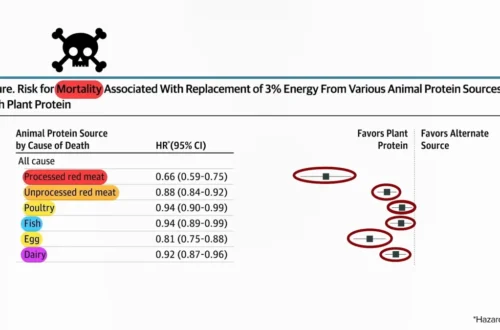
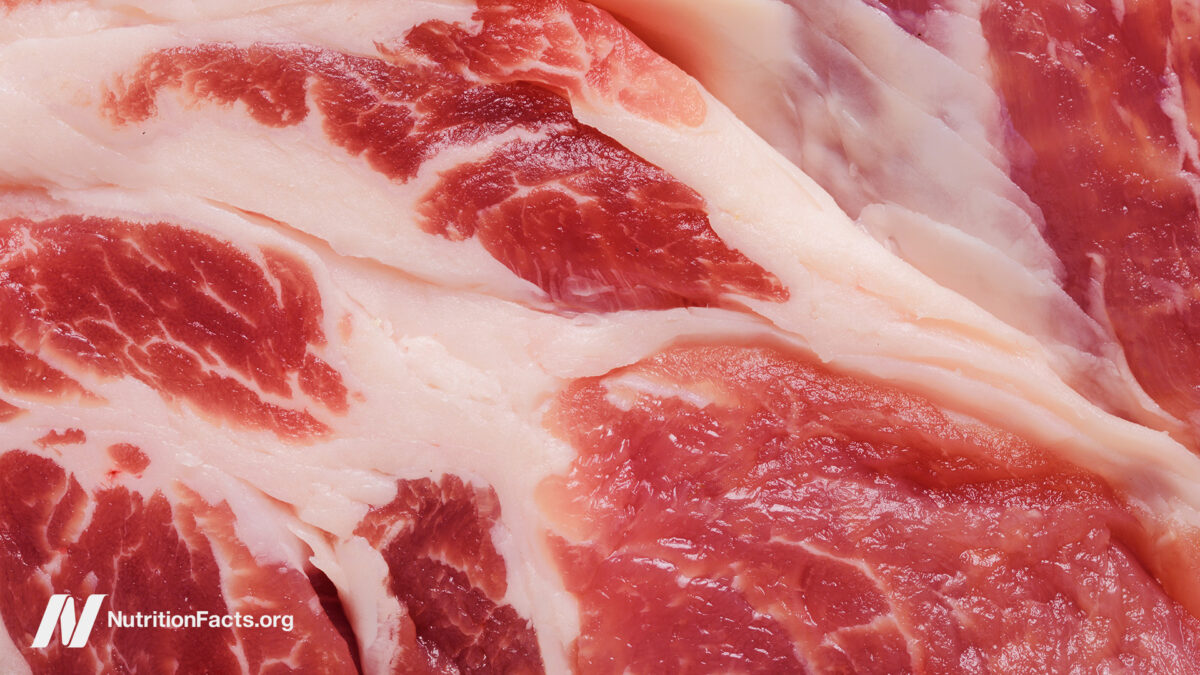
This recommendation arrived despite the fact that the underlying data and meta-analyses within the studies themselves confirmed an association between heavy meat intake and heightened risks of severe medical conditions. These included premature death, cardiometabolic disorders such as type 2 diabetes and heart disease, and various forms of cancer.
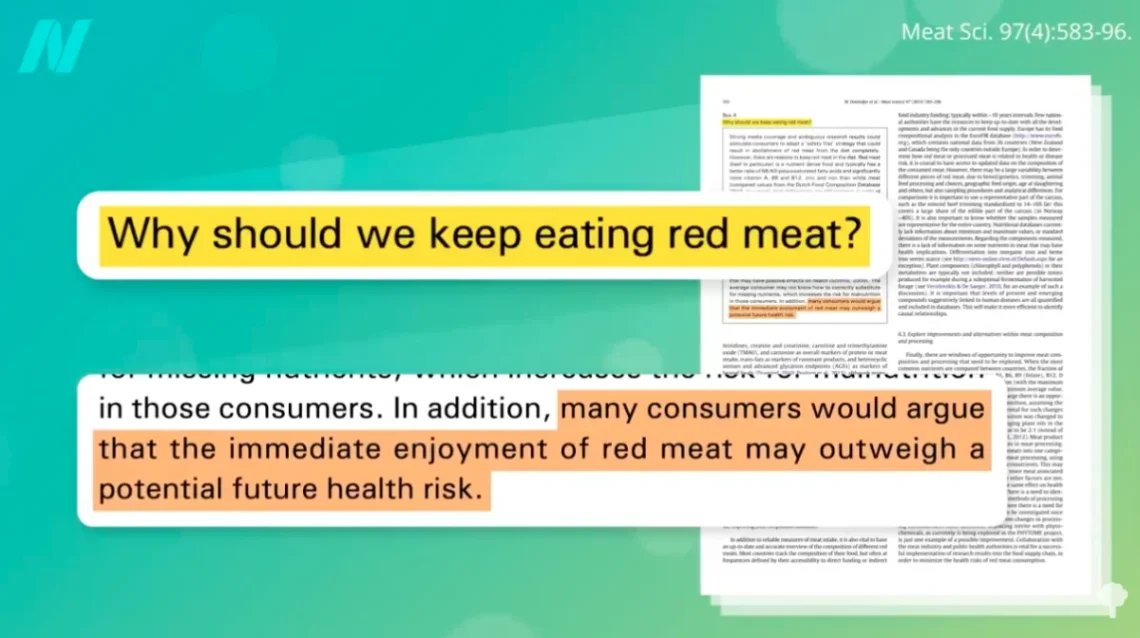
The core tension of the controversy does not lie in a profound disagreement over raw data, but rather in the interpretation of risk versus reward. While the panel’s own systematic reviews acknowledged clear health hazards, they ultimately concluded that the statistical risks were "acceptable" when weighed against a very specific human metric: people simply enjoy eating meat.
By prioritizing culinary satisfaction—often described in academic literature as the "taste cost" of dietary compliance—over physiological longevity, the guidelines triggered a fierce backlash across the global nutritional and medical communities. Critics argued that prioritizing personal preference over empirical risk establishes a dangerous precedent, effectively reducing public health advisories to subjective lifestyle choices rather than evidence-based mandates for survival.
Chronology: How the Controversy Unfolded
To understand how nutritional guidelines arrived at a crossroads that sidelined traditional public health advice, it is essential to trace the timeline of events, institutional backing, and academic publication that brought the debate to a boil.
The Foundation of NutriRECS and Methodology Shifts
The controversy began taking formal shape with the formation of NutriRECS, an international consortium of researchers aiming to revolutionize nutritional guidelines by focusing heavily on patient values and preferences. Early on, the consortium adopted the GRADE (Grading of Recommendations Assessment, Development, and Evaluation) system. Originally engineered to assess the strict parameters of pharmaceutical drug trials—where randomized, double-blind, placebo-controlled environments are standard—the GRADE framework evaluates the quality of evidence.
Application of GRADE to Lifestyle Factors
When applied to nutrition, lifestyle, and environmental factors, however, the strictness of GRADE creates an unavoidable bottleneck. Because conducting multi-decade, double-blind dietary trials where humans are randomly assigned to eat burgers or broccoli for their entire lives is practically and ethically impossible, nearly all observational nutritional science scores poorly under GRADE, frequently categorized as "low" or "very low" quality.
Critics note that if GRADE were applied universally, recommendations regarding passive smoking, air pollution, physical inactivity, alcohol consumption, and low fruit and vegetable intake would similarly lose their high- or moderate-quality evidentiary backing.
The 2019 Annals of Internal Medicine Publications
In late September 2019, the NutriRECS-affiliated researchers published their suite of systematic reviews and guidelines in the Annals of Internal Medicine. Largely discounting observational studies in favor of randomized trials—while simultaneously ignoring the logistical barriers of such trials in nutrition—the papers acknowledged statistical links to cancer and heart disease but still arrived at a startling final verdict: consumers could safely maintain their current levels of unprocessed red and processed meat consumption.
Immediate Global Backlash
The release triggered an immediate uproar. Prominent nutrition scientists, public health institutions, and institutional leaders worldwide mobilized against the findings. Petitions were filed, open letters were drafted, and nutritionists accused the authors of generating confusion that threatened decades of public health education regarding heart disease and colorectal cancer.
Supporting Data: Risks Versus Preferences
The data compiled within the studies at the center of the controversy paint a vivid picture of the physiological impacts of meat consumption, juxtaposed against the psychological and behavioral metrics of consumer preference.
The Measurable Harms of Red and Processed Meats
Even under the scrutinizing lens of the consortium’s reviews, the numerical links between meat consumption and chronic disease remained statistically significant. According to data highlighted by public health researchers evaluating the findings:
- Total Mortality: A moderate reduction in red and processed meat consumption is associated with a 13% reduction in total mortality risk.
- Cardiometabolic Disease: Heart disease mortality can drop by up to 14%, while the risk of developing type 2 diabetes decreases by 24%.
- Cancer Risks: Cancer-related mortality rates show an estimated drop of 11% with decreased consumption.
These figures align with decades of prior epidemiological research linking compounds found in processed meats (such as nitrates and nitrites) and red meats (such as heme iron and heterocyclic amines during high-temperature cooking) to cellular damage and oncogenesis.
The "Taste Cost" and Behavioral Economics
Faced with data showing that reducing meat consumption could prevent family-devastating diseases, the panel turned its attention to behavioral science. Citing systematic reviews on consumer values and preferences, the authors emphasized that omnivores derive significant psychological and sensory satisfaction from eating meat.
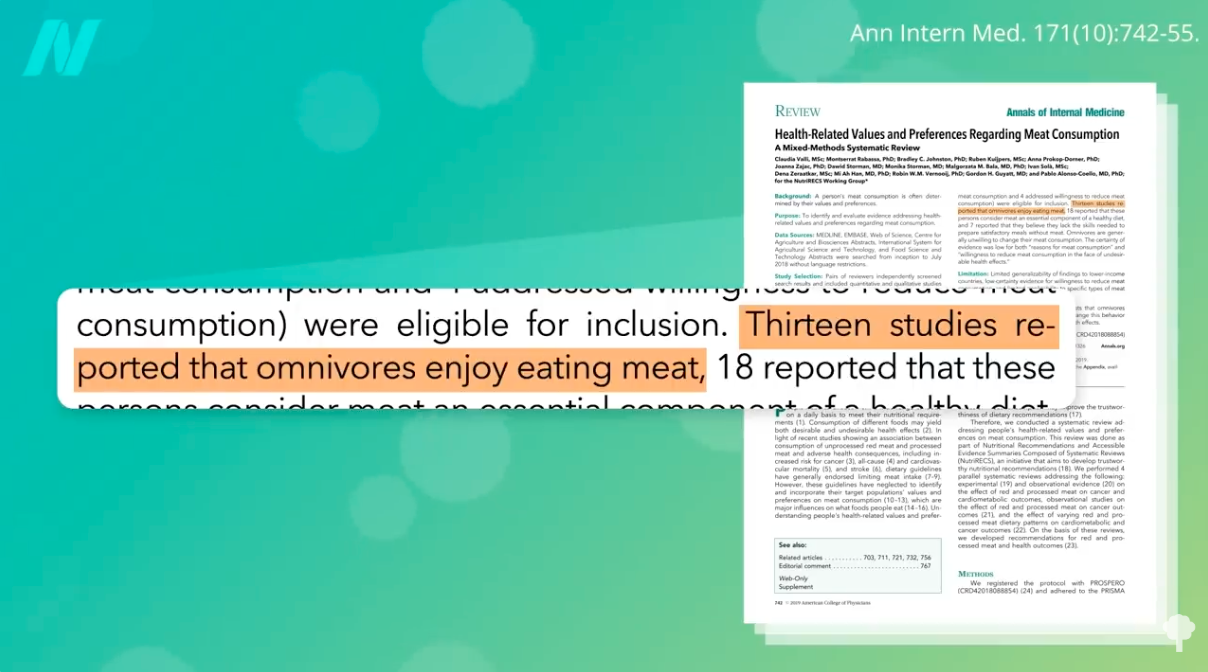
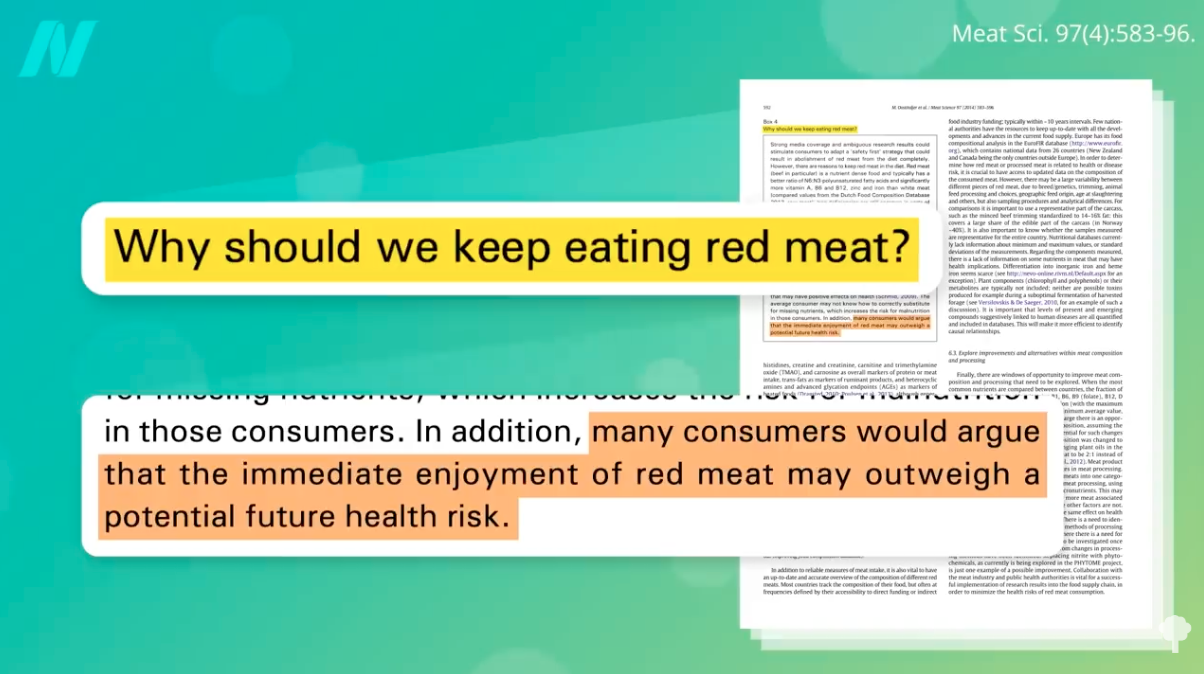
The panel argued that because people enjoy their meat-based diets, the statistical risk reduction for leading killers like cancer and heart disease is simply insufficient motivation to alter societal habits. Consequently, the researchers introduced the concept of "taste cost"—the perceived penalty a consumer experiences when forced to give up foods they love in exchange for long-term health gains. By this logic, if the taste cost is deemed too high by the consumer, the guideline should bend to accommodate the preference rather than challenge it.
Official Responses and Institutional Reactions
The publication of the meat guidelines provoked swift, sharp rebukes from the global medical establishment, academic institutions, and independent public health advocates.
Dr. David Katz and the "Anti-Science" Label
Dr. David Katz, founder of the Yale Prevention Research Center, emerged as one of the most vocal critics of the Annals publications. Drawing stark parallels to illustrate the absurdity of the panel’s methodological rationale, Dr. Katz noted that using the exact same criteria, researchers could theoretically issue guidelines stating there is "no need to quit smoking for good health" because smokers enjoy the sensation, or "no need to exercise" because physical exertion involves discomfort.
In a scathing critique, Dr. Katz summarized the sentiment of the mainstream scientific community:
"Guidelines opposing the very data on which they purport to be based are not science; they are anti-science."
Industry Ties and Scrutiny
The credibility of the panel faced further erosion when investigative journalists and public watchdogs revealed institutional and financial connections. The NutriRECS consortium received support linked to agricultural research entities that historically enjoyed substantial funding from the meat industry. Furthermore, critics pointed out parallels to prior papers published by similar groupings that criticized sugar consumption guidelines—work that had also drawn scrutiny regarding industry financing from soda and candy manufacturers.
Regulatory and Public Health Pushback
Major health organizations, including the American Heart Association and the American College of Cardiology, reiterated their standing positions: limiting red and processed meats remains a cornerstone of preventing cardiovascular disease and lowering systemic inflammation. Furthermore, public health advocacy groups filed petitions questioning the editorial processes that allowed a self-appointed panel to issue sweeping, contrarian public health recommendations backed by press releases advising the public that they could continue eating burgers and bacon without health consequences.
Implications: The Future of Nutritional Guidelines
The fallout from the red meat controversy extends far beyond the dinner table, raising profound questions about how science is communicated, how research frameworks are funded, and how public health policy is formulated in an era of polarized information.
The Erosion of Public Trust
When prestigious medical journals publish contradictory findings accompanied by press releases that seemingly contradict the internal data of the studies themselves, public confusion multiplies. In an environment where consumers are bombarded by conflicting headlines—one day told red meat causes cancer, the next told the risk is negligible—adherence to preventative health measures plummets. This fatigue weakens the authority of institutional bodies tasked with safeguarding public health.
The Future of GRADE in Nutritional Science
The debate has forced epidemiologists and biostatisticians to re-evaluate the utility of drug-trial standards in lifestyle research. While rigor is vital, applying pharmacological standards like GRADE to dietary habits risks creating a vacuum where actionable advice on nutrition, sleep, and environmental exposures is permanently labeled as "low quality" simply because human behavior cannot be locked inside a clinical laboratory. Moving forward, the scientific community must forge consensus on how to evaluate observational data without entirely abandoning common-sense preventative medicine.
Rethinking Risk Communication
Ultimately, the controversy highlights a philosophical split in public health communication. Should guidelines act as absolute moral or biological imperatives based on empirical survival data, or should they function as flexible recommendations that negotiate with human stubbornness, factoring in psychological attachment and culinary culture?
If public health agencies begin tailoring dietary advice to accommodate "taste costs" and stubborn consumer preferences, the foundational purpose of nutritional science—to illuminate the path toward longevity and disease prevention—threatens to be compromised. As the medical community continues to process the lessons of the NutriRECS debate, the imperative remains clear: science must dictate dietary policy, rather than letting the desire for a burger dictate the science.