By Paul Clarke
Published: September 11, 2026
Main Facts: The Resurrection of a Bourbon Myth
In the world of American whiskey, few names carry the enigmatic weight of Black Maple Hill. Around the turn of the century, the brand emerged quietly as an independent bottling at a time when the concept of independent sourcing was barely understood by the average consumer. For years, it floated as a whispered secret among connoisseurs, eventually evolving into a coveted "unicorn" bottle that commanded astronomical sums on the secondary market.
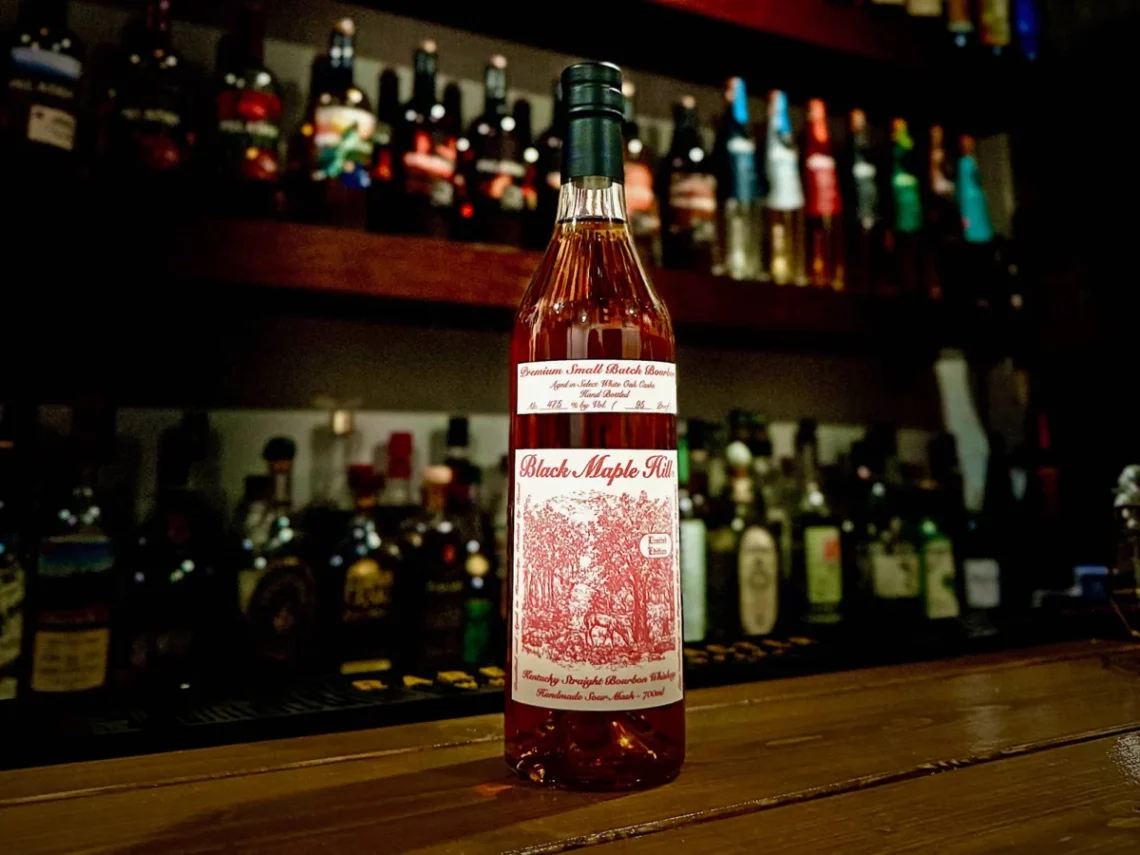
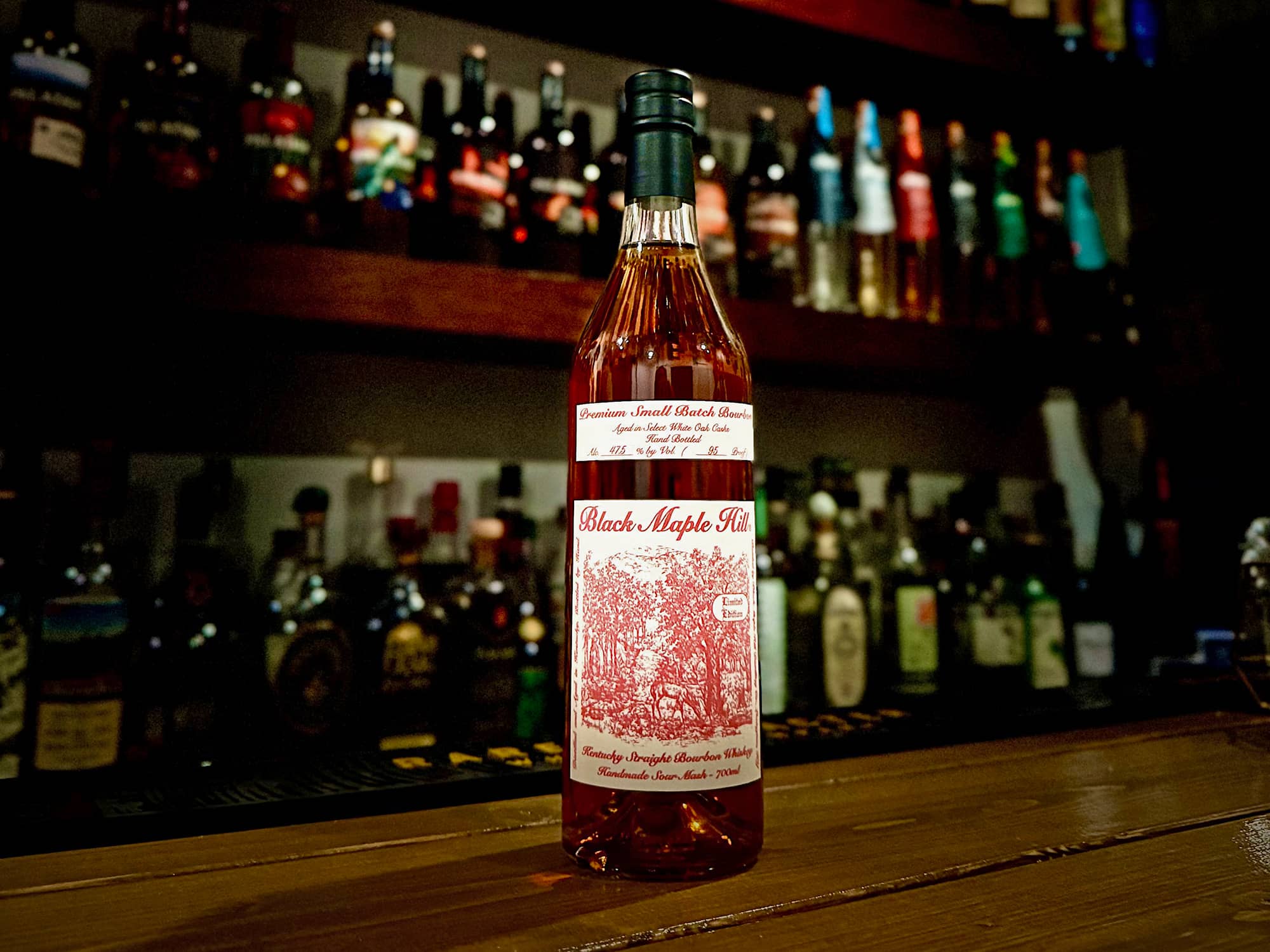
Now, the legendary whiskey is making a triumphant return. Under the stewardship of Rare Character Whiskey—founded by Imbibe 75 alumni Pablo Moix and Peter Nevenglosky—Black Maple Hill has been officially revived. Rather than chasing the exorbitant, collector-driven hype of its past, the newly reintroduced Black Maple Hill Kentucky Straight Bourbon is making a play for accessibility. Bottled at a classic 95 proof and retailing for an approachable $79.96, the modern iteration is rolling out across approximately 40 states, striking a balance between historical reverence and contemporary drinkability.
Chronology: From Independent Pioneer to Collector’s Unicorn
To understand the magnitude of Black Maple Hill’s return, one must trace its complex, decades-long evolution through the modern American whiskey landscape.

Phase 1: The Early Days and Van Winkle Beginnings
When Black Maple Hill first appeared on shelves around 2000, the modern bourbon boom was still years away. It was an independent label that listed no specific distillery of origin—a practice that would later become common, but was then an anomaly. In those early years, the sourcing magic behind the label was tied to Julian Van Winkle III (the legendary mind behind Old Rip Van Winkle). Van Winkle bottled exceptional juices under the Black Maple Hill moniker, establishing an early baseline for remarkable quality during a time when the market was flooded with standard, mass-produced pours.
Phase 2: The Willett Era and the Dawn of the Boom
As the brand progressed, the bottling operations transitioned to Kentucky Bourbon Distillers, the company known today as Willett. During this chapter, the brand drew from exceptional stocks of barrels originating from legendary producers like Heaven Hill and Stitzel-Weller. These bottles offered drinkers a masterclass in aged Kentucky whiskey. However, as the world slowly caught on to the liquid gold sitting in Kentucky rickhouses, the early tremors of the bourbon boom began to shake the industry.
Phase 3: The Sourcing Drought and Oregon Interlude
As demand skyrocketed, access to these premier, ultra-aged barrels dried up. Major producers began holding back their stocks to launch their own proprietary labels, leaving independent bottlers out in the cold. To survive, Black Maple Hill shifted gears, briefly experimenting with bottling craft whiskey sourced out of Oregon. While it kept the brand alive, it drifted far from its Kentucky roots, eventually fading from mainstream prominence. Meanwhile, the original Kentucky-bottled iterations achieved mythical status among collectors, fetching eye-popping figures at high-end auctions and private sales.
Phase 4: The Rare Character Renaissance (2026)
Fast-forward to September 2026, and the brand is staging a full-scale comeback. Guided by Pablo Moix and Peter Nevenglosky of Rare Character Whiskey, Black Maple Hill is returning home to Kentucky. The objective? To meticulously recreate the character, profile, and uncompromising quality that defined those early, legendary releases, while making the whiskey widely available to a new generation of enthusiasts.
Supporting Data: Tasting Notes and Market Positioning
For skeptics wondering if a revived heritage brand can live up to its own mythology, Rare Character has anchored the new release in tradition while leaning into modern transparent pricing and distribution strategies.
- Proof: 95 (47.5% ABV)—an intentional nod to the exact proof point of the original formulations.
- Price Point: $79.96 per bottle, positioning it as an attainable luxury rather than a prohibitive collector’s item.
- Distribution: Available in approximately 40 states, ensuring that fans do not have to rely on shady secondary markets or lottery systems to secure a bottle.
Official Tasting Profile
- Nose: Immediately classic and welcoming, offering rich aromas of toasted coconut layered with warm baking spices.
- Palate: Exhibits a profound depth and textural richness. Notes of dark caramel and creamy vanilla open up into brighter accents of crisp citrus peel and sun-ripened dried fruit.
- Finish: Balanced, lingering, and sophisticated, staying true to the historic profile of mid-era Kentucky craft bottling.
Official Perspectives: The Vision Behind Rare Character
The revival of Black Maple Hill is not merely a nostalgic cash grab; it is a calculated effort by industry veterans to honor a foundational name in modern bourbon history. Pablo Moix and Peter Nevenglosky, celebrated for their innovative curation through Rare Character Whiskey, approached the project with a deep respect for the brand’s pedigree.
While original bottles from the Van Winkle and Willett eras continue to command fierce loyalty—and massive bids—among deep-pocketed collectors, the team behind Rare-Character-led revival wanted to bridge the gap between history and the modern bar cart. By prioritizing wide distribution and a sub-$80 price tag, the creators are ensuring that Black Maple Hill can be opened, poured, and shared, rather than locked behind glass as an investment piece.
Implications: A Blip or the Blueprint for Future Revivals?
The return of Black Maple Hill raises a fascinating question for the current spirits market: Is this release a fleeting blip, or does it signal a broader trend of heritage brand reclamation?
In recent years, the secondary market for vintage and discontinued bourbon has faced shifting consumer habits, with fatigue setting in over sky-high secondary prices and manufactured scarcity. By taking a storied, hyper-collectible name and deliberately repositioning it as an accessible, high-quality pour, Rare Character is offering a compelling counter-argument to the "unicorn" culture of the 2010s.
If Black Maple Hill succeeds in capturing both old-school purists and modern whiskey drinkers, it could serve as a blueprint for how legacy brands can navigate the post-boom era. It proves that heritage doesn’t always have to belong exclusively to museum-case collectors; sometimes, it belongs in a rocks glass. Only time will tell if this modern chapter marks the beginning of a new golden era for the label, but for now, Black Maple Hill makes a remarkably strong argument for playing the long game.