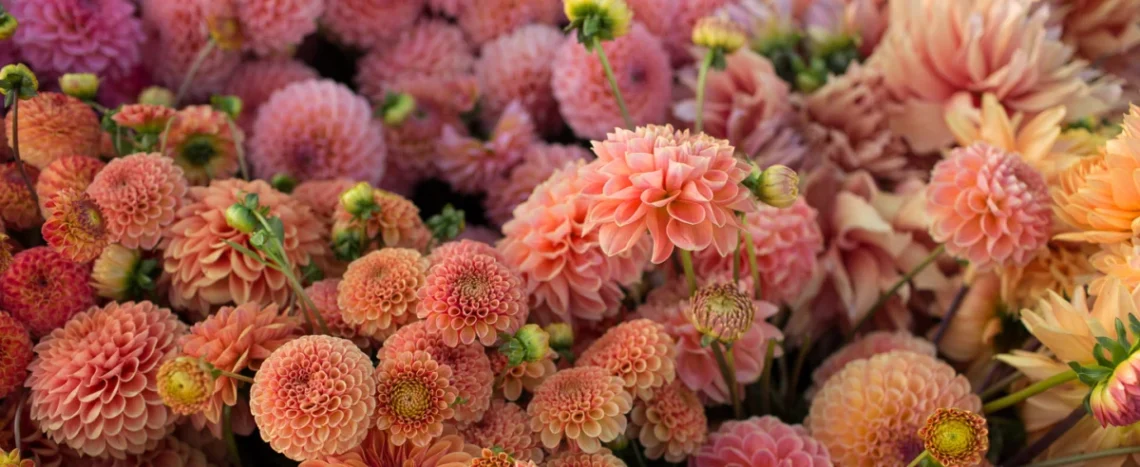
Main Facts
Over the past two decades, the digital landscape of horticulture has undergone a profound transformation, shifting from localized, word-of-mouth gardening advice to globally accessible, high-definition digital masterclasses. At the forefront of this agricultural renaissance is Floret Flowers, a pioneering flower farm and educational powerhouse based in Washington State. Founded by Erin Benzakein, Floret has expanded far beyond its physical farm gates to establish a comprehensive educational ecosystem that reaches millions of aspiring growers, commercial flower farmers, and floral designers worldwide.
Despite fielding hundreds—and occasionally thousands—of inquiries weekly via email, social media, and blog comments, the Floret team has systematically cataloged two decades of agricultural trials, errors, and breakthroughs. Rather than letting this hard-earned wisdom remain locked behind farm gates, Benzakein and her team have codified their growing practices into an exhaustive multi-platform library. This repository includes four bestselling books, an extensive online blog, a searchable and printable database of over 1,500 tested flower varieties, Emmy-nominated documentary series on the Magnolia Network, targeted video courses, and immersive multi-week online workshops.
The primary catalyst for consolidating these resources into a public guide stems from a common logistical challenge: the repetition of fundamental questions regarding soil preparation, seed starting, variety selection, and post-harvest handling. By spotlighting their existing educational architecture, Floret aims to streamline the learning curve for hobbyists and professionals alike, providing a definitive roadmap to two decades of specialized horticultural research.
Chronology of an Educational Empire
The evolution of Floret’s resource library mirrors the broader digital shift in agricultural extension services, moving from early-internet journaling to multi-channel media production.
- 2006: Erin Benzakein launches the Floret Blog as a personal writing exercise to document the early days of establishing the flower farm. What begins as a modest online journal gradually evolves into a photo-rich chronicle of farm-tested growing lessons.
- 2012–2014: Recognizing a void in the market for modern, specialized cut flower literature, Benzakein begins conceptualizing her first major publication, bridging the gap between commercial flower production and home gardening.
- March 2017: The publication of Cut Flower Garden: Grow, Harvest, and Arrange Stunning Seasonal Blooms marks a turning point, offering step-by-step guidance for over 175 flower varieties and instantly becoming a staple for growers worldwide.
- 2019–2020: The release of subsequent books—A Year in Flowers (2020) and Discovering Dahlias (2021)—expands Floret’s literary footprint into seasonal design and specialty crop deep-dives. Simultaneously, the team launches the digital Floret Library, giving users searchable, printable access to field-tested flower varieties.
- 2021: Growing Floret, an intimate documentary series chronicling the farm’s transformation, premieres on the Magnolia Network. The show introduces a mainstream audience to the realities of sustainable flower farming and garners consecutive Emmy nominations for Outstanding Lifestyle Program.
- 2022–Present: Floret formalizes its educational offerings by scaling its winter Flower Farming Workshop, introducing the self-paced Flower Arranging Workshop, and releasing its fourth major book, Bloom to Seed (focusing on seed saving for 50 popular varieties).
Supporting Data and Resource Breakdown
To understand the sheer magnitude of Floret’s educational output, it is necessary to examine the individual pillars that support their digital ecosystem. The operation is broadly categorized into literary works, digital databases, media productions, and structured curricula.
1. The Floret Literary Collection
- Cut Flower Garden (2017): Focuses on the foundational mechanics of planting, cultivating, and harvesting over 175 varieties of cut flowers.
- A Year in Flowers (2020): Shifts the focus upward into floral design, teaching practitioners how to craft seasonally inspired arrangements using locally sourced blooms.
- Discovering Dahlias (2021): A monographic deep-dive into the biology, cultivation, and breathtaking diversity of one of the world’s most sought-after cut flowers.
- Bloom to Seed (2024/Recent): Instructs growers on the intricate cycle of growing, harvesting, drying, threshing, cleaning, and storing seeds across 50 popular flower varieties, empowering growers to maintain their own genetic stock.
2. Digital Archives and the Printable Floret Library
The digital infrastructure of the Floret website serves as an open-source agricultural database. The resource section hosts dozens of photo-rich tutorials covering soil amendment, season extension, and pest management.
Perhaps the crown jewel of the digital platform is the Floret Library, which catalogs more than 1,500 unique cut flower varieties cultivated and stress-tested on the Washington farm. Designed with both digital natives and tactile learners in mind, the library features a unique printing function. Users can filter varieties by plant collection, color, growth form, or special traits, printing custom sets of high-resolution planning cards complete with color photography and botanical nomenclature. These cards function as physical tools for garden layouts, crop rotations, and wedding or event design planning.
3. Broadcast Media: Growing Floret
Translating the labor-intensive reality of agriculture to television, Growing Floret debuted on the Magnolia Network in 2021.
- Season 1: Documents a full calendar year on the farm, examining the personal and professional hurdles of building an ethical, values-driven business.
- Season 2: Explores four distinct themes—legacy rose preservation, flower breeding, agricultural education, and ecological stewardship. Both seasons earned critical acclaim, securing Emmy nominations for Outstanding Lifestyle Program.
4. Structured Curricula and Workshops
For those seeking formal training, Floret operates two flagship digital academies:
- The Flower Farming Workshop: A rigorous 6-week intensive winter program distilling a decade of commercial growing and small-business strategies. The course runs annually from January through mid-February, supported by an active scholarship program.
- The Flower Arranging Workshop: A self-paced video series breaking down the foundational mechanics, color theory, and studio workflows that fueled Floret’s former wedding and event enterprise.
Official Perspectives and Educational Philosophy
Erin Benzakein and the Floret team have consistently maintained that transparency is the cornerstone of sustainable modern agriculture. By democratizing access to horticultural knowledge, the farm actively combats the isolation often felt by independent growers entering a competitive market.
In reflections on the farm’s publishing history, Benzakein emphasizes that the vast archive of blog posts, free mini-courses, and YouTube documentation is designed to serve as a safety net for beginners. The transition from a simple WordPress blog in 2006 to a multi-media enterprise was driven not by corporate ambition, but by an organic demand for reliable, field-tested data.
Furthermore, the integration of free resources alongside paid masterclasses reflects a balanced economic model. While comprehensive, multi-week workshops require financial investment and application, foundational tutorials, seasonal farm journals, and searchable plant databases remain universally accessible. This tiered approach ensures that socioeconomic barriers do not prevent enthusiastic growers from accessing vital information on seed saving, soil health, and floral design.
Implications for the Cut Flower Industry
The establishment and expansion of Floret’s resource network carry significant implications for the global "slow flowers" movement and the broader agricultural sector.
1. Resurgence of Local, Sustainable Agriculture
By providing precise blueprints for small-scale flower farming and seed saving, educational platforms like Floret empower micro-entrepreneurs to challenge traditional import-dominated supply chains. Consumers increasingly demand locally grown, chemical-free flowers; however, meeting this demand requires a skilled workforce capable of handling perennial crops, high tunnels, and post-harvest conditioning. Floret’s curriculum directly addresses this labor skill gap.
2. The Digitization of Agricultural Extension
Historically, agricultural extension services were localized through state universities or government agencies. Floret’s model demonstrates the viability of private-enterprise extension work. Through high-definition video production, printable database cards, and global digital classrooms, specialized agricultural knowledge transcends geographic boundaries, allowing a grower in the Southern Hemisphere to implement soil-building techniques tested in the Pacific Northwest.
3. Ethical Monetization and Affiliate Transparency
As digital content creators navigate the intersection of education and commerce, Floret maintains a strict editorial boundary. The organization explicitly states that its recommendations—whether pointing toward specific tools, amendments, or literature—are rooted in direct farm use rather than paid sponsorships. While affiliate links provide a modest commission to support the upkeep of the platform, the underlying editorial integrity remains focused on agricultural efficacy.
Ultimately, by organizing two decades of trial and error into a cohesive, searchable, and printable network of information, Floret Flowers has transformed from a regional farm into a global institution, ensuring that the next generation of growers can plant with confidence, harvest with skill, and cultivate a more sustainable floral industry worldwide.